How much does liquid cooling cost?
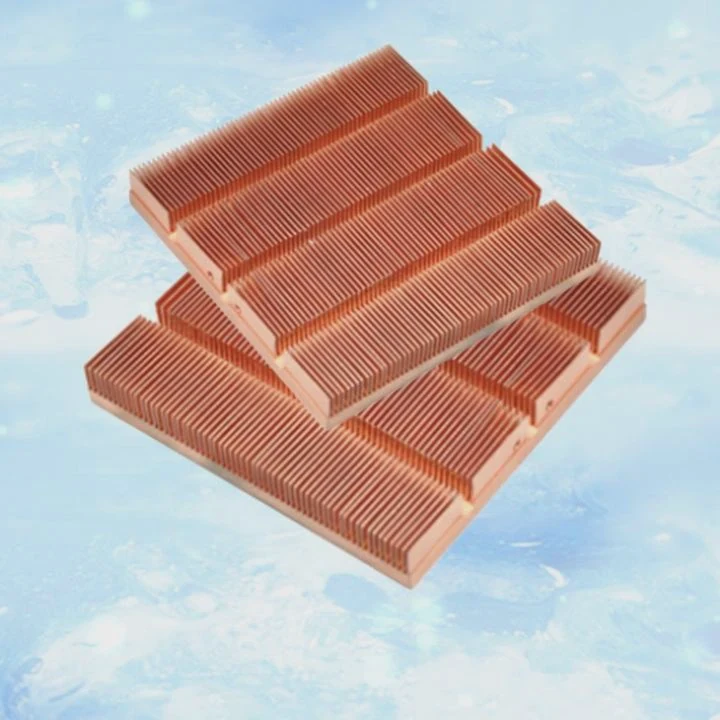
Liquid cooling offers excellent performance and aesthetics, but it also raises an important question — how much does it really cost to install and maintain? For many PC builders and industrial users, budget is just as critical as performance.
The cost of liquid cooling ranges from \(100 to over \)1,000 depending on the type, scale, and customization of the system — with AIO coolers at the low end and custom loops or industrial systems at the high end.
Choosing the right system depends on your performance goals, reliability needs, and willingness to handle installation and maintenance complexity.
What affects the cost of liquid cooling?
The total cost of a liquid cooling system depends on several key factors — from materials and size to the number of components that require cooling. Understanding these helps you plan effectively and avoid overspending.
The main factors affecting liquid cooling cost include system type, component quality, cooling capacity, customization level, and installation complexity.
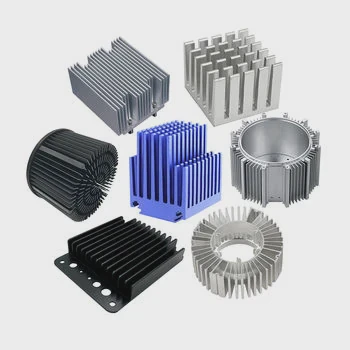
1. Cooling Type
| Type | Typical Cost (USD) | Description |
|---|---|---|
| AIO (All-in-One) | \(80–\)250 | Pre-assembled, easy to install, ideal for gaming PCs |
| Custom Loop | \(400–\)1,200+ | Fully customizable with pump, reservoir, tubing, fittings |
| Industrial System | \(1,000–\)10,000+ | Large-scale systems for servers or manufacturing equipment |
AIO systems are more affordable because they are pre-built and sealed. Custom loops cost more due to the individual components and flexibility in design.
2. Material Quality
Coolers made with copper and brass are more expensive but have superior thermal performance. Aluminum-based systems are cheaper but may have lower conductivity and durability.
3. Number of Components Cooled
Adding GPUs, VRMs, or storage to the cooling loop increases cost. Each additional block and fitting can raise the price significantly.
4. Radiator Size and Fans
Larger radiators with more fans cost more but offer higher cooling capacity and quieter operation.
5. Installation and Maintenance
Professional installation adds \(100–\)300. Maintenance supplies, such as coolant replacement and cleaning kits, may cost \(20–\)50 per year.
In short, costs vary widely based on how complex and high-performance your cooling system needs to be.
What are the benefits of investing in it?
Spending more on a liquid cooling setup may seem excessive at first, but it often pays off through performance, reliability, and long-term value.
The benefits of investing in liquid cooling include improved thermal performance, quieter operation, longer component lifespan, and greater system stability under heavy workloads.
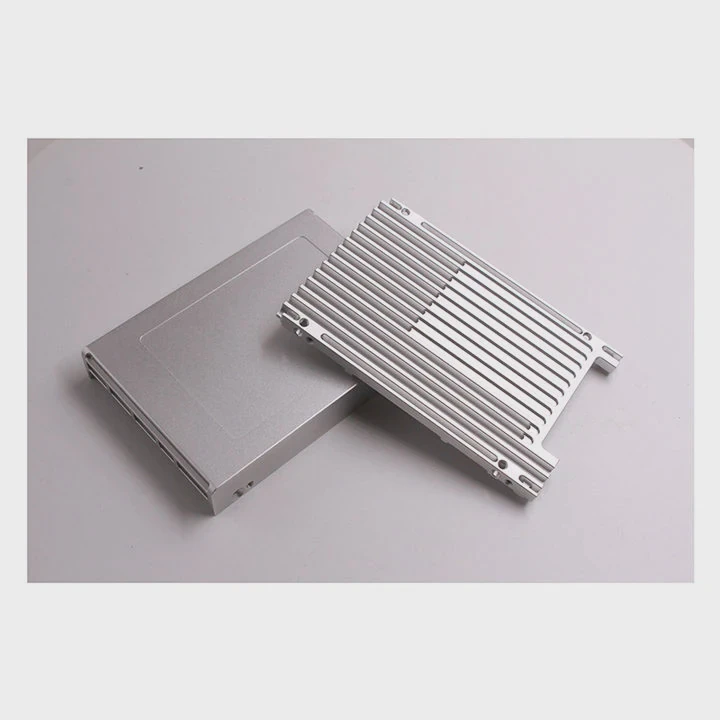
Key Benefits
1. Superior Temperature Control
Liquid cooling keeps CPUs and GPUs cooler under sustained load, reducing thermal throttling and allowing consistent performance.
2. Lower Noise Levels
Because liquid systems transfer heat more efficiently, fans can spin slower, resulting in near-silent operation — especially useful for creative or office environments.
3. Longer Component Life
Stable temperatures reduce stress on hardware, preventing premature aging of components like processors, power regulators, and memory.
4. Aesthetic Appeal
Custom loops offer a clean and professional look with lighting and color options. Many users view this as both functional and visual value.
5. Potential Energy Savings
Efficient cooling means less fan power and reduced overall system heat, which can save energy, especially in large-scale data centers.
| Benefit | Description | Impact |
|---|---|---|
| Cooling Performance | Stable under heavy load | Improved CPU/GPU life |
| Noise Reduction | Quieter than air systems | Comfortable workspace |
| Reliability | Fewer overheating risks | Better uptime |
| Aesthetics | Custom design and lighting | Visual appeal |
| Energy Efficiency | Less fan energy required | Reduced consumption |
In both personal and industrial applications, investing in liquid cooling often pays for itself through stability and durability.
How to manage budget for cooling systems?
It’s easy to overspend on cooling, especially when tempted by premium components or flashy designs. A structured budget helps you get the best value without unnecessary extras.
To manage your cooling budget, define your performance goals, choose suitable materials, prioritize reliability, and plan for long-term maintenance costs.
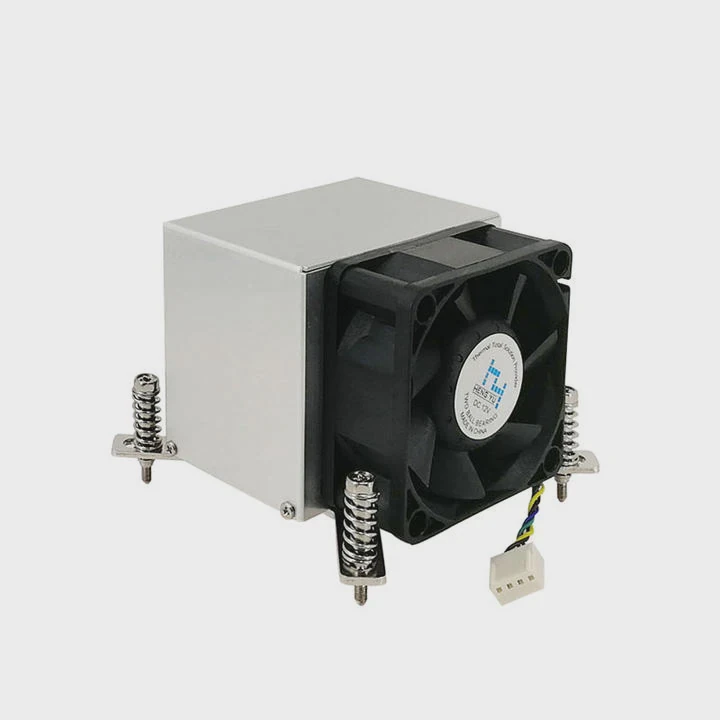
Step 1: Set Clear Performance Goals
Ask yourself what the cooling system needs to achieve. For everyday computing, a mid-range AIO is enough. For overclocking or workstation loads, consider a custom loop.
Step 2: Balance Cost and Quality
You don’t always need the most expensive parts. For example, an aluminum radiator can deliver 90% of the performance of a copper one for half the cost.
Step 3: Plan for Maintenance
Include coolant, cleaning, and part replacement in your yearly budget. Skipping maintenance often leads to costly system failures later.
Step 4: Compare DIY vs. Professional Setup
DIY installation saves labor cost but requires patience and skill. Professional setups guarantee leak-free assembly but add service fees.
Step 5: Avoid Overengineering
More radiators, fans, and fittings don’t always equal better performance. Focus on airflow, quality components, and good cable management.
| Budget Range | Suitable Cooling Type | Recommended Users |
|---|---|---|
| <$200 | AIO 120–240mm | Casual users, light gaming |
| \(300–\)600 | Custom Loop (CPU only) | Enthusiasts, overclockers |
| $700+ | Custom Loop (CPU + GPU) | Professionals, high-performance users |
| $1,000+ | Industrial or multi-loop | Data centers, OEM systems |
Smart budgeting ensures you get the right performance per dollar without sacrificing reliability.
What are the cost trends in cooling technology?
As cooling technology advances, prices are shifting — not always upward. New materials, manufacturing methods, and system designs are making high-end performance more affordable.
The key cost trends in cooling technology include greater affordability of AIO systems, modular designs, sustainable materials, and intelligent control systems that reduce long-term ownership costs.
1. Falling AIO Prices
Mass production and competition have reduced prices for 240mm and 360mm AIOs, making them more accessible for mid-range users.
2. Modular Custom Systems
Manufacturers now offer modular parts like quick-release fittings and universal blocks, letting users expand systems over time instead of buying everything upfront.
3. Smart Control and Efficiency
AI-based cooling management optimizes fan and pump speeds dynamically, extending system life and reducing electricity use — lowering operational costs.
4. Eco-Friendly Materials
The shift toward recyclable aluminum, biodegradable coolant, and sustainable packaging reduces environmental costs and appeals to green buyers.
5. Industrial and Data Center Scaling
Liquid cooling for servers and data centers is getting cheaper through large-scale adoption, shared coolant systems, and improved manufacturing efficiency.
| Trend | Description | Cost Impact |
|---|---|---|
| Affordable AIOs | Cheaper high-performance coolers | Lower entry cost |
| Modular Systems | Expandable and reusable parts | Long-term savings |
| Smart Controls | AI-managed cooling balance | Energy efficiency |
| Green Materials | Eco-safe coolants and metals | Lower environmental cost |
| Enterprise Adoption | Larger market production | Reduced per-unit price |
These trends show that liquid cooling is becoming not just a luxury, but a practical and affordable solution for both individuals and industries.
Conclusion
Liquid cooling can cost anywhere from $100 to several thousand dollars, depending on complexity and performance needs. While it’s more expensive upfront than air cooling, the long-term benefits — quieter operation, higher efficiency, and longer hardware life — often justify the investment. As technology evolves, liquid cooling continues to deliver more performance for every dollar spent.
TAGS
Latest Articles

Volume discount levels for heat sink orders?
Buyers often ask when heat sink prices start to drop with volume. Many worry they’re overpaying for small orders. This guide explains how B2B volume pricing works for thermal components. Heat sink
21 Dec,2025
Heat sink long-term supply contract options?
Many buyers want stable pricing and reliable delivery for heat sinks. But without a clear contract, risks grow over time. This article explores how to secure better long-term supply deals. Long-term
21 Dec,2025
Tooling cost for new heat sink profiles?
Many engineers struggle to understand why tooling for custom heat sinks costs so much. They worry about budgeting and production timelines. This article breaks down the cost drivers behind tooling.
21 Dec,2025
Heat sink custom sample process steps?
Sometimes, starting a custom heat sink project feels overwhelming—too many steps, too many unknowns, and too many risks. You want a sample, but not endless delays. The process for requesting and
20 Dec,2025
Standard B2B terms for heat sink payments?
When buyers and sellers in B2B heat sink markets talk about payment, many don’t fully understand what’s standard. This can lead to delayed orders, miscommunication, and even lost business
20 Dec,2025
Heat sink pricing factors for large orders?
Heat sinks are vital for many systems. When prices rise, projects stall and budgets break. This problem can hit teams hard without warning. Large order heat sink pricing depends on many factors. You
20 Dec,2025Related Articles
- What is a liquid-cooled engine?
- Which is better, air-cooled or liquid-cooled CPU?
- How to remove a liquid cooler from your CPU?
- Does the PS5 have liquid cooling?
- What is the liquid in liquid cooling?
- Who makes liquid cooling systems for data centers?
- What happens when liquid magma is cooled?
- Which is better, air cooler or liquid cooler?
- What is an AIO liquid cooler?
- Does the i9 9900K need liquid cooling?
- How to maintain liquid cooling?
- What is the best CPU liquid cooler?
Author
Dr. Emily Chen
Chief AI Researcher
Leading expert in thermal dynamics and AI optimization with over 15 years of experience in data center efficiency research.
Categories
Latest Products






Recommend Categories
- Liquid cooling plate Manufacturer
- Industrial Heat Sink Manufacturer
- Standard Heat Sink Manufacturer
- Aluminum Heat Sink Manufacturer
- Copper Heat Sink Manufacturer
- Anodized Heatsink Manufacturer
- Stamping heat sink Manufacturer
- Die Casting Heatsink Manufacturer
- Soldering heat sink Manufacturer
- CNC Parts Manufacturer
Latest Products
- Wholesale Aluminum Radiator
- Water Cooling Plate Kit
- Water Cooling Heat Sink
- Water Cooling Heat Sink Kit
- Stainless Steel Water Distributor
- Server Water Cooling Plate Kit
- Server Liquid Cooling System
- Server Aluminum Cooling Kit
- S19 Full Cover Cooling Plate
- S19 Cooling Plate Kit
- S19 Aluminum Cooling Plate
Contact Expert
Have questions about this article? Reach out to our experts directly.