can you upgrade a laptop cpu heatsink?
Many laptop users face rising temperatures and wonder if upgrading the CPU heatsink can solve the problem without replacing the whole machine.
You can upgrade a laptop CPU heatsink only when the design supports removable cooling modules, the layout provides extra space, and modifications such as copper shims or thicker pipes can fit without blocking components.
Some laptops allow simple swaps, but most models limit users due to tight internal structure.
Why laptop layouts limit upgrades?
Laptop cooling systems depend on carefully shaped components that fit into very limited space. Even tiny changes can cause the entire system to fail.
Laptop layouts limit upgrades because their heatsinks follow custom shapes, use extremely tight clearances, rely on fixed airflow tunnels, and integrate with specific chassis features. Small differences disrupt proper cooling.
Tight spaces restrict cooler size
Laptop interiors offer only millimeters of clearance. A larger or thicker heatsink can push against the bottom cover or keyboard frame, causing fitment issues.
Heatpipes follow fixed routes
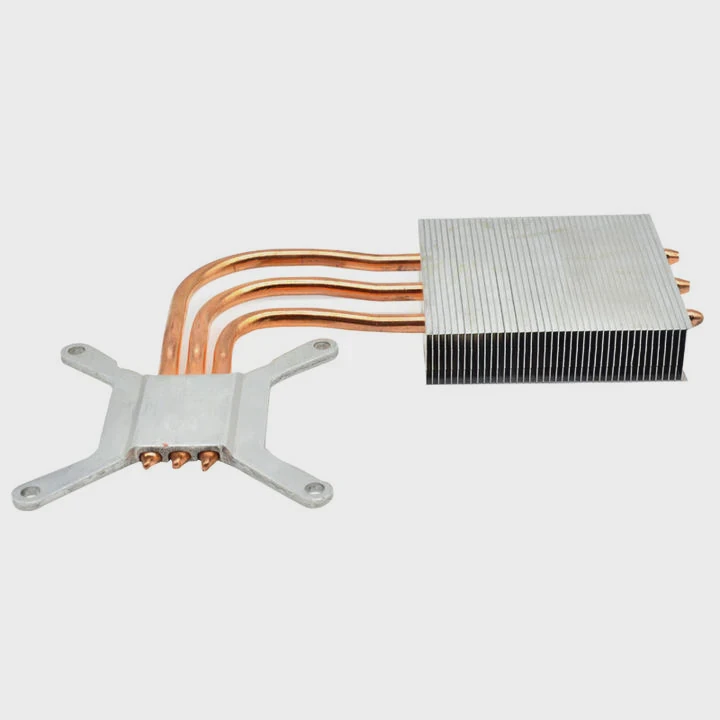
Heatpipes are bent to match precise internal paths. They travel around components such as VRMs, memory, or the battery. Any replacement must follow the same geometry.
Fans depend on matched ducts
Laptop fans sit inside molded plastic ducts. These ducts guide airflow through the heatsink fins. If the heatsink does not align with the duct, airflow drops dramatically.
Case vents align with original sinks
The exhaust vent location is fixed on the laptop chassis. A new heatsink must align with these cutouts; otherwise, the fan pushes hot air into the laptop instead of out.
Why layout limits block upgrades
- Vertical space is extremely limited
- Heatpipe routes must match factory bends
- Fan ducts cannot shift position
- Vents require exact alignment
- Bottom cover closes tight against components
Table: Common layout challenges
| Layout Issue | Upgrade Impact | Notes |
|---|---|---|
| Limited height | Blocks thicker heatsinks | Most ultrabooks |
| Fixed heatpipe route | Prevents shape changes | Gaming laptops vary |
| Aligned fan tunnels | Incompatible with new sinks | Can reduce airflow |
| Tight vent alignment | Hot air recirculates | Causes overheating |
Laptop layouts often decide whether heatsink upgrades are possible.
Which models support heatsink swaps?
Only some laptops allow meaningful heatsink replacement. These systems usually use modular cooling blocks and share chassis designs across multiple CPU or GPU variants.
Models that support heatsink swaps include gaming laptops, workstation systems, and multi-configuration chassis that use different heatsinks for different CPU tiers.
Gaming laptops with modular assemblies
Gaming laptops often use large cooling blocks that mount with screws. These blocks may be replaced by higher-tier versions from the same model series.
Workstation laptops with interchangeable modules
Professional workstations sometimes support CPU upgrades. Their cooling systems must support higher TDP options, so manufacturers design modular heatsinks.
Same-chassis variants offer upgrade paths
Many laptop lines offer i5, i7, and i9 versions within the same body. The high-end model usually ships with a larger or thicker heatsink. This heatsink often fits lower-tier versions.
Models with proven community mods
Some laptops are popular among modding communities. Users share compatible heatsink part numbers and upgrade options.
Indicators a laptop supports better heatsinks
- Same chassis used for multiple processor tiers
- Cooling assembly is removable with screws
- Spare heatsink part numbers are available
- Online community reports successful swaps
Table: Laptop categories and upgrade likelihood
| Laptop Type | Upgrade Potential | Notes |
|---|---|---|
| Gaming laptops | High | Modular cooling units |
| Workstations | Medium–high | Built for high TDP CPUs |
| Business laptops | Low | Tight layout, small coolers |
| Ultrabooks | Very low | Minimal cooling space |
If your laptop belongs to a modular category, a heatsink swap may be possible.
Can copper mods improve cooling?
When full heatsink replacements are impossible, copper modifications provide a safe alternative. These mods enhance heat transfer without altering the fundamental design.
Copper mods improve cooling by increasing surface contact, spreading heat more evenly, and filling gaps that the original heatsink fails to cover. They help when space prevents full upgrades.
Copper shims improve contact pressure
A copper shim placed between the CPU and heatsink fills vertical gaps. This increases surface contact and improves heat transfer. The shim must be the correct thickness to avoid damaging components.
Copper plates spread heat across the block
A thin copper plate absorbs heat and spreads it wider before sending it into the heatsink. This helps eliminate hotspots and stabilizes temperatures during sustained loads.
Copper foil or tape helps small components
VRMs, MOSFETs, and memory chips often need extra cooling. Copper tape transfers their heat toward the main heatsink, improving overall system stability.
Paste and copper must match well
Copper conducts heat well, but it still needs good thermal paste to fill micro gaps. High-performance paste ensures strong thermal contact.
Benefits of copper-based mods
- Increase surface area
- Improve heat spread
- Enhance contact pressure
- Reduce hotspot formation
- Work in tight spaces
Copper mods are one of the most popular laptop cooling enhancements because they do not require chassis modifications.
Do thicker sinks affect fitment?
Thicker heatsinks promise better cooling, but they also create physical challenges that may damage the laptop or reduce performance if installed incorrectly.
Thicker heatsinks affect fitment because additional height may press against the bottom cover, disrupt airflow tunnels, misalign fan ducts, or interfere with the motherboard. Even 1–2 mm changes can break the internal layout.
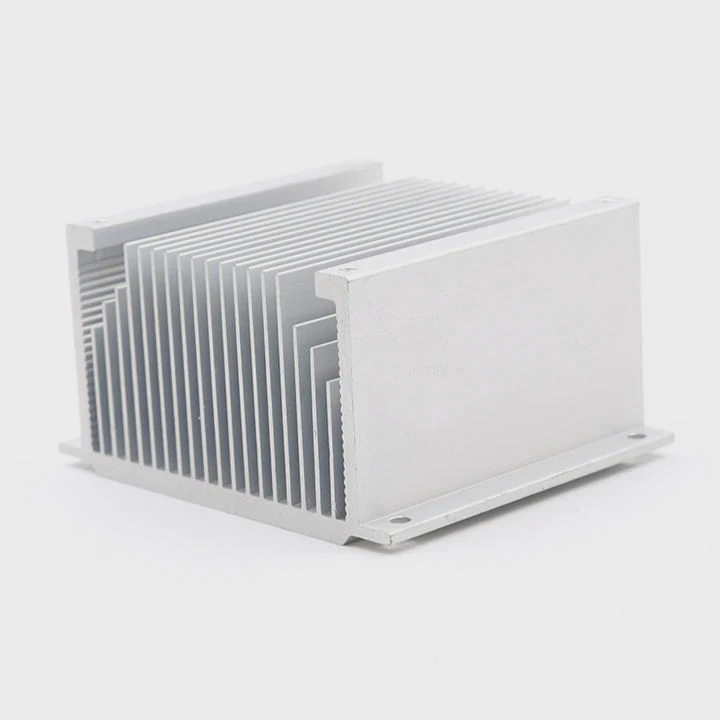
Height clearance is very limited
Laptop internal height is extremely tight. A thicker heatsink may push the chassis upward or apply pressure to the motherboard, causing cracks or misalignment.
Thicker heatpipes may obstruct components
A wider pipe may run into inductors, capacitors, or ports surrounding the CPU. Laptops place these parts extremely close to the cooler.
Bottom panel interference
If the bottom panel presses against the heatsink, airflow is blocked. Fans may vibrate or slow down, reducing cooling instead of improving it.
Air ducts require exact shapes
Heatsinks rely on ducts that funnel air across fins. If a thicker sink shifts fin position, the fan cannot push air correctly.
Fitment issues from thicker heatsinks
- Bottom cover bulges or does not close
- Pressure on motherboard
- Misaligned fin stack
- Fan blades blocked
- Poor vent alignment
Thicker heatsinks help only when they do not disrupt airflow or structural fitment.
Conclusion
Upgrading a laptop CPU heatsink is possible only when the chassis design supports modular cooling or when compatible parts exist across model variants. Copper mods help when full swaps are impossible. Thicker heatsinks may cause clearance or airflow issues, so careful measurement is essential. With the correct approach, you can boost cooling performance while protecting the laptop from structural problems.
TAGS
Latest Articles

Volume discount levels for heat sink orders?
Buyers often ask when heat sink prices start to drop with volume. Many worry they’re overpaying for small orders. This guide explains how B2B volume pricing works for thermal components. Heat sink
21 Dec,2025
Heat sink long-term supply contract options?
Many buyers want stable pricing and reliable delivery for heat sinks. But without a clear contract, risks grow over time. This article explores how to secure better long-term supply deals. Long-term
21 Dec,2025
Tooling cost for new heat sink profiles?
Many engineers struggle to understand why tooling for custom heat sinks costs so much. They worry about budgeting and production timelines. This article breaks down the cost drivers behind tooling.
21 Dec,2025
Heat sink custom sample process steps?
Sometimes, starting a custom heat sink project feels overwhelming—too many steps, too many unknowns, and too many risks. You want a sample, but not endless delays. The process for requesting and
20 Dec,2025
Standard B2B terms for heat sink payments?
When buyers and sellers in B2B heat sink markets talk about payment, many don’t fully understand what’s standard. This can lead to delayed orders, miscommunication, and even lost business
20 Dec,2025
Heat sink pricing factors for large orders?
Heat sinks are vital for many systems. When prices rise, projects stall and budgets break. This problem can hit teams hard without warning. Large order heat sink pricing depends on many factors. You
20 Dec,2025Related Articles
- what is a gpu heatsink?
- can't find sandevistan heatsink?
- is heatsink necessary for m.2?
- how to stick heatsink to chip?
- how to make a water cooling heatsink?
- do you need a heatsink for m.2 ssd for pc?
- what heatsink fit amd epyc 7601?
- can you tightnen a heatsink to much?
- how to remove heatsink from ssd?
- does lg g2 have heatsink?
- how to apply heatsink to ssd?
- how to remove g skill trident z ddr heatsink?
Author
Dr. Emily Chen
Chief AI Researcher
Leading expert in thermal dynamics and AI optimization with over 15 years of experience in data center efficiency research.
Categories
Latest Products
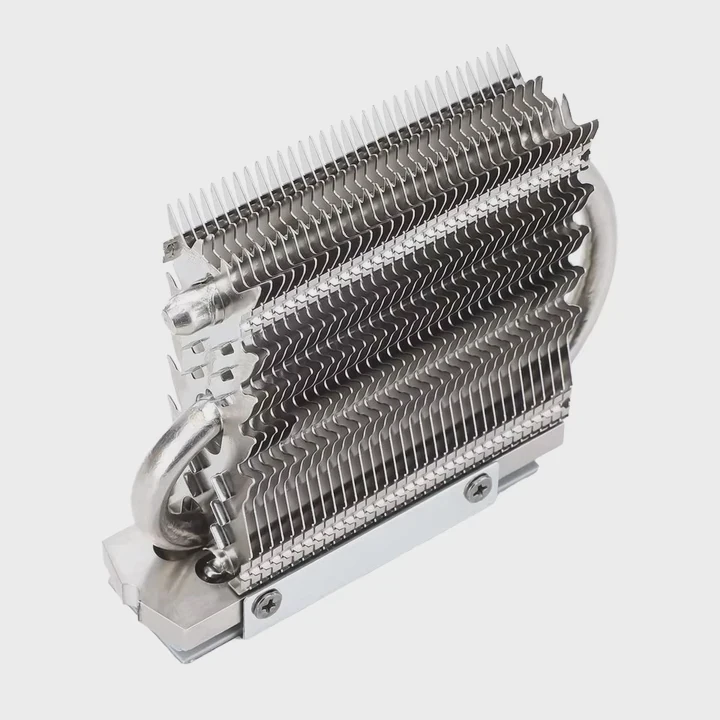
M.2 Heatpipe Heatsink With Dual Fans For Pc Case
19 Mar,2026
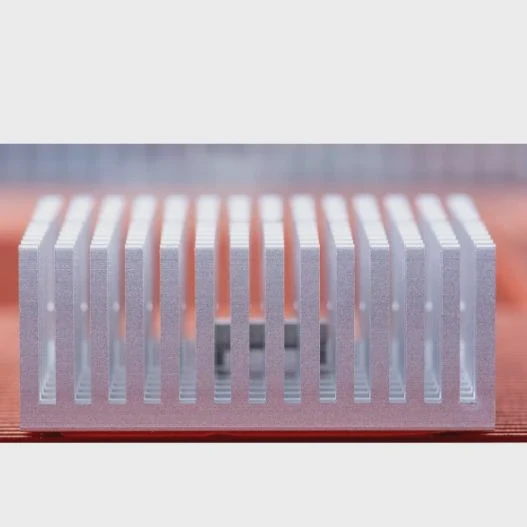
Heavy-Duty Aluminum Heat Sink Custom
19 Mar,2026
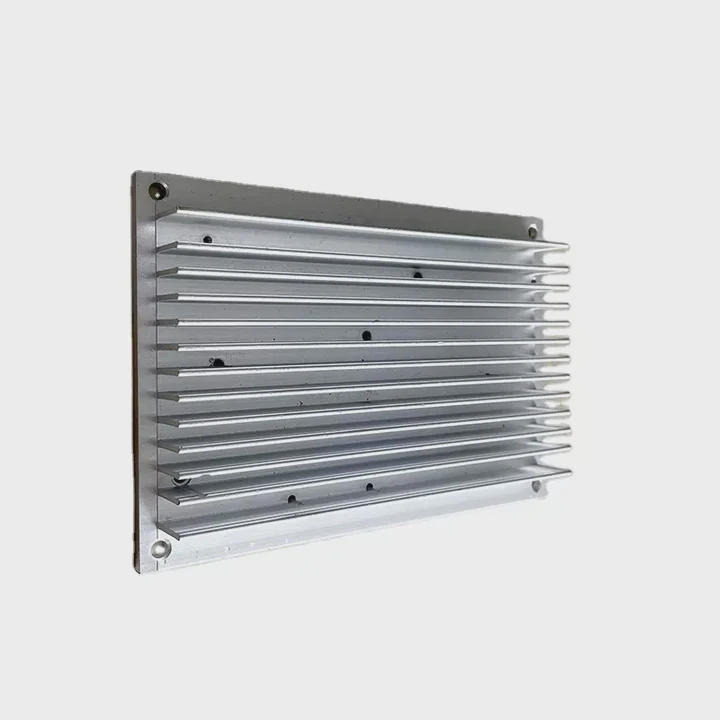
Oem Skived Fin Heatsink Aluminum Radiator For Plants
19 Mar,2026
Water Cooled Cnc Aluminum Heat Sink For Medical
19 Mar,2026
High Density 6000 Series Aluminum Heat Sink Profile
19 Mar,2026
High-Density Extruded Aluminum & Bonded-Fin Heat Sink Profile
19 Mar,2026
Recommend Categories
- Liquid cooling plate Manufacturer
- Industrial Heat Sink Manufacturer
- Standard Heat Sink Manufacturer
- Aluminum Heat Sink Manufacturer
- Copper Heat Sink Manufacturer
- Anodized Heatsink Manufacturer
- Stamping heat sink Manufacturer
- Die Casting Heatsink Manufacturer
- Soldering heat sink Manufacturer
- CNC Parts Manufacturer
Latest Products
- M.2 Heatpipe Heatsink With Dual Fans For Pc Case
- Heavy-Duty Aluminum Heat Sink Custom
- Oem Skived Fin Heatsink Aluminum Radiator For Plants
- Water Cooled Cnc Aluminum Heat Sink For Medical
- High Density 6000 Series Aluminum Heat Sink Profile
- High-Density Extruded Aluminum & Bonded-Fin Heat Sink Profile
- Dongguan Cnc Aluminum Heat Sink For Led & Brass Parts
- Wholesale Cnc Aluminum Heat Sink - Custom Extruded
- Led Cnc Round Heat Sink With Screw Holes
- Copper Pin-Fin Heat-Sink Large-Area For Photoled Cooling
- Telecom Heatsink Zipper Fin Wcopper Tubes Oem
Contact Expert
Have questions about this article? Reach out to our experts directly.