what heatsink fit amd epyc 7601?
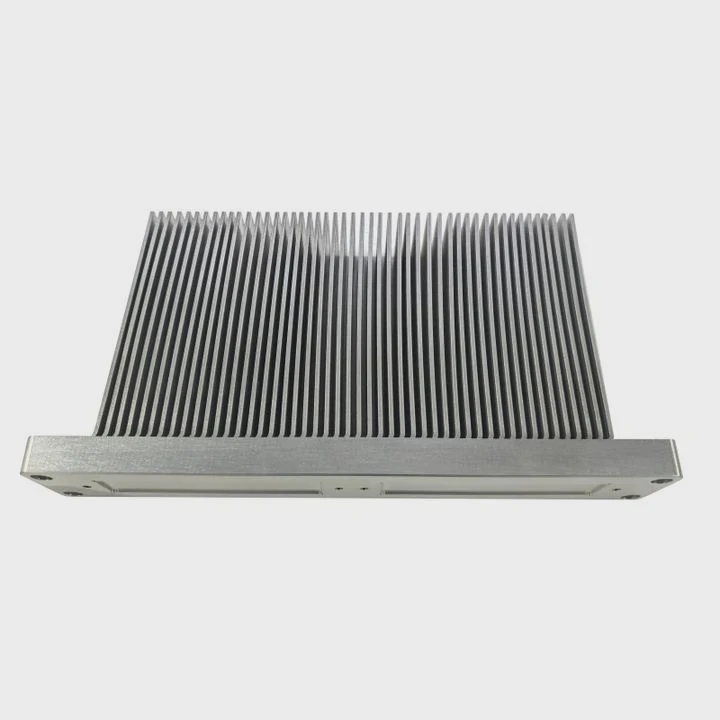
Many builders struggle to choose the right heatsink for the AMD EPYC 7601 because server CPUs run extremely hot and require specific mounting systems.
The EPYC 7601 uses the SP3 socket, so only SP3-compatible heatsinks or coolers built for high-TDP enterprise chips will fit. These coolers use special mounting brackets and powerful heatsink designs.
Some users try desktop coolers, but these do not fit SP3 hardware. Choosing the correct cooler avoids thermal issues and mounting failures.
Why socket type dictates compatibility?
Server CPU sockets differ a lot from desktop sockets. They use unique mounting frames, screw patterns, and thermal pressure requirements. A cooler that fits a desktop CPU cannot fit a large server board.
Socket type dictates compatibility because SP3 uses a specific mounting pattern, pressure load, and retention design that only SP3-rated heatsinks can match. Other sockets cannot secure the cooler or cover the massive CPU surface.
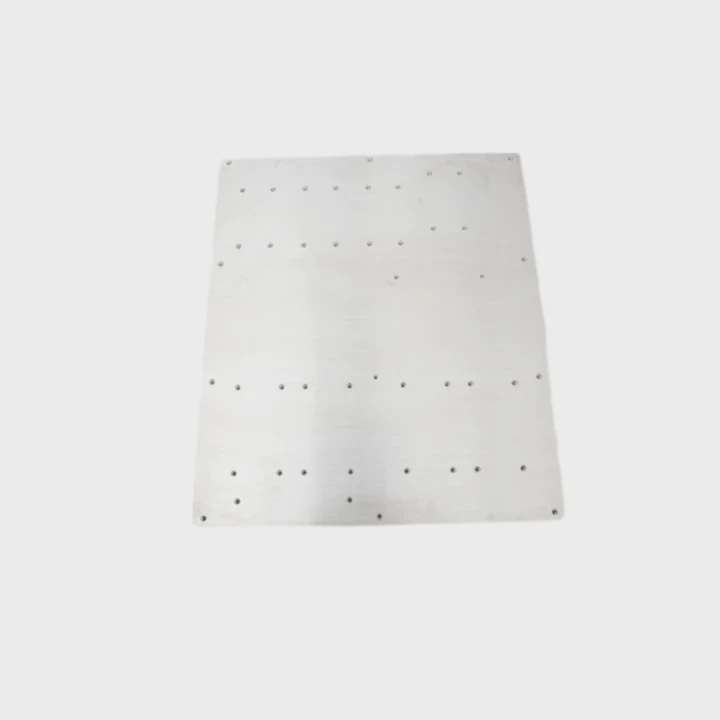
SP3 uses a large heat spreader
The EPYC 7601 has a wide integrated heat spreader designed for multi-die packages. Standard coolers cannot cover this surface properly. The SP3 socket needs a cooler with a large, flat base built for server CPUs.
Mounting holes follow a unique pattern
SP3 boards use a rectangular mounting hole pattern designed specifically for enterprise coolers. Coolers for AM4, AM5, TR4, or LGA sockets cannot align with SP3 holes.
Pressure requirements differ
SP3 coolers must apply even pressure across the CPU surface. Too much or too little pressure may damage the CPU or reduce contact with the heat spreader. SP3 coolers include torque-limited screws to ensure safe mounting.
Server airflow expectations
SP3 coolers rely on front-to-back airflow inside server chassis. These airflow channels depend on the cooler’s geometry. A cooler built for a different socket disrupts the airflow path.
Why SP3 defines cooler choice
- Unique mounting hole spacing
- Large CPU contact area
- Torque-limited screw design
- Server airflow orientation
- High TDP expectations
Table: Why socket matters for EPYC cooling
| Socket Feature | Impact on Cooler | Notes |
|---|---|---|
| Large IHS size | Requires huge base | Desktop coolers too small |
| Mounting hole layout | Needs SP3 bracket | Not compatible with other sockets |
| Pressure spec | Torque screws required | Protects CPU package |
| Airflow design | Matches server chassis | Optimized for rack cooling |
Only SP3-rated coolers match all these conditions.
Which SP3 coolers handle high TDP?
The EPYC 7601 has a high TDP, and large workloads make it run hot. A proper SP3 cooler needs powerful heat dissipation features such as large fin stacks or direct-airflow compatibility with server fans.
High-performance SP3 coolers include heavy aluminum fin towers, large copper baseplates, vapor chamber blocks, or 2U/4U server coolers designed to handle 180–250W loads. These coolers keep EPYC CPUs stable under sustained workloads.
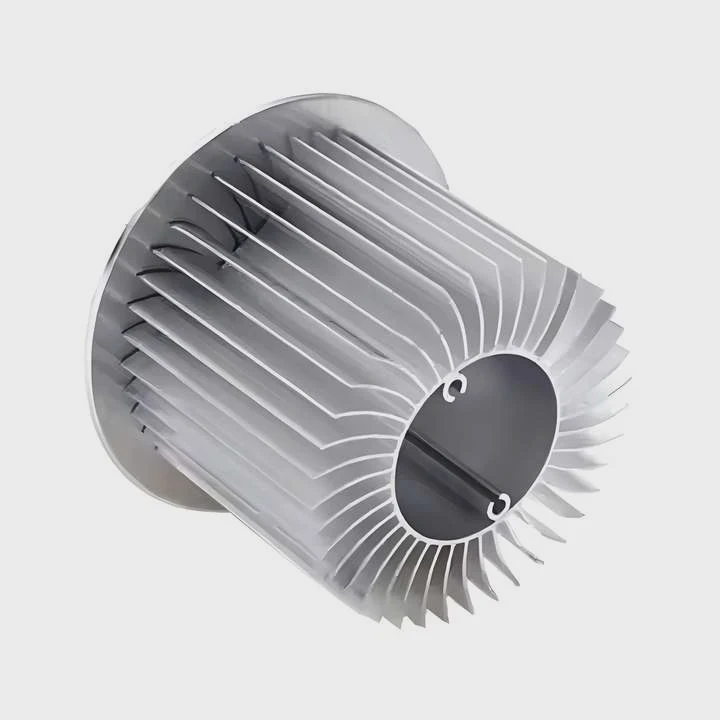
Tower-style SP3 heatsinks
Some workstation SP3 systems use large tower-style coolers. These coolers include many fins, heatpipes, and a strong copper base. They support variable airflow directions when installed in workstation cases.
2U and 4U enterprise coolers
Rack servers typically use 2U or 4U coolers built for high-speed fans. These coolers have low profiles but strong airflow channels that pair with server fan walls.
Vapor chamber SP3 blocks
Some coolers use vapor chambers to spread heat quickly across the heatsink surface. This design works well when cooling very large CPUs with multi-chip layouts.
Liquid cooling blocks for SP3
High-end custom workstations sometimes use SP3 liquid-cooling blocks. These blocks distribute coolant across large surface areas and support continuous heavy workloads.
Features of powerful SP3 coolers
- Wide copper base
- Dense fin arrays
- Heatpipe or vapor chamber technology
- Server-style airflow compatibility
- Torque-limited mounting screws
Table: SP3 cooler types and performance
| Cooler Type | TDP Handling | Best Use Case |
|---|---|---|
| Tower heatsink | Medium–high | Workstations |
| 2U rack cooler | Medium | Dense servers |
| 4U high-airflow cooler | High | Heavy compute loads |
| Liquid block | Very high | Advanced workstations |
The right cooler depends on the chassis style and the intended workload.
Can server coolers fit custom builds?
Many users want to build custom workstations using server CPUs such as the EPYC 7601. But server coolers often assume front‐to‐back airflow and specific chassis layouts.
Server coolers can fit custom builds if the case supports SP3 dimensions, airflow direction, and mounting clearance. Some coolers need special brackets or workstation-friendly mounting kits.
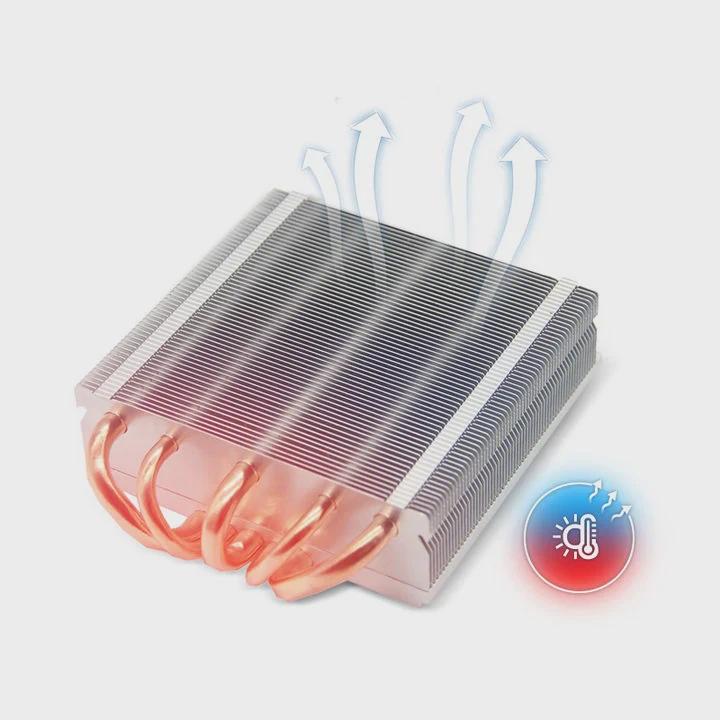
Server airflow vs workstation airflow
Server cases push air straight through the chassis, while workstation cases use a more open airflow path. Some SP3 coolers rely heavily on linear airflow; without it, cooling becomes weak.
Heatsink height varies between server and workstation coolers
Server heatsinks tend to be short and dense because they sit in low rack units. Workstation coolers may be taller. Fitting a tall SP3 cooler into a smaller PC case requires enough clearance.
Mounting brackets must match SP3 frame
Custom builds sometimes require alternative brackets to secure the cooler on workstation motherboards. As long as the bracket supports SP3 mounting points, the cooler can stay secure.
Fan compatibility
Most server heatsinks expect high-pressure fans. In custom builds, users may need to pair them with workstation fans or attach fan brackets manually.
When server coolers fit custom builds
- Case has enough vertical clearance
- Airflow direction matches cooler design
- SP3 mounting holes align with bracket
- Fan choice matches fin density
Server coolers work well in custom PCs when the build supports their mechanical and airflow requirements.
Do mounting brackets differ by vendor?
Not all SP3 coolers share the same bracket design. Some vendors design unique retention arms, torque screws, and plate shapes. This affects compatibility with different SP3 motherboards.
Mounting brackets differ by vendor because each cooler manufacturer uses specific retention frames, screw lengths, and mounting orientations. All must follow SP3 standards, but the hardware varies in shape and installation method.
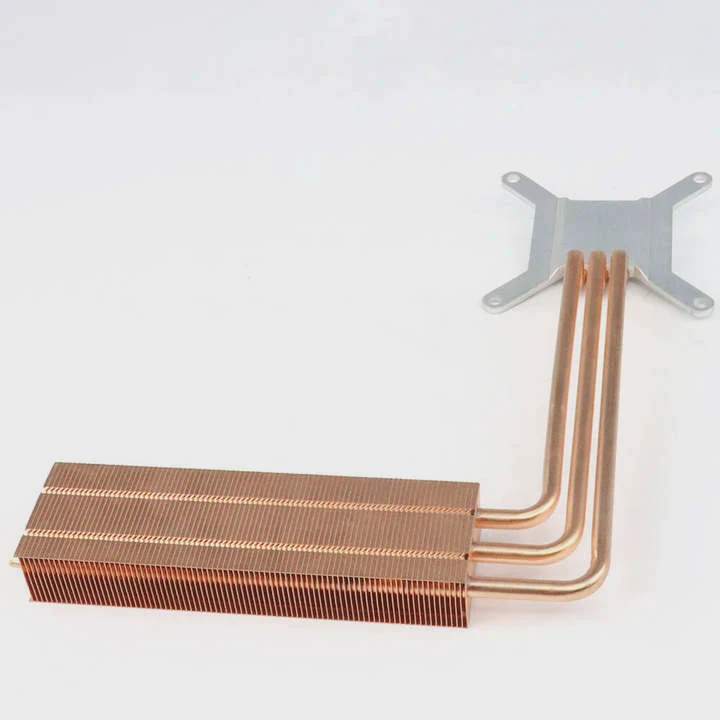
Torque-limited screws vary by brand
SP3 coolers often include torque screws that prevent over-tightening. Different manufacturers use different heads, torque ratings, and tightening sequences.
Retention frame shapes differ
Some coolers include square frames, others use rectangular ones. While spacing stays SP3-compliant, the shape can limit compatibility with nearby components.
Orientation differences
Some coolers mount horizontally, others vertically. Rotation depends on airflow and bracket design. This changes how the cooler fits in servers or workstation chassis.
Heatsink base sizes vary
All SP3 heatsinks cover the large CPU lid, but the base shape varies. Some include larger vapor chambers, others use smaller copper bases. The bracket must match the base.
Bracket differences that matter most
- Screw length and torque rating
- Retention frame shape
- Mounting orientation
- Clearance for surrounding components
- Baseplate compatibility
Choosing the correct bracket ensures the cooler fits the EPYC socket safely.
Conclusion
The AMD EPYC 7601 requires an SP3-compatible heatsink designed for high TDP workloads. Socket type dictates compatibility, SP3 coolers handle the heat efficiently, server coolers can fit custom builds if airflow and clearance match, and mounting brackets differ by vendor. With the right SP3 cooler, the EPYC 7601 stays cool and performs reliably during sustained heavy loads.
TAGS
Latest Articles

Volume discount levels for heat sink orders?
Buyers often ask when heat sink prices start to drop with volume. Many worry they’re overpaying for small orders. This guide explains how B2B volume pricing works for thermal components. Heat sink
21 Dec,2025
Heat sink long-term supply contract options?
Many buyers want stable pricing and reliable delivery for heat sinks. But without a clear contract, risks grow over time. This article explores how to secure better long-term supply deals. Long-term
21 Dec,2025
Tooling cost for new heat sink profiles?
Many engineers struggle to understand why tooling for custom heat sinks costs so much. They worry about budgeting and production timelines. This article breaks down the cost drivers behind tooling.
21 Dec,2025
Heat sink custom sample process steps?
Sometimes, starting a custom heat sink project feels overwhelming—too many steps, too many unknowns, and too many risks. You want a sample, but not endless delays. The process for requesting and
20 Dec,2025
Standard B2B terms for heat sink payments?
When buyers and sellers in B2B heat sink markets talk about payment, many don’t fully understand what’s standard. This can lead to delayed orders, miscommunication, and even lost business
20 Dec,2025
Heat sink pricing factors for large orders?
Heat sinks are vital for many systems. When prices rise, projects stall and budgets break. This problem can hit teams hard without warning. Large order heat sink pricing depends on many factors. You
20 Dec,2025Related Articles
- can you upgrade a laptop cpu heatsink?
- what is a gpu heatsink?
- can't find sandevistan heatsink?
- is heatsink necessary for m.2?
- how to stick heatsink to chip?
- how to make a water cooling heatsink?
- can you tightnen a heatsink to much?
- how to remove heatsink from ssd?
- does lg g2 have heatsink?
- how to apply heatsink to ssd?
- how to remove g skill trident z ddr heatsink?
- how to clean heatsink on ps4?
Author
Dr. Emily Chen
Chief AI Researcher
Leading expert in thermal dynamics and AI optimization with over 15 years of experience in data center efficiency research.
Categories
Latest Products
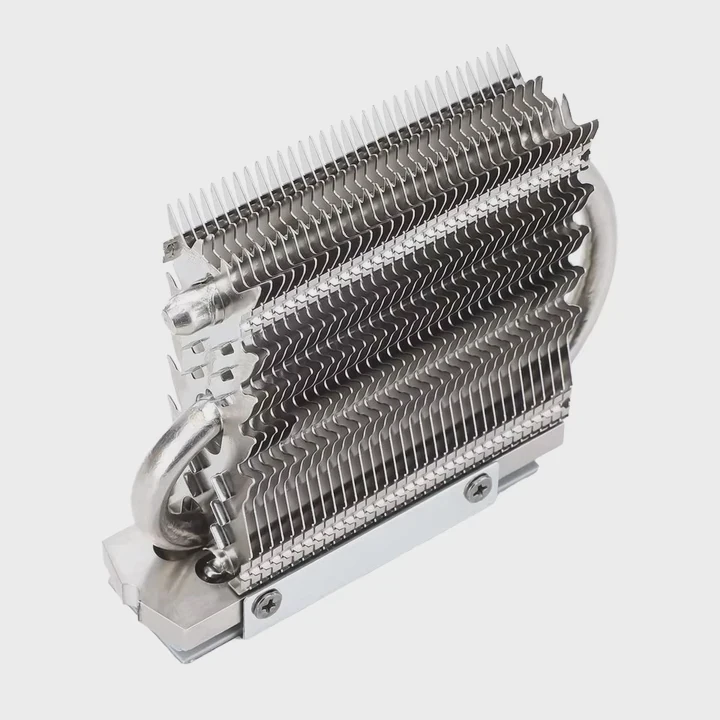
M.2 Heatpipe Heatsink With Dual Fans For Pc Case
19 Mar,2026
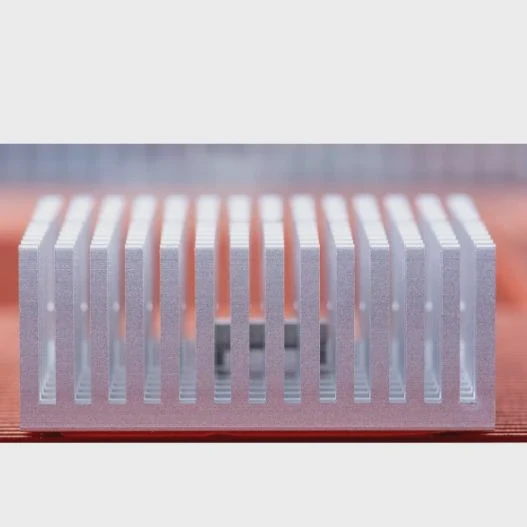
Heavy-Duty Aluminum Heat Sink Custom
19 Mar,2026
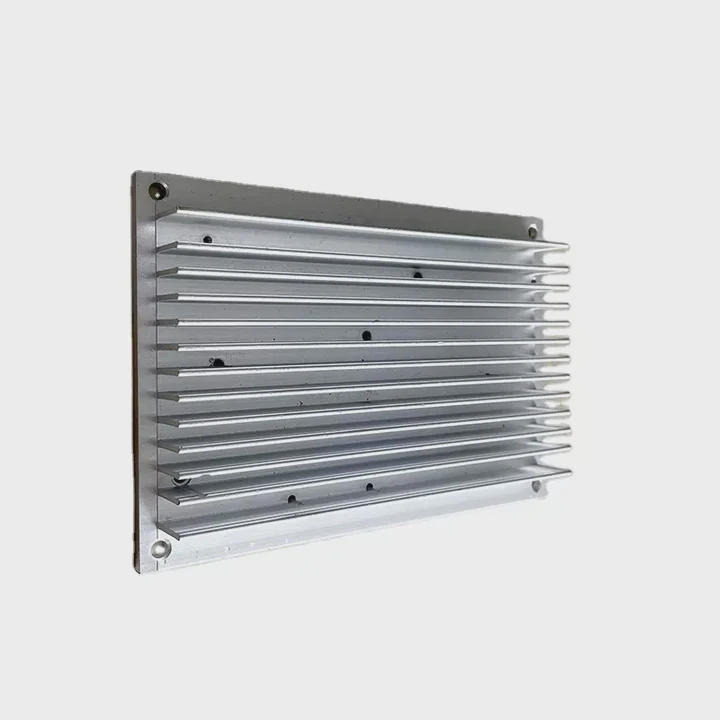
Oem Skived Fin Heatsink Aluminum Radiator For Plants
19 Mar,2026
Water Cooled Cnc Aluminum Heat Sink For Medical
19 Mar,2026
High Density 6000 Series Aluminum Heat Sink Profile
19 Mar,2026
High-Density Extruded Aluminum & Bonded-Fin Heat Sink Profile
19 Mar,2026
Recommend Categories
- Liquid cooling plate Manufacturer
- Industrial Heat Sink Manufacturer
- Standard Heat Sink Manufacturer
- Aluminum Heat Sink Manufacturer
- Copper Heat Sink Manufacturer
- Anodized Heatsink Manufacturer
- Stamping heat sink Manufacturer
- Die Casting Heatsink Manufacturer
- Soldering heat sink Manufacturer
- CNC Parts Manufacturer
Latest Products
- M.2 Heatpipe Heatsink With Dual Fans For Pc Case
- Heavy-Duty Aluminum Heat Sink Custom
- Oem Skived Fin Heatsink Aluminum Radiator For Plants
- Water Cooled Cnc Aluminum Heat Sink For Medical
- High Density 6000 Series Aluminum Heat Sink Profile
- High-Density Extruded Aluminum & Bonded-Fin Heat Sink Profile
- Dongguan Cnc Aluminum Heat Sink For Led & Brass Parts
- Wholesale Cnc Aluminum Heat Sink - Custom Extruded
- Led Cnc Round Heat Sink With Screw Holes
- Copper Pin-Fin Heat-Sink Large-Area For Photoled Cooling
- Telecom Heatsink Zipper Fin Wcopper Tubes Oem
Contact Expert
Have questions about this article? Reach out to our experts directly.