does lg g2 have heatsink?
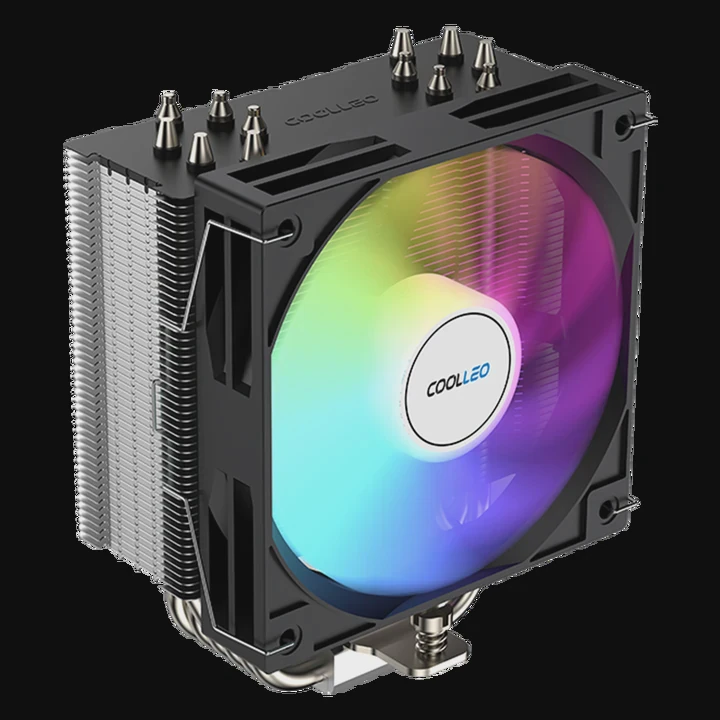
Many users wonder if the LG G2 includes a traditional heatsink like those found in laptops or PCs, especially because phones can get warm during gaming or multitasking.
The LG G2 does not use a metal block heatsink. Instead, it uses thin thermal spreaders such as graphite sheets, copper films, and internal metal layers to move heat across the phone body.
Some people expect a visible heatsink, but smartphones rely on lightweight thermal solutions.
Which components need thermal spreaders?
Smartphones use multiple chips that produce heat during normal use. Instead of large coolers, they rely on thin layers that spread heat across the internal frame.
Key components that need thermal spreaders include the main processor, power management chip, RF modules, and charging circuits because these parts generate the most heat.
Processor is the main heat source
The LG G2 uses a powerful mobile CPU for its time. This chip warms quickly under load. A thermal spreader helps avoid local high temperatures and stabilizes performance.
Power management IC heats up during charging
The PMIC controls battery charging and voltage regulation. It creates steady heat when fast charging or running high-demand apps.
RF chips warm during data transmission
Modems, Wi-Fi modules, and antenna circuits heat up when transferring data. A spreader keeps these parts cool enough to avoid signal issues.
Display driver components contribute heat
The driver IC behind the screen produces heat during brightness changes and screen refresh processes. Spreading this heat improves durability.
Why these components need heat spreading
- Local hotspots reduce performance
- Heat impacts battery health
- RF chips need stable temperature
- Thin phone bodies trap heat
- Spreaders protect long-term stability
Table: Components and their heat behavior
| Component | Heat Level | Reason |
|---|---|---|
| CPU / SoC | High | Heavy processing |
| PMIC | Medium-high | Charging regulation |
| RF modules | Medium | Wireless signals |
| Display driver | Medium | Screen operation |
These parts rely on spreaders instead of bulk heatsinks.
Why phones use graphite layers?
Graphite is one of the most efficient materials for spreading heat in thin spaces. It moves heat sideways across its surface without adding thickness or weight.
Phones use graphite layers because they are ultra-thin, lightweight, flexible, and excellent at moving heat across the device frame, preventing hotspots without adding thick metal heatsinks.
Graphite spreads heat fast
Graphite conducts heat much faster across its surface than many metals. This helps move heat from the CPU toward the middle frame and back cover.
Extremely thin and lightweight
Graphite sheets are microns thick. They add almost no weight and fit behind displays or inside tight compartments.
Flexible and shock-resistant
Unlike metal plates, graphite bends without cracking. This is important because smartphone components move slightly under pressure.
No electrical conductivity issues
Graphite is engineered to avoid short-circuits. It is safe to place near sensitive chips or the battery.
Why graphite is used widely
- Very thin
- Very light
- High surface conductivity
- Safe around electronics
- Low manufacturing cost
Table: Benefits of graphite vs metal spreaders
| Material | Thickness | Heat Spread | Flexibility |
|---|---|---|---|
| Graphite | Very thin | High | Very high |
| Copper film | Thin | Medium-high | Medium |
| Aluminum sheet | Medium | Medium | Low |
Graphite is ideal for smartphones where space is extremely limited.
Can vapor chambers replace heatsinks?
Some newer phones use vapor chambers. These devices act like miniature heat pipes, spreading heat fast across a metal plate.
Vapor chambers can replace traditional heatsinks because they transfer heat through evaporation and condensation inside a sealed metal plate. They cool large surfaces evenly without thick metal blocks.
How vapor chambers work
A vapor chamber contains a small amount of liquid. When the chip heats up, this liquid evaporates and moves to cooler areas of the chamber. It then condenses and cycles back.
Effective for gaming and heavy loads
Phones with vapor chambers manage heat better during long gaming or video recording sessions. They keep temperatures more stable than graphite alone.
Larger surface area than pads
A vapor chamber spreads heat over a metal plate much wider than the chip. This helps prevent the “hot spot” problem common in slim phones.
Flexible design for modern phones
Vapor chambers can be shaped to match phone frames. They are still thin enough to fit behind batteries or displays.
Why vapor chambers improve cooling
- Spread heat faster
- Cover large surfaces
- Lower peak temperatures
- Handle sustained workloads
- More stable performance
Vapor chambers are becoming more common in high-end phones, but older models like the LG G2 did not use them.
Do compact designs limit cooling?
Smartphones are extremely compact devices. Even small changes in thickness affect layout, battery size, and overall design quality.
Compact designs limit cooling because they restrict heatsink size, reduce airflow, limit spreader thickness, and force all components into tight contact. This makes heat harder to dissipate.
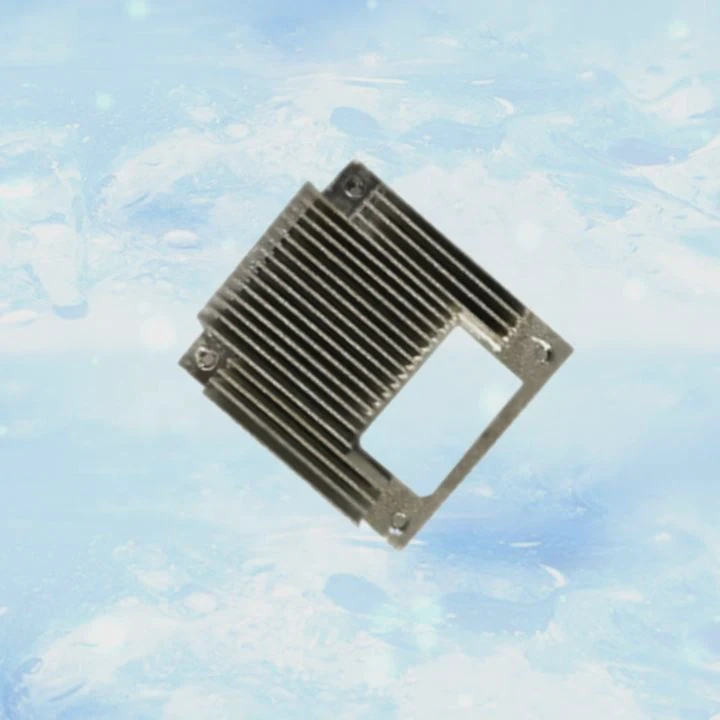
No space for traditional heatsinks
Phones cannot include big metal blocks because they must stay thin. Even a few extra millimeters would affect weight and design.
Batteries occupy large space
Batteries take up most of the interior. Cooling structures must fit around them without compromising safety.
Limited airflow inside phones
Phones lack fans. They rely on passive spreading only. Heat moves through materials rather than airflow.
Components sit very close together
When chips sit near each other, heat spreads quickly across the interior. Limited spacing worsens this effect.
Why compact size limits cooling
- No airflow system
- Minimal metal surfaces
- Battery blocks spreader paths
- Zero space for thick coolers
- Thin frames heat quickly
Because of these limits, phones use graphite and thin copper layers instead of heatsinks.
Conclusion
The LG G2 does not use a traditional heatsink. Instead, it relies on graphite sheets, copper films, and thin spreaders to move heat across the device. Key components like the CPU and PMIC need these layers, vapor chambers are used in newer devices, and compact smartphone designs limit cooling options. Lightweight spreaders keep the LG G2 stable without bulky cooling hardware.
TAGS
Latest Articles

Volume discount levels for heat sink orders?
Buyers often ask when heat sink prices start to drop with volume. Many worry they’re overpaying for small orders. This guide explains how B2B volume pricing works for thermal components. Heat sink
21 Dec,2025
Heat sink long-term supply contract options?
Many buyers want stable pricing and reliable delivery for heat sinks. But without a clear contract, risks grow over time. This article explores how to secure better long-term supply deals. Long-term
21 Dec,2025
Tooling cost for new heat sink profiles?
Many engineers struggle to understand why tooling for custom heat sinks costs so much. They worry about budgeting and production timelines. This article breaks down the cost drivers behind tooling.
21 Dec,2025
Heat sink custom sample process steps?
Sometimes, starting a custom heat sink project feels overwhelming—too many steps, too many unknowns, and too many risks. You want a sample, but not endless delays. The process for requesting and
20 Dec,2025
Standard B2B terms for heat sink payments?
When buyers and sellers in B2B heat sink markets talk about payment, many don’t fully understand what’s standard. This can lead to delayed orders, miscommunication, and even lost business
20 Dec,2025
Heat sink pricing factors for large orders?
Heat sinks are vital for many systems. When prices rise, projects stall and budgets break. This problem can hit teams hard without warning. Large order heat sink pricing depends on many factors. You
20 Dec,2025Related Articles
- how to remove heatsink from ssd?
- can you tightnen a heatsink to much?
- what heatsink fit amd epyc 7601?
- can you upgrade a laptop cpu heatsink?
- what is a gpu heatsink?
- can't find sandevistan heatsink?
- how to apply heatsink to ssd?
- how to remove g skill trident z ddr heatsink?
- how to clean heatsink on ps4?
- what happens when you remove a cpu heatsink?
- do i need a heatsink fan with new cpu?
- is nvme heatsink necessary?
Author
Dr. Emily Chen
Chief AI Researcher
Leading expert in thermal dynamics and AI optimization with over 15 years of experience in data center efficiency research.
Categories
Latest Products
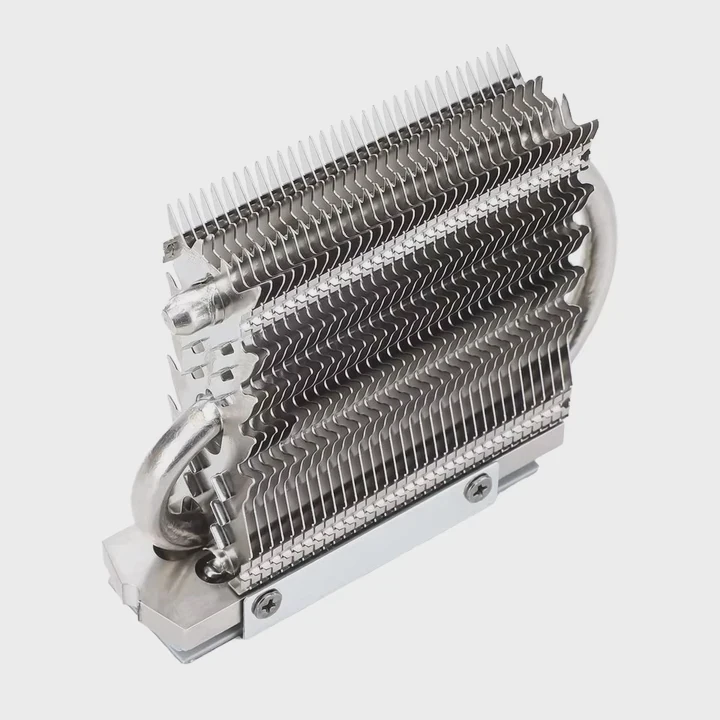
M.2 Heatpipe Heatsink With Dual Fans For Pc Case
19 Mar,2026
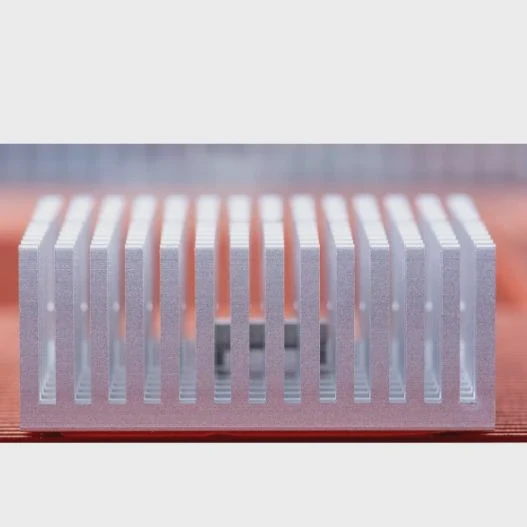
Heavy-Duty Aluminum Heat Sink Custom
19 Mar,2026
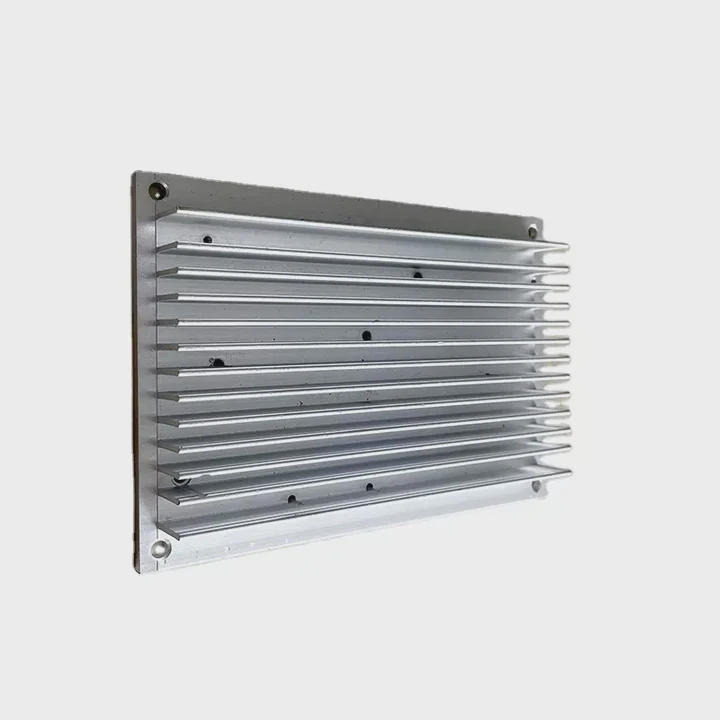
Oem Skived Fin Heatsink Aluminum Radiator For Plants
19 Mar,2026
Water Cooled Cnc Aluminum Heat Sink For Medical
19 Mar,2026
High Density 6000 Series Aluminum Heat Sink Profile
19 Mar,2026
High-Density Extruded Aluminum & Bonded-Fin Heat Sink Profile
19 Mar,2026
Recommend Categories
- Liquid cooling plate Manufacturer
- Industrial Heat Sink Manufacturer
- Standard Heat Sink Manufacturer
- Aluminum Heat Sink Manufacturer
- Copper Heat Sink Manufacturer
- Anodized Heatsink Manufacturer
- Stamping heat sink Manufacturer
- Die Casting Heatsink Manufacturer
- Soldering heat sink Manufacturer
- CNC Parts Manufacturer
Latest Products
- M.2 Heatpipe Heatsink With Dual Fans For Pc Case
- Heavy-Duty Aluminum Heat Sink Custom
- Oem Skived Fin Heatsink Aluminum Radiator For Plants
- Water Cooled Cnc Aluminum Heat Sink For Medical
- High Density 6000 Series Aluminum Heat Sink Profile
- High-Density Extruded Aluminum & Bonded-Fin Heat Sink Profile
- Dongguan Cnc Aluminum Heat Sink For Led & Brass Parts
- Wholesale Cnc Aluminum Heat Sink - Custom Extruded
- Led Cnc Round Heat Sink With Screw Holes
- Copper Pin-Fin Heat-Sink Large-Area For Photoled Cooling
- Telecom Heatsink Zipper Fin Wcopper Tubes Oem
Contact Expert
Have questions about this article? Reach out to our experts directly.