what is a gpu heatsink?
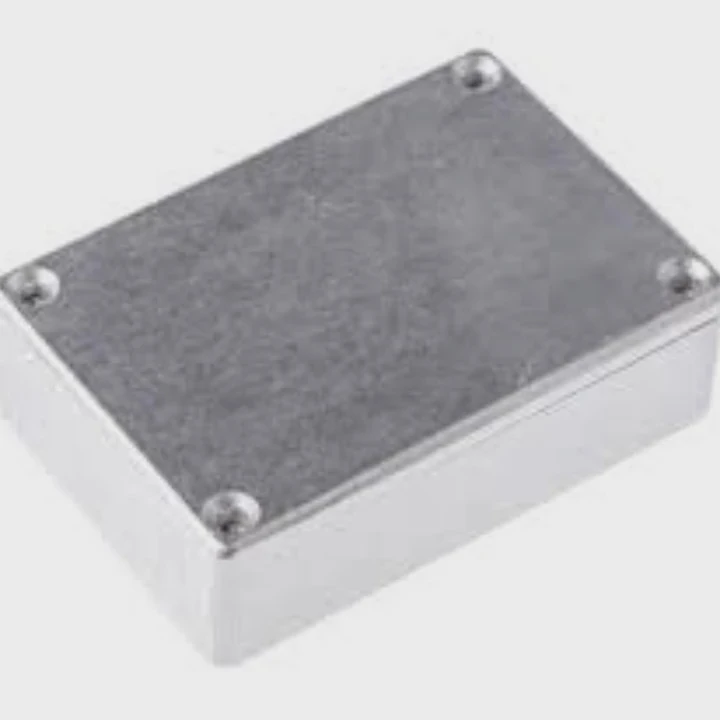
Many users wonder how a GPU manages heat even though modern graphics cards handle massive workloads and push high power levels.
A GPU heatsink is a metal cooling device that absorbs heat from the graphics processor and spreads it across fins so airflow can remove it effectively. It protects the GPU from overheating and performance loss.
Some people think only fans matter, but the heatsink does most of the thermal work. Understanding it helps you choose better cooling solutions.
Why do GPUs generate high heat?
Graphics cards run many parallel operations at once. Their architecture is designed to handle large data sets and complex graphics workloads, which produce a lot of heat.
GPUs generate high heat because they process thousands of threads, use dense transistor layouts, and draw large amounts of power during rendering, gaming, and compute tasks. This heavy load creates rapid thermal buildup.
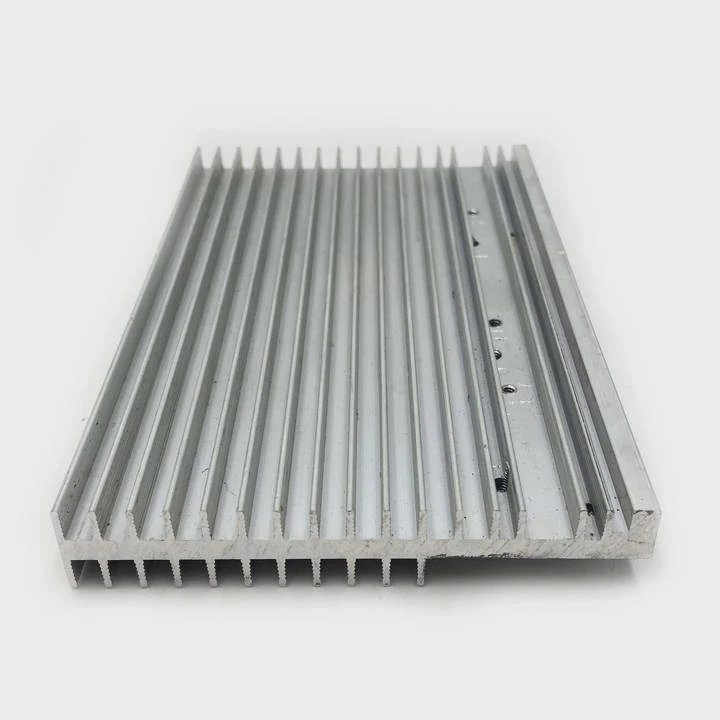
Why GPU architecture creates heat
A GPU includes many small processing cores that work in parallel. These cores switch rapidly, and each switch produces energy. The combined effect of these thousands of cores generates intense heat.
Power draw increases temperature
Modern GPUs can draw between 150W and 450W or more. When power increases, electrical resistance creates heat. This makes cooling a critical part of GPU design.
VRAM and VRMs add extra heat
Memory chips near the GPU die also warm up during intense tasks. Voltage regulation modules add additional heat, making the entire board a hot environment during gaming.
Heavy workloads push GPUs to limits
Tasks like ray tracing, 3D rendering, machine learning, and high-resolution gaming push the GPU into constant high load. Heat rises quickly without proper cooling support.
### Why GPU heat must be managed well
- Protects GPU die
- Prevents clock throttling
- Maintains stable frame rates
- Avoids long-term degradation
- Supports power efficiency
Table: GPU components that generate heat
| Component | Heat Output | Notes |
|---|---|---|
| GPU die | Very high | Main heat source |
| VRAM | Medium | Warms during large data tasks |
| VRMs | High | Regulate power for GPU |
| PCB | Medium | Stores residual heat |
These factors make GPUs some of the hottest components inside a PC.
How do fins spread thermal load?
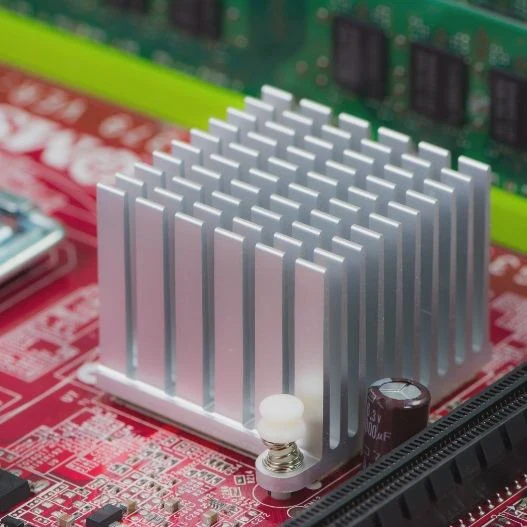
The heatsink is built around fins. These thin metal pieces help move heat from the GPU into the air. Without fins, the heatsink would not work well.
Fins spread thermal load by increasing surface area, allowing heat to move from the metal base into the surrounding air more efficiently. More fins mean quicker heat dissipation.
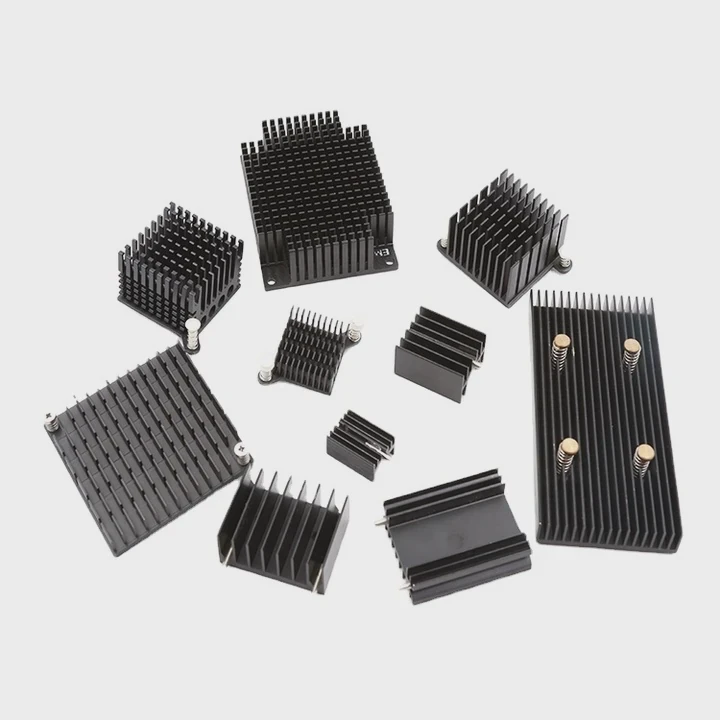
How heat spreads from base to fins
The base of the heatsink contacts the GPU through thermal paste. Heat moves into the base, then into the fins. The fins hold the heat until airflow removes it.
Thin fins improve cooling
Thin fins allow more surfaces for air to pass over. This helps heat escape faster. The surface area of a fin stack is far larger than the flat surface of the GPU.
Airflow moves heat off fins
Fans push cool air across the fins. As air travels through the fin stack, it absorbs heat. Hot air leaves the cooler, and cool air enters again.
Fin density matters
More fins usually mean better heat dissipation. But too many fins may block airflow. Designers balance fin spacing with airflow strength.
### Why fins improve performance
- Increase total heat surface
- Support constant airflow
- Prevent hot spots
- Balance heat across the metal block
Table: Fin design impact
| Fin Feature | Effect on Cooling | Benefit |
|---|---|---|
| High density | Faster heat removal | Better thermal control |
| Thin fins | More surface area | Strong performance |
| Wide spacing | Better airflow | Useful for weak fans |
| Thick fins | Strong structure | Useful for blower coolers |
Fins remain one of the most important design features in a GPU heatsink.
Which materials cool most efficiently?
The choice of metal affects how fast the heatsink absorbs and spreads heat. Different GPUs use different materials depending on cost and performance goals.
Copper and aluminum are the most common materials because they balance conductivity, weight, and durability. Copper spreads heat faster, while aluminum reduces weight and cost.
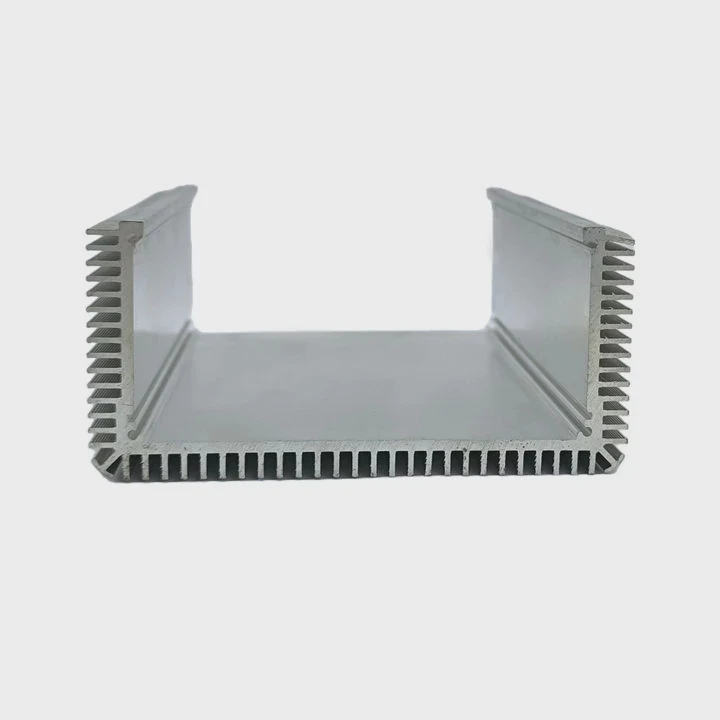
Copper conducts heat extremely well
Copper has excellent thermal conductivity. Many high-end GPU coolers use copper bases or heat pipes because they pull heat from the GPU die quickly.
Aluminum improves cost and weight
Aluminum weighs less and costs less to manufacture. It is ideal for fins because it keeps the cooler light and offers strong performance when paired with a copper base.
Heat pipes combine both metals
Copper heat pipes move heat from the GPU to the fin stack. These pipes often include working fluids that improve heat transfer through phase changes.
Nickel plating adds protection
Some coolers use nickel-plated copper to protect the surface from oxidation and offer a smooth finish. It does not improve heat performance significantly but increases durability.
### Why material choice matters
- Conductivity affects temperature
- Weight influences GPU sag
- Material strength impacts longevity
- Cost changes final product price
Table: Metal materials and their thermal properties
| Material | Conductivity | Weight | Notes |
|---|---|---|---|
| Copper | Very high | Heavy | Best for bases and pipes |
| Aluminum | Medium | Light | Best for fins |
| Nickel plating | Medium | Medium | Protects copper |
| Composite alloys | Varies | Medium | Used in special coolers |
Choosing the right mix of copper and aluminum leads to efficient and affordable GPU heatsinks.
Do fans enhance heatsink performance?
A heatsink alone can absorb heat, but it cannot move heat away fast enough without airflow. Fans complete the cooling system by removing hot air continuously.
Fans enhance heatsink performance by pushing cool air through the fins, increasing heat removal rate, reducing GPU temperature, and preventing throttling under heavy load.
Fans work with fins to improve airflow
Air entering the heatsink must travel between fins. Fans push fresh air into the fin stack and expel hot air, speeding up thermal transfer.
Higher RPM increases cooling
When fans spin faster, more air passes through the cooler. This reduces temperature quickly but may increase noise.
Multiple fans add stability
Most modern GPUs use two or three fans. This spreads airflow evenly across the heatsink. If one fan slows down, the others maintain cooling.
Fan size and blade shape matter
Large fans move more air at lower speeds. Blade design affects how well the fan pushes air through dense fin arrays.
### Why fans are essential for powerful GPUs
- Improve heat removal
- Support long gaming hours
- Keep clock speeds stable
- Prevent throttling during boosts
- Maintain VRAM and VRM cooling
Fans turn the heatsink from a passive device into an active cooling system.
Conclusion
A GPU heatsink is a metal cooling device that absorbs heat from the graphics processor and spreads it across fins. GPUs generate high heat, so fins increase surface area and airflow removes heat quickly. Copper and aluminum provide the best material balance, and fans enhance the heatsink’s performance by pushing air through the fin structure. Together, they ensure the GPU stays cool, fast, and stable during heavy workloads.
TAGS
Latest Articles

Volume discount levels for heat sink orders?
Buyers often ask when heat sink prices start to drop with volume. Many worry they’re overpaying for small orders. This guide explains how B2B volume pricing works for thermal components. Heat sink
21 Dec,2025
Heat sink long-term supply contract options?
Many buyers want stable pricing and reliable delivery for heat sinks. But without a clear contract, risks grow over time. This article explores how to secure better long-term supply deals. Long-term
21 Dec,2025
Tooling cost for new heat sink profiles?
Many engineers struggle to understand why tooling for custom heat sinks costs so much. They worry about budgeting and production timelines. This article breaks down the cost drivers behind tooling.
21 Dec,2025
Heat sink custom sample process steps?
Sometimes, starting a custom heat sink project feels overwhelming—too many steps, too many unknowns, and too many risks. You want a sample, but not endless delays. The process for requesting and
20 Dec,2025
Standard B2B terms for heat sink payments?
When buyers and sellers in B2B heat sink markets talk about payment, many don’t fully understand what’s standard. This can lead to delayed orders, miscommunication, and even lost business
20 Dec,2025
Heat sink pricing factors for large orders?
Heat sinks are vital for many systems. When prices rise, projects stall and budgets break. This problem can hit teams hard without warning. Large order heat sink pricing depends on many factors. You
20 Dec,2025Related Articles
- can't find sandevistan heatsink?
- is heatsink necessary for m.2?
- how to stick heatsink to chip?
- how to make a water cooling heatsink?
- do you need a heatsink for m.2 ssd for pc?
- what should heatsinks be made of?
- can you upgrade a laptop cpu heatsink?
- what heatsink fit amd epyc 7601?
- can you tightnen a heatsink to much?
- how to remove heatsink from ssd?
- does lg g2 have heatsink?
- how to apply heatsink to ssd?
Author
Dr. Emily Chen
Chief AI Researcher
Leading expert in thermal dynamics and AI optimization with over 15 years of experience in data center efficiency research.
Categories
Latest Products
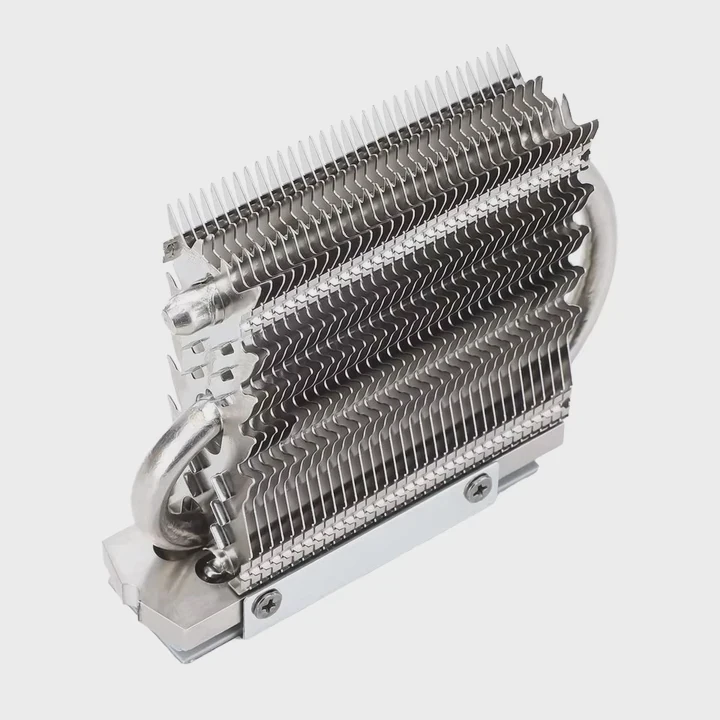
M.2 Heatpipe Heatsink With Dual Fans For Pc Case
19 Mar,2026
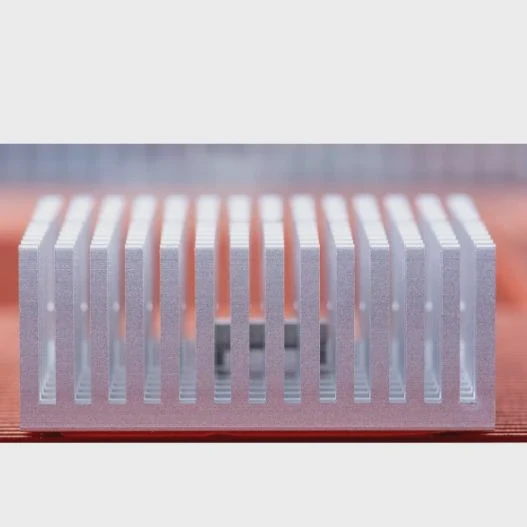
Heavy-Duty Aluminum Heat Sink Custom
19 Mar,2026
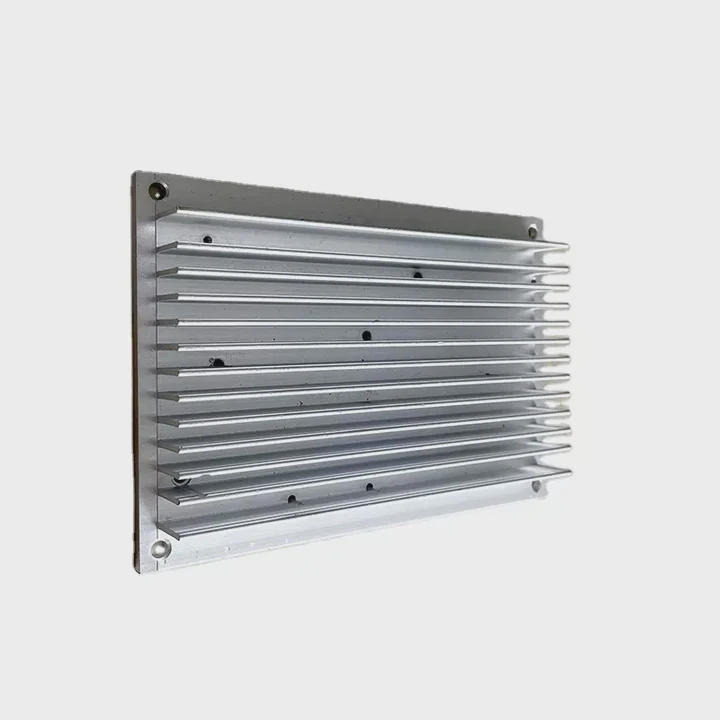
Oem Skived Fin Heatsink Aluminum Radiator For Plants
19 Mar,2026
Water Cooled Cnc Aluminum Heat Sink For Medical
19 Mar,2026
High Density 6000 Series Aluminum Heat Sink Profile
19 Mar,2026
High-Density Extruded Aluminum & Bonded-Fin Heat Sink Profile
19 Mar,2026
Recommend Categories
- Liquid cooling plate Manufacturer
- Industrial Heat Sink Manufacturer
- Standard Heat Sink Manufacturer
- Aluminum Heat Sink Manufacturer
- Copper Heat Sink Manufacturer
- Anodized Heatsink Manufacturer
- Stamping heat sink Manufacturer
- Die Casting Heatsink Manufacturer
- Soldering heat sink Manufacturer
- CNC Parts Manufacturer
Latest Products
- M.2 Heatpipe Heatsink With Dual Fans For Pc Case
- Heavy-Duty Aluminum Heat Sink Custom
- Oem Skived Fin Heatsink Aluminum Radiator For Plants
- Water Cooled Cnc Aluminum Heat Sink For Medical
- High Density 6000 Series Aluminum Heat Sink Profile
- High-Density Extruded Aluminum & Bonded-Fin Heat Sink Profile
- Dongguan Cnc Aluminum Heat Sink For Led & Brass Parts
- Wholesale Cnc Aluminum Heat Sink - Custom Extruded
- Led Cnc Round Heat Sink With Screw Holes
- Copper Pin-Fin Heat-Sink Large-Area For Photoled Cooling
- Telecom Heatsink Zipper Fin Wcopper Tubes Oem
Contact Expert
Have questions about this article? Reach out to our experts directly.