how to remove heatsink from ssd?
Many users want to remove an SSD heatsink to swap drives, upgrade cooling, or move the SSD into a new motherboard slot. But strong adhesive pads make removal difficult.
To remove a heatsink from an SSD, you must soften the adhesive, use gentle prying tools, support the SSD to avoid bending, and separate the parts slowly to prevent damage to the controller and NAND chips.
Some people pull quickly and break the drive. A careful approach protects both the SSD and its delicate components.
Why adhesive pads resist removal?
SSD heatsink pads must stick firmly to transfer heat. These pads often become stronger over time, especially after repeated heating cycles inside a PC.
Adhesive thermal pads resist removal because they form tight mechanical bonds, fill surface gaps, and remain flexible while gripping both the heatsink and SSD components firmly. Heat cycles strengthen the bond further.
Pads grip irregular surfaces tightly
SSD controllers and NAND chips do not have perfectly smooth surfaces. Thermal pads conform to these uneven shapes and grip the contours. This increases resistance when separating the heatsink.
Heat cycles strengthen the bond
When the SSD heats up during heavy use, the thermal pad softens and settles deeper into surface gaps. Once cooled, it hardens again. Repeated cycles make the bond tighter.
Pads stretch instead of breaking cleanly
Many pads stretch like rubber. When you pull the heatsink, the pad stretches but does not release evenly. This makes removal slow and difficult.
Some heatsinks use semi-adhesive pads
Higher-end heatsinks sometimes use pads with mild adhesive properties to ensure better pressure contact. These pads stick stronger than standard silicone pads.
Why pads resist removal
- Conform to uneven SSD surfaces
- Strengthen with heat cycles
- Stretch instead of releasing
- Cover large surface areas
- Maintain grip for thermal reliability
Table: Types of thermal pads and stickiness level
| Pad Type | Adhesion Strength | Notes |
|---|---|---|
| Silicone pad | Medium | Common on most heatsinks |
| Semi-adhesive pad | High | Used on premium coolers |
| Soft gel pad | Medium-high | Conforms tightly |
| Hard rubber pad | Low | Rare, easier to remove |
Thermal pads resist removal because they are designed to stay firmly attached for stable heat transfer.
Which tools help gentle prying?
Removing an SSD heatsink safely requires gentle leverage. Using the wrong tool can scratch components or bend the SSD.
The best tools for gentle prying include plastic spudgers, nylon picks, thin cards, and small opening wedges designed for electronics. These tools apply controlled pressure without scratching the SSD.
Plastic spudgers protect components
Plastic tools offer enough leverage to lift the heatsink while avoiding metal-to-metal contact. They reduce the risk of gouging the PCB or scraping solder joints.
Nylon picks fit into tiny gaps
Thin nylon picks slide between the heatsink and SSD, helping to separate the pad slowly. Their flexibility allows careful movement without bending the SSD.
Old credit cards or plastic cards
Thin cards are ideal for pushing between wide surfaces. They bend slightly and help lift a corner before switching to a stronger tool.
Avoid metal tools when possible
Metal screwdrivers or knives can scratch components or cut into the pad unevenly. Use metal tools only if no plastic tool can fit, and move gently.
Tools that help safe removal
- Plastic spudgers
- Nylon opening picks
- Thin plastic cards
- Small plastic wedges
- Low-strength prying bars
Using proper tools ensures the SSD remains undamaged during the process.
Can heating soften sticky pads?
Thermal pads soften when warm. Applying controlled heat makes removal easier and reduces the pulling force on the SSD.
Heating can soften sticky pads and make separation easier, as warm pads lose resistance and release from the SSD surface more smoothly. Controlled temperature prevents damage.
Low gentle heat works best
Heating the heatsink gently to around 40–50°C softens the thermal pad. This can be done using a hair dryer, warm air gun set to low, or placing the SSD in a warm environment briefly.
Avoid direct high heat
Excessive heat can damage NAND flash or the controller. Never point a high-temperature heat gun directly at the SSD. Indirect warm airflow is safest.
Heat breaks pad surface tension
When pads warm, they lose their grip and become flexible. This reduces the amount of force needed to pull the heatsink away.
Use heat in combination with prying
Heating alone is often not enough. Warm the pad, gently pry a small corner, then reheat if the pad begins resisting again.
Why heating helps
- Softens adhesive properties
- Reduces pad elasticity
- Minimizes pulling force
- Prevents tearing or stretching
- Allows cleaner separation
Table: Safe heating methods
| Method | Temperature Control | Safety Level |
|---|---|---|
| Hair dryer (low) | Easy | High |
| Heat gun (low, indirect) | Adjustable | Medium |
| Warm room/ambient heat | Low control | Very high |
| Direct high heat | Unsafe | Very low |
Gentle heating is one of the safest ways to reduce pad resistance.
Should SSD be supported to avoid bending?
M.2 drives are long, thin, and fragile. Pulling a heatsink without supporting the SSD can bend the PCB, damage solder joints, or break components.
The SSD must be supported during heatsink removal because the PCB is thin and can bend or crack under uneven pulling force. Holding the SSD firmly keeps the board stable.
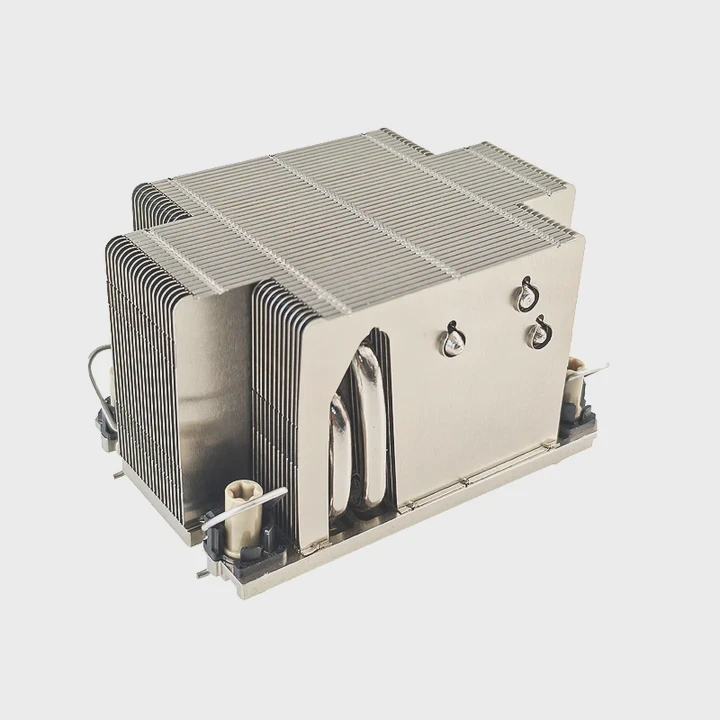
SSD PCBs bend easily
An SSD is only a few millimeters thick. Without support, pulling on the heatsink risks bending the PCB. Even a small bend can break tiny solder joints.
Support the SSD from underneath
Hold the SSD by the edges or place it on a flat surface while prying the heatsink. Supporting the PCB distributes force evenly.
Avoid twisting motion
Twisting the heatsink can place uneven stress on the board. Lift slowly and evenly from both sides instead of twisting.
Use two-point leverage
Pry from both ends if possible. This reduces strain on the PCB and prevents one side from bending upward.
Why supporting matters
- Prevents PCB flex
- Avoids cracking solder joints
- Reduces risk of controller damage
- Keeps heat spreader aligned during removal
- Maintains even lifting force
Supporting the SSD ensures safe separation and protects delicate components.
Conclusion
Removing a heatsink from an SSD requires patience, proper tools, and careful technique. Adhesive pads resist removal, so heating helps soften them. Plastic prying tools protect components, and supporting the SSD prevents bending. With slow, steady pressure and safe tools, you can detach the heatsink without damaging the drive.
TAGS
Latest Articles

Volume discount levels for heat sink orders?
Buyers often ask when heat sink prices start to drop with volume. Many worry they’re overpaying for small orders. This guide explains how B2B volume pricing works for thermal components. Heat sink
21 Dec,2025
Heat sink long-term supply contract options?
Many buyers want stable pricing and reliable delivery for heat sinks. But without a clear contract, risks grow over time. This article explores how to secure better long-term supply deals. Long-term
21 Dec,2025
Tooling cost for new heat sink profiles?
Many engineers struggle to understand why tooling for custom heat sinks costs so much. They worry about budgeting and production timelines. This article breaks down the cost drivers behind tooling.
21 Dec,2025
Heat sink custom sample process steps?
Sometimes, starting a custom heat sink project feels overwhelming—too many steps, too many unknowns, and too many risks. You want a sample, but not endless delays. The process for requesting and
20 Dec,2025
Standard B2B terms for heat sink payments?
When buyers and sellers in B2B heat sink markets talk about payment, many don’t fully understand what’s standard. This can lead to delayed orders, miscommunication, and even lost business
20 Dec,2025
Heat sink pricing factors for large orders?
Heat sinks are vital for many systems. When prices rise, projects stall and budgets break. This problem can hit teams hard without warning. Large order heat sink pricing depends on many factors. You
20 Dec,2025Related Articles
- can you tightnen a heatsink to much?
- what heatsink fit amd epyc 7601?
- can you upgrade a laptop cpu heatsink?
- what is a gpu heatsink?
- can't find sandevistan heatsink?
- is heatsink necessary for m.2?
- does lg g2 have heatsink?
- how to apply heatsink to ssd?
- how to remove g skill trident z ddr heatsink?
- how to clean heatsink on ps4?
- what happens when you remove a cpu heatsink?
- do i need a heatsink fan with new cpu?
Author
Dr. Emily Chen
Chief AI Researcher
Leading expert in thermal dynamics and AI optimization with over 15 years of experience in data center efficiency research.
Categories
Latest Products
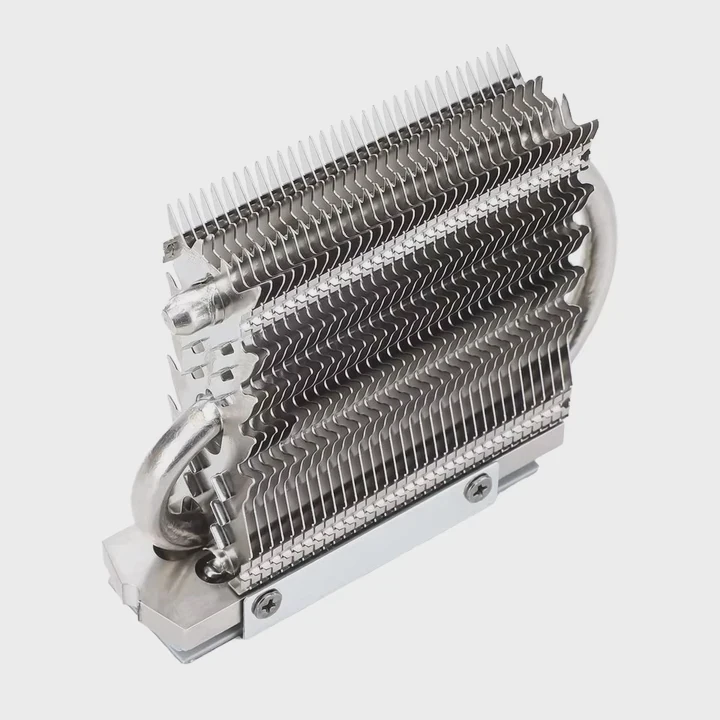
M.2 Heatpipe Heatsink With Dual Fans For Pc Case
19 Mar,2026
Heavy-Duty Aluminum Heat Sink Custom
19 Mar,2026
Oem Skived Fin Heatsink Aluminum Radiator For Plants
19 Mar,2026
Water Cooled Cnc Aluminum Heat Sink For Medical
19 Mar,2026
High Density 6000 Series Aluminum Heat Sink Profile
19 Mar,2026
High-Density Extruded Aluminum & Bonded-Fin Heat Sink Profile
19 Mar,2026
Recommend Categories
- Liquid cooling plate Manufacturer
- Industrial Heat Sink Manufacturer
- Standard Heat Sink Manufacturer
- Aluminum Heat Sink Manufacturer
- Copper Heat Sink Manufacturer
- Anodized Heatsink Manufacturer
- Stamping heat sink Manufacturer
- Die Casting Heatsink Manufacturer
- Soldering heat sink Manufacturer
- CNC Parts Manufacturer
Latest Products
- M.2 Heatpipe Heatsink With Dual Fans For Pc Case
- Heavy-Duty Aluminum Heat Sink Custom
- Oem Skived Fin Heatsink Aluminum Radiator For Plants
- Water Cooled Cnc Aluminum Heat Sink For Medical
- High Density 6000 Series Aluminum Heat Sink Profile
- High-Density Extruded Aluminum & Bonded-Fin Heat Sink Profile
- Dongguan Cnc Aluminum Heat Sink For Led & Brass Parts
- Wholesale Cnc Aluminum Heat Sink - Custom Extruded
- Led Cnc Round Heat Sink With Screw Holes
- Copper Pin-Fin Heat-Sink Large-Area For Photoled Cooling
- Telecom Heatsink Zipper Fin Wcopper Tubes Oem
Contact Expert
Have questions about this article? Reach out to our experts directly.