How to recycle Vapor Chamber materials?
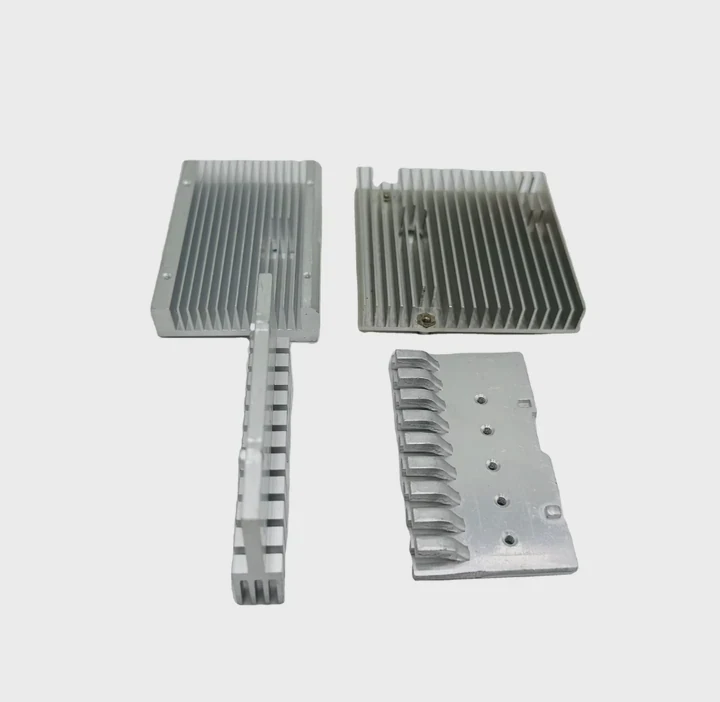
At end-of-life, vapor chambers may look small but they contain valuable and recyclable materials. Poor disposal hides that value — and creates waste.
Recycling vapor chambers requires identifying recyclable metals and fluids, separating components safely, recovering key materials like copper and aluminum, and satisfying relevant e-waste and recycling regulations.
Let’s dive into each step so you can build a practical recycling plan.
What materials in Vapor Chambers are recyclable?
Recycling vapor chambers starts with knowing what they’re made of.
Major recyclable materials include metals such as copper and aluminum, internal wick structures, and sometimes coatings or working fluids.
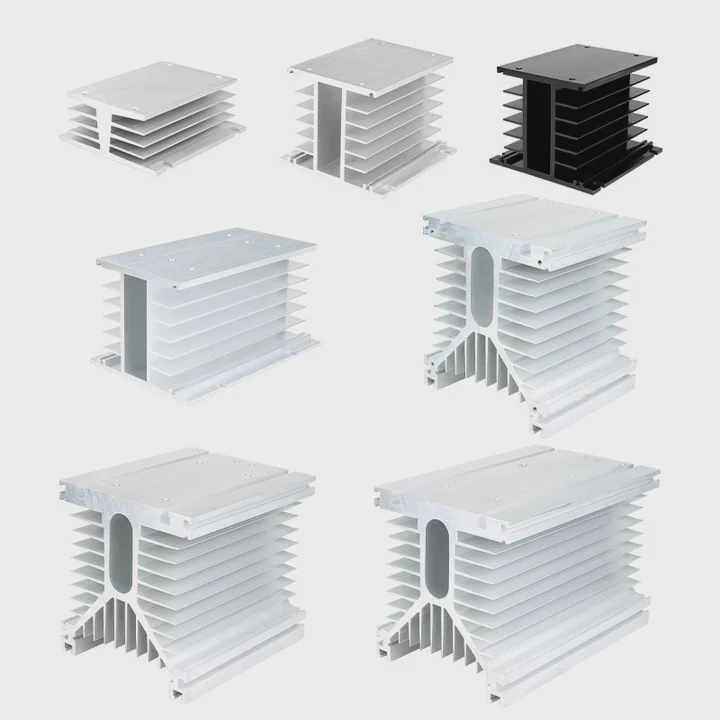
Materials breakdown
Typical vapor chambers consist of:
- Copper housing or body: Used for its high thermal conductivity.
- Aluminum housing: Found in lighter models or cost-sensitive applications.
- Internal wick structures: Often made of sintered copper, stainless mesh, or graphite.
- Working fluid: Usually de-ionised water, but sometimes acetone or refrigerants.
- Coatings or platings: Such as nickel plating or ceramic layers.
- Sealed enclosures: Vacuum-sealed, with welded or bonded seams.
Why these matter for recycling
Copper and aluminum are highly recyclable. Their material properties are retained through multiple recycling cycles. Internal structures like sintered wicks are also metal-based and reusable, though their small size may affect recovery value.
However, the sealed design, presence of fluid, and mixed materials make vapor chambers more complex than regular metal scrap. The value lies mostly in the copper or aluminum shell. Other parts may require special handling.
How are Vapor Chamber components separated for recycling?
Separation is the practical step: breaking the device into recyclable flows.
The process involves de-sealing or disassembling the chamber, separating metal bodies, removing fluids or gases, sorting wick/coatings, then preparing each stream for recycling.
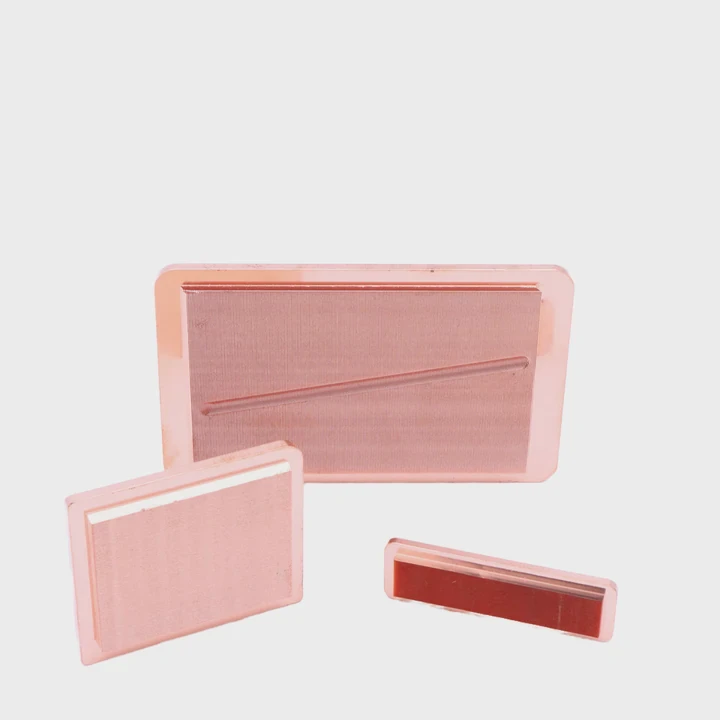
Typical workflow
Collection and safe storage
Store vapor chambers in sealed containers to avoid fluid leakage.De-sealing the housing
Cut open the chamber in a controlled environment. Vent any residual vapor slowly. Avoid uncontrolled punctures.Material separation
- Remove external brackets or fins.
- Isolate copper or aluminum baseplate.
- Extract internal wick structures if accessible.
- Capture and neutralize remaining working fluid.
- Separate coatings or adhesives if needed.
Mechanical processing
Use shredding, crushing, or slicing to expose materials. Clean and sort by metal type.Final sorting
- Group pure copper or aluminum for smelting.
- Send complex alloys or mixed waste to specialized processors.
- Dispose or recover fluids and coatings based on local guidelines.
Sample table: separation tasks vs. challenges
| Task | Method | Challenge | Solution |
|---|---|---|---|
| De-sealing housing | Cutting or welding | Risk of sudden fluid release | Controlled environment with vents |
| Fluid removal | Drain and neutralize | Hazardous classification | Use certified waste handlers |
| Wick structure removal | Mechanical shredding | May reduce metal purity | Pre-sort or direct to metal sorter |
| Coating separation | Chemical or mechanical | Difficult to remove from thin parts | Accept minor contamination in melt |
| Metal sorting | Spectrometry or magnets | Alloy mixing | Use refined pre-sorting techniques |
Key takeaway
Good separation maximizes recovered value and minimizes waste. Focus on the metal casing, use clean methods, and cooperate with facilities experienced in handling complex electronics.
Can copper from Vapor Chambers be reused?
Yes — copper is one of the best-case materials for reuse.
Copper recovered from vapor-chamber bodies can be melted and refined to produce new copper products without loss of its inherent properties.
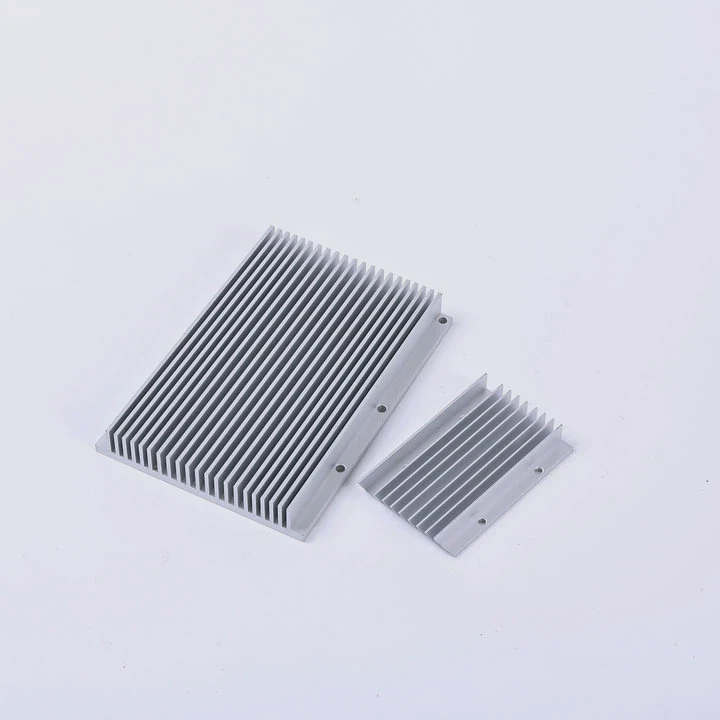
Why copper is valuable
Copper has high thermal conductivity and excellent recyclability. Vapor chambers typically use pure or nearly pure copper for performance reasons. This makes the recovered copper ideal for reprocessing into new thermal components, wiring, or structural parts.
Steps to reuse vapor chamber copper
Separate copper housing
Avoid contamination from adhesives, coatings, or attached parts.Clean and prepare
Remove any residual working fluid or flux. Rinse to remove residues.Sort by grade
Keep pure copper separate from copper alloys or plated components.Recycle or remelt
Send to copper smelter for melting and purification.Certification and reuse
The recycled copper can be used again in electronic, automotive, or industrial applications.
Best practices
- Collect in bulk to reduce processing cost per unit.
- Identify whether any silver, nickel, or solder was used in bonding.
- Ensure recyclers are certified and follow proper smelting protocols.
- Document recycled volumes and recovery rates for compliance.
Key takeaway
Copper from vapor chambers is highly reusable. Clean recovery and smart processing let you turn scrap into valuable feedstock.
Are there regulations for recycling Vapor Chambers?
Yes — several regulations control electronic waste and material recovery.
Important frameworks include the EU WEEE directive, Basel Convention, and country-level regulations in China, the US, and other regions.
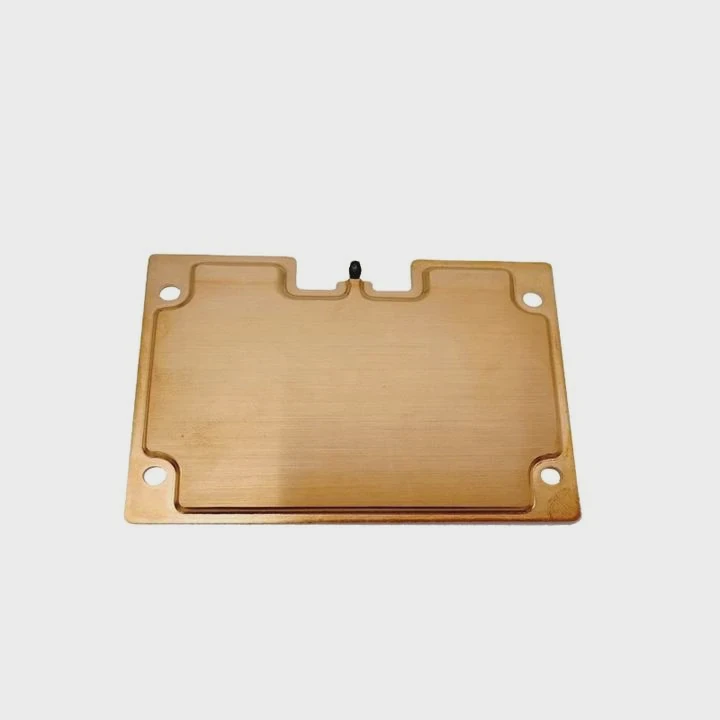
Regulatory standards to know
| Regulation | Region | Key Focus |
|---|---|---|
| WEEE Directive | European Union | Collection, recycling, and reporting of e-waste |
| Basel Convention | Global | Cross-border control of hazardous waste |
| EPA e-waste rules | United States | Import/export, recycling safety standards |
| EPR policies | Asia, EU | Manufacturer responsibility for take-back |
| Solid waste regulations | China | Licensing and safe processing of electronics |
How it applies to vapor chambers
- If your product is part of an electronic assembly, its disposal falls under WEEE or similar rules.
- Working fluids may be regulated as hazardous waste.
- Exporting vapor chambers for recycling may require permits under the Basel Convention.
- Non-compliance can lead to fines or product restrictions in some countries.
Manufacturer actions
- Partner with certified e-waste recyclers.
- Ensure traceability and documentation of recycled materials.
- Mark components for easier identification and separation.
- Set up internal return or recycling programs to meet EPR rules.
Key takeaway
Complying with e-waste regulations protects your business and environment. Know your legal duties, and build them into your supply chain and design choices.
Conclusion
Recycling vapor-chamber materials is both responsible and profitable. Focus on extracting recyclable metals like copper and aluminum, apply safe separation techniques, and follow local regulations to handle fluids and complex assemblies. Doing so reduces waste, recovers value, and aligns your business with sustainability goals.
TAGS
Latest Articles

Volume discount levels for heat sink orders?
Buyers often ask when heat sink prices start to drop with volume. Many worry they’re overpaying for small orders. This guide explains how B2B volume pricing works for thermal components. Heat sink
21 Dec,2025
Heat sink long-term supply contract options?
Many buyers want stable pricing and reliable delivery for heat sinks. But without a clear contract, risks grow over time. This article explores how to secure better long-term supply deals. Long-term
21 Dec,2025
Tooling cost for new heat sink profiles?
Many engineers struggle to understand why tooling for custom heat sinks costs so much. They worry about budgeting and production timelines. This article breaks down the cost drivers behind tooling.
21 Dec,2025
Heat sink custom sample process steps?
Sometimes, starting a custom heat sink project feels overwhelming—too many steps, too many unknowns, and too many risks. You want a sample, but not endless delays. The process for requesting and
20 Dec,2025
Standard B2B terms for heat sink payments?
When buyers and sellers in B2B heat sink markets talk about payment, many don’t fully understand what’s standard. This can lead to delayed orders, miscommunication, and even lost business
20 Dec,2025
Heat sink pricing factors for large orders?
Heat sinks are vital for many systems. When prices rise, projects stall and budgets break. This problem can hit teams hard without warning. Large order heat sink pricing depends on many factors. You
20 Dec,2025Related Articles
- Vapor Chamber market growth forecast?
- Vapor Chamber export compliance checklist?
- Vapor Chamber for consumer electronics?
- How efficient is Vapor Chamber cooling?
- Common Vapor Chamber application industries?
- Vapor Chamber Installation in HVAC Systems?
- Collaborative development for Vapor Chamber projects?
- Vapor Chamber technical drawing requirements?
- Vapor Chamber for industrial heat dissipation solutions?
- Does Vapor Chamber support high frequency chips?
- Vapor Chamber application in automotive battery cooling?
- Recommended Vapor Chamber assembly process?
Author
Dr. Emily Chen
Chief AI Researcher
Leading expert in thermal dynamics and AI optimization with over 15 years of experience in data center efficiency research.
Categories
Latest Products






Recommend Categories
- Liquid cooling plate Manufacturer
- Industrial Heat Sink Manufacturer
- Standard Heat Sink Manufacturer
- Aluminum Heat Sink Manufacturer
- Copper Heat Sink Manufacturer
- Anodized Heatsink Manufacturer
- Stamping heat sink Manufacturer
- Die Casting Heatsink Manufacturer
- Soldering heat sink Manufacturer
- CNC Parts Manufacturer
Latest Products
- Wholesale Aluminum Radiator
- Water Cooling Plate Kit
- Water Cooling Heat Sink
- Water Cooling Heat Sink Kit
- Stainless Steel Water Distributor
- Server Water Cooling Plate Kit
- Server Liquid Cooling System
- Server Aluminum Cooling Kit
- S19 Full Cover Cooling Plate
- S19 Cooling Plate Kit
- S19 Aluminum Cooling Plate
Contact Expert
Have questions about this article? Reach out to our experts directly.