Vapor Chamber market growth forecast?
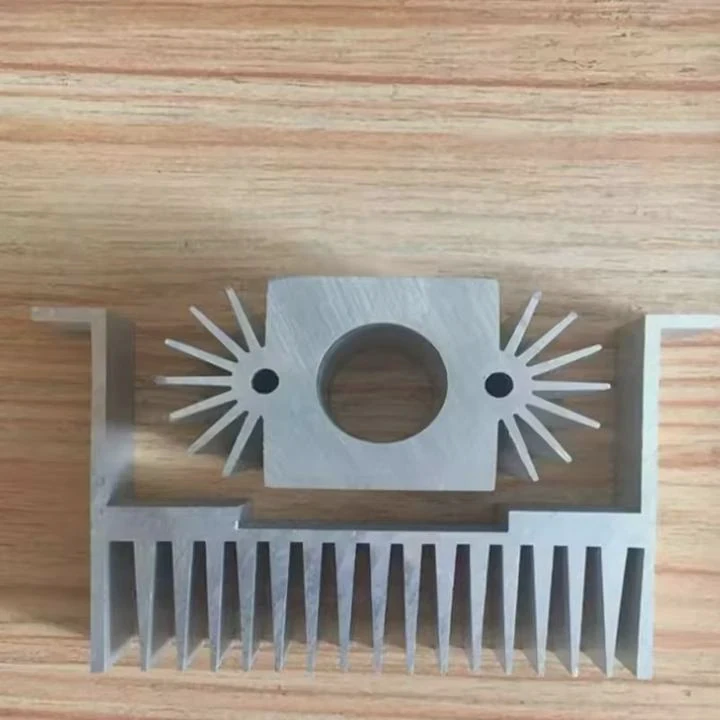
You might worry your product line could miss the next heat‑management boom—thermal modules like vapor chambers are getting huge demand.
The global vapor chamber market is projected to grow from under USD 1 billion in the early 2020s to USD 4–10 billion+ in the 2030s, with compound annual growth rates (CAGR) ranging from ~7 % to ~26 % depending on scope.
Let’s explore four key dimensions: growth forecasts, the industries driving demand, global expansion speed, and the technologies fueling that growth.
What is the expected market growth for Vapor Chambers?
The numbers look promising—but there is variance in the forecasts.
Several market studies show the vapor chamber market growing at a CAGR between ~7.5 % and ~26 % and reaching values from USD 4.5 billion to nearly USD 10 billion by the early to mid‑2030s.
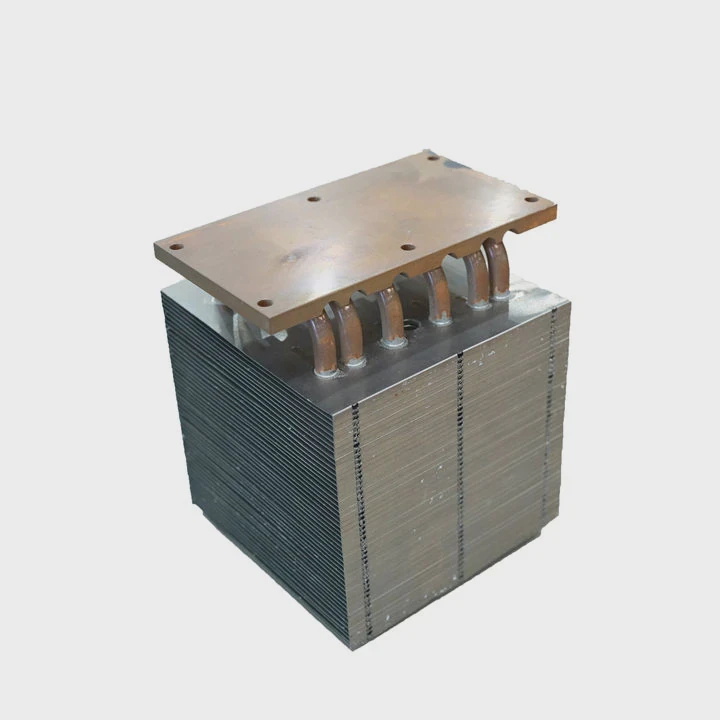
When reviewing the data:
- One report estimates the market size at USD 2.7 billion in 2024, forecasting a rise to USD 4.5 billion by 2032, with a CAGR of ~7.5 %.
- Another puts the value at USD 0.792 billion in 2022, growing to USD 4.13 billion by 2030 at a CAGR of ~19.9 %.
- A different forecast claims the global market will grow from USD 1.34 billion in 2025 to USD 4.01 billion by 2031, CAGR ~20.0 %.
- For a narrower “ultra‑thin” subset, one estimate shows growth from USD 708.1 million in 2024 to USD 2.5 billion by 2035, CAGR ~12.1 %.
- Another broader forecast claims growth from USD 1.176 billion in 2025 to USD 9.66 billion by 2034, CAGR ~26.37 %.
| Forecast Source | Base Year & Size | Target Year & Size | CAGR |
|---|---|---|---|
| VerifiedMarketResearch | USD 2.7B (2024) | USD 4.5B (2032) | ~7.5% |
| ResearchAndMarkets | USD 0.792B (2022) | USD 4.13B (2030) | ~19.9% |
| TechSciResearch | USD 1.34B (2025) | USD 4.01B (2031) | ~20.0% |
| WiseGuy (Ultra‑Thin) | USD 0.708B (2024) | USD 2.5B (2035) | ~12.1% |
| BusinessResearchInsights | USD 1.176B (2025) | USD 9.66B (2034) | ~26.4% |
Even conservative forecasts predict solid growth. Aggressive projections reflect rapid adoption across multiple industries. This offers strategic room for both volume and margin play.
Which industries will drive Vapor Chamber demand growth?
The next boom won’t just be in phones—it’s spreading across sectors.
Key industries pushing vapor chamber demand include consumer electronics, high‑performance computing, EVs, and industrial/medical equipment—all requiring advanced thermal management.
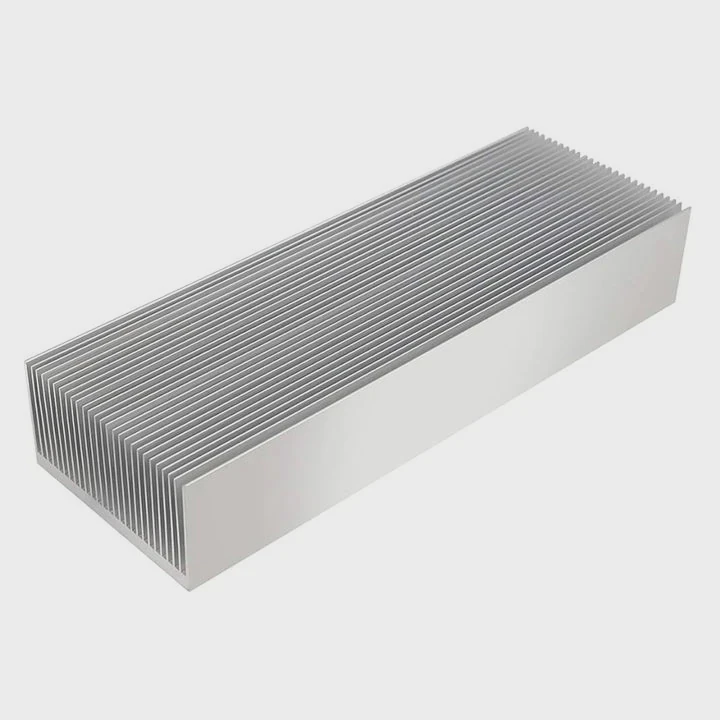
Consumer Electronics
Devices are getting thinner but more powerful. Smartphones, tablets, and laptops continue to dominate. With 5G and gaming demands rising, vapor chambers are replacing traditional heat pipes. OEMs seek ultra-thin heat spreaders under 0.3 mm.
Data Centers & HPC
Servers need to dissipate kilowatts of heat in tight spaces. As AI and cloud workloads grow, vapor chambers help maintain performance and system uptime. Their use in GPUs, accelerators and edge servers is growing.
Electric Vehicles & Automotive
As vehicle electronics get denser—batteries, power modules, inverters—thermal risk grows. Automakers use vapor chambers to cool onboard computers, radar, and LiDAR systems. The push for ADAS and electrification expands this need.
Industrial & Medical Equipment
Laser systems, energy storage, and diagnostic machines all generate intense heat in compact volumes. Vapor chambers offer silent, maintenance-free cooling. With stricter reliability and lifecycle demands, high-performance thermal solutions are critical.
| Industry | Key Drivers | Vapor Chamber Use |
|---|---|---|
| Consumer Electronics | Portability, thin designs, gaming, 5G | Ultra‑thin vapor modules |
| Data Centers / HPC | AI, edge computing, performance density | High power spreaders for server cooling |
| EV / Auto Electronics | Electrification, ADAS, compact control units | Battery/circuit thermal control |
| Medical/Industrial | High power, long lifespan, precision | Passive cooling for sensitive systems |
You can align your offerings across sectors with modular and scalable vapor chamber solutions.
How fast is the Vapor Chamber market expanding globally?
Growth speed varies by region—and opportunities differ accordingly.
Regions like Asia‑Pacific dominate today, but North America and Europe are growing faster in high-end applications like data centers and electric vehicles.
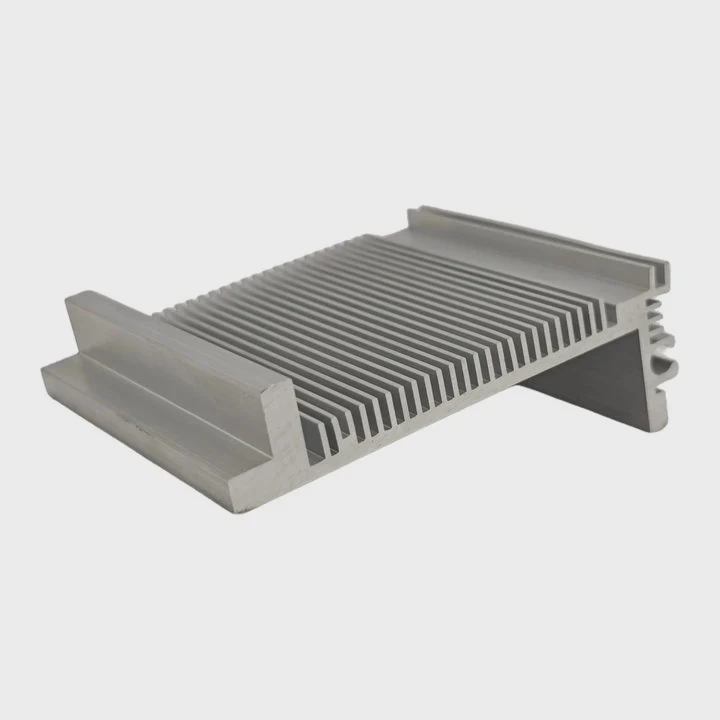
Asia-Pacific
This region leads due to its electronics manufacturing base. China, South Korea, and Taiwan dominate smartphone and laptop production. Thin vapor chambers are adopted at scale. China alone is projected to hold nearly half the market share in ultra-thin segments by 2030.
North America
The U.S. market is driven by HPC and data centers. Hyperscalers like Amazon, Google, and Microsoft deploy high-density computing racks with thermal challenges. The region also sees growth in premium electronics and electric vehicles.
Europe
Sustainability rules and EV push drive vapor chamber adoption. Germany and France are building thermal systems into automotive and renewable tech. Vapor chambers find use in inverters, storage, and compact grid systems.
| Region | Market Focus | Strategic Impact |
|---|---|---|
| Asia-Pacific | Consumer electronics, OEM hubs | High volume, standardization |
| North America | AI, EV, HPC, premium modules | Custom designs, certification-focused |
| Europe | Clean tech, medical, EVs | Eco‑friendly, reliability-driven |
Each region supports different value propositions—cost in Asia, performance in the West. Your strategy should match the local application needs.
Are new technologies fueling Vapor Chamber market growth?
Growth isn’t only about more demand—it’s about smarter tech enabling more use‑cases.
Yes—materials like graphene, ultra-thin vapor profiles, hybrid cooling integration, and better manufacturing methods are driving adoption into new applications.
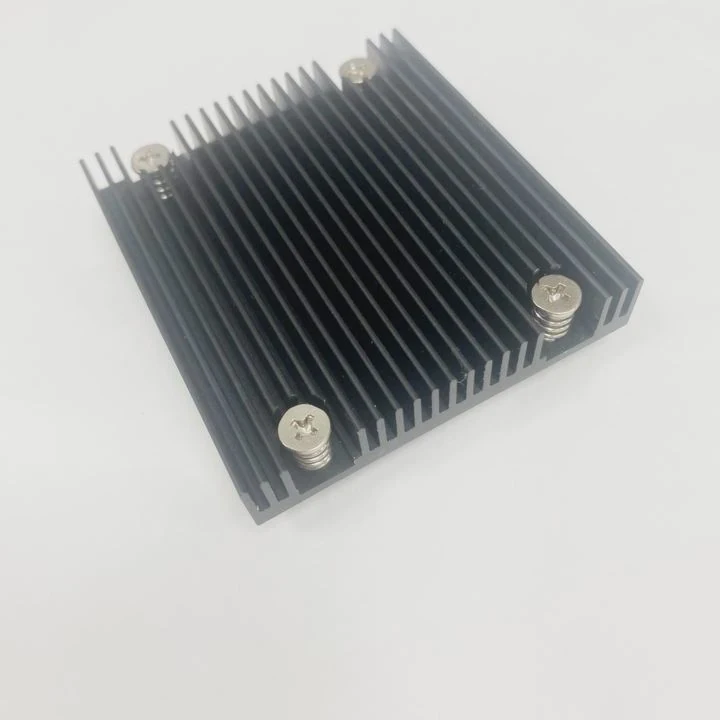
Material Innovation
Next-gen vapor chambers use graphene, carbon composites, and new alloys. These materials offer better thermal conductivity with lower weight—ideal for space-constrained devices.
Ultra‑thin Development
Consumer demand is pushing for 0.3 mm and thinner vapor chambers. These are now entering mid-tier smartphone markets, not just flagships. Gaming handhelds and AR/VR devices follow.
Hybrid Integration
Vapor chambers are being paired with heat pipes, fans, and even cold plates in EV and server cooling modules. This modular design makes vapor chambers part of full-system solutions.
Manufacturing Advances
Laser welding, FSW (friction stir welding), and precision extrusion improve structural consistency. With better QC and automation, costs are dropping, unlocking mid-range device markets.
Expanding Applications
New segments like battery packs, LED lighting, drone avionics, and wearables open up demand. These markets want light, passive, and silent thermal management—an ideal fit.
| Innovation Area | Key Benefit | Example Market |
|---|---|---|
| Graphene Materials | High conductivity, light weight | Aerospace, mobile |
| Ultra-thin Design | <0.3 mm for slim devices | Smartphones, AR/VR |
| Hybrid Cooling | Combined active/passive performance | EV, server racks |
| Advanced Manufacturing | Lower cost, better consistency | Industrial, medical |
These technologies are not just improving product specs—they’re unlocking whole new markets.
Conclusion
The vapor chamber market is expanding quickly across devices, vehicles, and industrial systems. Growth will be driven by emerging technologies, global demand shifts, and deeper integration into critical electronics. For thermal solution suppliers, aligning with the right sectors and investing in innovation is the key to staying ahead.
TAGS
Latest Articles

Volume discount levels for heat sink orders?
Buyers often ask when heat sink prices start to drop with volume. Many worry they’re overpaying for small orders. This guide explains how B2B volume pricing works for thermal components. Heat sink
21 Dec,2025
Heat sink long-term supply contract options?
Many buyers want stable pricing and reliable delivery for heat sinks. But without a clear contract, risks grow over time. This article explores how to secure better long-term supply deals. Long-term
21 Dec,2025
Tooling cost for new heat sink profiles?
Many engineers struggle to understand why tooling for custom heat sinks costs so much. They worry about budgeting and production timelines. This article breaks down the cost drivers behind tooling.
21 Dec,2025
Heat sink custom sample process steps?
Sometimes, starting a custom heat sink project feels overwhelming—too many steps, too many unknowns, and too many risks. You want a sample, but not endless delays. The process for requesting and
20 Dec,2025
Standard B2B terms for heat sink payments?
When buyers and sellers in B2B heat sink markets talk about payment, many don’t fully understand what’s standard. This can lead to delayed orders, miscommunication, and even lost business
20 Dec,2025
Heat sink pricing factors for large orders?
Heat sinks are vital for many systems. When prices rise, projects stall and budgets break. This problem can hit teams hard without warning. Large order heat sink pricing depends on many factors. You
20 Dec,2025Related Articles
- Vapor Chamber export compliance checklist?
- Vapor Chamber for consumer electronics?
- How efficient is Vapor Chamber cooling?
- Common Vapor Chamber application industries?
- Vapor Chamber Installation in HVAC Systems?
- How to evaluate Vapor Chamber supplier reliability?
- How to recycle Vapor Chamber materials?
- Collaborative development for Vapor Chamber projects?
- Vapor Chamber technical drawing requirements?
- Vapor Chamber for industrial heat dissipation solutions?
- Does Vapor Chamber support high frequency chips?
- Vapor Chamber application in automotive battery cooling?
Author
Dr. Emily Chen
Chief AI Researcher
Leading expert in thermal dynamics and AI optimization with over 15 years of experience in data center efficiency research.
Categories
Latest Products
Recommend Categories
- Liquid cooling plate Manufacturer
- Industrial Heat Sink Manufacturer
- Standard Heat Sink Manufacturer
- Aluminum Heat Sink Manufacturer
- Copper Heat Sink Manufacturer
- Anodized Heatsink Manufacturer
- Stamping heat sink Manufacturer
- Die Casting Heatsink Manufacturer
- Soldering heat sink Manufacturer
- CNC Parts Manufacturer
Latest Products
- Wholesale Aluminum Radiator
- Water Cooling Plate Kit
- Water Cooling Heat Sink
- Water Cooling Heat Sink Kit
- Stainless Steel Water Distributor
- Server Water Cooling Plate Kit
- Server Liquid Cooling System
- Server Aluminum Cooling Kit
- S19 Full Cover Cooling Plate
- S19 Cooling Plate Kit
- S19 Aluminum Cooling Plate
Contact Expert
Have questions about this article? Reach out to our experts directly.