Common Vapor Chamber installation mistakes?
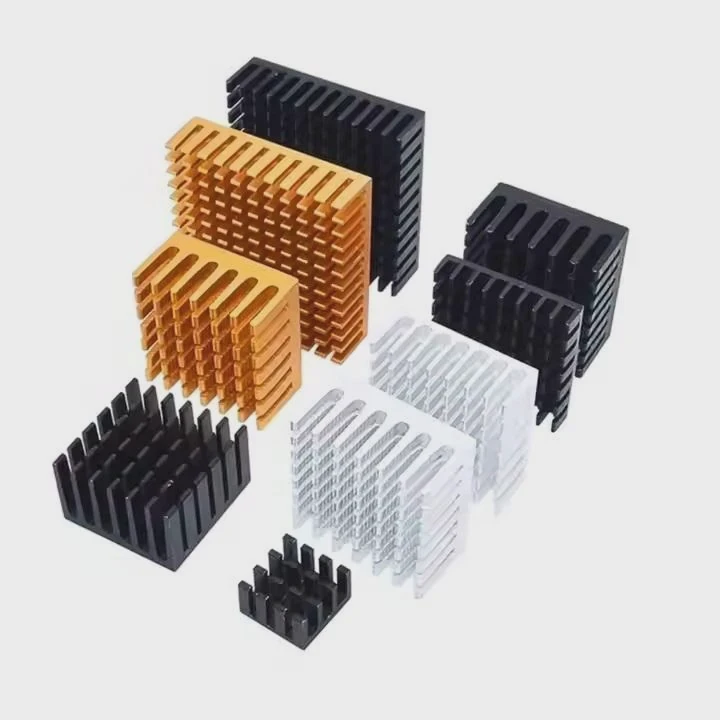
Many vapor chamber failures begin during installation — not during manufacturing. Even a perfectly built vapor chamber can perform poorly if mounting mistakes occur. To avoid long-term performance loss, identifying the most common installation errors is essential.
Typical installation mistakes include poor surface preparation, incorrect TIM usage, misalignment during mounting, and excessive torque pressure on fasteners. Correcting these errors significantly improves heat transfer performance and reliability.
What are typical installation errors with Vapor Chambers?
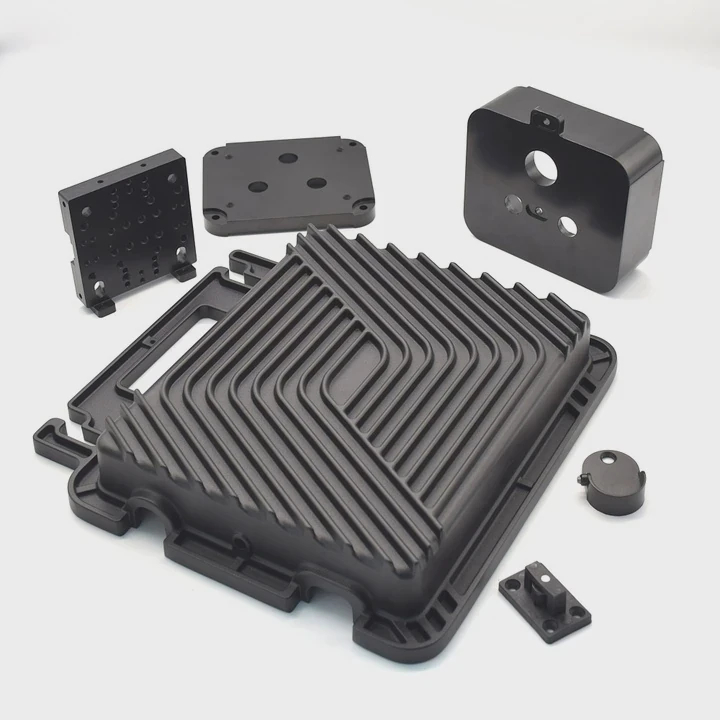
Even small mistakes during installation can lead to serious thermal inefficiencies. The most common errors involve surface preparation, fastener control, and improper handling.
Most Frequent Installation Mistakes
| Installation Mistake | Resulting Problem |
|---|---|
| Dirty or oily surface | Poor contact, increased thermal resistance |
| Uneven torque | Base distortion and hot spots |
| Wrong positioning/alignment | Partial contact, reduced thermal efficiency |
| Incorrect TIM thickness | Slow heat transfer and heat accumulation |
| Over-tightening of screws | Weld stress and possible internal damage |
| Use of rough mounting surfaces | Air gaps form and prevent full contact |
These mistakes often create heat pockets or stress points. Over time, they may even damage the internal wick structure or compromise the sealed chamber.
Best Practices to Avoid These Issues
Clean surface with isopropyl alcohol before mounting
Verify flatness before installation
Use torque drivers, not manual screwdrivers
Ensure mounting surfaces are smooth and scratch-free
Apply TIM carefully with manufacturer’s recommended amount
Follow cross-tightening sequence to distribute pressure evenly
Can incorrect TIM use reduce efficiency?
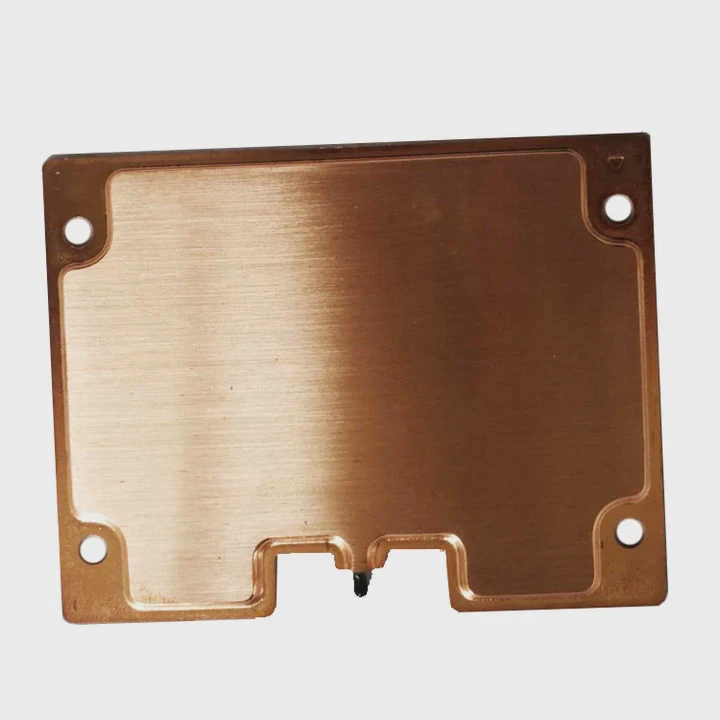
Yes. TIM (Thermal Interface Material) acts as the bridge between the vapor chamber and heat source. A poor TIM application immediately reduces heat transfer speed and overall cooling efficiency.
Common TIM-Related Mistakes and Consequences
| TIM Mistake | Potential Impact |
|---|---|
| Excessive layer thickness | Becomes thermal insulator rather than conduit |
| Too little spread | Uneven contact and heat concentration |
| Low-quality material | Heat cannot spread efficiently |
| Reusing old TIM after removal | Reduced contact and thermal resistance |
| Not cleaning surface before use | Air pockets and insufficient bonding |
Incorrect TIM use often leads to misleading thermal test results. One may assume vapor chamber failure, while the problem is simply TIM mismanagement.
Recommended TIM Application Method
- Clean both mating surfaces thoroughly
- Apply a thin and even layer of TIM
- For pads, choose correct hardness and thickness
- Avoid fingerprints, dust, and surface oxidation
- Reapply TIM every time the chamber is removed
Performance loss due to TIM errors can be as high as 30%, even when the vapor chamber is functioning correctly.
Is misalignment a common issue in mounting?
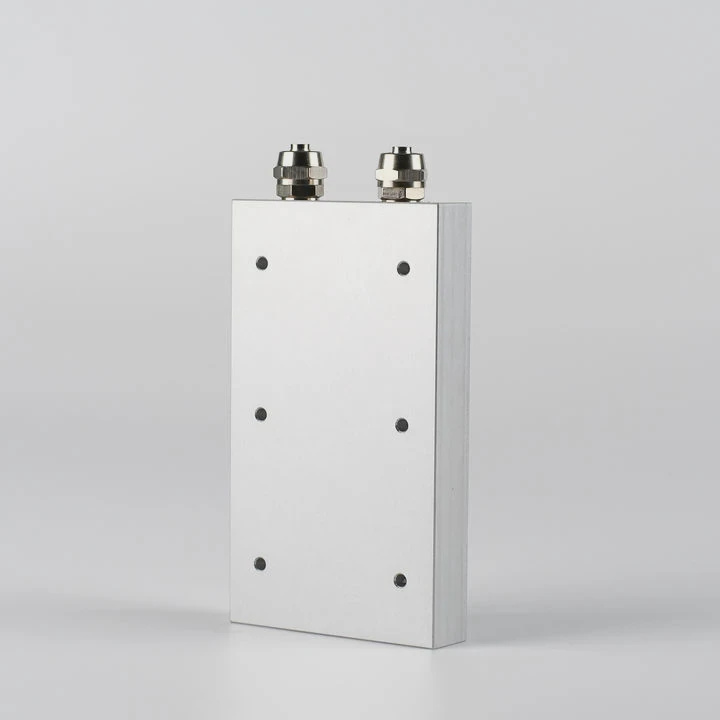
Yes. Misalignment is frequently seen in early prototype builds, trial assemblies, or rushed installations.
Causes of Misalignment
- Mounting holes slightly off position
- Warped motherboards or heat source surfaces
- Hand-tightened screws without torque control
- Insufficient visual inspection before tightening
- Skipping flatness checks before installation
Misalignment creates non-uniform contact. This results in uneven heat spread — internal dry-out may eventually occur in sections of the vapor chamber.
How to Prevent Misalignment
Use tooling or alignment pins where possible
Check flatness before installation
Tighten fasteners in cross-pattern
Avoid pressure on corners when mounting
Recheck torque after full tightening
How to avoid over-tightening during install?
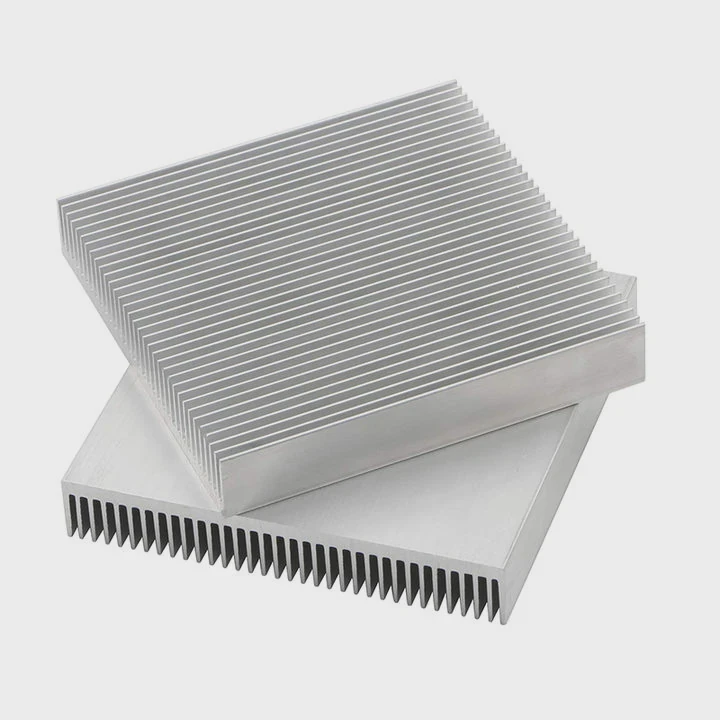
Over-tightening is one of the most dangerous mistakes. It may bend the chamber body or damage seals, reducing performance permanently.
Signs of Over-Tightening
| Observed Effect | Likely Cause |
|---|---|
| Bowed or warped baseplate | Excess torque on one or more screws |
| Visible seam discoloration | Weld stress leading to heat leakage |
| Reduced heat transfer rate | Base no longer positioned flat |
| Internal fluid noise | Structural damage or micro-leak development |
Correct Tightening Procedure
- Use torque-limiting tools — not manual screwdrivers
- Apply torque gradually in small steps
- Follow diagonal tightening sequence
- Inspect flatness after final tightening
- Never force mounting into misaligned holes
- Compare torque values with supplier specifications
Over-tightening is often irreversible. Prevention is the only effective strategy.
Summary Table – Correct Installation Recommendations
| Installation Aspect | Best Practice |
|---|---|
| Surface cleanliness | Clean before every mount |
| TIM selection | Follow supplier guidance on type & thickness |
| Torque settings | Use calibrated torque driver |
| Alignment | Check flatness and positioning before fastening |
| Post-installation test | Conduct thermal performance verification |
Conclusion
Most vapor chamber installation failures are preventable. Incorrect TIM application, misalignment, contaminated surfaces, and excessive torque are the leading causes of poor performance. By applying proper procedures—including controlled torque, flatness checks, TIM discipline, and visual inspection—you can maintain high thermal performance and extend service life significantly.
Correct installation is the difference between a high-performing vapor chamber and a failed thermal solution. Good practice at assembly guarantees long-term reliability.
TAGS
Latest Articles

Volume discount levels for heat sink orders?
Buyers often ask when heat sink prices start to drop with volume. Many worry they’re overpaying for small orders. This guide explains how B2B volume pricing works for thermal components. Heat sink
21 Dec,2025
Heat sink long-term supply contract options?
Many buyers want stable pricing and reliable delivery for heat sinks. But without a clear contract, risks grow over time. This article explores how to secure better long-term supply deals. Long-term
21 Dec,2025
Tooling cost for new heat sink profiles?
Many engineers struggle to understand why tooling for custom heat sinks costs so much. They worry about budgeting and production timelines. This article breaks down the cost drivers behind tooling.
21 Dec,2025
Heat sink custom sample process steps?
Sometimes, starting a custom heat sink project feels overwhelming—too many steps, too many unknowns, and too many risks. You want a sample, but not endless delays. The process for requesting and
20 Dec,2025
Standard B2B terms for heat sink payments?
When buyers and sellers in B2B heat sink markets talk about payment, many don’t fully understand what’s standard. This can lead to delayed orders, miscommunication, and even lost business
20 Dec,2025
Heat sink pricing factors for large orders?
Heat sinks are vital for many systems. When prices rise, projects stall and budgets break. This problem can hit teams hard without warning. Large order heat sink pricing depends on many factors. You
20 Dec,2025Related Articles
- Vapor Chamber annual inspection guidelines?
- Manual servicing for Vapor Chamber models
- How to extend Vapor Chamber service life?
- Common Vapor Chamber replacement parts?
- Typical after sales support for Vapor Chamber
- Warranty claim process for Vapor Chamber
- Where to use Vapor Chamber effectively
- Vapor Chamber future development direction
- Vapor Chamber integration with AI hardware
- Low Carbon Vapor Chamber Manufacturing Trend
- Can Vapor Chamber improve EV charging stations?
- Demand forecast for Vapor Chamber 2030?
Author
Dr. Emily Chen
Chief AI Researcher
Leading expert in thermal dynamics and AI optimization with over 15 years of experience in data center efficiency research.
Categories
Latest Products






Recommend Categories
- Liquid cooling plate Manufacturer
- Industrial Heat Sink Manufacturer
- Standard Heat Sink Manufacturer
- Aluminum Heat Sink Manufacturer
- Copper Heat Sink Manufacturer
- Anodized Heatsink Manufacturer
- Stamping heat sink Manufacturer
- Die Casting Heatsink Manufacturer
- Soldering heat sink Manufacturer
- CNC Parts Manufacturer
Latest Products
- Wholesale Aluminum Radiator
- Water Cooling Plate Kit
- Water Cooling Heat Sink
- Water Cooling Heat Sink Kit
- Stainless Steel Water Distributor
- Server Water Cooling Plate Kit
- Server Liquid Cooling System
- Server Aluminum Cooling Kit
- S19 Full Cover Cooling Plate
- S19 Cooling Plate Kit
- S19 Aluminum Cooling Plate
Contact Expert
Have questions about this article? Reach out to our experts directly.