Low Carbon Vapor Chamber Manufacturing Trend

As industries push for greener products and lower environmental impact, even complex thermal solutions like vapor chambers are shifting toward more sustainable manufacturing. The coming years are likely to see vapor chambers made with recycled metals, powered by clean energy, and produced with carbon-efficient processes — while still meeting strict performance standards.
Vapor chamber production is evolving: manufacturers are increasingly adopting low‑carbon methods such as recycled materials, energy‑efficient workflows, and renewable energy usage to reduce emissions and environmental footprint.
Are low‑carbon methods emerging in Vapor Chamber production?

Yes — there is growing momentum in the electronics and cooling‑component sectors toward sustainable manufacturing. For vapor chambers, which often consist of aluminum bodies, copper plates, and welded joints, several changes are driving lower carbon footprints:
- Use of recycled aluminum and copper: Instead of relying entirely on virgin metal, many producers now request or accept recycled metal ingots. Recycling metal dramatically lowers the energy required for smelting and refining.
- Waste reduction and scrap recycling: Offcuts, rejected welds, and machining residue are increasingly collected, sorted, and remelted — instead of being discarded. This reduces material waste and the embodied energy per unit.
- Optimized manufacturing processes: Newer welding and machining equipment uses less energy, works faster, and reduces waste heat. Automation and precision cutting reduce scrap rates.
- Lean inventory and just-in-time production: Minimizing storage times, reducing overproduction, and synchronizing supply with demand help cut idle energy use and avoid over‑manufacturing.
These shifts help vapor chamber producers lower greenhouse gas emissions associated with raw-material extraction, processing, and manufacturing — without sacrificing quality or thermal performance.
Do manufacturers use renewable energy in factories?
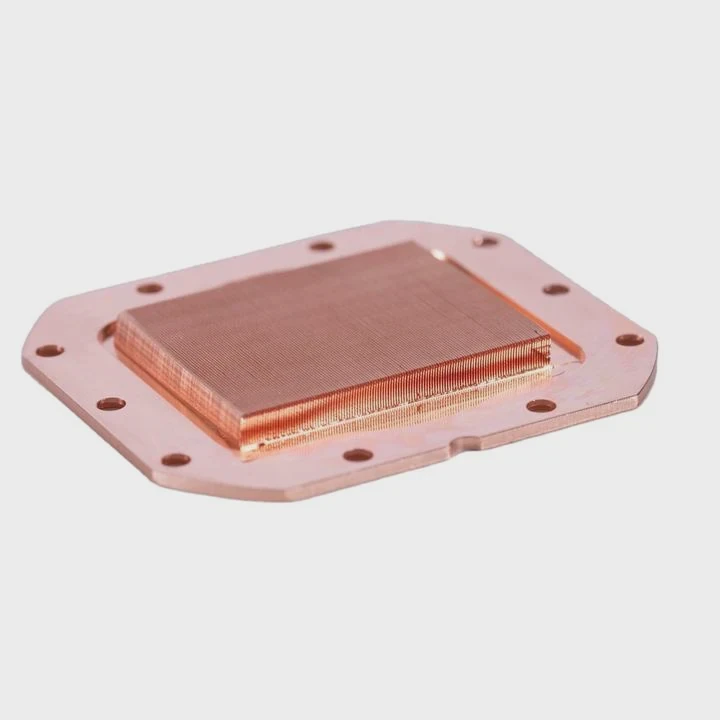
Some forward-looking manufacturers are supplementing or even replacing grid electricity with renewable sources like solar or wind power. This helps decouple energy-intensive processes (like smelting, welding, and vacuum brazing) from fossil‑fuel based electricity.
Beyond just energy sourcing, manufacturers are also improving energy efficiency: better insulation, energy‑recovery systems, efficient lighting and HVAC, and scheduling-intensive operations during low-energy-price windows.
For vapor chamber facilities, the benefits include:
- Lower operational carbon footprint per unit
- Improved ESG (Environmental, Social, Governance) credentials for clients
- Predictable energy costs over long production runs
Factories combining renewable energy and efficient processes are already producing “green-certified” thermal modules — including vapor chambers — which appeal to environmentally conscious OEM customers.
Is carbon‑footprint reduction a client requirement?
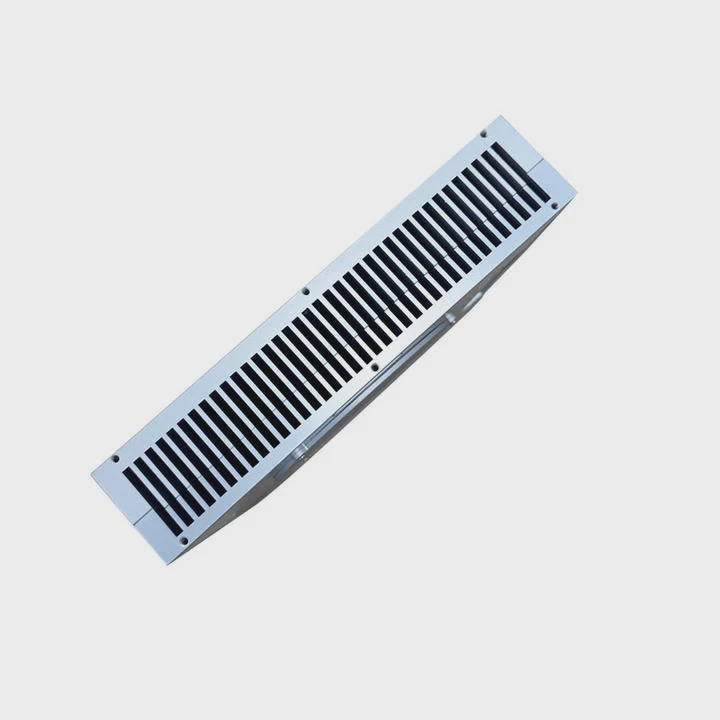
Increasingly, yes. Many major buyers in sectors like data centers, telecom infrastructure, electric vehicles, and renewable-energy systems now include carbon footprint or sustainability as a procurement criterion. Clients may request:
- Proof of recycled-metal usage
- Lifecycle emissions or “embodied carbon” estimates
- Documentation of renewable-energy sourcing or factory energy mix
- Waste‑management and recycling reports from suppliers
Meeting those requirements offers suppliers a competitive edge. Vapor chambers produced under lower-carbon methods can command premium positioning with customers who prioritize environmental responsibility.
Thus, sustainability is no longer a nice-to-have — it’s becoming part of the specification for many clients ordering thermal management components.
Can recycled metals be used in manufacturing?
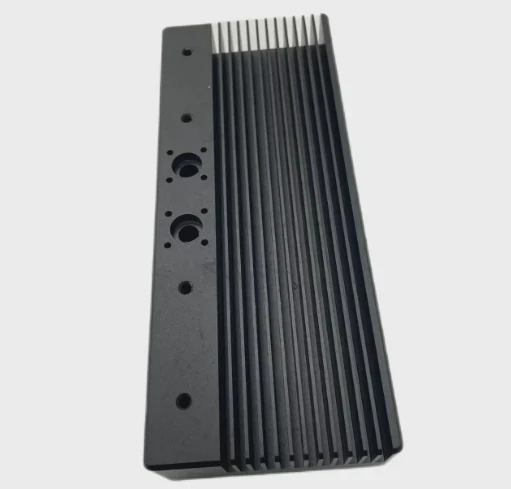
Absolutely. Aluminum — the most common shell material for vapor chambers — is one of the most recyclable metals in the world. Using recycled aluminum scrap significantly reduces energy consumption compared to virgin smelting, and the material properties (thermal conductivity, machinability) remain suitable for high‑performance thermal components when processed properly.
Here’s a simple comparison:
| Metric | Virgin Aluminum | Recycled Aluminum |
|---|---|---|
| Energy to produce (primary) | High (full smelting) | Lower (remelting only) |
| CO₂ emissions per kg | High | Lower (varies by energy source) |
| Thermal conductivity (after process) | Excellent | Equivalent |
| Cost (material) | Higher raw cost | Variable / often lower |
| Sustainability perception | Moderate | High (recycled content) |
Using recycled metal does require care: impurities must be controlled, quality of ingots assured, and welding/bonding processes adjusted if alloy composition differs. But when done right, a “green” vapor chamber can match classical ones in performance — with lower environmental impact.
What are challenges and trade‑offs in low‑carbon manufacturing?
Transitioning to low‑carbon vapor chamber production is not without difficulty. Some of the core challenges are:
- Quality control of recycled materials: Recycled metals may contain minute impurities or alloy variations. Suppliers must ensure consistency to meet thermal and mechanical specifications.
- Energy‑intensive processes remain: Processes like vacuum brazing, leak testing, plating, and internal fluid filling demand energy and clean conditions. The overall carbon saving depends heavily on the energy source and process efficiency.
- Supply chain complexity: Reliable sources of recycled scrap, traceability, and documentation add overhead to procurement and quality processes.
- Cost pressures: Green processes and recycled materials may increase cost or complexity — some clients may resist higher prices on price-sensitive orders.
- Certification and transparency: To satisfy ESG-aware clients, suppliers must invest in tracking, auditing, and possibly third‑party certification — adding administrative burden.
Because of these trade‑offs, not all vapor chamber producers adopt full low‑carbon workflows yet. The shift tends to begin with suppliers serving clients that value sustainability highly — such as high-tech firms, renewable-energy providers, and environmentally regulated industries.
What a low‑carbon vapor chamber supply chain looks like
| Step | Low‑Carbon Practice |
|---|---|
| Raw material sourcing | Use recycled aluminum/copper ingots, certified scrap sources |
| Material processing | Use energy-efficient furnaces, minimize scrap, recycle waste |
| Energy for production | Renewable energy (solar, wind, hydro) or green electricity |
| Manufacturing & assembly | Lean manufacturing, efficient welding, minimized rework |
| Post‑production handling | Collect and recycle production scrap/passivate waste |
| Documentation & traceability | Provide carbon footprint reports, recycled content certificates |
This holistic approach reduces embodied carbon while delivering high‑performance vapor chambers. As more clients demand sustainability, such supply chains will likely grow.
Outlook: The future for green Vapor Chambers
The push toward sustainability and stricter environmental regulations means vapor chamber makers must adapt — or risk losing business. The coming years may see:
- More vapor chambers labeled as “green” or “low‑carbon” — using recycled materials, clean energy production, and waste recycling.
- Standardized lifecycle carbon reporting — clients, especially in industries like renewable energy, telecom, or data centers, may demand carbon‑footprint data before procurement.
- Hybrid cooling modules with sustainability branding — combining vapor chambers with liquid cooling or phase‑change materials, marketed as eco‑efficient thermal solutions.
- Supplier differentiation based on ESG compliance — producers with certified low‑carbon processes may win more OEM/ODM contracts, especially in global markets.
- Innovation in low‑impact materials and processes — exploring alternative metals, bonding methods, and energy-saving assembly techniques.
As global supply chains evolve, vapor chamber manufacturers that align with sustainability trends will likely see growing demand, especially from ESG‑aware clients.
Conclusion
Vapor chamber manufacturing is entering a green transition phase. Use of recycled metals, renewable energy, lean production, and waste recycling all contribute to lower carbon footprint without sacrificing thermal performance. For buyers and designers, choosing vapor chambers from sustainable suppliers supports both performance goals and environmental responsibility.
Low‑carbon vapor chambers are not just a marketing label — they represent a viable path toward cleaner, more sustainable thermal management solutions in a world increasingly focused on environmental impact.
If you plan future cooling solutions, consider partnering with suppliers that commit to green manufacturing — it’s both a technical and a strategic advantage.
TAGS
Latest Articles

Volume discount levels for heat sink orders?
Buyers often ask when heat sink prices start to drop with volume. Many worry they’re overpaying for small orders. This guide explains how B2B volume pricing works for thermal components. Heat sink
21 Dec,2025
Heat sink long-term supply contract options?
Many buyers want stable pricing and reliable delivery for heat sinks. But without a clear contract, risks grow over time. This article explores how to secure better long-term supply deals. Long-term
21 Dec,2025
Tooling cost for new heat sink profiles?
Many engineers struggle to understand why tooling for custom heat sinks costs so much. They worry about budgeting and production timelines. This article breaks down the cost drivers behind tooling.
21 Dec,2025
Heat sink custom sample process steps?
Sometimes, starting a custom heat sink project feels overwhelming—too many steps, too many unknowns, and too many risks. You want a sample, but not endless delays. The process for requesting and
20 Dec,2025
Standard B2B terms for heat sink payments?
When buyers and sellers in B2B heat sink markets talk about payment, many don’t fully understand what’s standard. This can lead to delayed orders, miscommunication, and even lost business
20 Dec,2025
Heat sink pricing factors for large orders?
Heat sinks are vital for many systems. When prices rise, projects stall and budgets break. This problem can hit teams hard without warning. Large order heat sink pricing depends on many factors. You
20 Dec,2025Related Articles
- Vapor Chamber integration with AI hardware
- Vapor Chamber future development direction
- Where to use Vapor Chamber effectively
- Common Vapor Chamber installation mistakes?
- Vapor Chamber annual inspection guidelines?
- Manual servicing for Vapor Chamber models
- Can Vapor Chamber improve EV charging stations?
- Demand forecast for Vapor Chamber 2030?
- Collaboration opportunity for Vapor Chamber technology?
- Sustainable materials for Vapor Chamber production?
- Vapor Chamber impact on energy efficiency?
- Can Vapor Chamber enhance renewable energy products?
Author
Dr. Emily Chen
Chief AI Researcher
Leading expert in thermal dynamics and AI optimization with over 15 years of experience in data center efficiency research.
Categories
Latest Products
Recommend Categories
- Liquid cooling plate Manufacturer
- Industrial Heat Sink Manufacturer
- Standard Heat Sink Manufacturer
- Aluminum Heat Sink Manufacturer
- Copper Heat Sink Manufacturer
- Anodized Heatsink Manufacturer
- Stamping heat sink Manufacturer
- Die Casting Heatsink Manufacturer
- Soldering heat sink Manufacturer
- CNC Parts Manufacturer
Latest Products
- Wholesale Aluminum Radiator
- Water Cooling Plate Kit
- Water Cooling Heat Sink
- Water Cooling Heat Sink Kit
- Stainless Steel Water Distributor
- Server Water Cooling Plate Kit
- Server Liquid Cooling System
- Server Aluminum Cooling Kit
- S19 Full Cover Cooling Plate
- S19 Cooling Plate Kit
- S19 Aluminum Cooling Plate
Contact Expert
Have questions about this article? Reach out to our experts directly.