Vapor Chamber annual inspection guidelines?
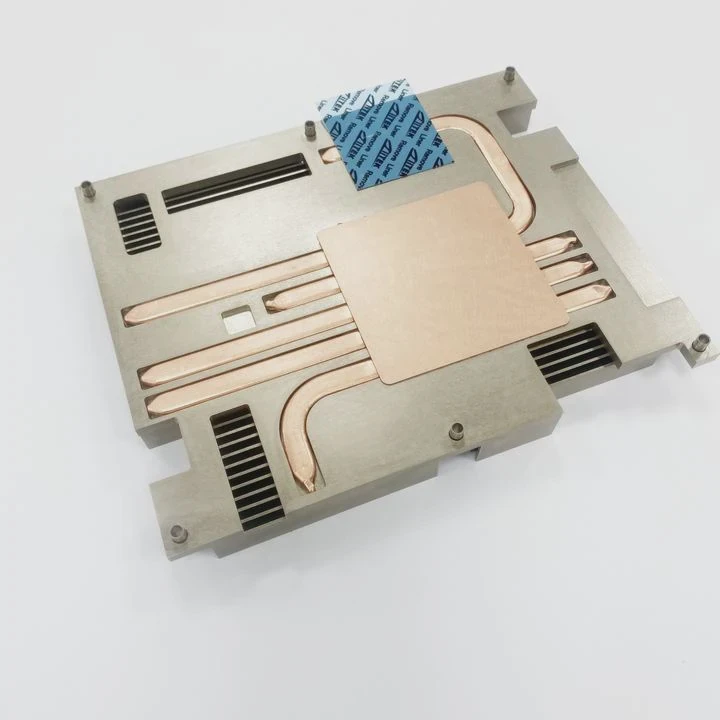
Neglecting vapor chamber inspections may result in hidden failures. Many teams overlook yearly checks until thermal issues appear. But proactive inspections can uncover early signs of degradation and extend operational lifespan.
An annual vapor chamber inspection should include surface checks, thermal measurements, seal verification, and mounting condition assessment. Visual checks alone are not enough.
What should be checked in annual Vapor Chamber inspections?
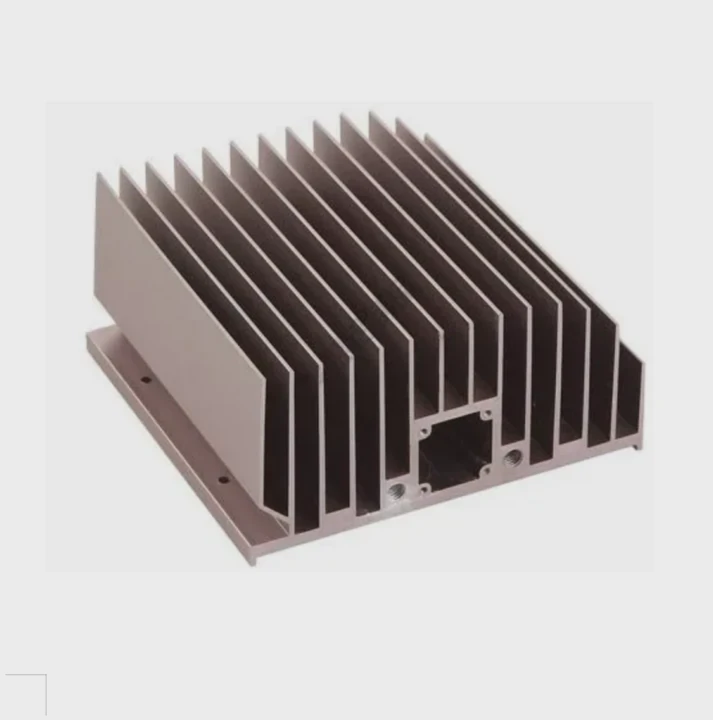
Annual checks require a structured approach that covers physical, thermal, and mechanical dimensions of the vapor chamber.
Key Inspection Points
| Inspection Aspect | Purpose |
|---|---|
| External surface | Detect dents, corrosion, oxidation |
| Flatness of baseplate | Ensure even heat spread and mechanical contact |
| Mounting hardware | Prevent uneven pressure and structural warping |
| TIM (thermal interface) | Confirm proper thermal conduction and application |
| Thermal performance | Identify heat spread efficiency and hotspot detection |
| Seam and seal condition | Prevent vapor loss and internal pressure instability |
These inspections help confirm that the chamber continues to perform at expected thermal efficiency without physical or vacuum-related damage.
Annual Inspection Flow
- Visually check surface – Look for scratches, dents, discoloration
- Measure baseplate flatness – Use a straight edge or feeler gauge
- Inspect mounting hardware – Confirm torque, alignment, bracket condition
- Clean and inspect TIM layer – Reapply thermal paste or replace pads
- Run thermal spread test – Record heat load vs. surface temperature
- Check sealing seam – Look for leaks, corrosion, or weld cracks
- Document all readings and actions – Maintain annual performance records
Routine execution of this inspection flow can greatly reduce failure risk and support proactive maintenance planning.
Are temperature readings part of yearly checks?
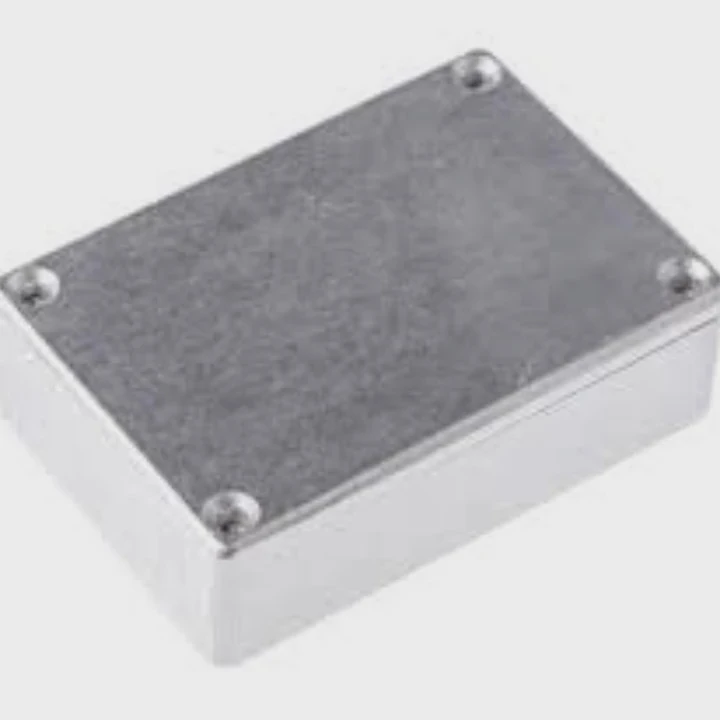
Yes. A thermal test is a core component of a complete inspection. Measuring temperature behavior under known load is the most direct way to evaluate performance health.
Suggested Readings
| Measurement Point | Method | Acceptable Behavior |
|---|---|---|
| Baseplate center temp | Thermal probe | Within expected delta range |
| Edge/corner temperature | Infrared camera or probe | Less than 10°C spread |
| Inlet/outlet interface | Probe or thermocouple | Even thermal gradient |
A chamber that once had uniform heat spread may start developing cold zones or localized overheating as it ages. Capturing thermal performance yearly enables long-term trend analysis.
Benefits of Temperature Logging
- Detects partial wick failure or dry-out
- Confirms thermal interface effectiveness
- Reveals seal integrity loss indirectly
- Identifies unusual heat distribution issues
Always compare new readings with prior years under the same load conditions to spot performance drift.
Should sealing condition be verified annually?
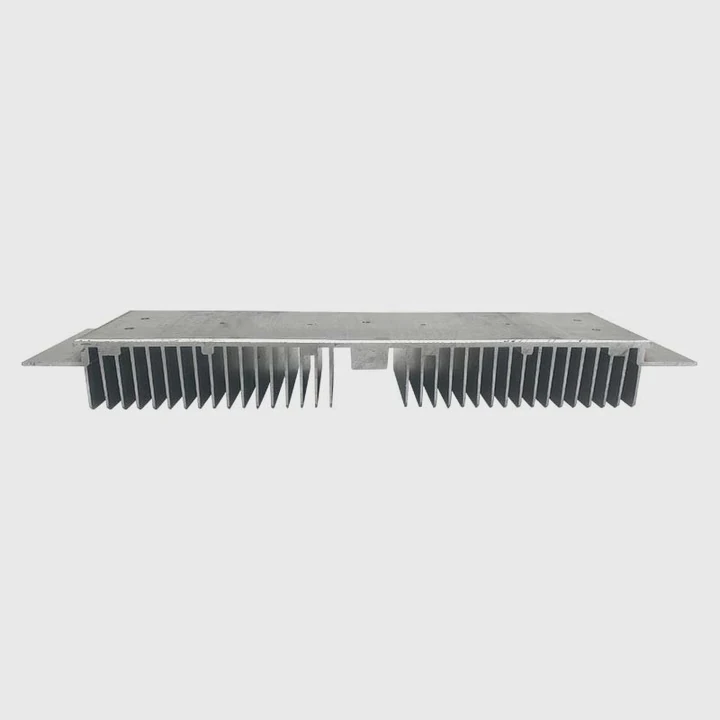
Yes. Even if there’s no visible damage, annual checks for seal integrity help prevent catastrophic failure. The seal maintains internal pressure and fluid retention — both essential for proper operation.
Indicators of Seal Problems
- Weld seam discoloration
- Edge corrosion or fluid residue
- Bubbling or blistering near edges
- Performance drop without mechanical deformation
If your vapor chamber includes a test port or fill valve, a vacuum decay test or helium leak test can be used.
When to Worry
| Condition | Recommendation |
|---|---|
| Visible seam crack | Replace immediately |
| Local discoloration at weld | Monitor and log; retest monthly |
| Sudden temperature increase | Re-test seal and consider replacement |
| Detected internal pressure drop | Replace or return to supplier |
If such tools aren’t available, careful visual seam inspection and thermal monitoring are your best indirect verification tools.
Is visual inspection enough for annual review?
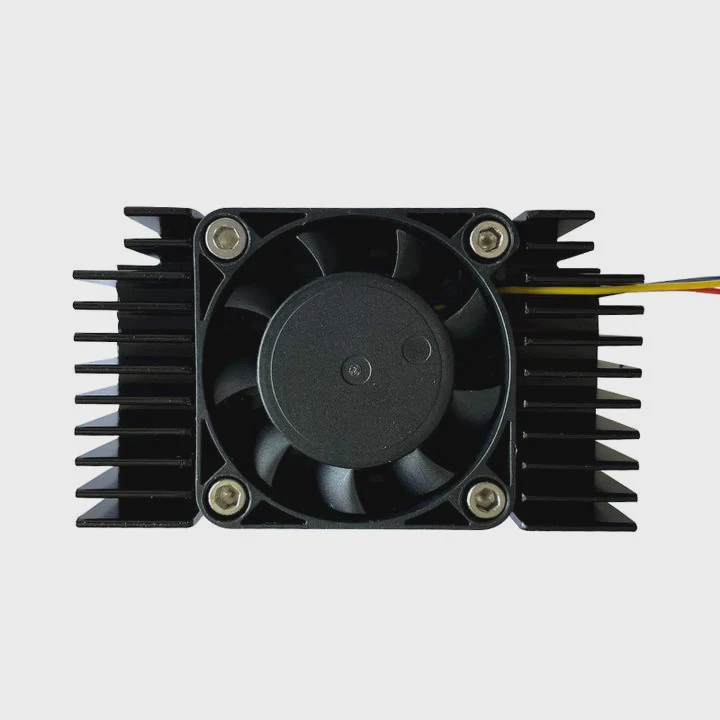
No. Visual inspection is a starting point — not the complete process. Many failure modes, especially internal ones, are invisible externally.
What Visual Checks Miss
- Internal wick degradation
- Fluid loss due to micro-leak
- Changes in vapor pressure
- Surface oxidation inside sealed cavity
Combine Visual + Functional Testing
The correct approach is to use a hybrid inspection model:
| Check Type | What it Detects | Tools Needed |
|---|---|---|
| Visual | Scratches, dents, discoloration | Eyes, magnifier, flashlight |
| Mechanical | Warp, flatness, torque consistency | Straight edge, torque driver |
| Thermal | Heat spread issues, dry-out, hotspots | Thermal probes, IR camera |
| Seal Integrity | Pressure loss, corrosion, leaks | Vacuum tester, visual seam check |
This holistic inspection method enables more accurate assessments and builds confidence in field operation reliability.
Example Annual Inspection Log Template
Here’s a sample table you can use to track annual inspection results across years:
| Item | 2022 | 2023 | 2024 | Notes |
|---|---|---|---|---|
| Surface condition | OK | OK | Dent | Noted scratch on corner |
| Flatness deviation (mm) | 0.02 | 0.03 | 0.05 | Within tolerance |
| Mounting torque (Nm) | 0.5 | 0.5 | 0.5 | Calibrated tool used |
| Max surface temp @ load (°C) | 68 | 71 | 76 | Trending upward |
| Edge temp deviation (°C) | 4.2 | 5.0 | 6.8 | Slight edge degradation |
| Weld seam visual result | OK | OK | Slight discoloration | Monitor monthly |
| Action Taken | Cleaned | Re-torqued | Logged |
Maintaining this log helps track performance drift and supports future warranty or replacement decisions.
Conclusion
A visual-only inspection is never enough for vapor chamber maintenance. You must inspect surface integrity, measure temperature behavior, check mounting pressure, and confirm seal condition. These steps combined provide a complete picture of thermal health.
Each annual inspection should follow a structured checklist. Keep records year over year, and always compare thermal readings under consistent conditions.
With these simple routines, you can greatly extend the life of your vapor chamber — ensuring reliable performance and reducing costly downtime.
TAGS
Latest Articles

Volume discount levels for heat sink orders?
Buyers often ask when heat sink prices start to drop with volume. Many worry they’re overpaying for small orders. This guide explains how B2B volume pricing works for thermal components. Heat sink
21 Dec,2025
Heat sink long-term supply contract options?
Many buyers want stable pricing and reliable delivery for heat sinks. But without a clear contract, risks grow over time. This article explores how to secure better long-term supply deals. Long-term
21 Dec,2025
Tooling cost for new heat sink profiles?
Many engineers struggle to understand why tooling for custom heat sinks costs so much. They worry about budgeting and production timelines. This article breaks down the cost drivers behind tooling.
21 Dec,2025
Heat sink custom sample process steps?
Sometimes, starting a custom heat sink project feels overwhelming—too many steps, too many unknowns, and too many risks. You want a sample, but not endless delays. The process for requesting and
20 Dec,2025
Standard B2B terms for heat sink payments?
When buyers and sellers in B2B heat sink markets talk about payment, many don’t fully understand what’s standard. This can lead to delayed orders, miscommunication, and even lost business
20 Dec,2025
Heat sink pricing factors for large orders?
Heat sinks are vital for many systems. When prices rise, projects stall and budgets break. This problem can hit teams hard without warning. Large order heat sink pricing depends on many factors. You
20 Dec,2025Related Articles
- Manual servicing for Vapor Chamber models
- How to extend Vapor Chamber service life?
- Common Vapor Chamber replacement parts?
- Typical after sales support for Vapor Chamber
- Warranty claim process for Vapor Chamber
- How long does a Vapor Chamber last?
- Common Vapor Chamber installation mistakes?
- Where to use Vapor Chamber effectively
- Vapor Chamber future development direction
- Vapor Chamber integration with AI hardware
- Low Carbon Vapor Chamber Manufacturing Trend
- Can Vapor Chamber improve EV charging stations?
Author
Dr. Emily Chen
Chief AI Researcher
Leading expert in thermal dynamics and AI optimization with over 15 years of experience in data center efficiency research.
Categories
Latest Products






Recommend Categories
- Liquid cooling plate Manufacturer
- Industrial Heat Sink Manufacturer
- Standard Heat Sink Manufacturer
- Aluminum Heat Sink Manufacturer
- Copper Heat Sink Manufacturer
- Anodized Heatsink Manufacturer
- Stamping heat sink Manufacturer
- Die Casting Heatsink Manufacturer
- Soldering heat sink Manufacturer
- CNC Parts Manufacturer
Latest Products
- Wholesale Aluminum Radiator
- Water Cooling Plate Kit
- Water Cooling Heat Sink
- Water Cooling Heat Sink Kit
- Stainless Steel Water Distributor
- Server Water Cooling Plate Kit
- Server Liquid Cooling System
- Server Aluminum Cooling Kit
- S19 Full Cover Cooling Plate
- S19 Cooling Plate Kit
- S19 Aluminum Cooling Plate
Contact Expert
Have questions about this article? Reach out to our experts directly.