Vapor Chamber future development direction
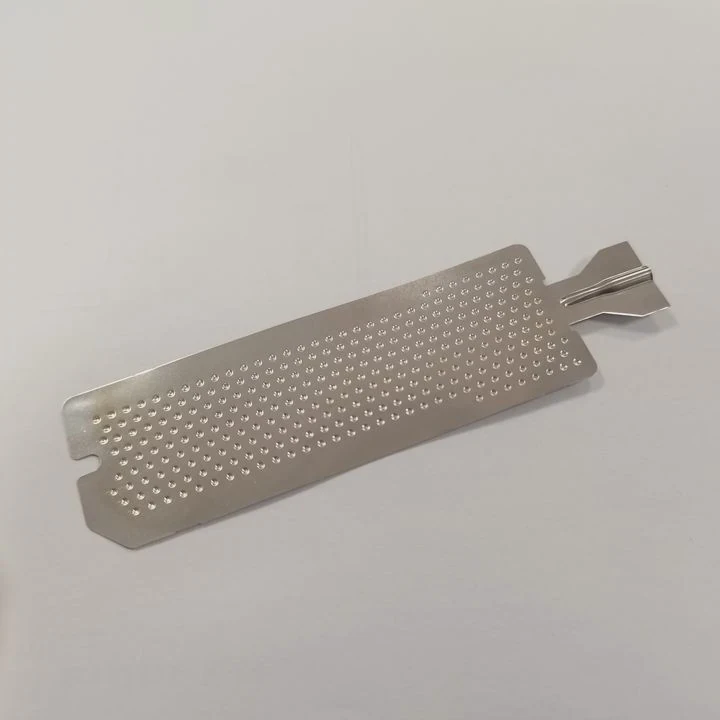
Vapor chamber tech continues evolving. As electronics, power modules, and thermal‑intensive systems grow more demanding, next‑generation vapor chambers must meet new challenges. The future will bring lighter, smarter, and more customized designs.
The future of vapor chambers lies in thinner, lighter structures, integrated sensing and control, and high‑customization to match diverse thermal needs. Below I explore key directions, prospects, and what to watch for.
What is the future direction of Vapor Chamber technology?
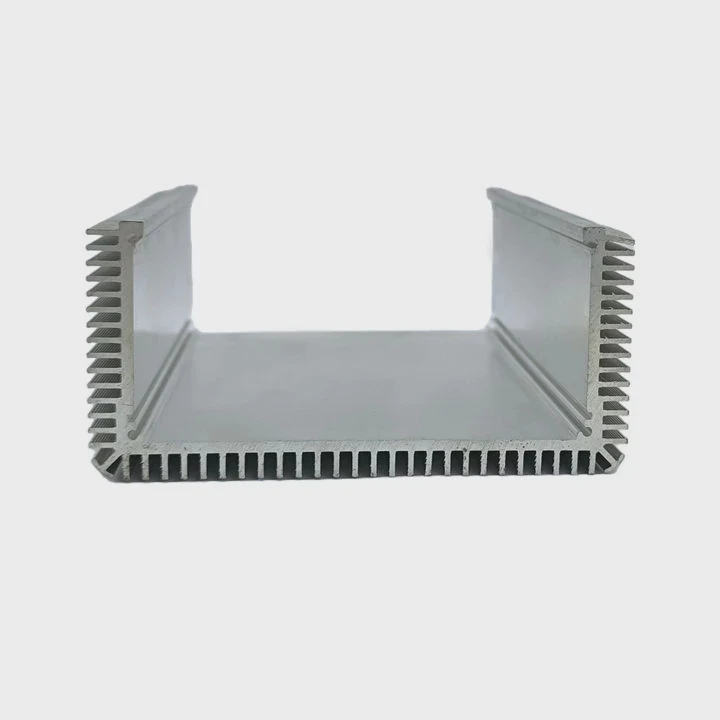
Thermal management demands are rising fast. Chips get hotter, power densities climb, and device form factors become more compact. Vapor chambers remain a top choice — but the next generation must adapt. I see several major development tracks:
- Ultra‑thin and lightweight chambers — deliver same heat spread in smaller volumes.
- Smart vapor chambers — integrated sensors (temperature, pressure, humidity) for real‑time monitoring.
- Modular and customizable designs — tailored shapes, materials, interfaces for specific applications.
- Hybrid cooling integration — combining vapor chambers with liquid‑cooling, phase‑change materials, or active airflow.
- Advanced materials and manufacturing — novel wicks, improved seals, corrosion‑resistant coatings, or additive manufacturing.
These push vapor chambers beyond passive heatsinks into intelligent, adaptive, long‑life cooling components — fitted for future electronics, industrial power modules, and high‑reliability systems.
Are thinner and lighter designs being developed?
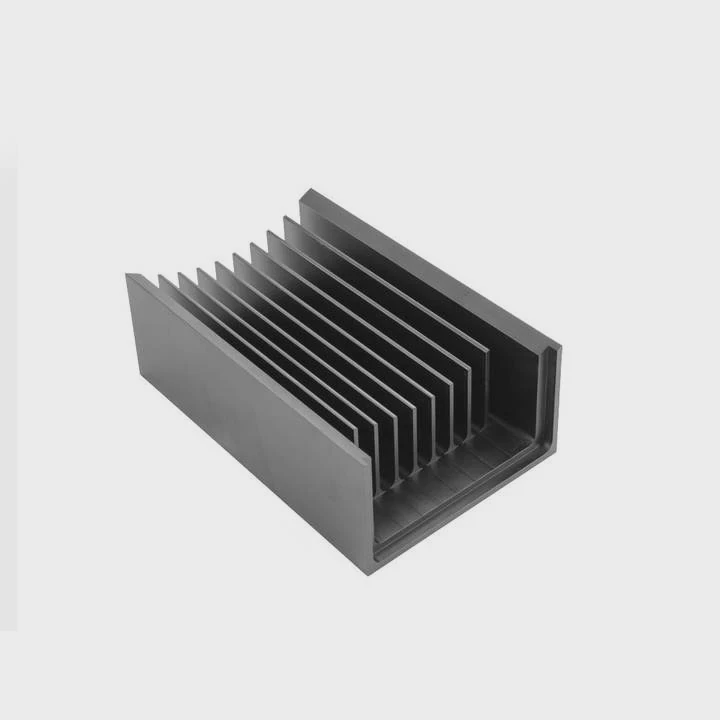
Yes — there is strong momentum toward ultra‑slim, lightweight vapor chambers. As device housings shrink and designers strive for minimal thickness, traditional bulky heat sinks lose appeal. Vapor chambers — with their flat, plate‑like geometry — fit this shift.
What thinner/light chambers aim for:
| Goal | Benefit |
|---|---|
| Reduced chamber thickness (e.g. ≤ 1.5–2 mm) | Better fit in slim laptops, mobile devices |
| Lower mass using lighter materials | Less mechanical stress, easier installation |
| Slim profile without fins or fans | Enables passive or low‑noise cooling |
| High heat spread despite small volume | Maintains performance while saving space |
Challenges to solve:
- Maintaining structural integrity — thinner walls must still resist internal vacuum and pressure cycles.
- Ensuring weld/seal reliability — thinner shells make welding or bonding more delicate.
- Preserving wick and fluid functionality — as internal volume reduces, wick structure and fluid fill ratios require optimization.
- Balancing cost and manufacturability — advanced manufacturing (e.g. precision CNC, laser welding) becomes more demanding.
Given current trends in ultrabooks, compact industrial controllers, and portable power modules, development towards slim and lightweight vapor chambers seems inevitable and desirable.
Will integration with sensors be a trend?
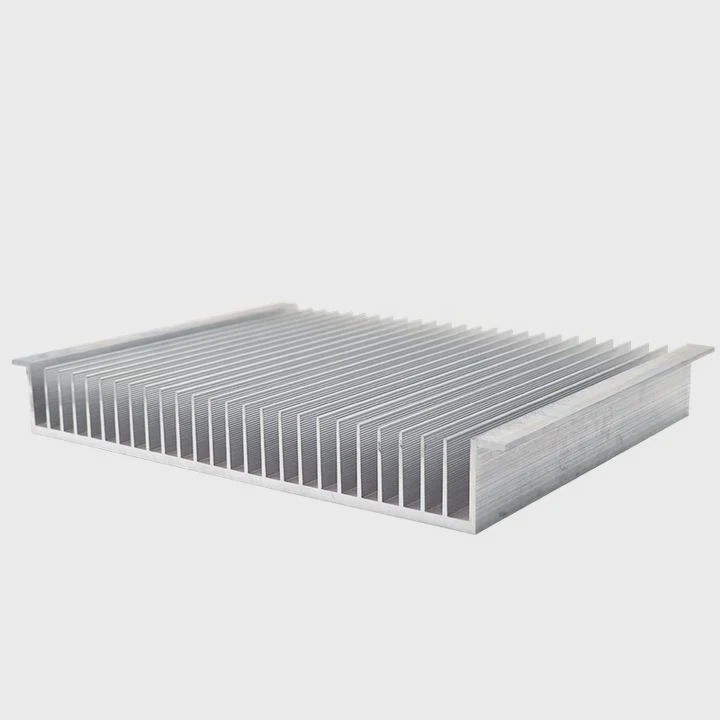
Yes — integrating sensors into vapor chambers and their cooling systems is a likely next step. As devices become more intelligent and demand failsafe reliability, monitoring and feedback are invaluable.
Possible sensor integrations:
| Sensor Type | Monitoring Purpose | Benefit for System |
|---|---|---|
| Temperature sensors | Baseplate, edge, or ambient temperature | Detect hotspots, thermal drift |
| Pressure or vacuum sensors | Internal pressure/vacuum status (in serviceable models) | Early leak detection, preventive maintenance |
| Humidity / moisture sensors | External environment humidity around package or enclosure | Detect condensation risks, corrosion potential |
| Thermal flux / heat flow sensors | Real‑time thermal load tracking | Adaptive cooling control, safety |
| Strain / stress sensors (for thin / flexible chambers) | Monitor mechanical stress or deformation | Prevent structural failure |
Why integrated sensors make sense:
- They enable condition‑based maintenance rather than fixed-time replacement.
- They support smart systems: adaptive cooling, early warning of thermal or seal issues.
- They increase safety and reliability, especially in critical systems (industrial, aerospace, power electronics).
- They supply data for optimization — designers can refine cooling design, material selection, and maintenance cycles.
Future vapor chamber modules might ship with built‑in temperature strips, pressure sensors, or connectors for external monitoring. As IoT and smart systems spread, sensor-integrated cooling components will likely become standard.
Is customization driving next‑gen Vapor Chambers?
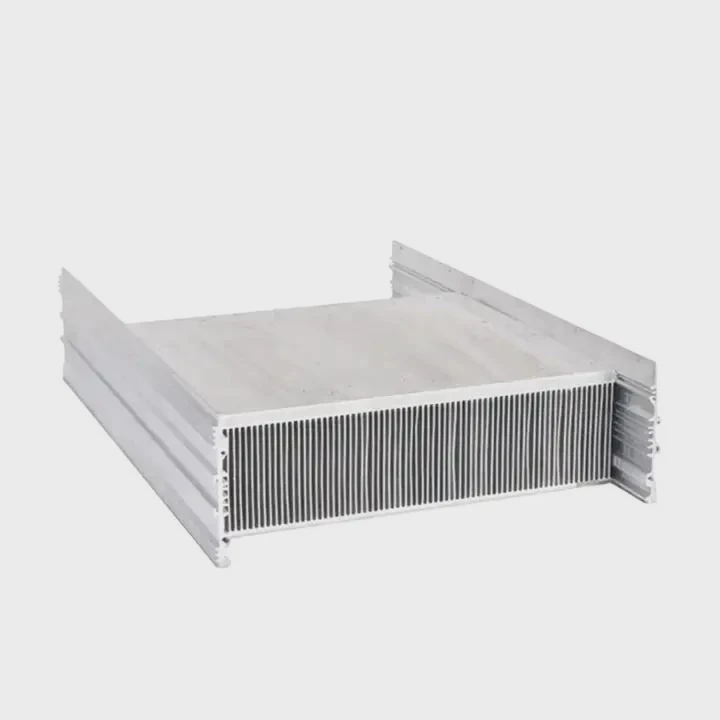
Absolutely. As applications diversify — from tiny mobile devices to large industrial racks — one-size-fits-all vapor chambers no longer suffice. Custom shapes, materials, and design features are becoming critical.
What customization involves:
- Tailored shapes and sizes — to fit tight mechanical layouts or unusual heat‑source geometries (e.g. L‑shaped boards, multi‑chip arrays).
- Custom mounting interfaces — screw patterns, brackets, standoffs tailored to the client’s chassis or heat‑sink design.
- Material choices — e.g. alternative alloys, corrosion-resistant coatings, or composite materials to balance weight, conductivity, and durability.
- Hybrid integration — combining vapor chambers with cold‑plates, liquid loops, phase‑change materials, or embedded sensors.
- Pre‑validated thermal performance — supplier performs simulations and tests tailored to customer load profiles, ensuring the vapor chamber matches real-world demands.
Why customization matters:
- Many modern devices have non‑standard mechanical constraints — custom vapor chambers ensure fit and function.
- Customization enables optimization of thermal path — designer can align chamber geometry, mounting pressure, and interface surfaces for maximum efficiency.
- It supports scalable manufacturing — for OEMs and ODMs, custom designs allow easier integration into product lines.
- It improves reliability and maintenance — tailored sealing, materials and documentation ease long-term use in harsh or critical environments.
Custom vapor chambers are already offered by advanced suppliers for server platforms, telecom equipment, industrial power modules, and bespoke cooling solutions. This trend will likely expand.
Outlook: What next‑gen Vapor Chambers might look like
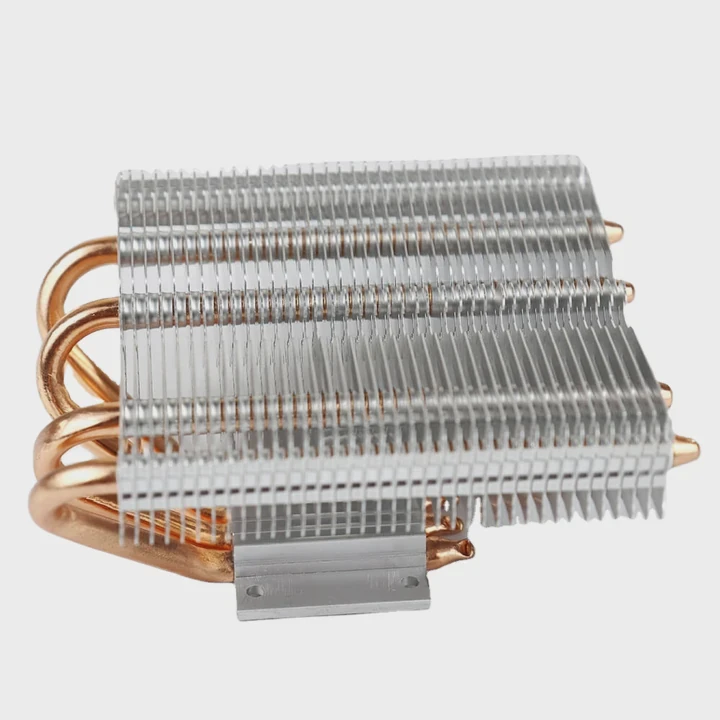
Putting together the trends above, next‑generation vapor chambers will likely embody these characteristics:
- Ultra-slim form factor (2 mm or less), lightweight yet structurally robust
- Integrated sensor arrays for thermal, pressure, humidity, or stress monitoring
- Modular, customizable shapes to match complex component layouts
- Hybrid cooling options — built-in cold-plate surfaces, liquid cooling interfaces, or phase‑change adjuncts
- Improved materials — corrosion-resistant coatings, composite shells, advanced wick materials for higher capillary performance
- Smart diagnostics and maintenance support — enabling predictive maintenance, remote monitoring or thermal optimization
These innovations will make vapor chambers not just passive thermal spreaders but intelligent, adaptable cooling modules — ready for the evolving needs of future electronics, power systems, and industrial platforms.
Conclusion
Vapor chamber technology stands at a crossroads. As devices demand more heat dissipation in tighter, thinner, and more complex configurations, vapor chambers must evolve too. The future points toward slimmer designs, customization, sensor integration, and hybrid solutions.
For designers, engineers, and manufacturers, this means one thing: vapor chambers will soon be more than fixed heat-sinks — they will become smart, modular, and responsive thermal platforms. Investing in this direction now positions products for future performance, reliability, and adaptability.
TAGS
Latest Articles

Volume discount levels for heat sink orders?
Buyers often ask when heat sink prices start to drop with volume. Many worry they’re overpaying for small orders. This guide explains how B2B volume pricing works for thermal components. Heat sink
21 Dec,2025
Heat sink long-term supply contract options?
Many buyers want stable pricing and reliable delivery for heat sinks. But without a clear contract, risks grow over time. This article explores how to secure better long-term supply deals. Long-term
21 Dec,2025
Tooling cost for new heat sink profiles?
Many engineers struggle to understand why tooling for custom heat sinks costs so much. They worry about budgeting and production timelines. This article breaks down the cost drivers behind tooling.
21 Dec,2025
Heat sink custom sample process steps?
Sometimes, starting a custom heat sink project feels overwhelming—too many steps, too many unknowns, and too many risks. You want a sample, but not endless delays. The process for requesting and
20 Dec,2025
Standard B2B terms for heat sink payments?
When buyers and sellers in B2B heat sink markets talk about payment, many don’t fully understand what’s standard. This can lead to delayed orders, miscommunication, and even lost business
20 Dec,2025
Heat sink pricing factors for large orders?
Heat sinks are vital for many systems. When prices rise, projects stall and budgets break. This problem can hit teams hard without warning. Large order heat sink pricing depends on many factors. You
20 Dec,2025Related Articles
- Where to use Vapor Chamber effectively
- Common Vapor Chamber installation mistakes?
- Vapor Chamber annual inspection guidelines?
- Manual servicing for Vapor Chamber models
- How to extend Vapor Chamber service life?
- Common Vapor Chamber replacement parts?
- Vapor Chamber integration with AI hardware
- Low Carbon Vapor Chamber Manufacturing Trend
- Can Vapor Chamber improve EV charging stations?
- Demand forecast for Vapor Chamber 2030?
- Collaboration opportunity for Vapor Chamber technology?
- Sustainable materials for Vapor Chamber production?
Author
Dr. Emily Chen
Chief AI Researcher
Leading expert in thermal dynamics and AI optimization with over 15 years of experience in data center efficiency research.
Categories
Latest Products






Recommend Categories
- Liquid cooling plate Manufacturer
- Industrial Heat Sink Manufacturer
- Standard Heat Sink Manufacturer
- Aluminum Heat Sink Manufacturer
- Copper Heat Sink Manufacturer
- Anodized Heatsink Manufacturer
- Stamping heat sink Manufacturer
- Die Casting Heatsink Manufacturer
- Soldering heat sink Manufacturer
- CNC Parts Manufacturer
Latest Products
- Wholesale Aluminum Radiator
- Water Cooling Plate Kit
- Water Cooling Heat Sink
- Water Cooling Heat Sink Kit
- Stainless Steel Water Distributor
- Server Water Cooling Plate Kit
- Server Liquid Cooling System
- Server Aluminum Cooling Kit
- S19 Full Cover Cooling Plate
- S19 Cooling Plate Kit
- S19 Aluminum Cooling Plate
Contact Expert
Have questions about this article? Reach out to our experts directly.