Where to use Vapor Chamber effectively
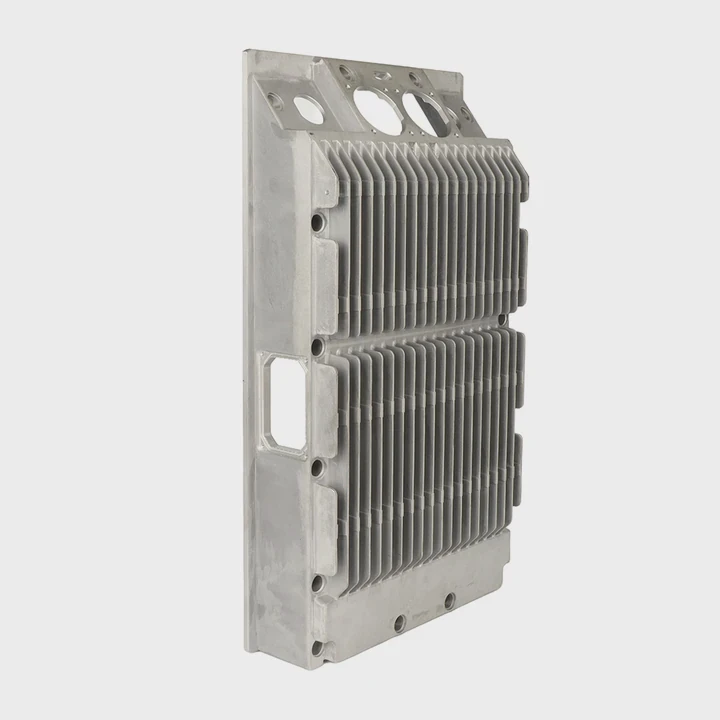
Vapor chambers offer compact, high-efficiency thermal spreading. However, they’re not universally suitable for every application. Choosing the right use cases helps unlock their full cooling potential.
Vapor chambers perform best in high-power, space-limited, and thermally challenging environments, especially when paired with effective heat dissipation paths. Let’s explore the most appropriate scenarios.
Which environments suit Vapor Chamber deployment best?
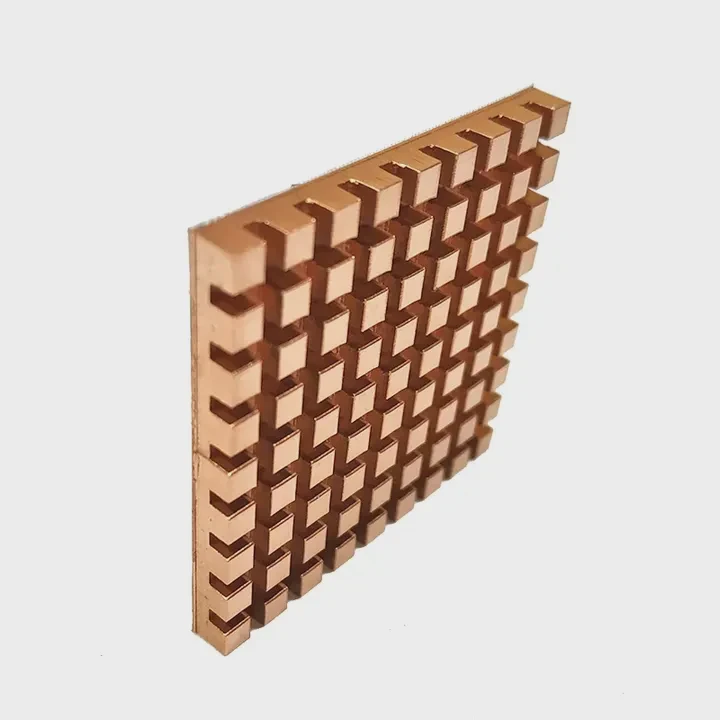
Some environments demand fast, even heat dissipation. Vapor chambers thrive when heat is concentrated and needs to be spread over a larger surface quickly.
Ideal Conditions for Vapor Chamber
| Environment Type | Key Advantages with Vapor Chamber |
|---|---|
| High power density | Efficiently manages heat from small hot components |
| Compact enclosures | Slim profile fits in space-limited systems |
| Thermally isolated areas | Uniform spreading compensates poor airflow zones |
| Liquid-cooled bases | Enhances coolant efficiency by distributing heat |
| Server/Telecom racks | Helps maintain temperature consistency across modules |
These systems often cannot accommodate bulky radiators or rely solely on airflow. A vapor chamber distributes heat internally, making downstream cooling more efficient.
When Vapor Chambers Underperform
| Limiting Factor | Explanation |
|---|---|
| Poor mounting surfaces | Reduces contact and thermal transfer |
| No downstream heat dissipation | Heat stays in system, defeating the purpose |
| Mechanical stress/flexing | May damage internal wick or seals |
| Very low heat loads | Simpler heat sinks may be more cost-effective |
Are mobile devices ideal for Vapor Chamber use?
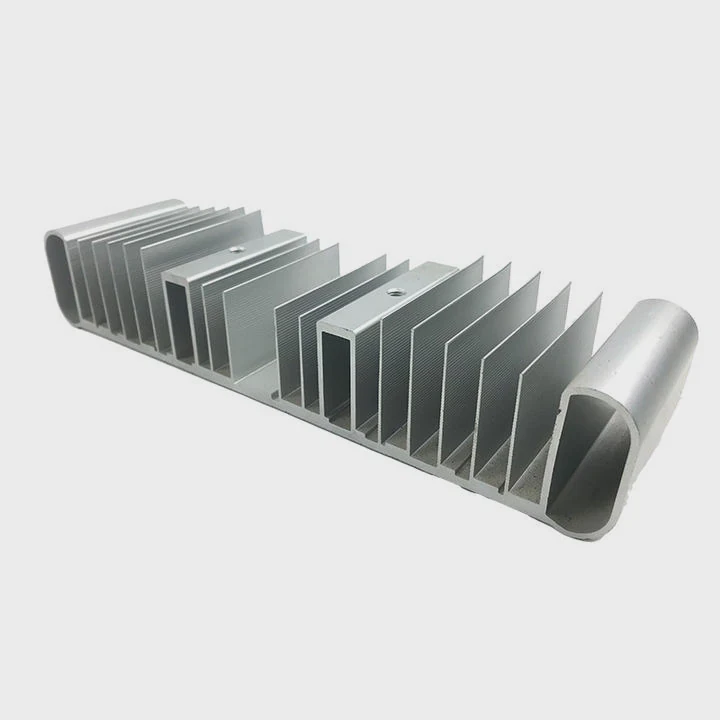
Yes, mobile devices like tablets, phones, and ultra-thin laptops benefit significantly from vapor chamber cooling — with certain constraints.
Mobile Device Fit
| Feature | Vapor Chamber Advantage |
|---|---|
| Thin chassis | Replaces bulky copper blocks or pipe clusters |
| Silent cooling | Spreads heat passively, avoiding noisy fans |
| Localized hotspots | Smooths out chip temperature spikes |
| Flat form factor | Integrates easily below PCBs or casing plates |
Key Challenges
- Bending/Flexing: Physical stress during use or drops may deform the chamber
- Cost: Higher than graphite sheets or basic heat sinks
- Thermal bottlenecks: Limited external surface to dissipate heat after spreading
In high-performance phones or gaming laptops, vapor chambers are essential. They prevent thermal throttling and keep user-facing surfaces comfortable.
Do industrial systems benefit from Vapor Chambers?
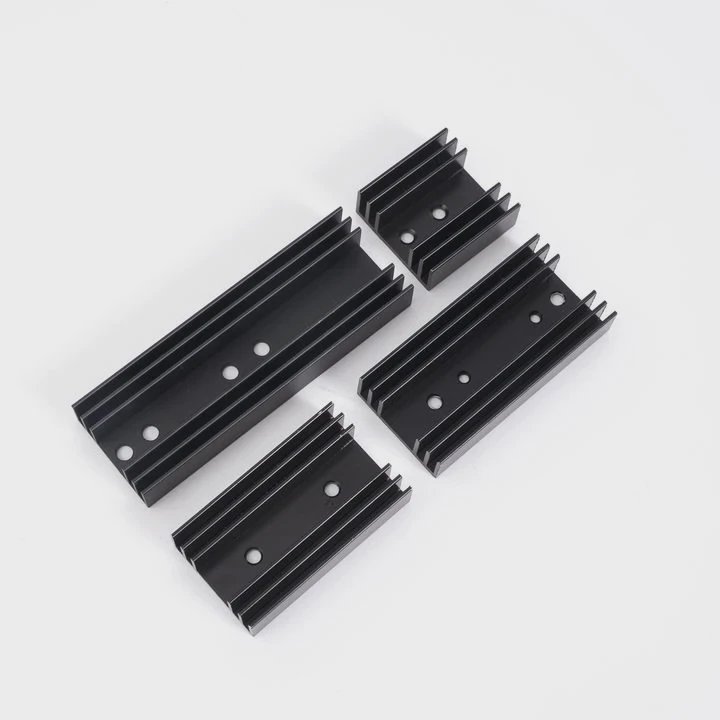
Industrial electronics often operate under constant thermal load. Vapor chambers are a strong fit where systems run continuously, and cooling needs are demanding.
Where Industrial Systems Benefit
- High-current power modules: Uniform heat spreading protects sensitive components
- Rack-mounted control boards: Helps distribute heat to shared cold plates or airflow systems
- Laser and optical devices: Maintains precise thermal profiles for optics alignment
- Medical equipment: Quiet, maintenance-free cooling with tight thermal tolerances
- Battery and inverter systems: Reduces local heating, improving safety and efficiency
In industrial environments, vapor chambers also reduce reliance on complex fans or large copper plates.
Can confined spaces use Vapor Chamber cooling?
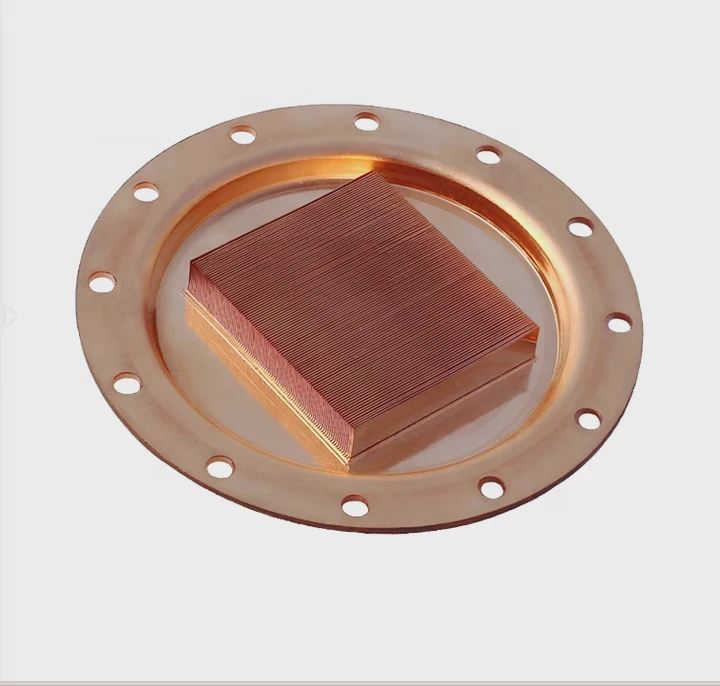
Yes — confined spaces present one of the strongest use cases for vapor chambers, as long as heat has somewhere to go after spreading.
Effective Use in Confined Spaces
| Condition | Vapor Chamber Role |
|---|---|
| Minimal airflow | Provides thermal uniformity where fans can’t |
| Multi-chip modules | Spreads heat evenly from multiple heat sources |
| Chassis conduction | Transfers heat efficiently to system shell |
| Embedded devices | Maintains temperature control without fans |
Important Design Notes
- Ensure heat path exists: to chassis, heatsink, or fan
- Avoid sharp bends or stress: may damage internal structure
- Use proper TIM: poor contact negates performance gains
- Seal surfaces to avoid dust infiltration: preserves thermal consistency
When designed correctly, vapor chambers allow high-power density in tight quarters — enabling silent or passively cooled electronics.
Summary: Vapor Chamber Deployment Matrix
| Application Category | Suitability | Key Considerations |
|---|---|---|
| High-performance laptops | High | Ensure flat mounting, tight enclosure control |
| Telecom base stations | High | Space-efficient, reliable thermal spreading |
| Consumer tablets/phones | Medium | Handle mechanical flex, limited surface area |
| Industrial power modules | High | Uniform heat control, integration with liquid |
| Basic desktop computers | Low | Cost may not justify benefit |
Conclusion
Vapor chambers are highly efficient when used in the right setting — high heat, tight space, and systems needing passive or low-noise solutions. Mobile devices, industrial racks, telecom systems, and embedded modules are excellent use cases. Success depends on design integration: ensure contact surfaces are flat, pressure is even, and downstream cooling is available.
When matched correctly, vapor chambers enhance reliability, reduce hotspots, and improve thermal stability across critical systems.
TAGS
Latest Articles

Volume discount levels for heat sink orders?
Buyers often ask when heat sink prices start to drop with volume. Many worry they’re overpaying for small orders. This guide explains how B2B volume pricing works for thermal components. Heat sink
21 Dec,2025
Heat sink long-term supply contract options?
Many buyers want stable pricing and reliable delivery for heat sinks. But without a clear contract, risks grow over time. This article explores how to secure better long-term supply deals. Long-term
21 Dec,2025
Tooling cost for new heat sink profiles?
Many engineers struggle to understand why tooling for custom heat sinks costs so much. They worry about budgeting and production timelines. This article breaks down the cost drivers behind tooling.
21 Dec,2025
Heat sink custom sample process steps?
Sometimes, starting a custom heat sink project feels overwhelming—too many steps, too many unknowns, and too many risks. You want a sample, but not endless delays. The process for requesting and
20 Dec,2025
Standard B2B terms for heat sink payments?
When buyers and sellers in B2B heat sink markets talk about payment, many don’t fully understand what’s standard. This can lead to delayed orders, miscommunication, and even lost business
20 Dec,2025
Heat sink pricing factors for large orders?
Heat sinks are vital for many systems. When prices rise, projects stall and budgets break. This problem can hit teams hard without warning. Large order heat sink pricing depends on many factors. You
20 Dec,2025Related Articles
- Common Vapor Chamber installation mistakes?
- Vapor Chamber annual inspection guidelines?
- Manual servicing for Vapor Chamber models
- How to extend Vapor Chamber service life?
- Common Vapor Chamber replacement parts?
- Typical after sales support for Vapor Chamber
- Vapor Chamber future development direction
- Vapor Chamber integration with AI hardware
- Low Carbon Vapor Chamber Manufacturing Trend
- Can Vapor Chamber improve EV charging stations?
- Demand forecast for Vapor Chamber 2030?
- Collaboration opportunity for Vapor Chamber technology?
Author
Dr. Emily Chen
Chief AI Researcher
Leading expert in thermal dynamics and AI optimization with over 15 years of experience in data center efficiency research.
Categories
Latest Products






Recommend Categories
- Liquid cooling plate Manufacturer
- Industrial Heat Sink Manufacturer
- Standard Heat Sink Manufacturer
- Aluminum Heat Sink Manufacturer
- Copper Heat Sink Manufacturer
- Anodized Heatsink Manufacturer
- Stamping heat sink Manufacturer
- Die Casting Heatsink Manufacturer
- Soldering heat sink Manufacturer
- CNC Parts Manufacturer
Latest Products
- Wholesale Aluminum Radiator
- Water Cooling Plate Kit
- Water Cooling Heat Sink
- Water Cooling Heat Sink Kit
- Stainless Steel Water Distributor
- Server Water Cooling Plate Kit
- Server Liquid Cooling System
- Server Aluminum Cooling Kit
- S19 Full Cover Cooling Plate
- S19 Cooling Plate Kit
- S19 Aluminum Cooling Plate
Contact Expert
Have questions about this article? Reach out to our experts directly.