Demand forecast for Vapor Chamber 2030?
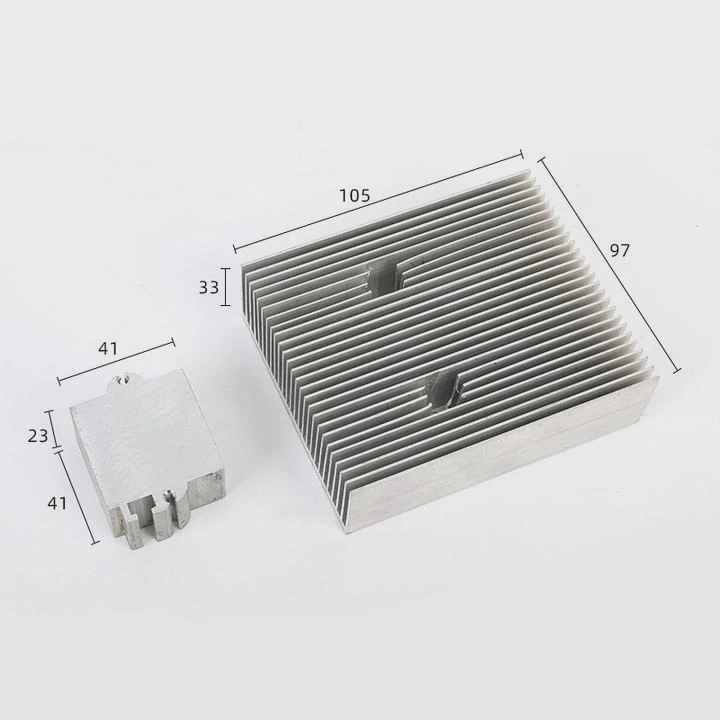
The demand for vapor chambers is rising fast as devices get hotter and denser. Many firms wonder how big the market will be by 2030.
Demand for vapor chambers could grow by more than 4× compared to 2025, reaching over US$2‑3 billion globally by 2030.
The growth seems driven by heat challenges in electronics and shifts toward electric vehicles and high‑power computing. Below we explore where growth comes from and why demand may surge.
As you read on, you will find details about size, key regions, and major industry trends shaping the vapor chamber market.
What is the projected market size for Vapor Chambers by 2030?
The heat in compact devices is a growing problem that many engineers fear. Vapor chambers offer a solution to cool chips and power modules.
By 2030, market analysts estimate global shipments of vapor chambers will surpass 30–40 million units annually, translating to a market value of roughly US$2–3 billion.
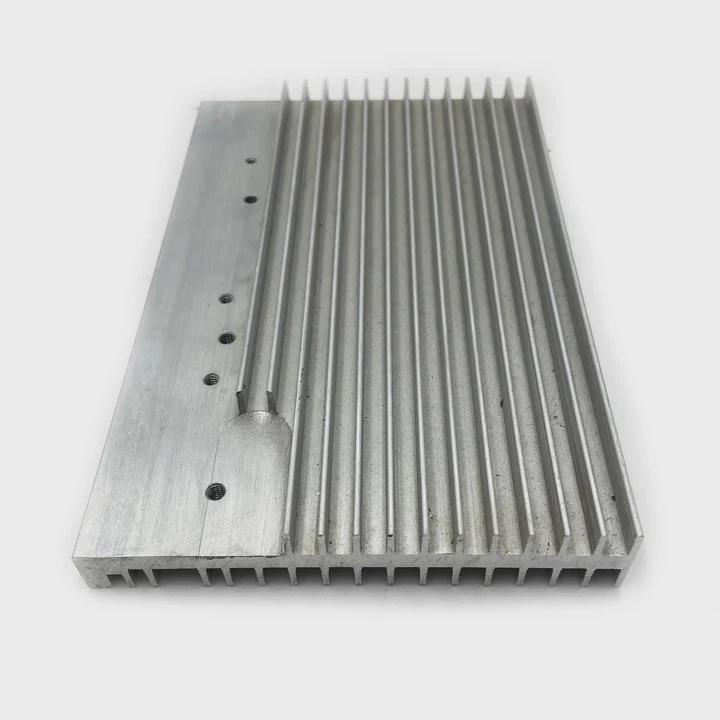
In deeper view, several factors combine to drive this growth. First, computing demand is rising. Data centers, high‑performance servers, and edge computing nodes require efficient cooling. Traditional fans or simple heat sinks often fail at high power densities. Vapor chambers bring high thermal spread and can work with passive or active systems. Also, consumer electronics—like gaming laptops, powerful smartphones, and AR/VR devices—are pushing thermal design limits. Vapor chambers help these devices stay thin and run cool.
Second, manufacturing costs of vapor chambers have dropped in recent years. Advances in material techniques and volumes make them more cost‑effective. The relative cost added to a device is shrinking, which lowers the barrier for adoption. As OEMs see better performance per cost, more devices integrate vapor chambers.
Third, the push for energy efficiency and reliability in server racks and telecom equipment drives vapor chamber use. Heat causes failures and energy waste. Using vapor chambers can cut energy usage from cooling fans and improve long‑term reliability. That makes them attractive for data centers and telecom base stations.
Finally, regulatory and environmental pressures encourage efficient thermal management. Lower energy use and more stable thermal behavior tie into energy standards and long duty cycles of modern electronics.
We can group projected demand by application segment in a rough table:
| Application segment | Estimated share of total units by 2030 | Key drivers |
|---|---|---|
| Data centers & servers | 35% – 45% | High power chips, reliability, energy savings |
| Consumer laptops & devices | 25% – 30% | Thin designs, high performance, thermal comfort |
| EV power electronics & motors | 15% – 20% | High current, thermal density, EV growth |
| Telecom / 5G / base stations | 5% – 10% | High load, reliability, 24⁄7 operation |
| Industrial & others | 5% – 10% | Diverse heat problems, custom cooling needs |
These numbers are rough but show the broad base for demand. If most segments grow steadily, the market size in dollars and unit volume will expand significantly.
Overall, the projected market size by 2030 reflects a strong need for high‑efficiency thermal solutions in increasingly power‑dense electronics.
Which regions will lead in future Vapor Chamber demand?
Many regions across the world show demand for better thermal solutions. Some areas will lead due to manufacturing, end‑use electronics market, or EV adoption.
Asia‑Pacific (especially China, Southeast Asia, and South Korea), North America, and parts of Europe will lead the demand, with Asia‑Pacific likely contributing over 40% of global shipments by 2030.
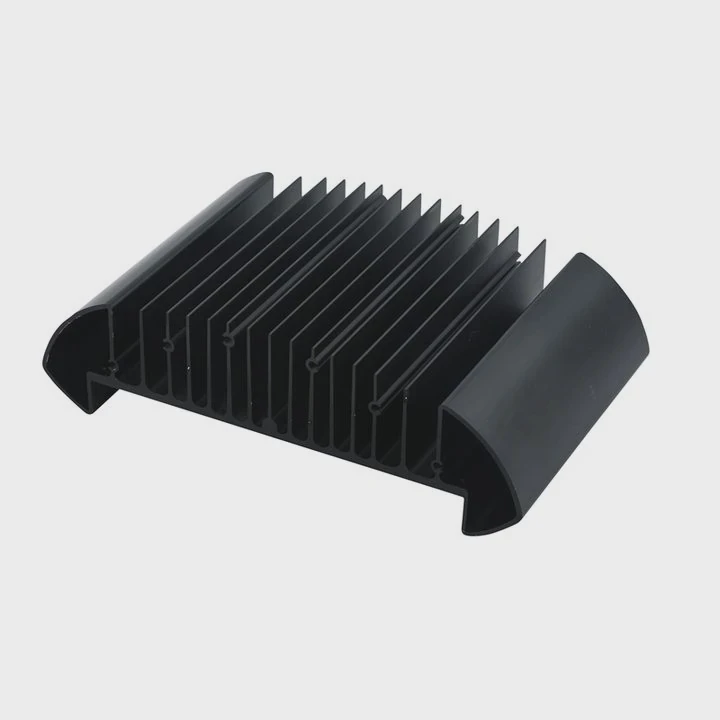
Key Regions and Why They Lead
Asia‑Pacific
Asia‑Pacific combines several advantages. Many electronics manufacturers and OEMs are based here. Device assembly, semiconductor foundries, and EV production are concentrated in China, South Korea, Taiwan, and Southeast Asia. Lower manufacturing cost and proximity to component suppliers favor integrating vapor chambers. Also, consumer demand for cutting‑edge electronics is high in countries like China, India, South Korea, and parts of Southeast Asia. These regions tend to adopt new technologies quickly.
Growing local data centers and telecom infrastructure (for 5G/6G) add to demand. Telecom infrastructure often requires robust cooling solutions because equipment works continuously under heavy load. Vapor chambers provide effective thermal management for base stations, edge servers, and telecom switches.
North America
In North America, demand comes mainly from high‑performance computing, data centers, enterprise servers, telecom infrastructure, and EV markets. Data centers of big cloud providers and edge computing facilities often require efficient cooling at scale. The region also leads in adoption of EVs and energy storage systems that need reliable thermal management. Many high‑end laptops and gaming machines also come from North America or target that market.
Europe
Europe shows growth due to industrial electronics, EV adoption, and high energy efficiency standards. European automotive OEMs are shifting toward electrification. Industrial automation and renewable energy systems also increase. That pushes demand for thermal management solutions like vapor chambers.
| Region | Key growth drivers | Challenges or Constraints |
|---|---|---|
| Asia‑Pacific | Electronics manufacturing, EV production, telecom build-out | Supply‑chain bottlenecks, raw material cost fluctuation |
| North America | Data centers, HPC, EV/energy storage, gaming laptops | Higher labor cost, stricter environmental rules |
| Europe | EVs, industrial automation, energy efficiency, telecom infrastructure | Regulatory compliance, slower adoption in some sectors |
Why Asia‑Pacific May Dominate
Asia’s high manufacturing density and integrated supply chains create advantages. Many electronics and EV makers source components locally. When vapor chambers become standard parts, local use rises quickly. Also, production scales help keep costs down. Lower cost improves adoption further.
Moreover, some governments in Asia push for domestic semiconductor growth and EV transition. That encourages investments in infrastructure and manufacturing, which supports vapor chamber demand.
North America and Europe Demand Patterns
In North America, the push is from data centers and EV/energy storage sectors. The pace may depend on how fast EV adoption and data center expansion continues. In Europe, growth looks steadier but slower. Strict environmental and safety rules might slow down rapid adoption in some sectors.
Overall, regional demand will reflect local industries and adoption pace. Many suppliers will need to tailor strategies by region to capture growth.
Are electric vehicles driving long-term growth?
Heat is a big challenge in electric vehicles. Power electronics, battery packs, inverters, and motors all generate heat. Without good cooling, performance and battery life suffer.
Yes. EV growth and increasing use of battery packs, motors, and power modules will drive long-term demand for vapor chambers, likely representing 15–25% of overall vapor chamber demand by 2030.

Why EVs Need Vapor Chambers
EVs use parts that run hot. Battery modules produce heat during charge/discharge cycles. Power electronics like inverters or DC‑DC converters generate thermal load under high current. Motors too. Traditional cooling mechanisms may not handle sharp temperature spikes, especially in compact electric cars or e‑bikes. Vapor chambers can help spread the heat and pair with liquid or passive cooling to keep temperatures under control.
As EV adoption rises worldwide, the total number of vehicles on roads with high power density modules increases. That scales thermal management needs significantly. When millions of EVs are produced annually, even a small share of vapor chamber adoption translates to tens of millions of units. That adds a notable portion to global vapor chamber shipments.
Growth Estimate for EV‑Related Use
Below is a rough projection of vapor chamber units for EV-related modules under two scenarios by 2030:
| Scenario | Annual EV production | Vapor chamber integration rate | Estimated vapor chamber units from EV sector |
|---|---|---|---|
| Conservative | 40 million vehicles | 10% | ~4 million units |
| Aggressive | 60 million vehicles | 20% | ~12 million units |
These numbers show that EVs could contribute meaningfully to demand.
Additional Considerations
- As thermal standards become stricter, automotive manufacturers may require better cooling to meet longevity and safety metrics. That pushes vapor chamber adoption.
- Use of solid‑state batteries or fast charging will increase heat generation during operation. That adds pressure for advanced cooling.
- Integration of power electronics, battery modules, and cabin thermal systems may allow modular cooling solutions. Vapor chambers could become a building block for such modular systems.
However, growth depends on EV producers’ willingness to adopt the technology. Some may rely on legacy cooling solutions — pumps, liquid cooling plates, air cooling. For vapor chambers to take share, manufacturers need to see clear benefits in cost, weight, or reliability.
Overall, EV expansion presents a real opportunity for vapor chamber demand. As EV sales rise, so does potential for vapor chamber integration.
Will semiconductor industry dominate future usage?
High‑end chips generate increasing heat. As chips get faster and more power hungry, their thermal density increases. Cooling needs rise. Vapor chambers offer good thermal spread over chip area.
Yes. The semiconductor industry — including servers, consumer CPUs/GPUs, AI chips — will likely dominate vapor chamber usage by 2030, possibly making up 40–50% of total demand.
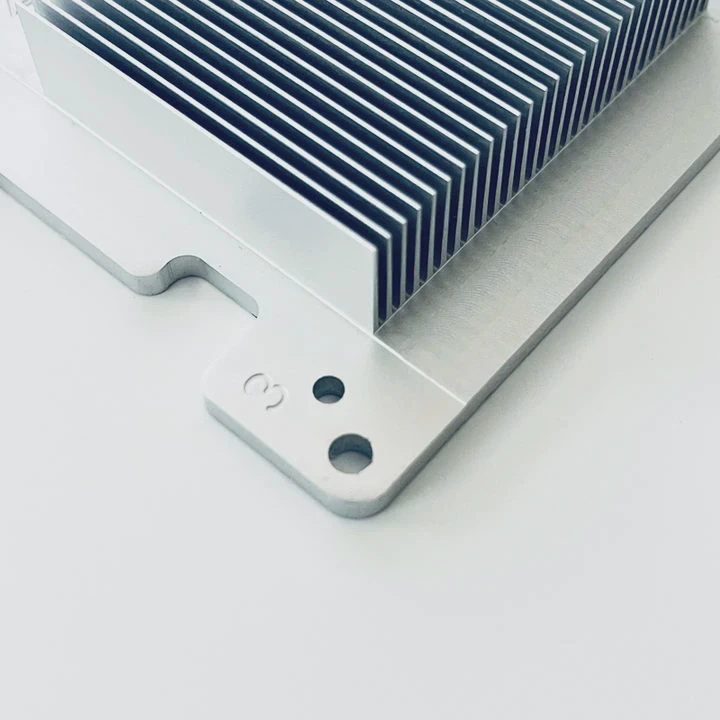
Why Semiconductors Push Vapor Chamber Use
Elevated Power Density
Modern CPUs, GPUs, AI accelerators run at high power. They produce much more heat per square centimeter than older chips. Traditional heat sinks or small heat spreaders struggle to handle that heat. Vapor chambers provide better lateral heat conduction. That spreads heat across a larger area before dissipation. This reduces hotspots and improves reliability.
Growth in Data Centers and AI Infrastructure
Cloud computing and AI workloads are growing. Data centers are deploying GPU racks, AI servers, high‑density compute nodes. These systems run 24⁄7 under heavy load. They need stable cooling to avoid thermal throttling or failures. Vapor chambers help keep temperatures within safe limits while keeping the system compact and efficient.
Consumer High‑Performance Devices
Gaming laptops, high‑end desktops, workstations for video editing or 3D rendering are trending. These devices push thermal design to the limit. Vapor chambers enable thin designs with high thermal performance. More OEMs may choose vapor chambers to meet thermal budgets without making devices bulky.
Breakdown of Expected Vapor Chamber Demand by Industry Segment
| Segment | 2025 Share (est.) | 2030 Forecast (est.) | Growth Driver |
|---|---|---|---|
| Data center / server chips | 25–30% | 35–40% | AI, cloud workloads, GPU servers |
| Consumer CPU/GPU / laptops | 15–20% | 20–25% | High‑performance, thin/light designs |
| Edge computing / telecom | 10–15% | 10–15% | 5G/6G base stations, edge servers |
| Embedded / industrial chips | 5–10% | 5–10% | IoT, automation, specialized industrial use |
This forecast shows that as semiconductor complexity increases, vapor chamber use is likely to rise especially in servers and consumer hardware.
Challenges and What Could Slow Down Adoption
- Cost pressures: For some budget‑level chips and devices, manufacturers may prefer cheaper solutions. Vapor chambers add cost and complexity. If performance gains or thermal needs are modest, they may skip them.
- Competing cooling solutions: Liquid cooling, heat pipes, or passive thermal spreaders might evolve, offering alternative paths. If they improve enough, they may compete with vapor chambers.
- Size and design constraints: Some chips or modules may have layout or thickness constraints that make vapor chamber integration difficult. Engineers may choose flexible heat pipes or spreaders instead.
Despite these challenges, I expect the combination of high power chips, dense data centers, and consumer demand will push vapor chamber usage higher in semiconductor‑driven devices.
Conclusion
Vapor chamber demand is set to grow fast. By 2030, the market could reach US$2–3 billion and tens of millions of units shipped. Growth will come especially from semiconductor cooling needs and EV thermal modules. Asia‑Pacific, North America, and Europe will lead demand. Overall, vapor chambers may become a core part of thermal design in many industries.
TAGS
Latest Articles

Volume discount levels for heat sink orders?
Buyers often ask when heat sink prices start to drop with volume. Many worry they’re overpaying for small orders. This guide explains how B2B volume pricing works for thermal components. Heat sink
21 Dec,2025
Heat sink long-term supply contract options?
Many buyers want stable pricing and reliable delivery for heat sinks. But without a clear contract, risks grow over time. This article explores how to secure better long-term supply deals. Long-term
21 Dec,2025
Tooling cost for new heat sink profiles?
Many engineers struggle to understand why tooling for custom heat sinks costs so much. They worry about budgeting and production timelines. This article breaks down the cost drivers behind tooling.
21 Dec,2025
Heat sink custom sample process steps?
Sometimes, starting a custom heat sink project feels overwhelming—too many steps, too many unknowns, and too many risks. You want a sample, but not endless delays. The process for requesting and
20 Dec,2025
Standard B2B terms for heat sink payments?
When buyers and sellers in B2B heat sink markets talk about payment, many don’t fully understand what’s standard. This can lead to delayed orders, miscommunication, and even lost business
20 Dec,2025
Heat sink pricing factors for large orders?
Heat sinks are vital for many systems. When prices rise, projects stall and budgets break. This problem can hit teams hard without warning. Large order heat sink pricing depends on many factors. You
20 Dec,2025Related Articles
- Can Vapor Chamber improve EV charging stations?
- Low Carbon Vapor Chamber Manufacturing Trend
- Vapor Chamber integration with AI hardware
- Vapor Chamber future development direction
- Where to use Vapor Chamber effectively
- Common Vapor Chamber installation mistakes?
- Collaboration opportunity for Vapor Chamber technology?
- Sustainable materials for Vapor Chamber production?
- Vapor Chamber impact on energy efficiency?
- Can Vapor Chamber enhance renewable energy products?
- Vapor Chamber industry risk analysis?
- Application of Vapor Chamber in servers?
Author
Dr. Emily Chen
Chief AI Researcher
Leading expert in thermal dynamics and AI optimization with over 15 years of experience in data center efficiency research.
Categories
Latest Products






Recommend Categories
- Liquid cooling plate Manufacturer
- Industrial Heat Sink Manufacturer
- Standard Heat Sink Manufacturer
- Aluminum Heat Sink Manufacturer
- Copper Heat Sink Manufacturer
- Anodized Heatsink Manufacturer
- Stamping heat sink Manufacturer
- Die Casting Heatsink Manufacturer
- Soldering heat sink Manufacturer
- CNC Parts Manufacturer
Latest Products
- Wholesale Aluminum Radiator
- Water Cooling Plate Kit
- Water Cooling Heat Sink
- Water Cooling Heat Sink Kit
- Stainless Steel Water Distributor
- Server Water Cooling Plate Kit
- Server Liquid Cooling System
- Server Aluminum Cooling Kit
- S19 Full Cover Cooling Plate
- S19 Cooling Plate Kit
- S19 Aluminum Cooling Plate
Contact Expert
Have questions about this article? Reach out to our experts directly.