Can Vapor Chamber improve EV charging stations?
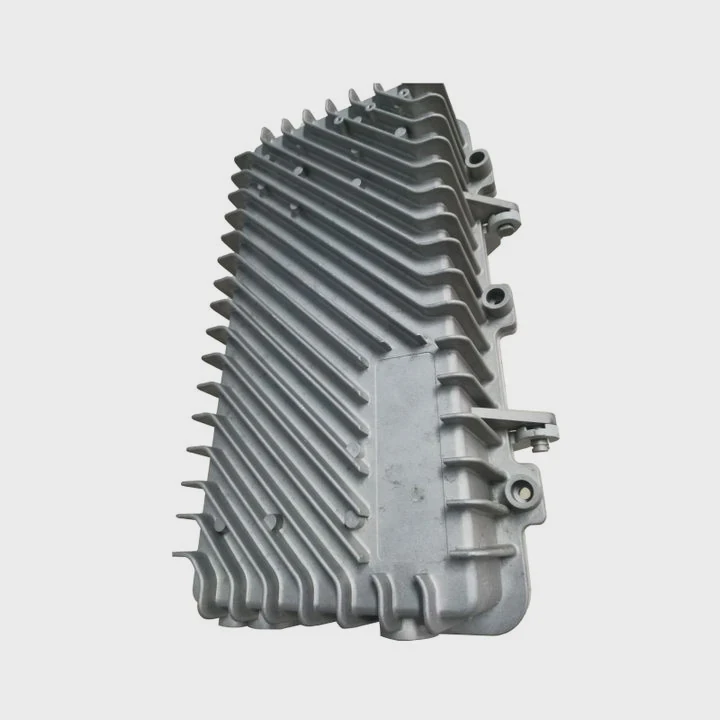
As electric vehicle (EV) adoption grows, charging infrastructure must scale up in power, reliability, and durability. Fast‑charging DC stations often handle high currents and deliver large power bursts. That creates substantial heat in power electronics — a big challenge for thermal management. A well‑designed cooling solution is critical. Here we examine whether vapor chambers can enhance cooling in EV chargers, how they might be used, and what limitations apply.
Vapor chambers can improve heat dissipation in EV charging stations by spreading heat efficiently, reducing hotspots, and supporting compact, sealed enclosures. But success depends on thoughtful integration with the rest of the cooling system.
Do Vapor Chambers enhance cooling in EV chargers?
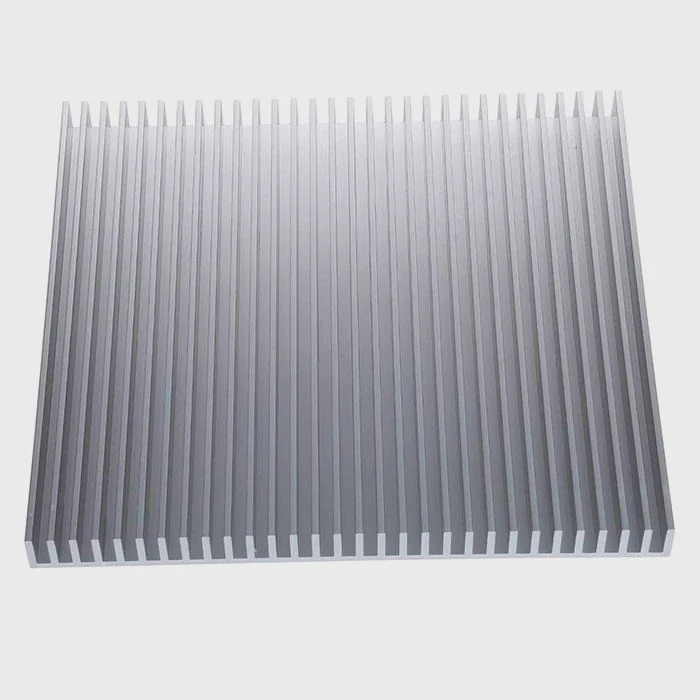
EV charging stations — especially high‑power fast chargers — integrate heavy-duty power electronics: rectifiers, inverters, IGBTs or MOSFET modules, filters, control boards, and more. Under high current and load, these generate significant thermal energy. If unmanaged, that heat can cause component degradation, reduced efficiency, or safety issues.
Vapor chambers can help address this by acting as a high‑efficiency thermal spreader. They take localized heat from hot components and spread it across a broader baseplate, improving thermal coupling to external heatsinks, cold plates, or chassis surfaces. The benefits include:
- Lower junction temperatures in semiconductor modules — reducing thermal stress and improving reliability.
- Even heat distribution, minimizing hotspots and preventing thermal cycling stress on concentrated components.
- Slim profile and compact form factor — enabling smaller or sealed charger housings without bulky fins or large heatsinks.
- Flexibility of integration — vapor chambers can interface with fins, cold plates, liquid loops, or chassis conduction, allowing modular thermal design.
Because EV chargers often operate under variable ambient conditions (outdoor temperature, dust, humidity), sealed vapor chambers plus robust external cooling give a good balance between performance and environmental protection.
Is overheating an issue in fast charging systems?
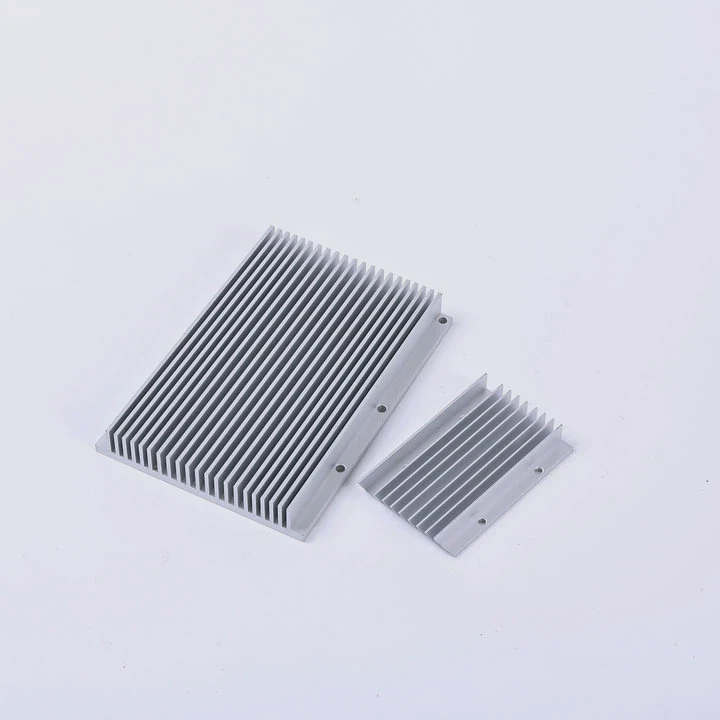
Yes. Overheating is one of the major technical challenges in high-power EV charging infrastructure. Key issues:
- High power dissipation: Converters and switching modules convert electrical energy under load, generating heat often in compact volumes.
- Compact enclosures: Space constraints in charger cabinets limit airflow and heat-sink size.
- Ambient and environmental stress: Outdoor or semi-outdoor installations expose electronics to temperature extremes, humidity, and dust.
- Continuous or repeated charging cycles: High utilization leads to thermal build-up and fatigue over time.
Traditional air-cooled heat sinks or passive fin stacks may fail to keep up under heavy load, especially in compact enclosures. Liquid cooling helps, but adds complexity, cost, maintenance and potential leakage risk. Vapor chambers offer a middle path — effective heat spreading with a slim form factor — reducing peak temperatures and easing load on the main cooling infrastructure.
Can passive cooling (with Vapor Chamber) reduce power loss in chargers?
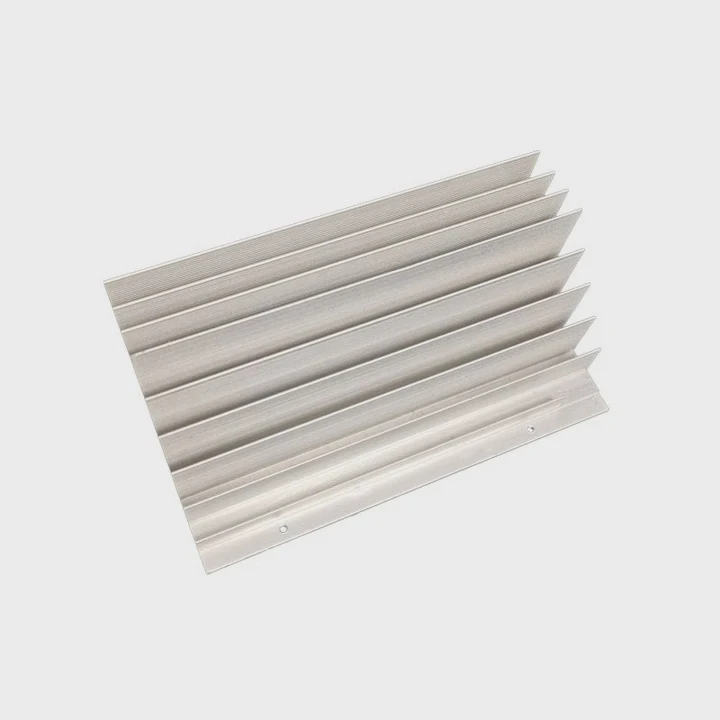
A charger’s efficiency and reliability benefit when semiconductor junction temperatures remain low and stable. Efficient cooling reduces electrical resistance, improves conversion efficiency, and lowers thermal stress. Vapor chamber‑based passive or semi-passive cooling can contribute significantly.
Key advantages of vapor‑chamber‑based passive cooling
| Advantage | Benefit for EV Charger Design |
|---|---|
| Reduced junction temperatures | Decreases conduction losses; supports higher power throughput |
| Uniform heat distribution | Minimizes thermal stress and avoids local overheating |
| Slim and sealed cooling modules | Easier to design compact, weather-protected enclosures |
| Lower reliance on fans/pumps | Reduces maintenance and improves system longevity |
| Modular thermal architecture | Enables scalable charger designs — from home to public fast chargers |
When a vapor chamber spreads heat evenly, external cooling elements (fins, cold plates, chassis panels) can dissipate heat more effectively, often at lower airflow or coolant flow rates. That reduces power draw, noise, and maintenance complexity — important for widely distributed EV charger networks.
Are custom vapor chambers used in EV infrastructure?
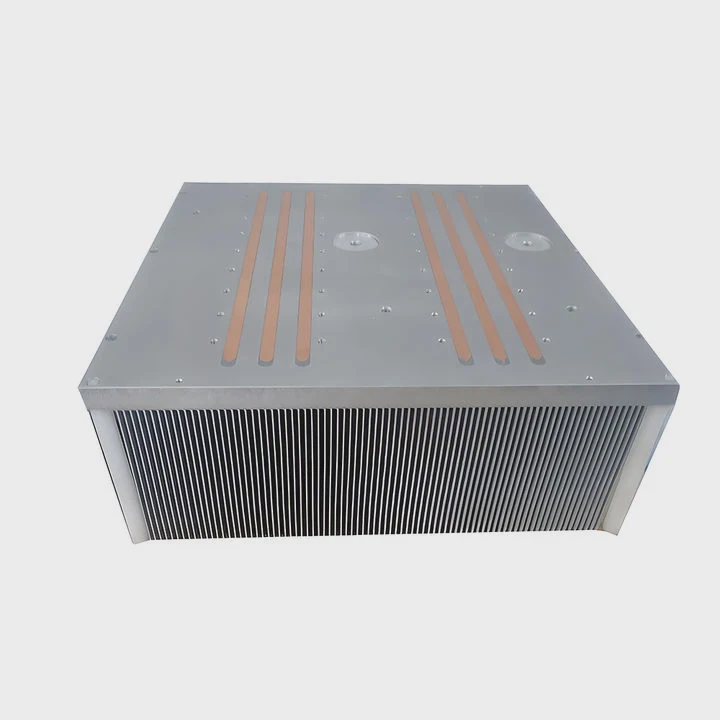
Yes — customization plays a key role in adapting vapor chambers to EV charger systems. Because charger designs vary widely (power levels, module layout, enclosure size, environmental requirements), custom vapor chamber solutions are often necessary.
Customization aspects for EV chargers
| Customization Parameter | Why It Matters in Charger Design |
|---|---|
| Baseplate size and shape | Fits specific module layout or enclosure geometry |
| Baseplate thickness and material | Ensures structural strength and thermal capacity under high heat flux |
| Mounting interfaces and fixtures | Matches screws, brackets or standoffs in power modules |
| Integration with downstream cooling | Combines with fins, cold plates, or liquid cooling paths |
| Surface coatings or sealing methods | Provides corrosion resistance and robust sealing for outdoor use |
By tailoring these parameters, designers can ensure vapor-chamber-based thermal modules meet the thermal and mechanical requirements of EV chargers — while preserving compactness and reliability.
Custom designs also help scale thermal solutions across different charger categories: from compact home chargers to high-power public fast chargers.
Limitations and Considerations
While vapor chambers offer many benefits, they are not a one-size-fits-all solution. For EV chargers, careful design and integration are essential. Key considerations:
- Overall heat dissipation capacity: For very high‑power chargers (e.g. hundreds of kW), passive vapor-chamber + fins may not suffice. Additional active cooling (liquid flow, forced air) may still be needed.
- Quality of thermal interface and mounting: Poor interface mating or uneven pressure can negate thermal advantages and lead to hotspots or mechanical stress.
- Environmental durability: Chargers may operate outdoors or in harsh conditions — vapor chambers must use robust materials and coatings to resist corrosion, moisture, and mechanical vibration.
- Cost and custom tooling: Custom vapor chambers and matching thermal systems may increase manufacturing cost, especially for lower-cost charger segments.
- Maintenance requirements: Even though vapor chambers are sealed, the external heatsink, fans or radiators still require maintenance — so thermal hygiene remains important.
Therefore, successful application depends on system-level thermal design, good manufacturing quality, and appropriate maintenance strategies.
A Sample Cooling Architecture for an EV Charger
| Component | Role |
|---|---|
| Power electronics module | Generates heat under high load |
| Vapor chamber baseplate | Spreads heat from module over wide area |
| Thermal interface layer | Ensures good thermal contact between module and chamber |
| Fin stack or cold plate | Transfers heat from baseplate to air or liquid coolant |
| Enclosure or radiator | Rejects heat to environment |
This layered approach — power module → vapor chamber → interface → heatsink or liquid radiator — offers a scalable, efficient thermal path suited for varying charger sizes and performance levels.
Conclusion
EV charging stations, particularly fast-charging units, demand robust thermal management. The high heat load from power electronics must be handled efficiently to ensure performance, safety, and longevity. Vapor chambers offer a compelling solution: they spread heat effectively, reduce hotspots, support compact enclosures, and integrate well with fins or liquid cooling.
With thoughtful design — including custom vapor chamber configurations, proper interface preparation, and a full thermal path to ambient — chargers can benefit from improved efficiency, lower maintenance, and better reliability. For many EV charger designs, vapor-chamber-based cooling is a strong option.
For engineers and designers working on next-generation EV charging systems, vapor chambers deserve serious consideration as part of the thermal architecture. Effective integration can unlock higher power capability, compact designs, and long-term operational stability.
TAGS
Latest Articles

Volume discount levels for heat sink orders?
Buyers often ask when heat sink prices start to drop with volume. Many worry they’re overpaying for small orders. This guide explains how B2B volume pricing works for thermal components. Heat sink
21 Dec,2025
Heat sink long-term supply contract options?
Many buyers want stable pricing and reliable delivery for heat sinks. But without a clear contract, risks grow over time. This article explores how to secure better long-term supply deals. Long-term
21 Dec,2025
Tooling cost for new heat sink profiles?
Many engineers struggle to understand why tooling for custom heat sinks costs so much. They worry about budgeting and production timelines. This article breaks down the cost drivers behind tooling.
21 Dec,2025
Heat sink custom sample process steps?
Sometimes, starting a custom heat sink project feels overwhelming—too many steps, too many unknowns, and too many risks. You want a sample, but not endless delays. The process for requesting and
20 Dec,2025
Standard B2B terms for heat sink payments?
When buyers and sellers in B2B heat sink markets talk about payment, many don’t fully understand what’s standard. This can lead to delayed orders, miscommunication, and even lost business
20 Dec,2025
Heat sink pricing factors for large orders?
Heat sinks are vital for many systems. When prices rise, projects stall and budgets break. This problem can hit teams hard without warning. Large order heat sink pricing depends on many factors. You
20 Dec,2025Related Articles
- Low Carbon Vapor Chamber Manufacturing Trend
- Vapor Chamber integration with AI hardware
- Vapor Chamber future development direction
- Where to use Vapor Chamber effectively
- Common Vapor Chamber installation mistakes?
- Vapor Chamber annual inspection guidelines?
- Demand forecast for Vapor Chamber 2030?
- Collaboration opportunity for Vapor Chamber technology?
- Sustainable materials for Vapor Chamber production?
- Vapor Chamber impact on energy efficiency?
- Can Vapor Chamber enhance renewable energy products?
- Vapor Chamber industry risk analysis?
Author
Dr. Emily Chen
Chief AI Researcher
Leading expert in thermal dynamics and AI optimization with over 15 years of experience in data center efficiency research.
Categories
Latest Products






Recommend Categories
- Liquid cooling plate Manufacturer
- Industrial Heat Sink Manufacturer
- Standard Heat Sink Manufacturer
- Aluminum Heat Sink Manufacturer
- Copper Heat Sink Manufacturer
- Anodized Heatsink Manufacturer
- Stamping heat sink Manufacturer
- Die Casting Heatsink Manufacturer
- Soldering heat sink Manufacturer
- CNC Parts Manufacturer
Latest Products
- Wholesale Aluminum Radiator
- Water Cooling Plate Kit
- Water Cooling Heat Sink
- Water Cooling Heat Sink Kit
- Stainless Steel Water Distributor
- Server Water Cooling Plate Kit
- Server Liquid Cooling System
- Server Aluminum Cooling Kit
- S19 Full Cover Cooling Plate
- S19 Cooling Plate Kit
- S19 Aluminum Cooling Plate
Contact Expert
Have questions about this article? Reach out to our experts directly.