Vapor Chamber integration with AI hardware
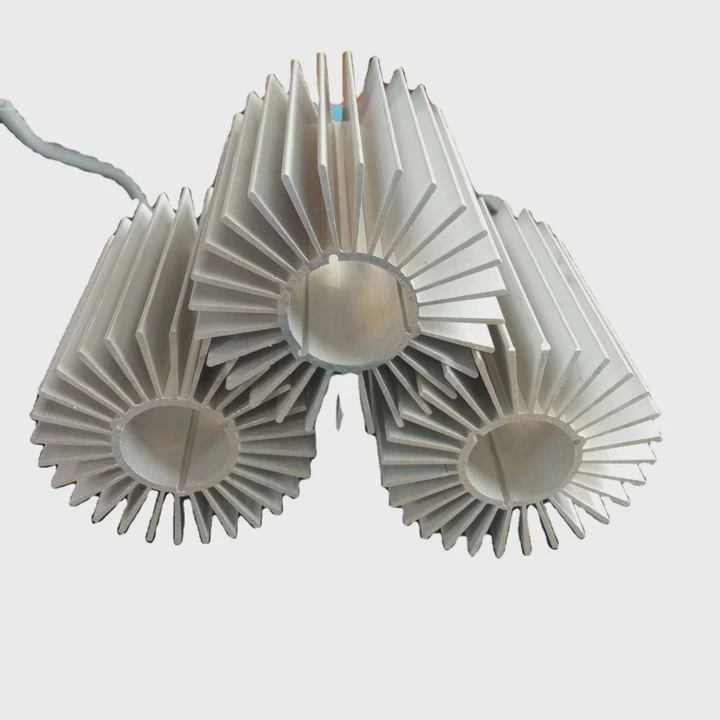
As AI computing power grows, cooling systems must keep up. Heat is now one of the top barriers to performance in AI servers and edge modules. Vapor chambers offer a smart, compact thermal solution for many AI workloads.
Vapor chambers support AI hardware by spreading heat quickly from high-density chips like GPUs or AI processors. Their flat structure and strong thermal performance make them ideal for modern AI cooling demands.
Can Vapor Chambers support cooling in AI hardware?
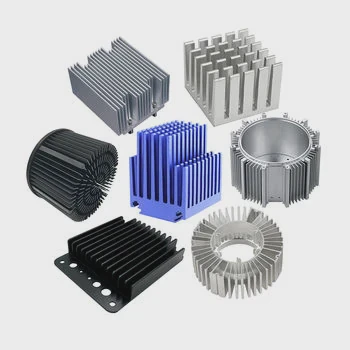
AI hardware often generates more heat than traditional systems. High-performance GPUs, NPUs, and ASICs can reach power levels well beyond 250W, even per chip. Vapor chambers spread this heat over a large surface, helping downstream cooling components handle the load more evenly.
They’re especially useful when:
- The chip footprint is small but the heat flux is high
- The enclosure has limited space for large heat sinks
- Passive or hybrid cooling is preferred over active fan-based systems
- A uniform temperature distribution is needed for system stability
By reducing thermal resistance between hot chips and the cooling structure, vapor chambers help maintain low junction temperatures and avoid thermal throttling.
Which AI processors use Vapor Chamber solutions?
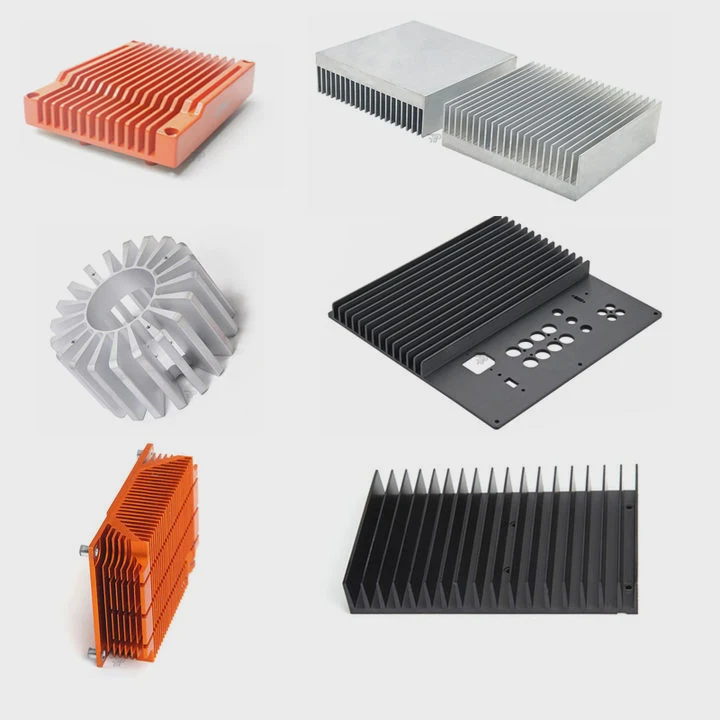
Several AI chips and systems already use vapor chamber-based cooling designs.
Common Use Cases
| AI Hardware | Cooling Use Case |
|---|---|
| NVIDIA A100 / H100 GPUs | High-end servers and workstations with dense AI workloads |
| Google TPU modules | Passive cooling enhanced with VC bases |
| Edge AI boxes with Jetson | Compact enclosures benefit from flat VC spreaders |
| AI inference cards (PCIe) | Low-profile vapor chambers enable slim designs |
These processors often pair vapor chambers with fin stacks or cold plates to push heat into the chassis airflow or liquid cooling loop. The vapor chamber acts as the thermal bridge between the chip and the next cooling element.
Is integration with GPUs common in AI systems?
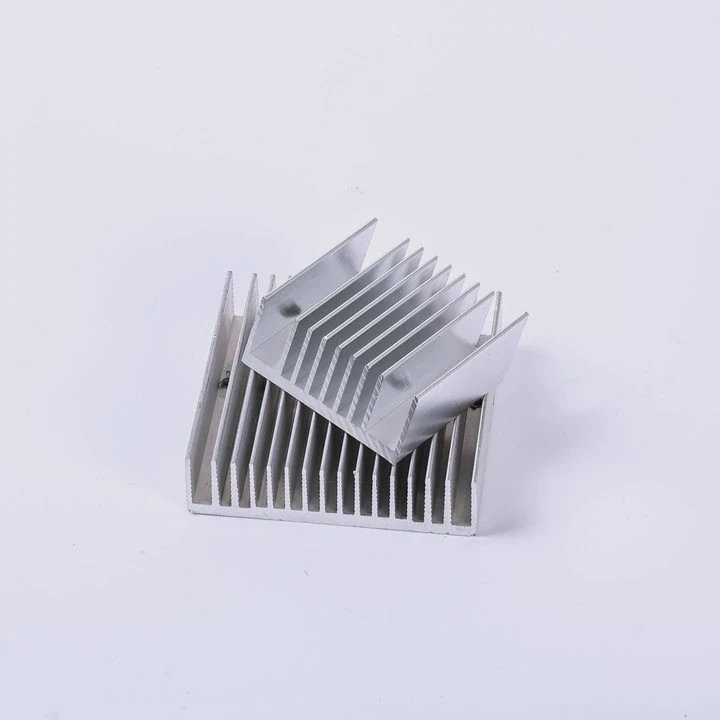
Yes — many AI systems rely on GPUs for training and inference. These GPUs run at full power for long durations, often exceeding 300W. Without proper cooling, they throttle or degrade quickly.
GPU + VC Integration Benefits
| Feature | Advantage |
|---|---|
| Large flat baseplate | Matches GPU die and spreads heat efficiently |
| Fast lateral heat movement | Reduces hotspot buildup across multi-core dies |
| Low-profile structure | Enables compact server and workstation designs |
| Compatibility with other coolers | Works well with fans, cold plates, or heat pipes |
Vapor chambers are commonly used under the GPU die and can be paired with vapor-fin assemblies or integrated into vapor-cooled cold plates. This setup enables stable, high-output performance with compact form factors.
Does AI hardware require high-efficiency cooling?
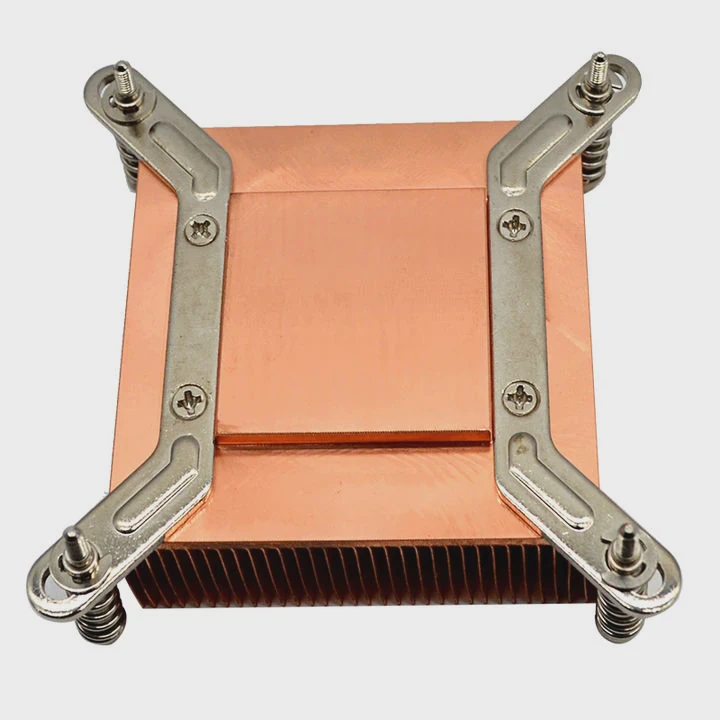
Yes — modern AI workloads are thermally demanding. A single AI server may host 4–8 high-power GPUs running complex neural networks for hours or days.
Why Efficient Cooling Is Essential
- Performance: High temperatures cause AI chips to throttle.
- Longevity: Heat accelerates hardware aging and failure.
- Power density: More chips in less space = more heat to remove.
- Noise: Efficient cooling reduces reliance on loud fans.
- Energy efficiency: Lower cooling overhead improves total system efficiency.
Cooling Requirement Levels by AI Application
| Application Type | Cooling Priority | Recommended Strategy |
|---|---|---|
| Edge AI (Jetson, NPU modules) | Moderate | Vapor chamber + passive fin or small fan |
| AI inference servers | High | Vapor chamber + forced-air or cold plate |
| AI training clusters | Very high | Vapor chamber + liquid cooling hybrid |
In all cases, keeping thermal resistance low between chip and cooler is key — vapor chambers excel in that role.
Conclusion
Vapor chambers play a key role in modern AI hardware design. They manage heat from powerful chips in compact, silent, and reliable ways. Whether in a slim edge module or a packed AI server, they ensure thermal balance and protect performance.
As AI chips grow more powerful and system density increases, vapor chamber integration will continue to be a top cooling method — especially when performance, efficiency, and space-saving design are required.
TAGS
Latest Articles

Volume discount levels for heat sink orders?
Buyers often ask when heat sink prices start to drop with volume. Many worry they’re overpaying for small orders. This guide explains how B2B volume pricing works for thermal components. Heat sink
21 Dec,2025
Heat sink long-term supply contract options?
Many buyers want stable pricing and reliable delivery for heat sinks. But without a clear contract, risks grow over time. This article explores how to secure better long-term supply deals. Long-term
21 Dec,2025
Tooling cost for new heat sink profiles?
Many engineers struggle to understand why tooling for custom heat sinks costs so much. They worry about budgeting and production timelines. This article breaks down the cost drivers behind tooling.
21 Dec,2025
Heat sink custom sample process steps?
Sometimes, starting a custom heat sink project feels overwhelming—too many steps, too many unknowns, and too many risks. You want a sample, but not endless delays. The process for requesting and
20 Dec,2025
Standard B2B terms for heat sink payments?
When buyers and sellers in B2B heat sink markets talk about payment, many don’t fully understand what’s standard. This can lead to delayed orders, miscommunication, and even lost business
20 Dec,2025
Heat sink pricing factors for large orders?
Heat sinks are vital for many systems. When prices rise, projects stall and budgets break. This problem can hit teams hard without warning. Large order heat sink pricing depends on many factors. You
20 Dec,2025Related Articles
- Vapor Chamber future development direction
- Where to use Vapor Chamber effectively
- Common Vapor Chamber installation mistakes?
- Vapor Chamber annual inspection guidelines?
- Manual servicing for Vapor Chamber models
- How to extend Vapor Chamber service life?
- Low Carbon Vapor Chamber Manufacturing Trend
- Can Vapor Chamber improve EV charging stations?
- Demand forecast for Vapor Chamber 2030?
- Collaboration opportunity for Vapor Chamber technology?
- Sustainable materials for Vapor Chamber production?
- Vapor Chamber impact on energy efficiency?
Author
Dr. Emily Chen
Chief AI Researcher
Leading expert in thermal dynamics and AI optimization with over 15 years of experience in data center efficiency research.
Categories
Latest Products






Recommend Categories
- Liquid cooling plate Manufacturer
- Industrial Heat Sink Manufacturer
- Standard Heat Sink Manufacturer
- Aluminum Heat Sink Manufacturer
- Copper Heat Sink Manufacturer
- Anodized Heatsink Manufacturer
- Stamping heat sink Manufacturer
- Die Casting Heatsink Manufacturer
- Soldering heat sink Manufacturer
- CNC Parts Manufacturer
Latest Products
- Wholesale Aluminum Radiator
- Water Cooling Plate Kit
- Water Cooling Heat Sink
- Water Cooling Heat Sink Kit
- Stainless Steel Water Distributor
- Server Water Cooling Plate Kit
- Server Liquid Cooling System
- Server Aluminum Cooling Kit
- S19 Full Cover Cooling Plate
- S19 Cooling Plate Kit
- S19 Aluminum Cooling Plate
Contact Expert
Have questions about this article? Reach out to our experts directly.