Vapor Chamber industry upcoming regulations?
Many in thermal-management manufacturing worry about shifting regulation. Will new rules for environment, safety or trade suddenly block vapor chamber supply? The uncertainty creates stress for both makers and buyers.
The vapor chamber industry likely faces increasing pressure from environmental and chemical-safety laws (like evolving REACH and RoHS updates), trade-compliance scrutiny, and possibly new waste-recycling or energy-efficiency rules — all of which may affect materials, design and manufacturing practices.
Understanding what’s coming can help suppliers get ready early, avoid compliance surprises, and stay competitive.
What upcoming regulations will affect the Vapor Chamber industry?
Many regulations already apply to electronics and thermal parts — but trends suggest stricter updates are coming. In particular:
- The REACH regulation in the EU is under ongoing review; the evaluation may lead to expanded restrictions on existing or new substances used in manufacturing.
- The RoHS directive continues to evolve: exemptions are being reviewed, new harmful substances or plasticizers may be added.
- Global attention on electronic waste, recyclability and sustainable manufacturing may bring new rules for disposal and traceability.
- For some markets — like automotive or industrial — tighter chemical-safety rules may apply to alloys, solders, or cleaning solvents.
- New energy-efficiency or “eco-design” rules may evaluate cooling performance and environmental impact more strictly.
These changes mean vapor-chamber makers must keep up with legislation across multiple regions.
Are environmental, safety or trade regulations expected to change for Vapor Chambers?
Yes — especially environmental and materials-safety regulations.
REACH and RoHS are tightening — targeting substances in alloys, coatings, solders, and fluxes commonly used in vapor chamber production.
Also, WEEE (waste electronics rules) may expand to require recyclability or end-of-life compliance. Trade restrictions on metals or chemicals may create raw material sourcing issues.
Likely Regulatory Areas
| Regulation | Target | Impact |
|---|---|---|
| REACH | Substances of concern | Alloy, solder, solvent restrictions |
| RoHS | Electronics materials | Ban on heavy metals, plasticizers |
| WEEE | Disposal and recycling | Product design and labeling rules |
| Eco-design | Energy and lifecycle | Push for greener cooling tech |
| Import/export laws | Sourcing | Material traceability and compliance |
The industry should assume more scrutiny and stricter paperwork ahead.
How should manufacturers prepare for future regulations on Vapor Chambers?
Smart suppliers are not waiting. Preparation now helps avoid panic later.
Start with a material compliance audit. Check all inputs — metals, solders, coatings, cleaning agents — against restricted substances.
Proactive Steps
- Audit all raw materials and compare with REACH and RoHS lists
- Collect certificates and declarations from upstream suppliers
- Avoid borderline substances even if still allowed — plan replacements
- Design for disassembly and recycling — avoid mixed or bonded materials
- Track environmental laws in key export markets (EU, US, China, Japan)
- Consider third-party audits for high-stakes customers
Preparing early prevents line shutdowns, export delays, or lost deals when regulations change.
Will new standards impact materials or manufacturing of Vapor Chambers?
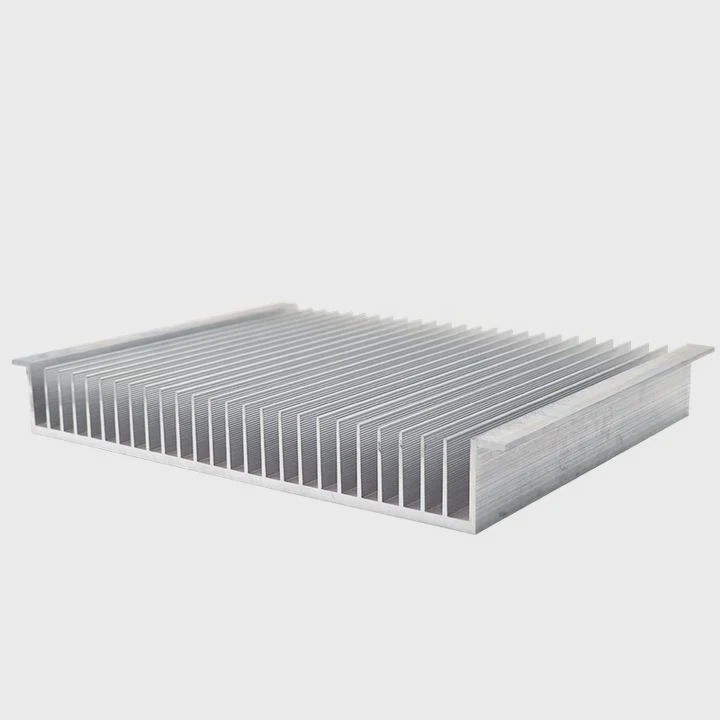
Yes — many expected standards will change how vapor chambers are made.
Alloys, coatings, and process chemicals may need substitution. Traceability and recyclability will become core design requirements.
Where Change Will Happen
| Area | Expected Impact |
|---|---|
| Alloys | No lead, cadmium, or banned additives |
| Soldering | Lead-free, flux with safe solvents |
| Surface finish | No toxic coatings or treatments |
| Cleaning | Use low-VOC or eco-approved agents |
| Packaging | Material labeling, recycling instructions |
| QA/QC | More documentation, chemical audit trails |
These changes aren’t just paperwork. They affect cost, sourcing, factory layout, even customer acceptance.
Conclusion
The vapor-chamber industry stands at a regulatory crossroads. Environmental and chemical-safety laws (REACH, RoHS), waste-electronic regulations, eco-design requirements, and supply-chain transparency norms are tightening worldwide. Suppliers must prepare now: audit materials, enforce compliance across supply chains, adopt safer materials and greener processes, and build recyclability into design. New standards will likely impose real change — not just paperwork — on materials, manufacturing, and product design. Early adaptation will be a competitive advantage tomorrow.
TAGS
Latest Articles

Volume discount levels for heat sink orders?
Buyers often ask when heat sink prices start to drop with volume. Many worry they’re overpaying for small orders. This guide explains how B2B volume pricing works for thermal components. Heat sink
21 Dec,2025
Heat sink long-term supply contract options?
Many buyers want stable pricing and reliable delivery for heat sinks. But without a clear contract, risks grow over time. This article explores how to secure better long-term supply deals. Long-term
21 Dec,2025
Tooling cost for new heat sink profiles?
Many engineers struggle to understand why tooling for custom heat sinks costs so much. They worry about budgeting and production timelines. This article breaks down the cost drivers behind tooling.
21 Dec,2025
Heat sink custom sample process steps?
Sometimes, starting a custom heat sink project feels overwhelming—too many steps, too many unknowns, and too many risks. You want a sample, but not endless delays. The process for requesting and
20 Dec,2025
Standard B2B terms for heat sink payments?
When buyers and sellers in B2B heat sink markets talk about payment, many don’t fully understand what’s standard. This can lead to delayed orders, miscommunication, and even lost business
20 Dec,2025
Heat sink pricing factors for large orders?
Heat sinks are vital for many systems. When prices rise, projects stall and budgets break. This problem can hit teams hard without warning. Large order heat sink pricing depends on many factors. You
20 Dec,2025Related Articles
- Does Vapor Chamber support mass customization?
- Vapor Chamber for underwater equipment?
- How to measure Vapor Chamber thermal resistance?
- Surface flatness importance for Vapor Chamber
- Continuous production capability for Vapor Chamber?
- Vapor Chamber real heat transfer limits?
- Risk control for Vapor Chamber sourcing
- Vapor Chamber for robotics cooling modules?
- Can Vapor Chamber integration in electric motors?
- Best CAD format for Vapor Chamber drawings?
- Does Vapor Chamber require REACH testing?
- Vapor Chamber road transport limitations
Author
Dr. Emily Chen
Chief AI Researcher
Leading expert in thermal dynamics and AI optimization with over 15 years of experience in data center efficiency research.
Categories
Latest Products






Recommend Categories
- Liquid cooling plate Manufacturer
- Industrial Heat Sink Manufacturer
- Standard Heat Sink Manufacturer
- Aluminum Heat Sink Manufacturer
- Copper Heat Sink Manufacturer
- Anodized Heatsink Manufacturer
- Stamping heat sink Manufacturer
- Die Casting Heatsink Manufacturer
- Soldering heat sink Manufacturer
- CNC Parts Manufacturer
Latest Products
- Wholesale Aluminum Radiator
- Water Cooling Plate Kit
- Water Cooling Heat Sink
- Water Cooling Heat Sink Kit
- Stainless Steel Water Distributor
- Server Water Cooling Plate Kit
- Server Liquid Cooling System
- Server Aluminum Cooling Kit
- S19 Full Cover Cooling Plate
- S19 Cooling Plate Kit
- S19 Aluminum Cooling Plate
Contact Expert
Have questions about this article? Reach out to our experts directly.