Risk control for Vapor Chamber sourcing
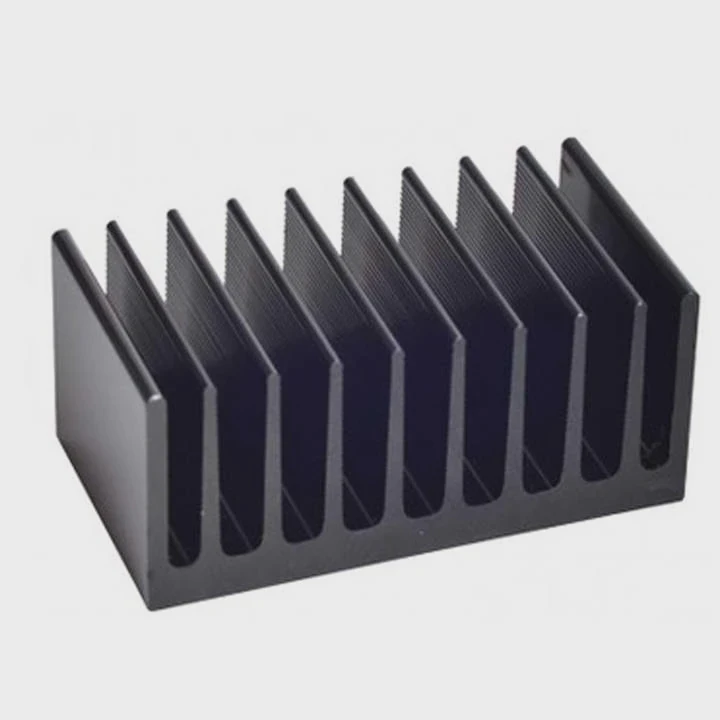
Sourcing vapor chambers sounds simple — until production halts due to quality issues or late shipments. Poor risk control leads to costly failures.
To source vapor chambers reliably, you must manage supplier risks, evaluate supply-chain weak points, and set mitigation plans covering quality, lead time, and logistics.
Here’s how to do it properly.
What risks are involved in sourcing Vapor Chambers from suppliers?
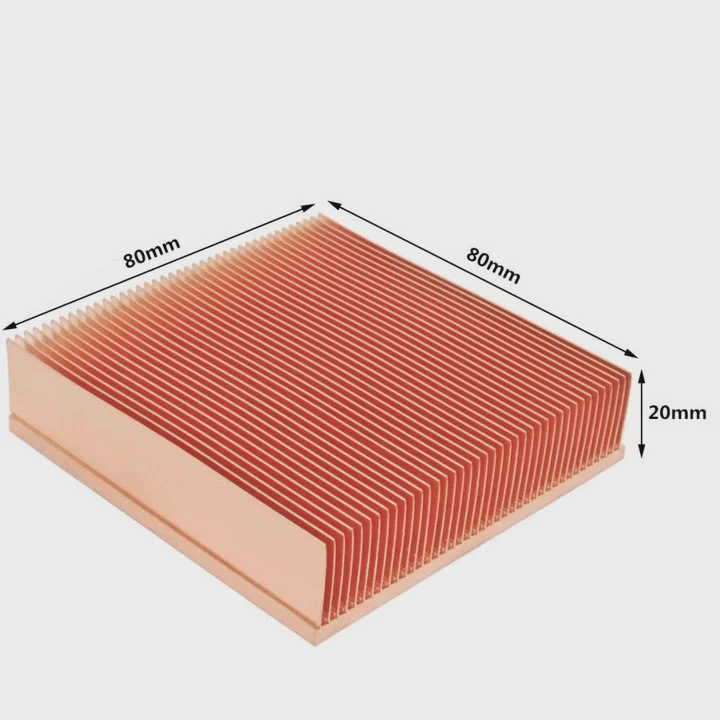
Sourcing vapor chambers carries more risk than it seems. From inconsistent quality to delayed shipments, the impact can be serious — especially if the chamber is mission-critical.
The main risks include inconsistent quality, single-source dependence, supply-chain instability, long lead times, and compliance gaps.
Let’s break down the major risk categories:
Key Vapor Chamber Sourcing Risks
| Risk Category | Details |
|---|---|
| Manufacturing quality | Surface flatness, sealing strength, vacuum retention can vary across batches |
| Supply concentration | Relying on one vendor increases failure risk |
| Geographic exposure | Factories in high-risk zones (earthquake, flood, geopolitics) |
| Lead time fluctuation | Long or unreliable production/delivery timelines |
| Raw material shortage | Copper or wick materials may face volatility |
| Regulatory failure | Missing test reports, no traceability, RoHS/non-compliance |
Most vapor chambers are not commodity parts. They’re custom-built with critical tolerances. A quality lapse can ruin product performance — or delay your launch.
How to evaluate supplier risk in Vapor Chamber procurement?
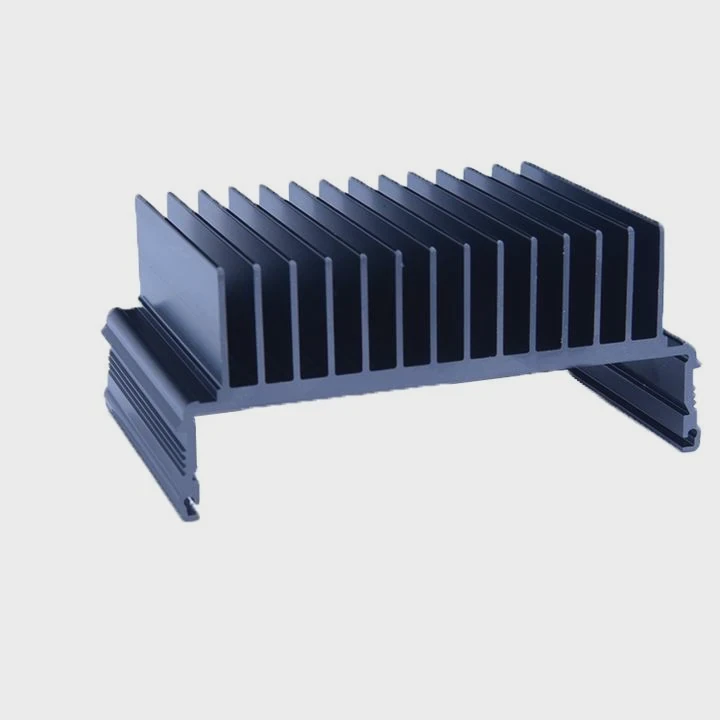
Choosing the lowest-price supplier is easy — but dangerous. A structured supplier evaluation process reduces the chance of surprises later.
You can evaluate vapor chamber supplier risk by analyzing production capability, quality systems, financial health, and responsiveness.
Evaluation Checklist
| Category | What to Verify |
|---|---|
| Technical process | Does the supplier have in-house vacuum brazing, leak testing, CNC? |
| Quality system | Do they have ISO certifications, SPC records, and test reports? |
| Traceability | Can they track raw material lots, tooling history, vacuum test logs? |
| Sample control | Is sample performance close to mass production results? |
| Capacity vs. order size | Can they scale with your forecasted volumes? |
| Communication & reporting | How quickly and clearly do they respond to issues? |
Visiting the factory is even better. A visual audit shows whether they maintain welding cleanliness, inspect for leaks, and manage in-process controls.
Use a simple scoring model to compare multiple suppliers across these categories. Choose those with both proven technical capacity and low operational risk.
Are supply-chain disruptions a concern for Vapor Chambers?

Absolutely. In the past five years, we’ve seen how global events can paralyze even the most stable suppliers.
Supply-chain risks for vapor chambers include logistics delays, raw material volatility, geopolitical barriers, and pandemic-related lockdowns.
Some vapor chambers are built in areas prone to:
- Long customs clearance times
- Political export restrictions
- Typhoon or earthquake zones
- Limited transportation hubs
Others depend on niche materials (e.g. sintered copper wick or custom stamping dies) that are hard to substitute. Even a 10-day shipping delay may cause a production stop if your vapor chambers are line-critical.
Global factors — like copper price spikes, labor strikes, or semiconductor demand shocks — also affect delivery timelines and costs.
What mitigation strategies exist for sourcing Vapor Chambers reliably?
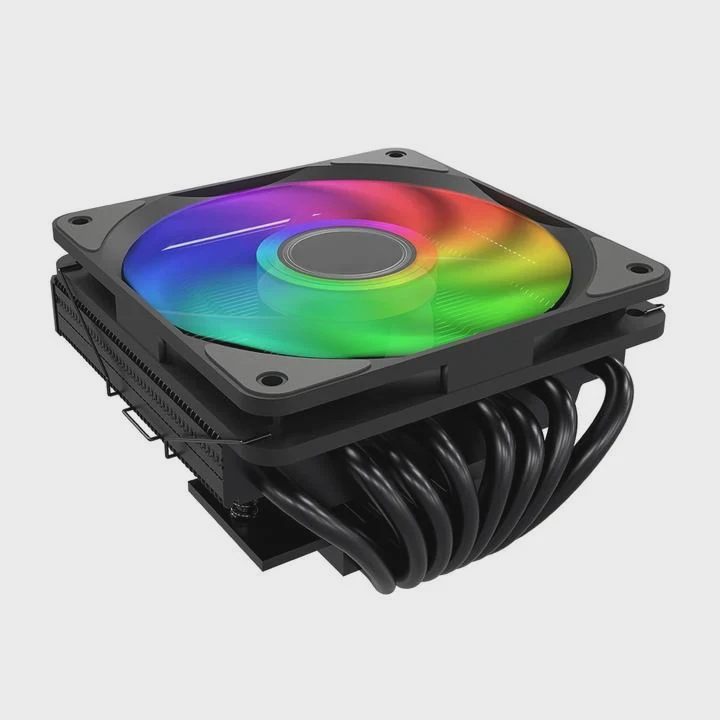
The best risk strategy is being ready before something goes wrong. You can’t prevent every risk, but you can build a buffer and a backup.
To reduce sourcing risk, you should dual-source, qualify backup vendors, hold buffer stock, and sign supplier agreements with clear quality and delivery terms.
Practical Risk Mitigation Plan
| Strategy | Benefit |
|---|---|
| Dual sourcing | Reduces dependence on one supplier |
| Backup tooling at second factory | Enables fast switch during disruption |
| Order overlap scheduling | Minimizes delivery gap between batches |
| Incoming part inspection | Detects quality shifts early |
| Lead-time monitoring | Adjusts PO schedule proactively |
| Stock buffer for long-lead items | Absorbs short delays without line stops |
Also, negotiate clear contracts:
- Define max lead times, tolerances, and test procedures
- Require process change notice (PCN) before altering materials
- Include late-delivery penalties or expedited coverage options
Finally, consider standardizing design features across vapor chamber types so you can swap suppliers without major redesign.
Real-World Risk Example Scenarios
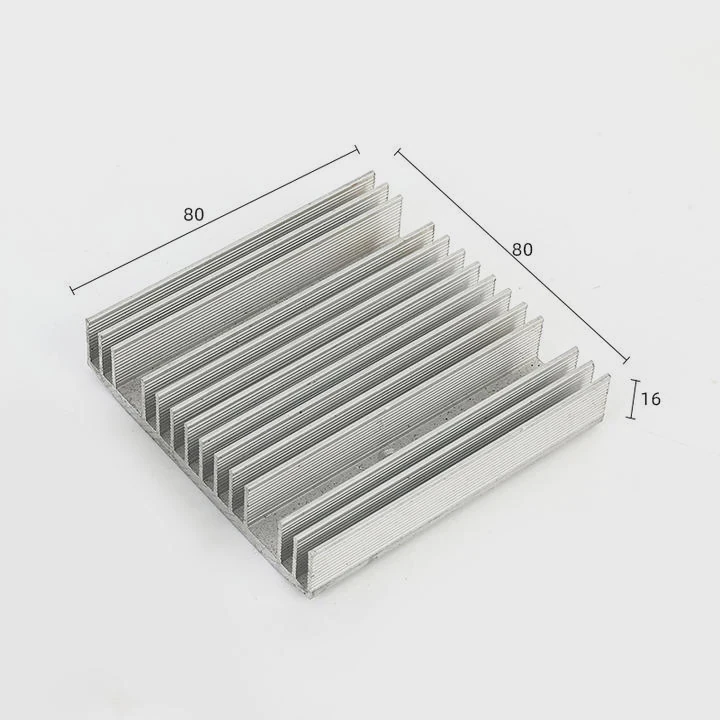
Let’s look at how small sourcing issues turn into big problems when not controlled early:
Case 1: Delayed copper deliveries
A vapor chamber supplier in Southeast Asia relied on one copper source. A customs hold delayed their raw stock by 3 weeks. Your order is now 2 weeks late — with no buffer.
Mitigation: Confirm your supplier’s raw material backup plan and keep one month of finished stock on hand.
Case 2: Quality drift on sealing welds
After a shift change, a supplier used a different brazing process — without informing buyers. Vacuum tests failed post-delivery, requiring full rework.
Mitigation: Include “no process changes without customer approval” in the contract. Require vacuum leak test reports per batch.
Case 3: MOQ suddenly increased
The supplier raised their minimum order quantity after reallocating capacity to a higher-margin customer.
Mitigation: Use multi-year forecast agreements, and sign volume commitments in exchange for price protection and fixed MOQ.
Conclusion
Sourcing vapor chambers carries real risks — especially related to quality, delivery, and supplier reliability. You can control those risks with proactive supplier evaluation, dual sourcing, inventory buffers, and strict quality documentation. A structured risk strategy doesn’t just avoid problems — it makes your supply chain stronger, smarter, and more predictable.
TAGS
Latest Articles

Volume discount levels for heat sink orders?
Buyers often ask when heat sink prices start to drop with volume. Many worry they’re overpaying for small orders. This guide explains how B2B volume pricing works for thermal components. Heat sink
21 Dec,2025
Heat sink long-term supply contract options?
Many buyers want stable pricing and reliable delivery for heat sinks. But without a clear contract, risks grow over time. This article explores how to secure better long-term supply deals. Long-term
21 Dec,2025
Tooling cost for new heat sink profiles?
Many engineers struggle to understand why tooling for custom heat sinks costs so much. They worry about budgeting and production timelines. This article breaks down the cost drivers behind tooling.
21 Dec,2025
Heat sink custom sample process steps?
Sometimes, starting a custom heat sink project feels overwhelming—too many steps, too many unknowns, and too many risks. You want a sample, but not endless delays. The process for requesting and
20 Dec,2025
Standard B2B terms for heat sink payments?
When buyers and sellers in B2B heat sink markets talk about payment, many don’t fully understand what’s standard. This can lead to delayed orders, miscommunication, and even lost business
20 Dec,2025
Heat sink pricing factors for large orders?
Heat sinks are vital for many systems. When prices rise, projects stall and budgets break. This problem can hit teams hard without warning. Large order heat sink pricing depends on many factors. You
20 Dec,2025Related Articles
- Vapor Chamber industry upcoming regulations?
- Does Vapor Chamber support mass customization?
- Vapor Chamber for underwater equipment?
- How to measure Vapor Chamber thermal resistance?
- Surface flatness importance for Vapor Chamber
- Continuous production capability for Vapor Chamber?
- Vapor Chamber for robotics cooling modules?
- Can Vapor Chamber integration in electric motors?
- Best CAD format for Vapor Chamber drawings?
- Does Vapor Chamber require REACH testing?
- Vapor Chamber road transport limitations
- Vapor Chamber freight forwarder requirements
Author
Dr. Emily Chen
Chief AI Researcher
Leading expert in thermal dynamics and AI optimization with over 15 years of experience in data center efficiency research.
Categories
Latest Products






Recommend Categories
- Liquid cooling plate Manufacturer
- Industrial Heat Sink Manufacturer
- Standard Heat Sink Manufacturer
- Aluminum Heat Sink Manufacturer
- Copper Heat Sink Manufacturer
- Anodized Heatsink Manufacturer
- Stamping heat sink Manufacturer
- Die Casting Heatsink Manufacturer
- Soldering heat sink Manufacturer
- CNC Parts Manufacturer
Latest Products
- Wholesale Aluminum Radiator
- Water Cooling Plate Kit
- Water Cooling Heat Sink
- Water Cooling Heat Sink Kit
- Stainless Steel Water Distributor
- Server Water Cooling Plate Kit
- Server Liquid Cooling System
- Server Aluminum Cooling Kit
- S19 Full Cover Cooling Plate
- S19 Cooling Plate Kit
- S19 Aluminum Cooling Plate
Contact Expert
Have questions about this article? Reach out to our experts directly.