Is liquid cooling good?
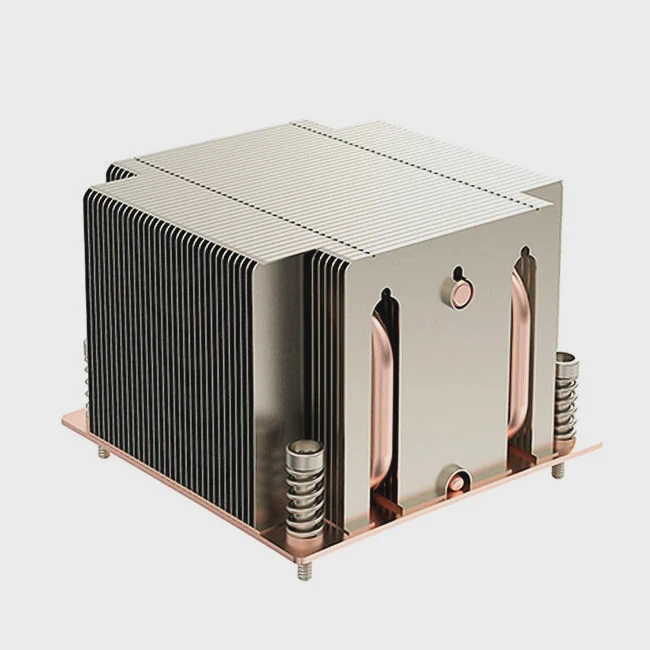
Overheating is one of the biggest enemies of electronic performance. When components run hot, speed drops, lifespan shortens, and stability suffers. Cooling is not just support—it’s survival.
Liquid cooling is an efficient and reliable way to manage heat, especially in high-performance systems like gaming PCs, data centers, and electric vehicles.
It offers better temperature control than air cooling and keeps devices running quietly and stably under heavy loads. But how exactly does it work, and how can you use it effectively?
What is liquid cooling?
Every powerful machine generates heat. The more you push it, the hotter it gets. Traditional air cooling often struggles to handle high thermal loads. That’s where liquid cooling steps in.
Liquid cooling is a thermal management method that uses a circulating liquid—usually water or coolant—to absorb and transport heat away from components.
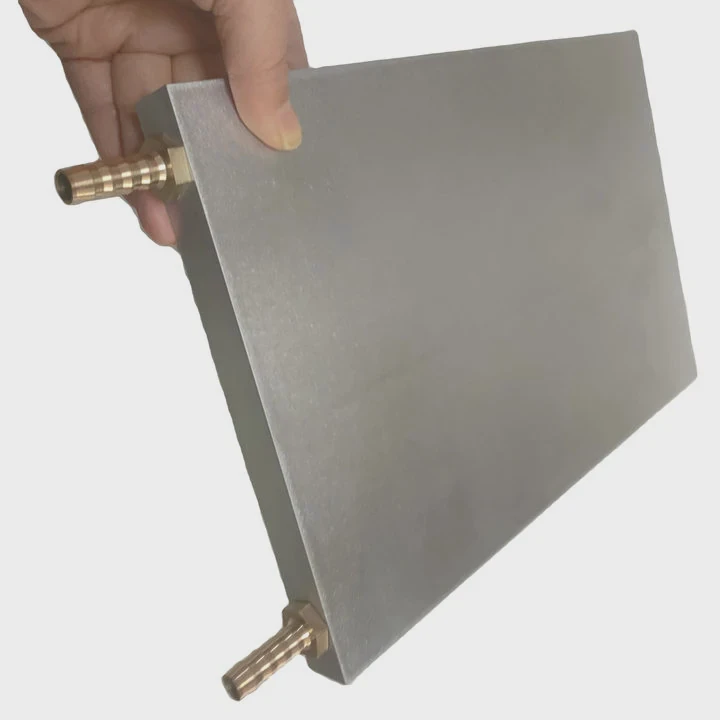
In a liquid cooling system, heat is first transferred from the component (like a CPU or GPU) to a metal plate called a “cold plate.” This plate has small internal channels where the coolant flows. The liquid absorbs the heat, carries it through tubes, and releases it at the radiator, where fans expel it into the air.
The process repeats continuously, keeping the component’s temperature stable. Because liquids have a higher heat capacity than air, they can move more heat per unit volume, making them ideal for dense or high-power systems.
Components of a Typical Liquid Cooling Loop
| Component | Function |
|---|---|
| Cold Plate / Water Block | Transfers heat from the device to the coolant |
| Pump | Circulates the coolant through the system |
| Tubing | Connects components and channels fluid flow |
| Radiator | Dissipates heat to the air through fins and fans |
| Coolant | Carries heat through the closed loop |
This structure allows more efficient cooling, smaller size, and lower noise compared to large air-cooled heat sinks.
What benefits does it offer?
Liquid cooling is becoming mainstream not only in data centers but also in personal computing and electric vehicles. The reason is simple: it performs better under stress.
The main benefits of liquid cooling are higher thermal efficiency, lower noise, compact size, and longer component life.
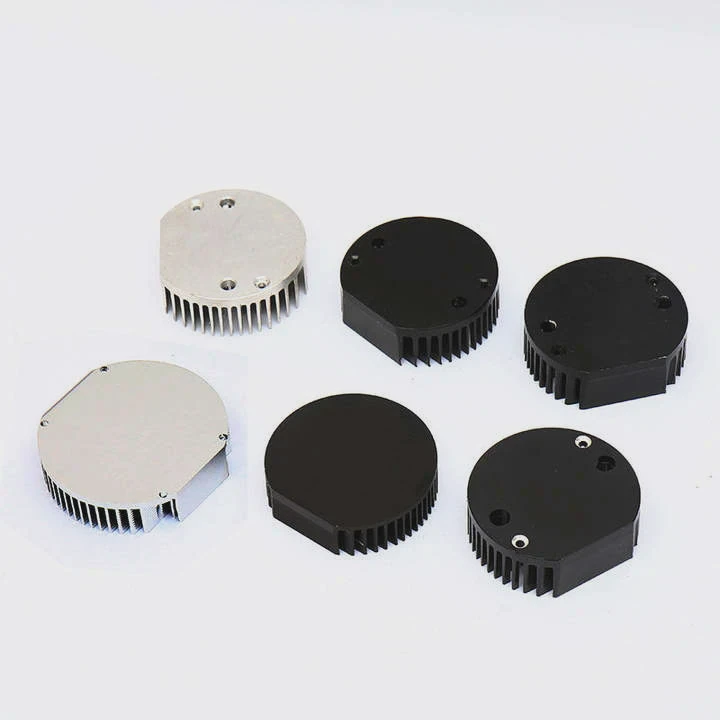
When I first upgraded one of my workstations to a liquid-cooled system, I noticed immediate differences. The processor ran 20°C cooler under the same workload. Fans spun quietly. The system was stable even after hours of simulation and rendering.
1. Higher Thermal Performance
Liquid cooling can handle higher thermal loads because coolant transfers heat much faster than air. This is especially valuable for CPUs and GPUs working under heavy computation, such as 3D modeling or machine learning.
2. Lower Noise Levels
Air cooling systems rely on fast-spinning fans to push air through dense fins. This creates noise. In liquid cooling, the radiator fans operate more slowly since the liquid does most of the work. The result is a quieter operation.
3. Compact Design
A liquid system allows more flexibility in layout. Tubes can route around tight spaces, freeing room for other components. Radiators can be placed in optimal positions without crowding the motherboard.
4. Extended Component Life
Lower temperature means less stress on circuits, solder joints, and capacitors. Stable thermal control prevents rapid thermal cycling, which can damage components over time.
5. Aesthetic Appeal
For enthusiasts, liquid cooling adds a clean and futuristic look. Transparent tubes, LED coolant, and precision fittings turn the PC into a showcase of engineering art.
Comparison Table: Air vs. Liquid Cooling Benefits
| Feature | Air Cooling | Liquid Cooling |
|---|---|---|
| Thermal Efficiency | Moderate | High |
| Noise Level | High | Low |
| Maintenance | Simple | Moderate |
| Space Use | Larger | Compact |
| Visual Design | Standard | Customizable |
For systems running continuously or under heavy load, the advantages of liquid cooling quickly outweigh the extra setup complexity.
How to use it effectively in PCs?
Installing a liquid cooling system can feel intimidating at first. Pumps, tubes, coolant, and fittings look complex. But once you understand the logic, it becomes straightforward and highly rewarding.
To use liquid cooling effectively, plan your loop layout, choose quality components, ensure tight sealing, and maintain it regularly for best performance.
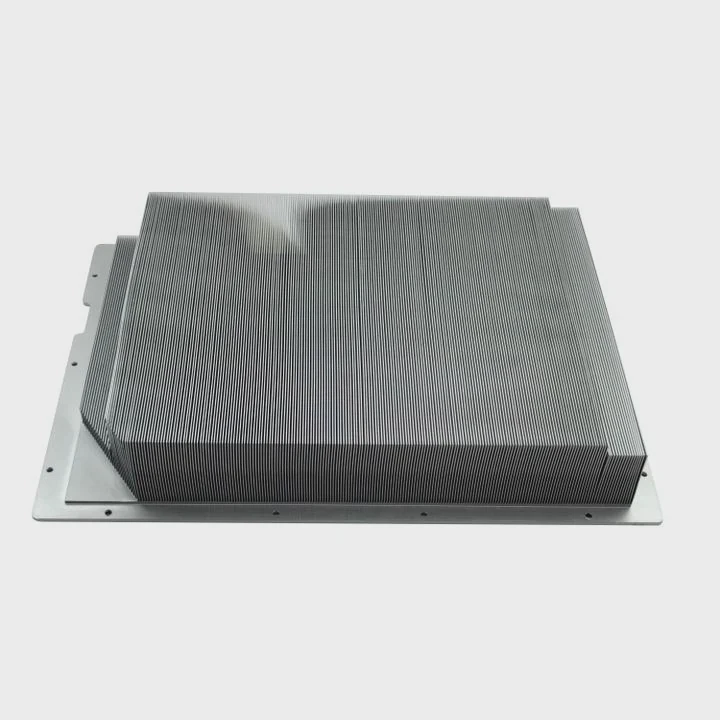
A well-designed liquid cooling system can last years without problems. But a poor setup—loose fittings, air bubbles, or low-quality coolant—can cause leaks or poor performance.
Step 1: Choose the Right Kit
Decide between an AIO (All-In-One) system or a custom loop.
- AIO systems come pre-assembled and are easy to install. They’re ideal for beginners.
- Custom loops allow full control over component choice and appearance, perfect for enthusiasts or professionals.
Step 2: Plan the Loop Order
The coolant usually flows from the pump → cold plate → radiator → reservoir → and back to the pump. Avoid tight bends that restrict flow, and ensure that the reservoir is higher than the pump for easy air bleeding.
Step 3: Use Quality Coolant
Use non-conductive, corrosion-resistant coolant. Many modern options include anti-algae and anti-corrosion additives. Distilled water can work, but should be combined with inhibitors.
Step 4: Prevent Air Bubbles
Before powering on the system, tilt and shake the case gently to let trapped air escape. Air pockets reduce flow and cooling efficiency.
Step 5: Regular Maintenance
Check tubing and fittings every few months for leaks. Replace coolant once a year to maintain clarity and performance. Clean radiators and fans periodically to prevent dust buildup.
Quick Checklist
| Task | Frequency |
|---|---|
| Leak Check | Monthly |
| Coolant Replacement | Yearly |
| Radiator Cleaning | Every 3–6 Months |
| Pump Noise Check | As Needed |
When done correctly, a liquid-cooled PC stays quiet, cool, and stable for years of heavy use.
What are the trends in liquid cooling systems?
Liquid cooling has moved far beyond simple PC setups. It’s now part of advanced technologies in data centers, EVs, aerospace, and 5G communication.
The latest trends focus on higher efficiency, smarter control, and new materials that make systems lighter, safer, and more compact.
1. Microchannel Cold Plates
Manufacturers now use microchannels—tiny fluid paths inside aluminum or copper plates—to increase surface area. This design improves heat transfer while reducing fluid volume, helping systems stay compact and efficient.
2. Immersion Cooling
Instead of circulating coolant through tubes, immersion cooling submerges the entire device in a dielectric liquid. This method eliminates fans entirely and can cut data center energy costs by over 30%.
3. Phase-Change and Two-Phase Cooling
Some advanced systems use boiling and condensation cycles to move heat. When the liquid evaporates at the heat source and condenses elsewhere, the heat transfer rate skyrockets. It’s efficient for high-density electronics.
4. Smart Thermal Management
With IoT and AI integration, modern cooling systems use sensors and control units to adjust pump speed, flow rate, and fan curves automatically. This maintains ideal thermal balance while minimizing energy use.
5. Sustainable Coolants
Eco-friendly, non-toxic coolants are replacing older glycol-based mixtures. Engineers are developing biodegradable and low-viscosity fluids that improve performance and reduce environmental impact.
6. Hybrid Cooling Architectures
Some systems combine air and liquid methods for flexibility. For example, a base liquid loop cools high-power components, while strategic airflow manages the rest. This hybrid approach reduces system weight and cost.
7. Additive Manufacturing for Thermal Components
3D printing allows creation of complex internal channel structures impossible with traditional machining. It improves cooling uniformity and enables fully integrated cooling plates directly built into structural components.
Table: Current and Emerging Liquid Cooling Innovations
| Technology | Key Advantage | Typical Application |
|---|---|---|
| Microchannel Plates | High surface area | Electric Vehicles, Power Modules |
| Immersion Cooling | Fan-free operation | Data Centers |
| Two-Phase Cooling | Ultra-high heat flux | Aerospace, HPC |
| Smart Thermal Systems | Energy optimization | Industrial Electronics |
| 3D-Printed Cold Plates | Lightweight design | Defense, Medical Devices |
Liquid cooling technology continues to evolve toward smarter, lighter, and more integrated systems. These trends suggest that in the near future, many high-performance products—from servers to EV batteries—will rely on advanced liquid-based cooling as a standard, not an option.
Conclusion
Liquid cooling is not only good—it’s transforming how we think about heat. It offers strong, silent, and scalable performance. With proper design and maintenance, it can keep systems cool, stable, and efficient for years, making it a smart investment for any high-performance application.
TAGS
Latest Articles

Volume discount levels for heat sink orders?
Buyers often ask when heat sink prices start to drop with volume. Many worry they’re overpaying for small orders. This guide explains how B2B volume pricing works for thermal components. Heat sink
21 Dec,2025
Heat sink long-term supply contract options?
Many buyers want stable pricing and reliable delivery for heat sinks. But without a clear contract, risks grow over time. This article explores how to secure better long-term supply deals. Long-term
21 Dec,2025
Tooling cost for new heat sink profiles?
Many engineers struggle to understand why tooling for custom heat sinks costs so much. They worry about budgeting and production timelines. This article breaks down the cost drivers behind tooling.
21 Dec,2025
Heat sink custom sample process steps?
Sometimes, starting a custom heat sink project feels overwhelming—too many steps, too many unknowns, and too many risks. You want a sample, but not endless delays. The process for requesting and
20 Dec,2025
Standard B2B terms for heat sink payments?
When buyers and sellers in B2B heat sink markets talk about payment, many don’t fully understand what’s standard. This can lead to delayed orders, miscommunication, and even lost business
20 Dec,2025
Heat sink pricing factors for large orders?
Heat sinks are vital for many systems. When prices rise, projects stall and budgets break. This problem can hit teams hard without warning. Large order heat sink pricing depends on many factors. You
20 Dec,2025Related Articles
- What is the difference between air cooling and liquid cooling?
- Is 120mm Liquid Cooling Enough?
- How Does a Liquid-Cooled Computer Work?
- What happens to a liquid when it cools?
- How to know if liquid cooling is working?
- Is liquid cooling high maintenance?
- Are liquid-cooled computers quieter?
- Is a 120mm liquid cooler enough?
- Is AIO liquid cooling worth it?
- Why is liquid cooling better than air?
- Is liquid cooler necessary?
- Does i9 Need Liquid Cooling?
Author
Dr. Emily Chen
Chief AI Researcher
Leading expert in thermal dynamics and AI optimization with over 15 years of experience in data center efficiency research.
Categories
Latest Products






Recommend Categories
- Liquid cooling plate Manufacturer
- Industrial Heat Sink Manufacturer
- Standard Heat Sink Manufacturer
- Aluminum Heat Sink Manufacturer
- Copper Heat Sink Manufacturer
- Anodized Heatsink Manufacturer
- Stamping heat sink Manufacturer
- Die Casting Heatsink Manufacturer
- Soldering heat sink Manufacturer
- CNC Parts Manufacturer
Latest Products
- Wholesale Aluminum Radiator
- Water Cooling Plate Kit
- Water Cooling Heat Sink
- Water Cooling Heat Sink Kit
- Stainless Steel Water Distributor
- Server Water Cooling Plate Kit
- Server Liquid Cooling System
- Server Aluminum Cooling Kit
- S19 Full Cover Cooling Plate
- S19 Cooling Plate Kit
- S19 Aluminum Cooling Plate
Contact Expert
Have questions about this article? Reach out to our experts directly.