What is liquid cooling for computers?
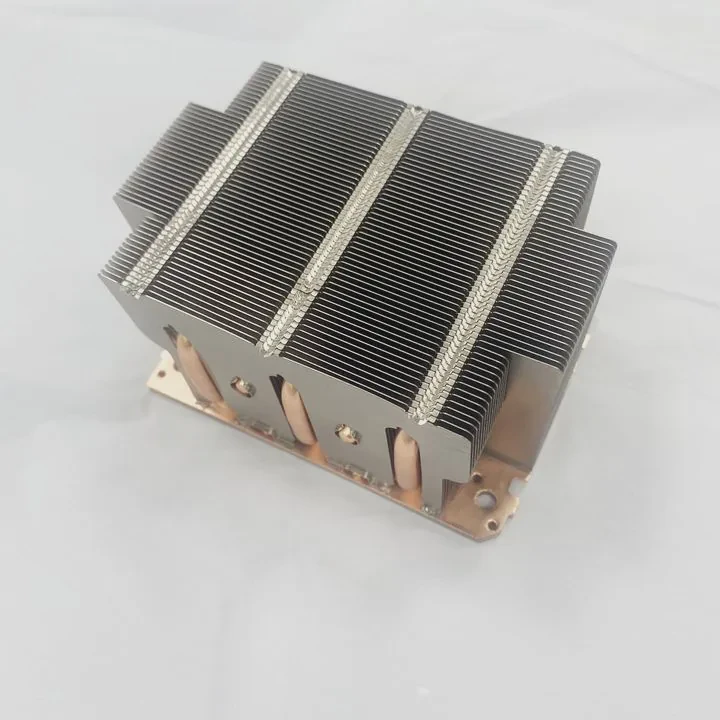
When a computer gets hot, performance slows down. Fans alone sometimes cannot keep up with the heat. That’s when liquid cooling becomes the smarter solution.
Liquid cooling is a method that uses a circulating liquid to move heat away from computer components faster than air can. It keeps CPUs and GPUs cooler, allowing them to perform better and last longer.
As processors become more powerful, heat control is becoming a key challenge. Liquid cooling systems solve this by providing stable, quiet, and efficient temperature management that air cooling cannot always achieve.
How does computer liquid cooling work?
Computers generate a lot of heat when performing demanding tasks. Air coolers can only move so much heat, so liquid cooling uses a more effective medium — liquid.
A liquid cooling system transfers heat from hot components into a circulating coolant, which then releases it through a radiator and fans. The process keeps the system running at optimal temperatures even under heavy loads.
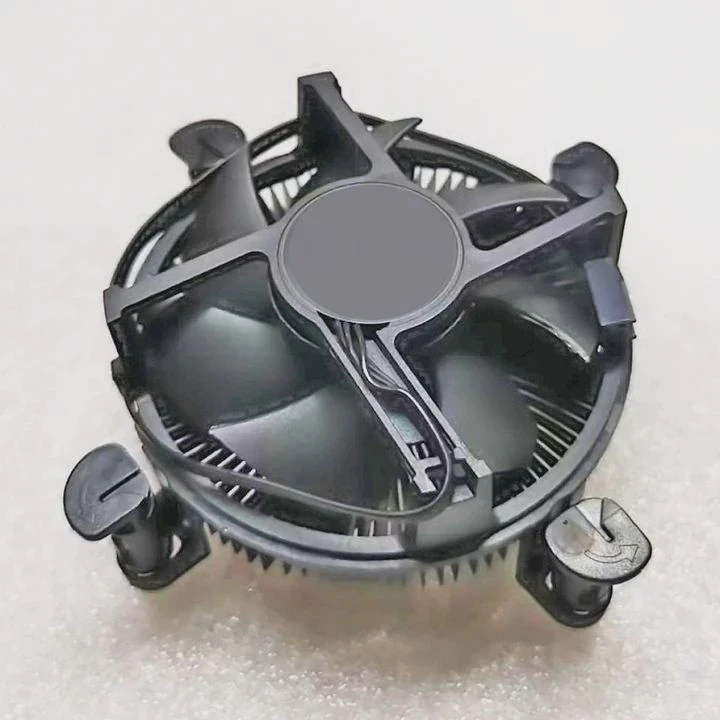
Main components of a liquid cooling system
| Component | Function |
|---|---|
| Water Block | Absorbs heat from CPU or GPU |
| Pump | Circulates the coolant through the loop |
| Radiator | Dissipates heat into the air |
| Fans | Push air through the radiator fins |
| Tubes | Connect and route the coolant between components |
| Coolant | Transfers heat throughout the loop |
Step-by-step explanation
The liquid cooling system starts with a water block placed on top of the CPU or GPU. This block contains small channels where coolant flows and absorbs heat. The pump pushes the heated coolant through tubes toward the radiator. The radiator has fans that help release the heat into the air. Once cooled, the liquid returns to the water block to repeat the process.
Because liquids conduct heat better than air, this setup allows computers to run at lower temperatures with less noise. The loop works continuously, keeping performance steady even during intense gaming, video rendering, or scientific computation.
What are its performance benefits?
Hot components lose speed and efficiency. When temperatures rise, processors throttle to protect themselves. This can slow down your computer during demanding tasks.
Liquid cooling improves performance by maintaining lower and more stable temperatures, reducing noise, and allowing safe overclocking for higher speeds.
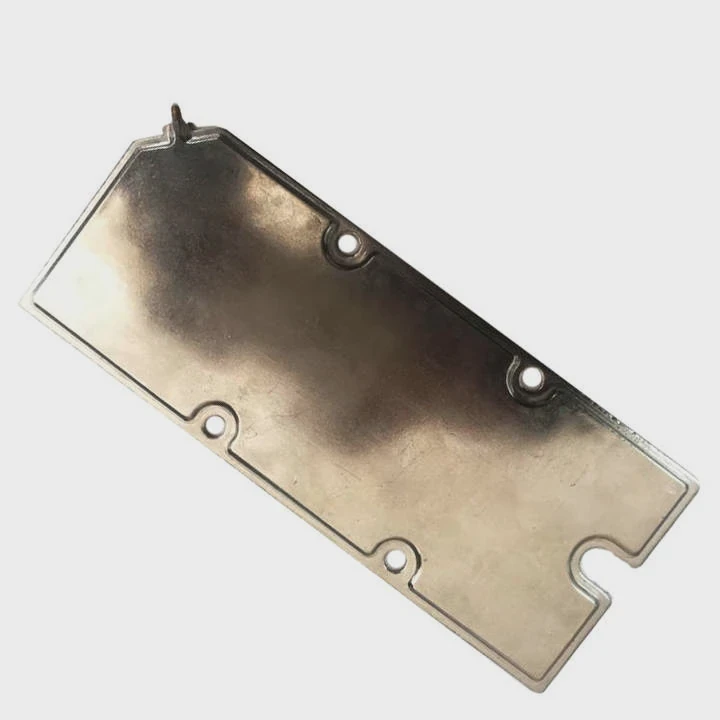
Key performance advantages
| Benefit | Description |
|---|---|
| Better thermal efficiency | Liquid absorbs and moves heat faster than air |
| Quieter operation | Larger radiators and slow fans reduce noise |
| Stable performance | Keeps CPU and GPU at consistent temperatures |
| Extended hardware life | Prevents overheating damage over time |
| Overclocking potential | Allows safe performance tuning beyond default limits |
Why liquid cooling makes a difference
When air coolers reach their limit, liquid systems stay efficient. The thermal conductivity of water is much higher than air, meaning it can carry heat away faster. This leads to smoother performance during gaming or heavy multitasking. It also means less fan noise, since the system does not need to spin at high speeds to maintain cool temperatures. Over time, this stability increases the reliability and lifespan of your computer parts.
How to install liquid cooling for PCs?
Installing liquid cooling can sound complex, but modern kits make it simpler than before. Many systems come as sealed units known as AIOs (All-in-One), while others use custom loops for advanced setups.
To install liquid cooling, mount the water block on your CPU, attach the radiator with fans, connect the tubes, and plug in the pump power. Make sure all parts are secured and the loop is leak-free before powering on.
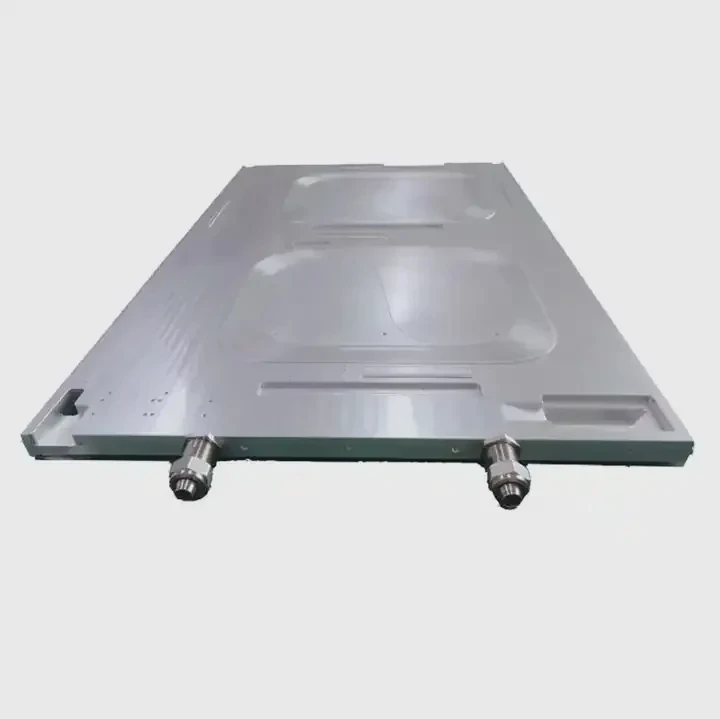
Step-by-step installation guide
- Prepare your workspace – Turn off the PC, unplug cables, and clear space for installation.
- Remove old air cooler – Clean the CPU surface with thermal paste remover.
- Mount the radiator – Place it on the case top or front with good airflow.
- Attach the fans – Ensure airflow direction matches your cooling plan.
- Install the water block – Apply fresh thermal paste and secure it on the CPU.
- Connect tubes and cables – Check that tubes are not twisted or kinked.
- Power the pump – Connect the pump header to the motherboard.
- Test for leaks – Run the pump briefly before full startup.
Tips for safe installation
- Always check the pump orientation; wrong direction can trap air bubbles.
- Keep radiator fans as exhaust to move heat out efficiently.
- For custom loops, use distilled water or approved coolant to avoid corrosion.
- Regularly check coolant levels every 6–12 months.
Following these steps ensures smooth operation and minimizes the risk of leaks or overheating.
What are the new trends in computer cooling?
Technology keeps evolving, and so does cooling design. As CPUs and GPUs become more powerful, new trends focus on combining performance with aesthetics and environmental care.
Modern cooling systems are shifting toward modular, smart-controlled, and eco-friendly solutions that balance power and efficiency.
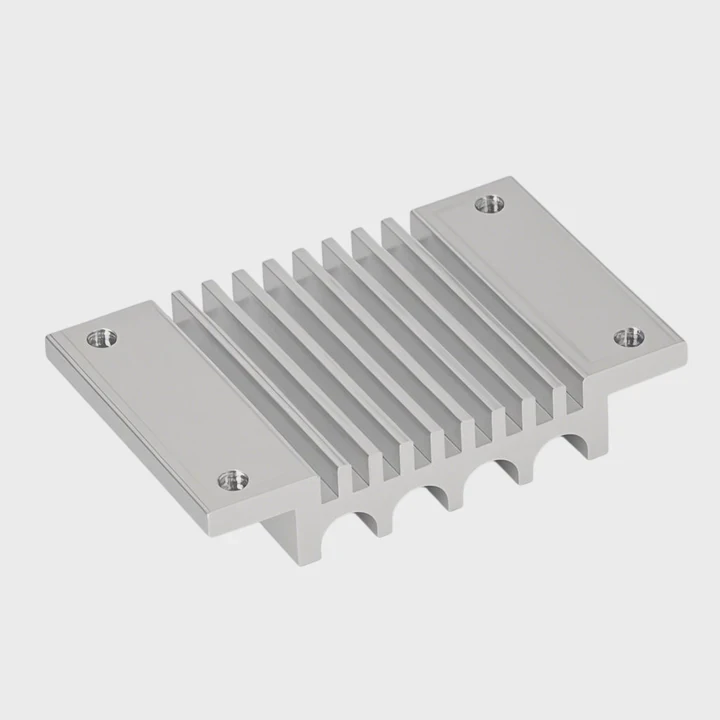
Emerging innovations in PC cooling
| Trend | Description |
|---|---|
| Smart thermal control | AI monitors and adjusts fan and pump speed automatically |
| Modular AIO systems | Easier upgrades and flexible radiator options |
| Transparent coolants | Add visual appeal and leak detection ease |
| Low-GWP refrigerant loops | Environmentally friendly cooling materials |
| Integrated cooling in PC cases | Compact designs that save space and boost airflow |
Looking into the future
Manufacturers are now developing hybrid systems that combine air and liquid cooling for better balance. Some high-end PCs already feature AI-driven control that adjusts cooling levels based on workload, noise, and temperature. Others integrate sensors that predict maintenance needs before performance drops.
There’s also growing attention on sustainability. New coolant materials are less harmful to the environment, and recyclable components reduce waste. Even industrial cooling methods like phase-change systems and liquid immersion—once limited to data centers—are entering the consumer market.
As I see it, the next generation of PC cooling will be smarter, cleaner, and more efficient, with aesthetics and performance working hand in hand.
Conclusion
Liquid cooling transforms how computers manage heat. It improves performance, reduces noise, and extends hardware life. With innovation moving fast, liquid cooling is no longer just for enthusiasts—it’s becoming the standard for the next era of high-performance computing.
TAGS
Latest Articles

Volume discount levels for heat sink orders?
Buyers often ask when heat sink prices start to drop with volume. Many worry they’re overpaying for small orders. This guide explains how B2B volume pricing works for thermal components. Heat sink
21 Dec,2025
Heat sink long-term supply contract options?
Many buyers want stable pricing and reliable delivery for heat sinks. But without a clear contract, risks grow over time. This article explores how to secure better long-term supply deals. Long-term
21 Dec,2025
Tooling cost for new heat sink profiles?
Many engineers struggle to understand why tooling for custom heat sinks costs so much. They worry about budgeting and production timelines. This article breaks down the cost drivers behind tooling.
21 Dec,2025
Heat sink custom sample process steps?
Sometimes, starting a custom heat sink project feels overwhelming—too many steps, too many unknowns, and too many risks. You want a sample, but not endless delays. The process for requesting and
20 Dec,2025
Standard B2B terms for heat sink payments?
When buyers and sellers in B2B heat sink markets talk about payment, many don’t fully understand what’s standard. This can lead to delayed orders, miscommunication, and even lost business
20 Dec,2025
Heat sink pricing factors for large orders?
Heat sinks are vital for many systems. When prices rise, projects stall and budgets break. This problem can hit teams hard without warning. Large order heat sink pricing depends on many factors. You
20 Dec,2025Related Articles
- Is liquid cooling quieter?
- What Is All-in-One Liquid Cooling?
- How to know if my liquid cooler is working?
- Does Ryzen 9 5900X need liquid cooling?
- What is liquid cooling in data center?
- How to connect a liquid CPU cooler?
- Does liquid cooling increase performance?
- Where to install a liquid CPU cooler?
- How Hard Is It to Install Liquid Cooling?
- How to setup liquid CPU cooler?
- Is air cooling better than liquid cooling?
- How to liquid cool?
Author
Dr. Emily Chen
Chief AI Researcher
Leading expert in thermal dynamics and AI optimization with over 15 years of experience in data center efficiency research.
Categories
Latest Products






Recommend Categories
- Liquid cooling plate Manufacturer
- Industrial Heat Sink Manufacturer
- Standard Heat Sink Manufacturer
- Aluminum Heat Sink Manufacturer
- Copper Heat Sink Manufacturer
- Anodized Heatsink Manufacturer
- Stamping heat sink Manufacturer
- Die Casting Heatsink Manufacturer
- Soldering heat sink Manufacturer
- CNC Parts Manufacturer
Latest Products
- Wholesale Aluminum Radiator
- Water Cooling Plate Kit
- Water Cooling Heat Sink
- Water Cooling Heat Sink Kit
- Stainless Steel Water Distributor
- Server Water Cooling Plate Kit
- Server Liquid Cooling System
- Server Aluminum Cooling Kit
- S19 Full Cover Cooling Plate
- S19 Cooling Plate Kit
- S19 Aluminum Cooling Plate
Contact Expert
Have questions about this article? Reach out to our experts directly.