Which is better, air cooler or liquid cooler?
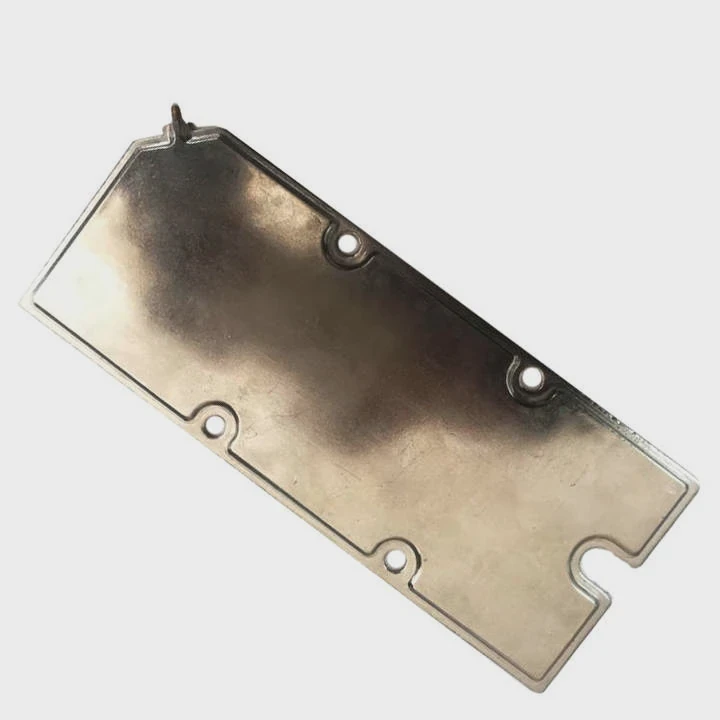
When building or upgrading a computer, one of the most common questions people ask is whether to use an air cooler or a liquid cooler for their CPU. Each cooling method has its own benefits, trade-offs, and ideal use cases.
Air coolers use fans and metal heatsinks to dissipate heat, while liquid coolers use circulating coolant and radiators for higher efficiency and lower noise.
The “better” option depends on your performance needs, budget, and how much maintenance you are willing to do. Let’s explore what sets these systems apart and how to choose the right one.
What are air and liquid cooling systems?
Every CPU produces heat when it operates. Cooling systems remove that heat to prevent damage and maintain stable performance. Air and liquid coolers do this differently, using either airflow or coolant flow.
Air cooling uses metal heatsinks and fans to move heat into the air, while liquid cooling uses a pump, tubes, and a radiator to move heat through a coolant.
Air Cooling Systems
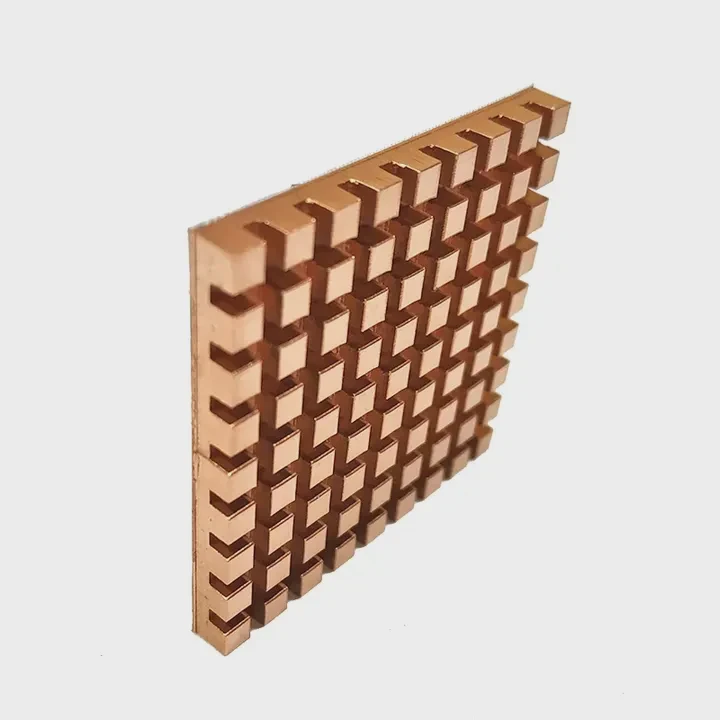
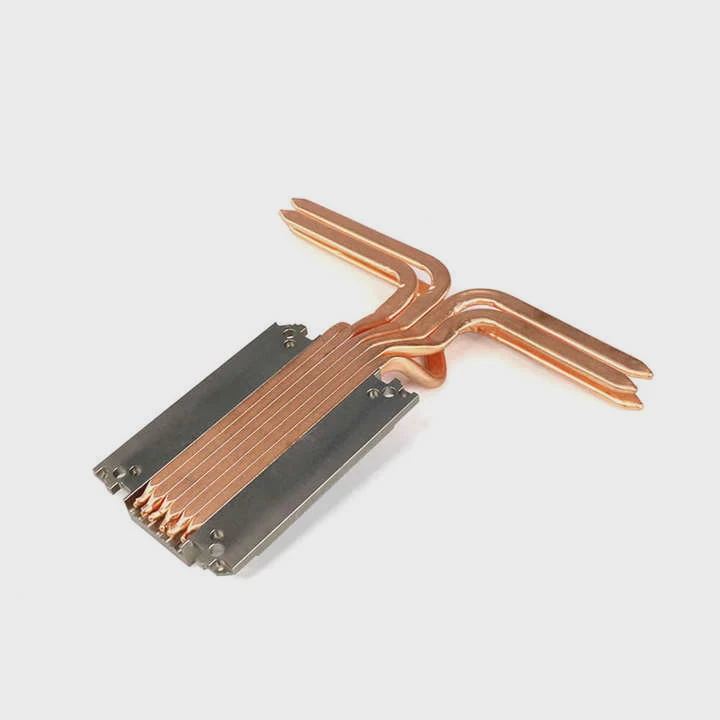
Air coolers work by transferring heat from the CPU to a metal baseplate, usually made of copper or aluminum. The heat moves through pipes into a fin array, where fans blow air across the fins to dissipate heat.
- Main parts: baseplate, heat pipes, fins, and fan
- Cooling medium: air
- Advantages: simple, affordable, low maintenance
Liquid Cooling Systems
Liquid cooling (also known as water cooling) uses a liquid coolant to absorb and transport heat away from the CPU.
- Main parts: pump, water block, radiator, tubes, and fans
- Cooling medium: liquid coolant
- Advantages: efficient heat transfer, quieter operation, cleaner aesthetics
| Feature | Air Cooler | Liquid Cooler |
|---|---|---|
| Main Medium | Air | Coolant (liquid) |
| Components | Heatsink + Fan | Pump + Tubes + Radiator |
| Complexity | Simple | Moderate |
| Cooling Efficiency | Moderate | High |
| Maintenance | Low | Medium |
Both systems achieve the same goal, but they differ in how they manage heat, noise, and appearance.
What are the advantages of each type?
Both air and liquid coolers have unique strengths. Understanding their advantages helps you decide which one fits your system best.
Air coolers are reliable, inexpensive, and easy to maintain, while liquid coolers offer superior cooling performance, quieter operation, and sleeker designs.
Advantages of Air Coolers
1. Simplicity and Reliability
Air coolers have no pumps or coolant, which means fewer parts that can fail. Once installed, they work for years with minimal upkeep.
2. Lower Cost
Air coolers are cheaper and still perform very well for most CPUs, especially mid-range and energy-efficient models.
3. Easy Installation
Most air coolers come pre-assembled and mount directly onto the CPU socket without extra setup.
4. Long Lifespan
A good quality air cooler can last through multiple PC builds. Even if the fan fails, it’s easy and cheap to replace.
Advantages of Liquid Coolers
1. Better Heat Dissipation
Liquid transfers heat more efficiently than air, allowing for lower CPU temperatures during heavy workloads or overclocking.
2. Quieter Operation
Because liquid cooling moves heat away more effectively, the fans spin slower and make less noise.
3. Sleek and Compact Design
Liquid coolers often have cleaner layouts, freeing up space around the CPU and offering better aesthetics, especially in modern PC builds.
4. Overclocking Potential
For gamers or creators pushing their CPUs to the limit, liquid coolers provide higher thermal headroom.
| Cooling Type | Main Advantage | Ideal For |
|---|---|---|
| Air Cooler | Reliable and affordable | Everyday or budget builds |
| Liquid Cooler | High-performance and quiet | Gaming, workstations, overclocking |
Both cooling methods can perform excellently when matched to the right CPU and use case.
How to choose between air and liquid coolers?
Picking between air and liquid cooling depends on your budget, performance goals, and personal preferences. There’s no universal answer — the best choice is the one that fits your needs.
Choose air cooling if you value simplicity and reliability. Choose liquid cooling if you prioritize low noise, high performance, and modern aesthetics.

Step 1: Define Your Usage
- Casual or office PC: Air cooling is more than enough.
- Gaming or rendering PC: Liquid cooling helps maintain stable performance under heavy load.
Step 2: Consider Case Size
Large tower coolers require more space around the CPU socket. Small cases may benefit from compact liquid AIO systems with flexible radiator placement.
Step 3: Budget Planning
Air coolers range from \(30–\)100, while liquid AIO systems start around \(100 and can exceed \)300 for premium models.
Step 4: Maintenance and Longevity
Air coolers need only occasional dusting. Liquid systems may require coolant checks or fan replacements over time.
Step 5: Noise Preference
If you prefer silent operation, liquid coolers generally perform better under load, while air coolers can be equally quiet at idle.
| Factor | Air Cooler | Liquid Cooler |
|---|---|---|
| Price | Low | Higher |
| Cooling Power | Moderate | High |
| Installation | Easy | Moderate |
| Maintenance | Minimal | Requires checks |
| Noise Level | Moderate | Low |
| Look and Style | Classic | Modern |
When properly installed and maintained, both types of coolers can last years and protect your CPU effectively.
What are the latest trends in CPU cooling?
As CPUs get faster and more power-dense, cooling technology is evolving to match. The new generation of coolers is smarter, quieter, and more sustainable.
The latest trends in CPU cooling include hybrid vapor-liquid designs, AI-based fan control, eco-friendly materials, and visually integrated cooling systems.
1. Hybrid Cooling Systems
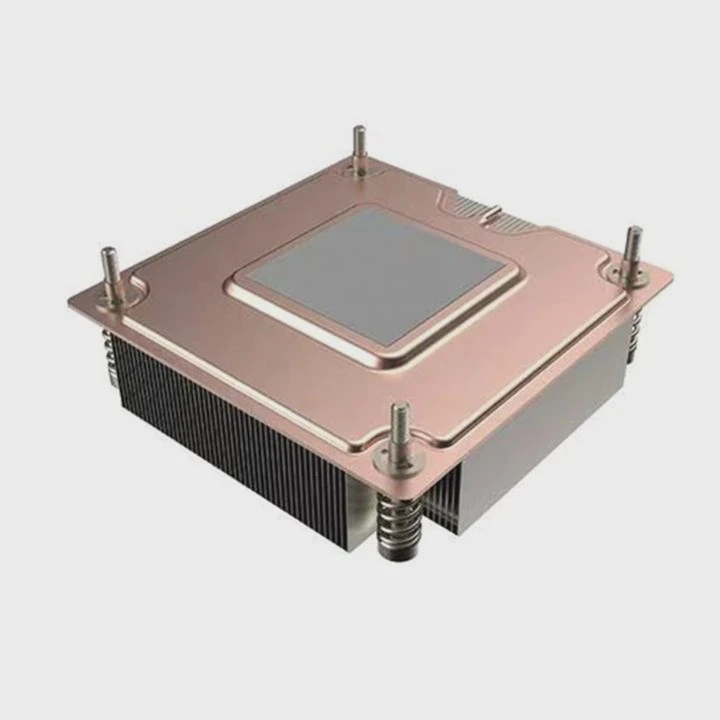
Manufacturers are now combining vapor chambers with liquid loops to improve heat distribution while keeping designs slim and lightweight.
2. Smart Control Systems
AI-driven software adjusts fan and pump speeds in real time based on temperature and CPU load, optimizing both performance and noise.
3. Eco-Friendly Coolants
Coolant chemistry is shifting toward biodegradable and low-toxicity formulas that last longer and reduce environmental impact.
4. Integrated Display Panels
Many modern coolers feature built-in LCD or OLED screens showing CPU temperature, load, or custom animations, merging performance with aesthetics.
5. Compact Radiator Designs
Slim radiators and modular components make liquid cooling easier to install in smaller cases, appealing to compact build enthusiasts.
| Trend | Description | Benefit |
|---|---|---|
| Hybrid Systems | Combines air and liquid methods | Efficient and quiet |
| AI Fan Control | Smart temperature adjustment | Lower noise, longer life |
| Eco Coolants | Sustainable chemistry | Safer and cleaner |
| LCD Displays | Real-time system info | User feedback |
| Compact Radiators | Space-saving solutions | Broader compatibility |
These advancements show that cooling is no longer just about function — it’s also about design, efficiency, and sustainability.
Conclusion
Both air and liquid coolers can effectively manage CPU heat, but they serve different priorities. Air coolers are simple, affordable, and reliable, while liquid coolers deliver higher performance and quieter operation. As cooling technology continues to evolve, hybrid and intelligent systems promise to combine the best of both worlds for the next generation of PCs.
TAGS
Latest Articles

Volume discount levels for heat sink orders?
Buyers often ask when heat sink prices start to drop with volume. Many worry they’re overpaying for small orders. This guide explains how B2B volume pricing works for thermal components. Heat sink
21 Dec,2025
Heat sink long-term supply contract options?
Many buyers want stable pricing and reliable delivery for heat sinks. But without a clear contract, risks grow over time. This article explores how to secure better long-term supply deals. Long-term
21 Dec,2025
Tooling cost for new heat sink profiles?
Many engineers struggle to understand why tooling for custom heat sinks costs so much. They worry about budgeting and production timelines. This article breaks down the cost drivers behind tooling.
21 Dec,2025
Heat sink custom sample process steps?
Sometimes, starting a custom heat sink project feels overwhelming—too many steps, too many unknowns, and too many risks. You want a sample, but not endless delays. The process for requesting and
20 Dec,2025
Standard B2B terms for heat sink payments?
When buyers and sellers in B2B heat sink markets talk about payment, many don’t fully understand what’s standard. This can lead to delayed orders, miscommunication, and even lost business
20 Dec,2025
Heat sink pricing factors for large orders?
Heat sinks are vital for many systems. When prices rise, projects stall and budgets break. This problem can hit teams hard without warning. Large order heat sink pricing depends on many factors. You
20 Dec,2025Related Articles
- What happens when liquid magma is cooled?
- How much does liquid cooling cost?
- What is a liquid-cooled engine?
- Which is better, air-cooled or liquid-cooled CPU?
- How to remove a liquid cooler from your CPU?
- Does the PS5 have liquid cooling?
- What is an AIO liquid cooler?
- Does the i9 9900K need liquid cooling?
- How to maintain liquid cooling?
- What is the best CPU liquid cooler?
- How does liquid nitrogen cooling work?
- How to liquid cool your computer?
Author
Dr. Emily Chen
Chief AI Researcher
Leading expert in thermal dynamics and AI optimization with over 15 years of experience in data center efficiency research.
Categories
Latest Products






Recommend Categories
- Liquid cooling plate Manufacturer
- Industrial Heat Sink Manufacturer
- Standard Heat Sink Manufacturer
- Aluminum Heat Sink Manufacturer
- Copper Heat Sink Manufacturer
- Anodized Heatsink Manufacturer
- Stamping heat sink Manufacturer
- Die Casting Heatsink Manufacturer
- Soldering heat sink Manufacturer
- CNC Parts Manufacturer
Latest Products
- Wholesale Aluminum Radiator
- Water Cooling Plate Kit
- Water Cooling Heat Sink
- Water Cooling Heat Sink Kit
- Stainless Steel Water Distributor
- Server Water Cooling Plate Kit
- Server Liquid Cooling System
- Server Aluminum Cooling Kit
- S19 Full Cover Cooling Plate
- S19 Cooling Plate Kit
- S19 Aluminum Cooling Plate
Contact Expert
Have questions about this article? Reach out to our experts directly.