Does Vapor Chamber require REACH testing?
When supplying or buying vapor chambers for global markets, chemical regulations matter.
Yes — if vapor chambers are to be sold into the EU or markets enforcing REACH Regulation (EC 1907/2006), you need to check whether the parts count as “articles” and ensure no restricted or high‑concern substances are included.
This article explains when REACH applies, what risks may exist, and how suppliers and customers can handle compliance when sourcing vapor chambers.
Is REACH chemical‑compliance testing required for Vapor Chambers?
REACH aims to protect human health and environment by regulating chemicals placed on the market.
REACH testing is not required for vapor chambers as finished articles, but their materials and internal fluids must still comply with REACH restrictions.
Vapor chambers are generally considered “articles” under REACH, not substances. That means they are exempt from full chemical registration — but still must not contain restricted or SVHC materials above thresholds. Internal fluids, coatings, flux, or solder materials must be checked separately.
Suppliers exporting to the EU must verify that their products meet the chemical safety standards, especially for surface treatments or internal working fluids.
Are there substances of very high concern (SVHC) in Vapor Chambers?
SVHCs are chemicals that may cause serious effects on health or environment.
Vapor chambers made from copper or aluminum generally contain no SVHCs, unless special coatings, fluids, or solders are used.
Most SVHC risks in vapor chambers come from non-metal components. These might include:
- Coatings with restricted flame retardants or chromium compounds
- Internal working fluids with PFAS or halogenated compounds
- Lead-bearing solder used during sealing or connector attachment
Each must be verified to ensure the concentration remains below 0.1% (w/w). If any SVHC is present above this limit, disclosure is required to downstream users under REACH Article 33.
Buyers should request full chemical declarations if they suspect any non-standard treatment or fluid is used inside the product.
Do suppliers provide REACH documentation for Vapor Chambers?
Many industrial buyers request REACH declarations along with standard certificates.
Yes — reliable suppliers provide REACH or SVHC compliance documentation confirming materials used do not exceed regulated thresholds.
Suppliers may offer:
- REACH SVHC Declaration
- Material composition list (for copper, wick, filler fluid, solder)
- Confirmation that the product qualifies as an article and contains no SVHC > 0.1%
Larger OEM suppliers often include REACH compliance in their standard documentation packs, especially if exporting to Europe or regions following similar chemical safety frameworks.
If a supplier refuses to provide such documents, it may indicate lack of transparency or poor traceability in their supply chain.
How to ensure Vapor Chamber components meet REACH requirements?
Buyers have a role in keeping products compliant — especially for export.
To ensure compliance, request REACH declarations, verify materials used, and track any changes in parts or fluids.
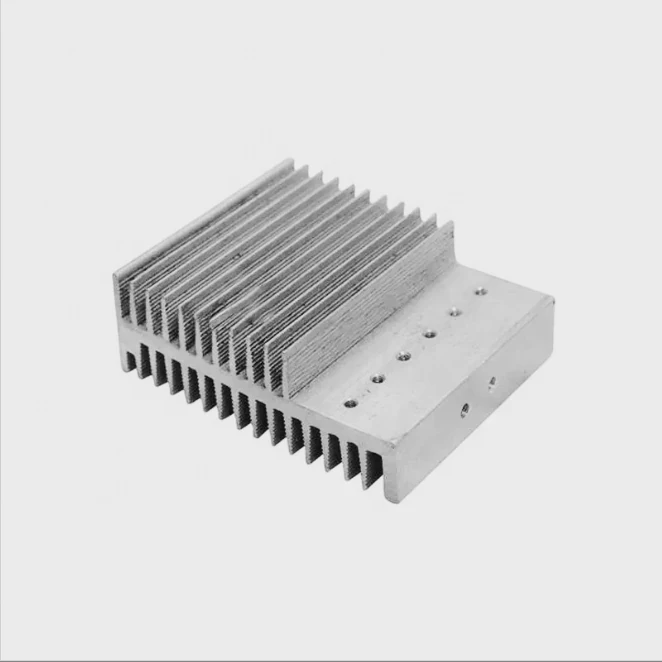
Here’s how to confirm compliance:
| Step | Action |
|---|---|
| 1. Request SVHC declaration | Ensure supplier confirms no SVHC over 0.1% |
| 2. Review material certificates | Check alloy specs, fluid MSDS, solder composition |
| 3. Confirm “article” status | Ensure vapor chamber is a finished, enclosed part |
| 4. Require batch traceability | Link each part to materials and documentation |
| 5. Conduct random testing (if needed) | Use lab analysis (e.g. XRF or ICP) for confirmation |
For projects with regulatory or medical applications, additional material screening may be required at the component level.
If compliance is not proven and documented, the vapor chamber could face customs rejection or customer return in regulated markets.
Conclusion
Vapor chambers are classified as articles and usually exempt from REACH substance registration.
However, compliance still matters — especially for internal fluids, solders, or coatings. Requesting REACH/SVHC documentation from suppliers and verifying material content ensures you meet regulatory demands in the EU and other global markets.
TAGS
Latest Articles

Volume discount levels for heat sink orders?
Buyers often ask when heat sink prices start to drop with volume. Many worry they’re overpaying for small orders. This guide explains how B2B volume pricing works for thermal components. Heat sink
21 Dec,2025
Heat sink long-term supply contract options?
Many buyers want stable pricing and reliable delivery for heat sinks. But without a clear contract, risks grow over time. This article explores how to secure better long-term supply deals. Long-term
21 Dec,2025
Tooling cost for new heat sink profiles?
Many engineers struggle to understand why tooling for custom heat sinks costs so much. They worry about budgeting and production timelines. This article breaks down the cost drivers behind tooling.
21 Dec,2025
Heat sink custom sample process steps?
Sometimes, starting a custom heat sink project feels overwhelming—too many steps, too many unknowns, and too many risks. You want a sample, but not endless delays. The process for requesting and
20 Dec,2025
Standard B2B terms for heat sink payments?
When buyers and sellers in B2B heat sink markets talk about payment, many don’t fully understand what’s standard. This can lead to delayed orders, miscommunication, and even lost business
20 Dec,2025
Heat sink pricing factors for large orders?
Heat sinks are vital for many systems. When prices rise, projects stall and budgets break. This problem can hit teams hard without warning. Large order heat sink pricing depends on many factors. You
20 Dec,2025Related Articles
- Best CAD format for Vapor Chamber drawings?
- Can Vapor Chamber integration in electric motors?
- Vapor Chamber for robotics cooling modules?
- Risk control for Vapor Chamber sourcing
- Vapor Chamber industry upcoming regulations?
- Does Vapor Chamber support mass customization?
- Vapor Chamber road transport limitations
- Vapor Chamber freight forwarder requirements
- Vapor Chamber carton palletizing guide
- Vapor Chamber packaging moisture tests?
- Import duty for Vapor Chamber in Germany?
- Vapor Chamber documentation required for customs
Author
Dr. Emily Chen
Chief AI Researcher
Leading expert in thermal dynamics and AI optimization with over 15 years of experience in data center efficiency research.
Categories
Latest Products






Recommend Categories
- Liquid cooling plate Manufacturer
- Industrial Heat Sink Manufacturer
- Standard Heat Sink Manufacturer
- Aluminum Heat Sink Manufacturer
- Copper Heat Sink Manufacturer
- Anodized Heatsink Manufacturer
- Stamping heat sink Manufacturer
- Die Casting Heatsink Manufacturer
- Soldering heat sink Manufacturer
- CNC Parts Manufacturer
Latest Products
- Wholesale Aluminum Radiator
- Water Cooling Plate Kit
- Water Cooling Heat Sink
- Water Cooling Heat Sink Kit
- Stainless Steel Water Distributor
- Server Water Cooling Plate Kit
- Server Liquid Cooling System
- Server Aluminum Cooling Kit
- S19 Full Cover Cooling Plate
- S19 Cooling Plate Kit
- S19 Aluminum Cooling Plate
Contact Expert
Have questions about this article? Reach out to our experts directly.