Vapor Chamber road transport limitations
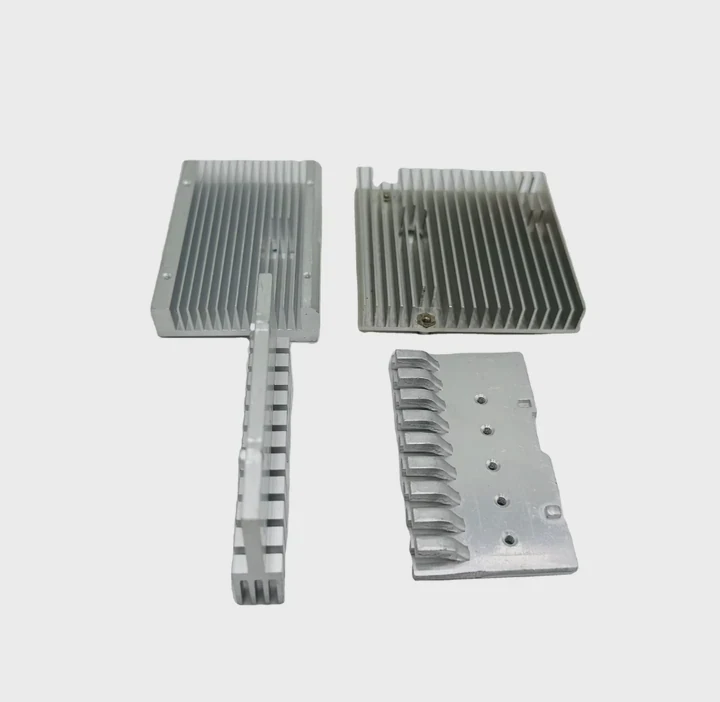
Transporting vapor chambers (VCs) by road sounds simple — they are solid metal parts after all. But there are several limitations and risks that must be managed carefully to avoid damage during transit. In this article I explore common concerns: size, weight, packaging, securing, and vibration/shock.
Vapor chambers are sensitive to mechanical stress, vibration, and improper handling; road transport must use proper packaging, secure fixing, and cushioning to avoid damage to the internal wick, seal, or chamber flatness.
Let’s explore how to do that properly.
Are there limitations for transporting Vapor Chambers by road?
Road transport introduces mechanical stress, shock, and vibration. Vapor chambers, while appearing robust, are delicate inside — they include vacuum-sealed cavities, fine wicks, and thin surfaces that can warp.
Yes, vapor chambers face real limitations in road transport due to internal structure sensitivity and flatness requirements.
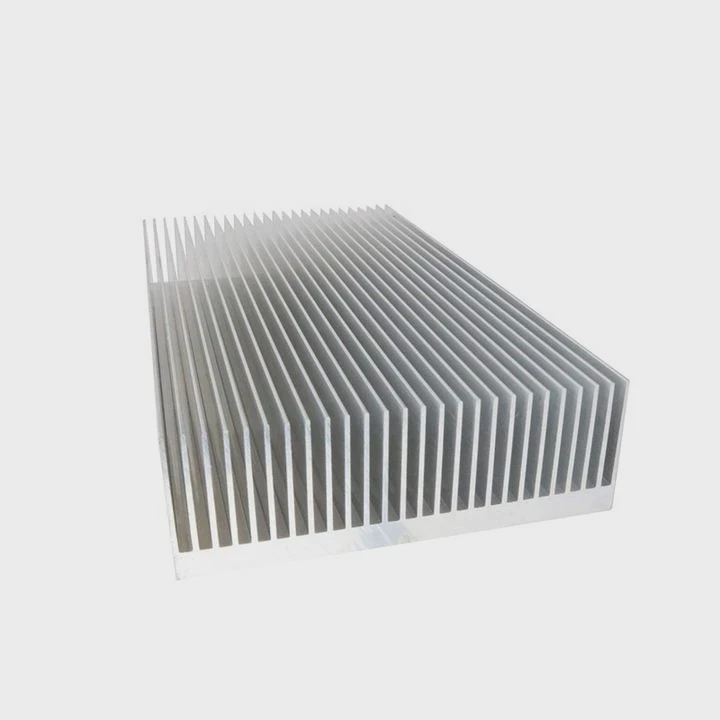
Even minor damage during loading or driving (e.g., potholes, rough terrain, sudden braking) may harm seals or disturb internal wicking structures. This causes performance loss or chamber failure.
VCs should not be treated as basic aluminum plates. They need similar handling care to electronics or lab instruments. Even more so for large, thin, or high-power models.
Do weight or size restrictions affect Vapor Chamber road freight?
Though most VCs are lightweight, bulk shipments or oversized versions can present challenges. Their thin structure and precise surfaces limit how they can be handled or stacked.
Weight is rarely a problem, but large VC shipments need balanced loading and careful stack planning to prevent mechanical stress.
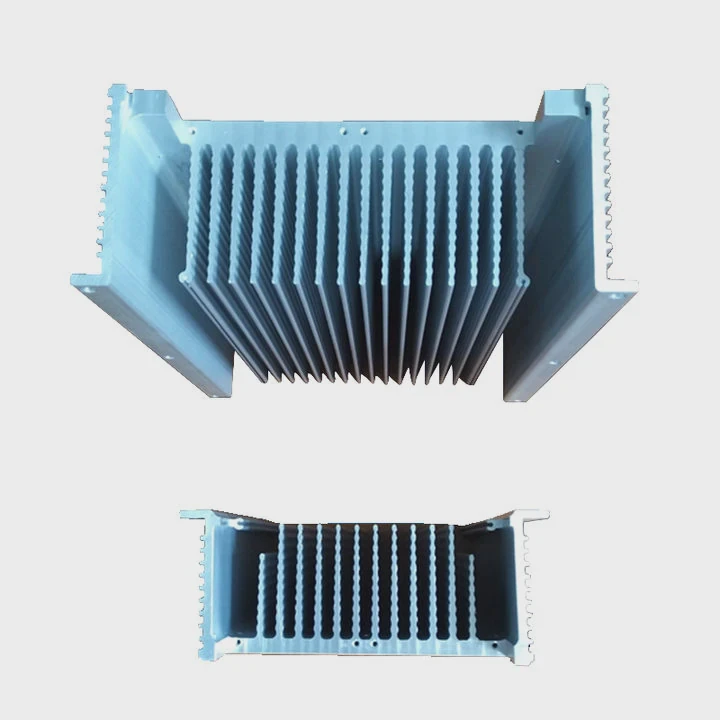
While small VCs fit into foam trays easily, large panels for servers or racks may need crates with internal supports to avoid bending. In multi-unit packaging, avoid stacking metal-on-metal, and ensure nothing presses directly onto VC faces.
Oversized chambers (over 300 mm) are more vulnerable to stress and may need custom wooden crates or rack systems inside containers to hold them securely.
Are special packaging or securing methods required for road transport?
Because vapor chambers can deform or leak from vibration, shocks, or pressure, packaging is critical. Standard cartons are rarely enough.
Yes, vapor chambers need internal foam, non-contact cradles, and anti-vibration packaging for safe road transport.
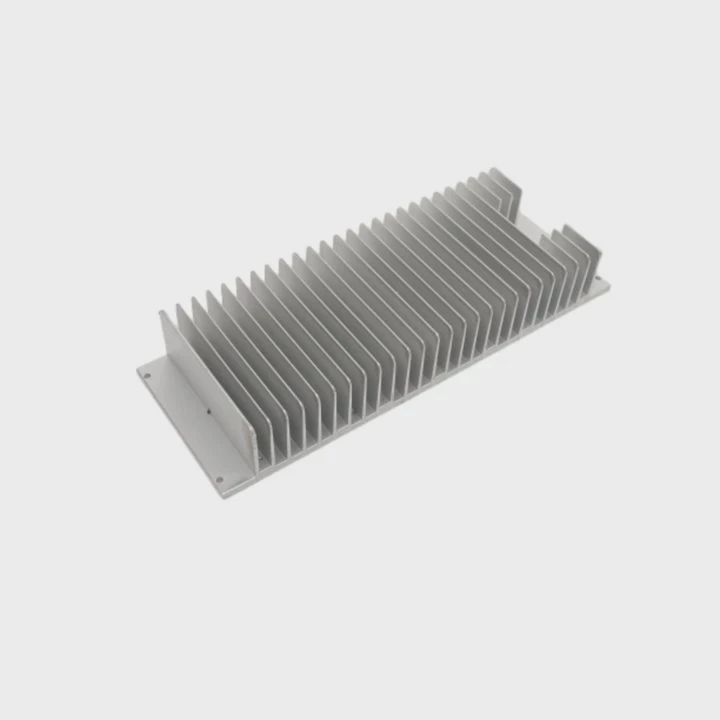
Recommended protection steps include:
- Foam separators between units
- Anti-static bubble wrap or molded cushions
- Internal dividers or trays in boxes
- Shock-absorbing outer layers
- Plastic bags or desiccant packs for humidity control
- Fragile labels and upright orientation markings
For long-distance freight, consider using drop-test-rated crates and performing packaging vibration tests to qualify the setup before mass shipping.
Can road vibration or shock damage Vapor Chambers during transit?
Internal damage is often invisible — until the chamber is installed and thermal performance fails. That’s why transport conditions must prevent mechanical stress.
Yes, road vibration or shock can damage internal wick structures, warp flat surfaces, or create micro-leaks in vapor chambers.
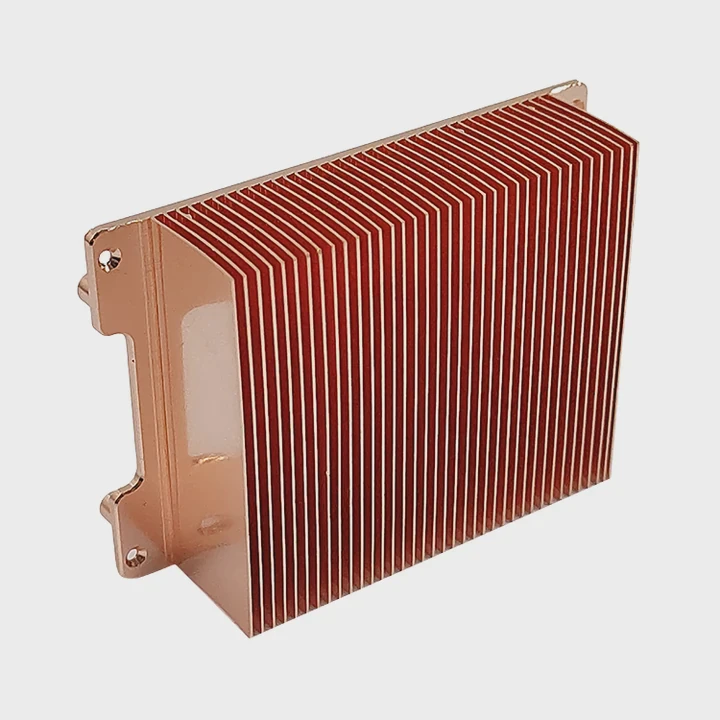
Even minor shock over time — like driving on bumpy roads — causes fatigue. If a VC rides loose inside its packaging, repeated tapping or flexing can distort it. Poor crate insulation can allow thermal cycling from day-night exposure, adding expansion stress.
Damage signs may include:
- Leaking from seam joints
- Loss of internal pressure (fluid boils at room temp)
- Poor thermal spreading
- Reduced flatness (won’t sit flush on mating surface)
Therefore, each shipment should be inspected before installation: check for warping, seal integrity, and overall appearance. Re-test flatness if critical.
Conclusion
Road transport of vapor chambers requires planning and care. While light and seemingly robust, VCs have internal features that fail under mechanical abuse. Always use protective packaging, shock-absorbing inserts, and secure stacking. Don’t rely on visual inspection alone — validate chambers after transport. With correct handling, vapor chambers can be moved by road safely and arrive ready to perform at full capacity.
TAGS
Latest Articles

Volume discount levels for heat sink orders?
Buyers often ask when heat sink prices start to drop with volume. Many worry they’re overpaying for small orders. This guide explains how B2B volume pricing works for thermal components. Heat sink
21 Dec,2025
Heat sink long-term supply contract options?
Many buyers want stable pricing and reliable delivery for heat sinks. But without a clear contract, risks grow over time. This article explores how to secure better long-term supply deals. Long-term
21 Dec,2025
Tooling cost for new heat sink profiles?
Many engineers struggle to understand why tooling for custom heat sinks costs so much. They worry about budgeting and production timelines. This article breaks down the cost drivers behind tooling.
21 Dec,2025
Heat sink custom sample process steps?
Sometimes, starting a custom heat sink project feels overwhelming—too many steps, too many unknowns, and too many risks. You want a sample, but not endless delays. The process for requesting and
20 Dec,2025
Standard B2B terms for heat sink payments?
When buyers and sellers in B2B heat sink markets talk about payment, many don’t fully understand what’s standard. This can lead to delayed orders, miscommunication, and even lost business
20 Dec,2025
Heat sink pricing factors for large orders?
Heat sinks are vital for many systems. When prices rise, projects stall and budgets break. This problem can hit teams hard without warning. Large order heat sink pricing depends on many factors. You
20 Dec,2025Related Articles
- Does Vapor Chamber require REACH testing?
- Best CAD format for Vapor Chamber drawings?
- Can Vapor Chamber integration in electric motors?
- Vapor Chamber for robotics cooling modules?
- Risk control for Vapor Chamber sourcing
- Vapor Chamber industry upcoming regulations?
- Vapor Chamber freight forwarder requirements
- Vapor Chamber carton palletizing guide
- Vapor Chamber packaging moisture tests?
- Import duty for Vapor Chamber in Germany?
- Vapor Chamber documentation required for customs
- Is Vapor Chamber suitable for mass production?
Author
Dr. Emily Chen
Chief AI Researcher
Leading expert in thermal dynamics and AI optimization with over 15 years of experience in data center efficiency research.
Categories
Latest Products






Recommend Categories
- Liquid cooling plate Manufacturer
- Industrial Heat Sink Manufacturer
- Standard Heat Sink Manufacturer
- Aluminum Heat Sink Manufacturer
- Copper Heat Sink Manufacturer
- Anodized Heatsink Manufacturer
- Stamping heat sink Manufacturer
- Die Casting Heatsink Manufacturer
- Soldering heat sink Manufacturer
- CNC Parts Manufacturer
Latest Products
- Wholesale Aluminum Radiator
- Water Cooling Plate Kit
- Water Cooling Heat Sink
- Water Cooling Heat Sink Kit
- Stainless Steel Water Distributor
- Server Water Cooling Plate Kit
- Server Liquid Cooling System
- Server Aluminum Cooling Kit
- S19 Full Cover Cooling Plate
- S19 Cooling Plate Kit
- S19 Aluminum Cooling Plate
Contact Expert
Have questions about this article? Reach out to our experts directly.