Can Vapor Chamber integration in electric motors?
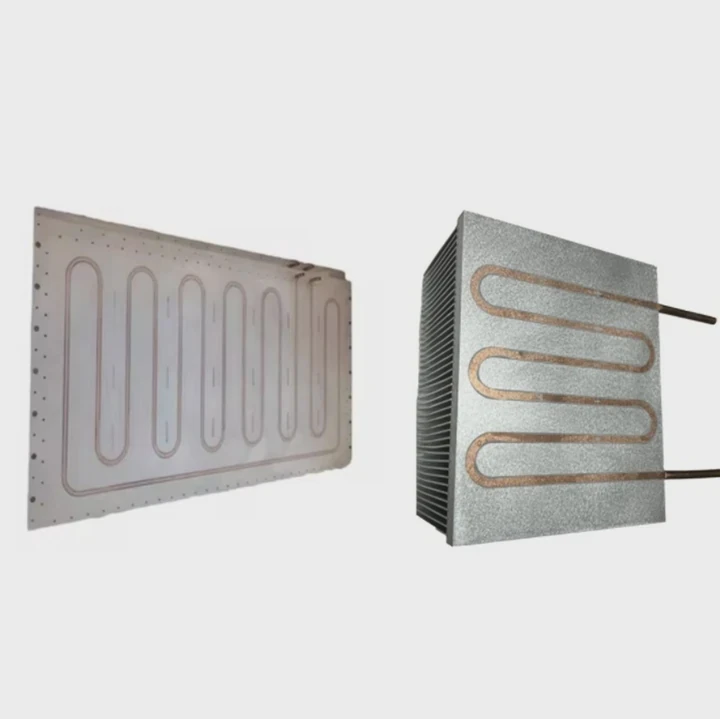
Electric motors — especially in high‑power or compact applications — generate significant heat. Integrating a vapor chamber into motor cooling systems could improve heat spreading and thermal management.
Vapor chambers can be integrated into motor systems, particularly for power electronics and housings, where they help manage concentrated heat and improve thermal uniformity.
Let’s explore feasibility, parts suitable, potential benefits, and challenges of such integration.
Can Vapor Chambers be integrated in electric motor cooling systems?
Vapor chambers are designed as efficient, flat heat spreaders. In principle, they can be integrated into motor cooling systems, particularly in parts that concentrate high heat flux.
Yes. Vapor chambers are used in cooling systems for inverters, housings, and thermal bases attached to electric motors, especially in high-power or high-density designs.
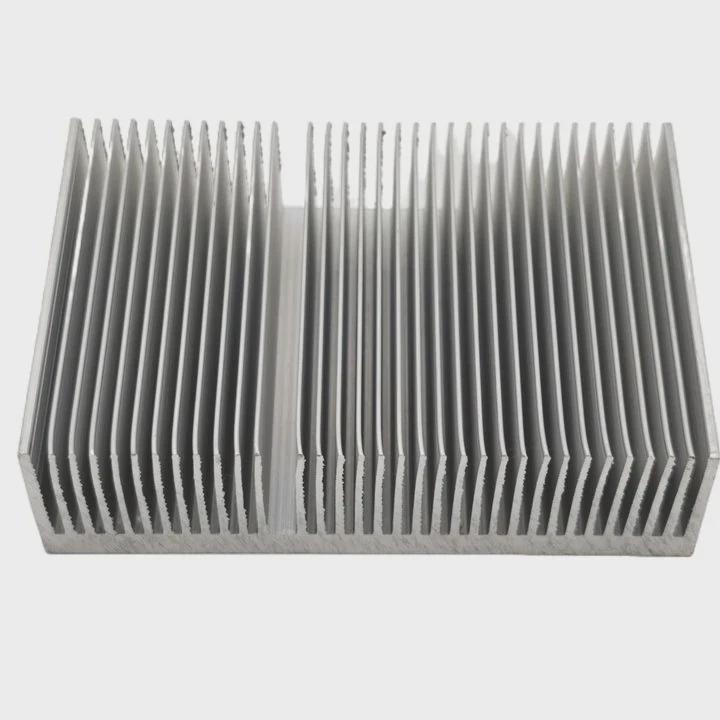
Using a vapor chamber in a motor’s cooling scheme means taking advantage of its excellent lateral heat spreading and phase‑change heat transport. This helps move heat away from hot spots to larger surfaces or to heat sinks/fins, potentially lowering peak temperatures and improving uniformity.
What parts of electric motors use Vapor Chambers?
Vapor chambers are more suitable for auxiliary or associated components of an electric motor system rather than the rotating rotor or stator windings themselves.
They are commonly used in power electronics modules, motor controller bases, and motor housing components that require high heat dissipation.
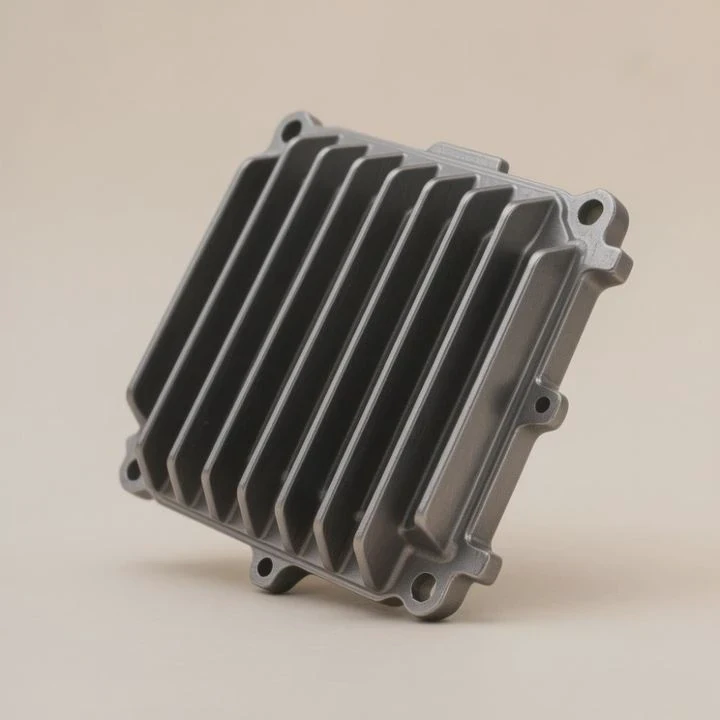
Typical integration points include:
- Inverter or controller baseplates
- Power module heat spreaders
- Flat surfaces of housing exposed to airflow or liquid cooling
- Embedded cooling layers within cast aluminum housings
Using a vapor chamber directly inside a rotor or embedded in stator coils is rare due to mechanical and spatial limitations.
Are high-power motors ideal for Vapor Chamber use?
High‑power motors (or related high‑flux electronics) create large heat loads or heat fluxes over relatively small areas. Vapor chambers excel in those scenarios.
Yes. Vapor chambers are especially useful in high-power motors where space is tight, and high thermal flux requires efficient spreading and rapid dissipation.
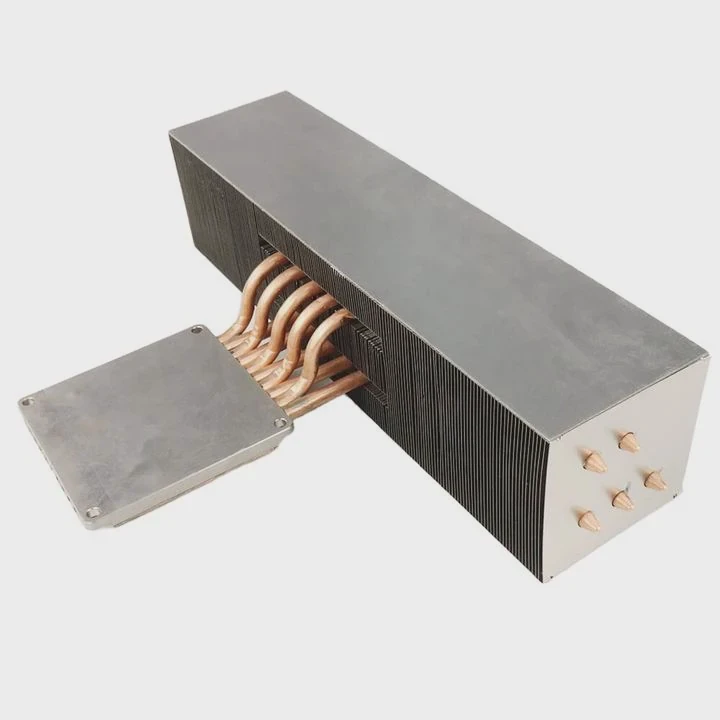
Benefits include:
- Lower thermal resistance from hotspot to sink
- Flatter temperature distribution
- Better integration in compact designs
- Enhanced reliability of nearby electronics
These benefits become most apparent when motors are part of EVs, drones, industrial drives, or robotics — where power density is high, but volume and weight are limited.
What mounting or structural constraints apply when integrating Vapor Chambers in motors?
Integrating a vapor chamber into a motor system introduces several mechanical and design constraints.
Planar contact, mechanical protection, and good thermal interfaces are essential. Curved surfaces or high vibration environments limit vapor chamber use.
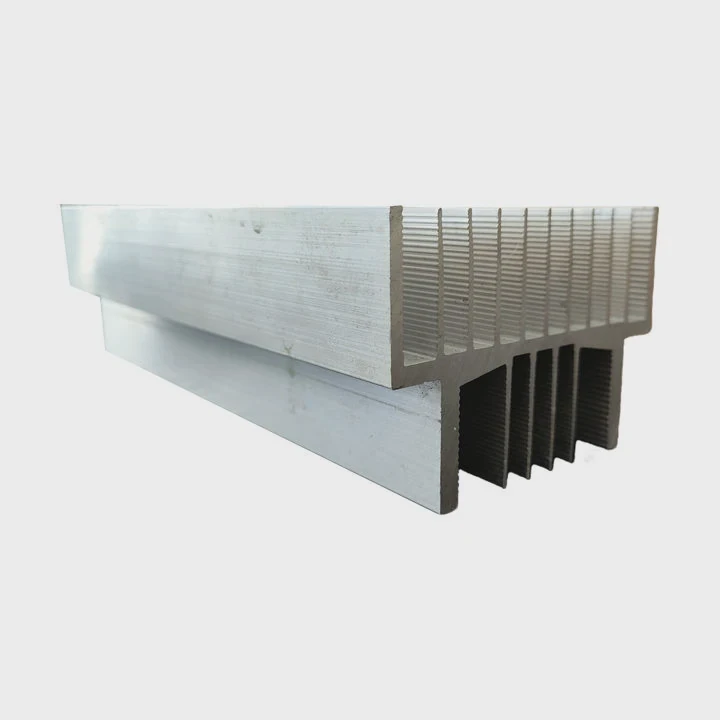
Constraints include:
- Must mount to flat surfaces (e.g. housing, baseplate)
- Sensitive to bending or vibration unless reinforced
- Requires proper pressure and interface material for heat transfer
- Should avoid areas with mechanical stress, shock, or fluid exposure
Also, care must be taken to avoid damaging the chamber during motor assembly or operation. Vibration damping or structural reinforcement may be needed.
Conclusion
Vapor chambers can be successfully used in electric motor systems — especially in power modules, controllers, and housings where heat is dense and surface spreading matters. High-power motors benefit most. However, careful design is needed to account for mounting constraints, protection, and long-term reliability under motor operation conditions.
TAGS
Latest Articles

Volume discount levels for heat sink orders?
Buyers often ask when heat sink prices start to drop with volume. Many worry they’re overpaying for small orders. This guide explains how B2B volume pricing works for thermal components. Heat sink
21 Dec,2025
Heat sink long-term supply contract options?
Many buyers want stable pricing and reliable delivery for heat sinks. But without a clear contract, risks grow over time. This article explores how to secure better long-term supply deals. Long-term
21 Dec,2025
Tooling cost for new heat sink profiles?
Many engineers struggle to understand why tooling for custom heat sinks costs so much. They worry about budgeting and production timelines. This article breaks down the cost drivers behind tooling.
21 Dec,2025
Heat sink custom sample process steps?
Sometimes, starting a custom heat sink project feels overwhelming—too many steps, too many unknowns, and too many risks. You want a sample, but not endless delays. The process for requesting and
20 Dec,2025
Standard B2B terms for heat sink payments?
When buyers and sellers in B2B heat sink markets talk about payment, many don’t fully understand what’s standard. This can lead to delayed orders, miscommunication, and even lost business
20 Dec,2025
Heat sink pricing factors for large orders?
Heat sinks are vital for many systems. When prices rise, projects stall and budgets break. This problem can hit teams hard without warning. Large order heat sink pricing depends on many factors. You
20 Dec,2025Related Articles
- Vapor Chamber for robotics cooling modules?
- Risk control for Vapor Chamber sourcing
- Vapor Chamber industry upcoming regulations?
- Does Vapor Chamber support mass customization?
- Vapor Chamber for underwater equipment?
- How to measure Vapor Chamber thermal resistance?
- Best CAD format for Vapor Chamber drawings?
- Does Vapor Chamber require REACH testing?
- Vapor Chamber road transport limitations
- Vapor Chamber freight forwarder requirements
- Vapor Chamber carton palletizing guide
- Vapor Chamber packaging moisture tests?
Author
Dr. Emily Chen
Chief AI Researcher
Leading expert in thermal dynamics and AI optimization with over 15 years of experience in data center efficiency research.
Categories
Latest Products






Recommend Categories
- Liquid cooling plate Manufacturer
- Industrial Heat Sink Manufacturer
- Standard Heat Sink Manufacturer
- Aluminum Heat Sink Manufacturer
- Copper Heat Sink Manufacturer
- Anodized Heatsink Manufacturer
- Stamping heat sink Manufacturer
- Die Casting Heatsink Manufacturer
- Soldering heat sink Manufacturer
- CNC Parts Manufacturer
Latest Products
- Wholesale Aluminum Radiator
- Water Cooling Plate Kit
- Water Cooling Heat Sink
- Water Cooling Heat Sink Kit
- Stainless Steel Water Distributor
- Server Water Cooling Plate Kit
- Server Liquid Cooling System
- Server Aluminum Cooling Kit
- S19 Full Cover Cooling Plate
- S19 Cooling Plate Kit
- S19 Aluminum Cooling Plate
Contact Expert
Have questions about this article? Reach out to our experts directly.