Vapor Chamber for robotics cooling modules?
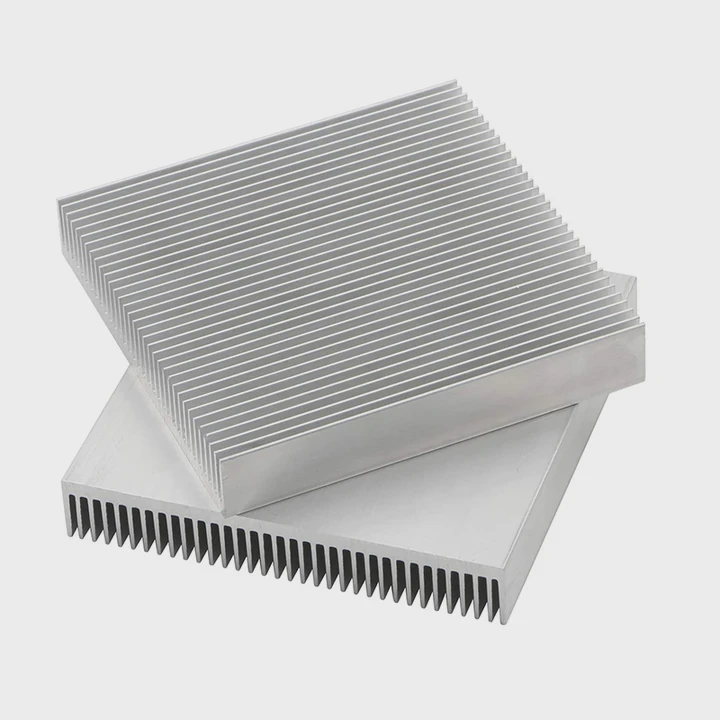
Robots are fast, compact, and powerful — but they get hot. Traditional cooling often fails in tight, moving enclosures. Vapor chambers offer a new approach, but can they handle the motion and shocks of robotics?
Yes — vapor chambers are increasingly used in robotics cooling modules to manage localized hotspots in actuators, motor controllers, and sensors, especially in compact or mobile robotic platforms.
But they must be adapted. Below I explain the demands robotics places on vapor chambers and how they’re evolving to meet these new challenges.
Are Vapor Chambers used in robotics cooling modules?
Cooling robotic systems is tricky. Motors, drives, and CPUs all produce heat — often in small sealed frames. Engineers need silent, compact solutions. Vapor chambers are emerging as a smart answer.
Yes — vapor chambers are used in robotics to spread heat from high-power modules like motor drivers, embedded GPUs, or AI processors inside tight spaces where airflow is restricted.
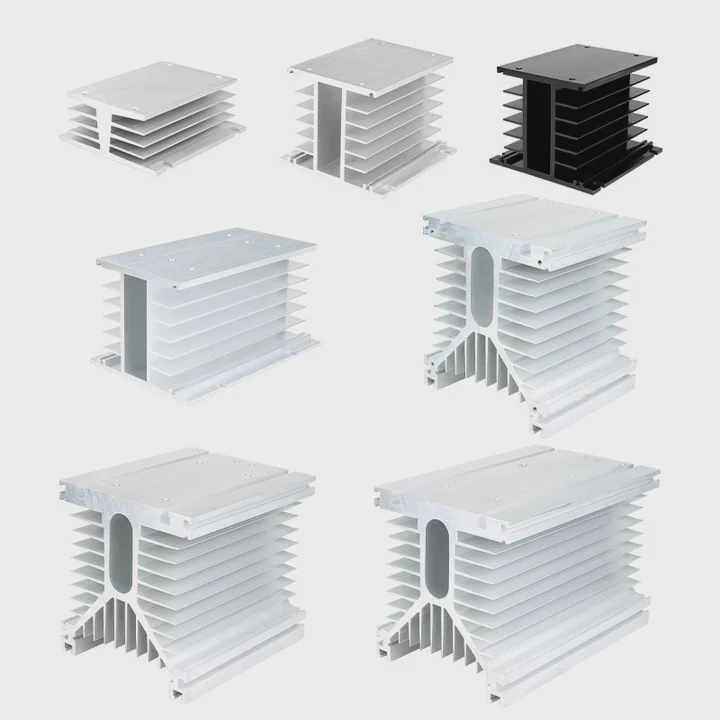
Key Areas Where Vapor Chambers Help
| Component | Thermal Role | Why Vapor Chambers Help |
|---|---|---|
| Motor controllers | Drive transistors heat up | Spread heat to outer chassis |
| Embedded CPUs/GPUs | AI and vision processing | Reduce hotspots in small PCBs |
| Battery packs | In mobile robots | Even out heat for longer lifespan |
| Joint actuators | Servo motor heat | Transfer heat in confined joints |
Traditional cooling in robotics faces these problems:
- Limited airflow in enclosed joints or arms
- Vibration makes fans unreliable
- Noise limits active cooling in service robots
- Space constraints block large heat sinks
Vapor chambers address this by:
- Spreading heat to larger outer surfaces
- Working passively with no moving parts
- Fitting into flat zones like PCBs or covers
- Withstanding moderate vibration if well designed
In mobile robots, quadrupeds, or drones, vapor chambers often serve as bridge elements — moving heat from internal hotspots to outer aluminum shells, where it can radiate away.
What cooling demands do robots place on Vapor Chambers?
Robots combine electrical and mechanical systems in motion. That means thermal loads are not just high — they are also dynamic. Can vapor chambers keep up?
Robotics systems produce dense, localized heat loads — often 10–100 W — in small modules with minimal airflow. Vapor chambers must manage high heat flux in compact areas, and operate reliably through thermal cycling.
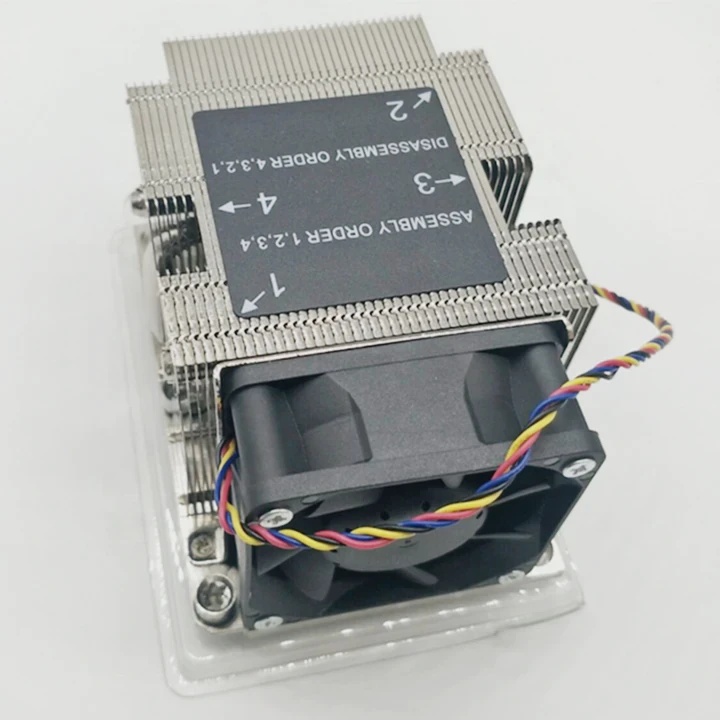
Typical Heat Loads in Robotics Components
| Component Type | Heat Output (W) | Area (cm²) | Peak Heat Flux (W/cm²) |
|---|---|---|---|
| Servo Motor Driver IC | 20–40 | 5–10 | 2–4 |
| Embedded Vision Processor | 15–30 | 4–8 | 3–5 |
| Li-ion Battery Module | 30–80 | 20–40 | 1.5–2 |
| Actuator Enclosure | 50–100 | 30–60 | 1–2 |
These loads create hotspots that can lead to:
- Thermal throttling of processors
- Power losses in MOSFETs
- Shorter lifespan of batteries
- Loss of torque in motors due to heat saturation
Vapor chambers offer a high-efficiency passive solution, with effective thermal conductivities up to 5000 W/m·K across their plane.
How Vapor Chambers Manage Load
- Evaporate liquid at hot spot → vapor flows to cooler side
- Condense on cooler surface → liquid returns via wick
- Spread heat evenly across baseplate
In robotics, this mechanism helps avoid thermal buildup in spots where air cannot flow — especially in moving parts, sealed housings, or low-profile frames.
Designers must size the vapor chamber to handle peak steady loads without exceeding the capillary or boiling limit. Orientation matters too — more on that next.
Is robotic motion (vibration, orientation change) a challenge for Vapor Chambers?
Robots move. They rotate, bounce, flip, and shake. Vapor chambers rely on fluid inside. Can that internal cycle work under motion, or does it break down?
Yes — robotic motion can challenge vapor chamber function if orientation affects fluid return or if vibration causes mechanical fatigue. But modern designs use gravity-insensitive wicks and reinforced structures to handle this.
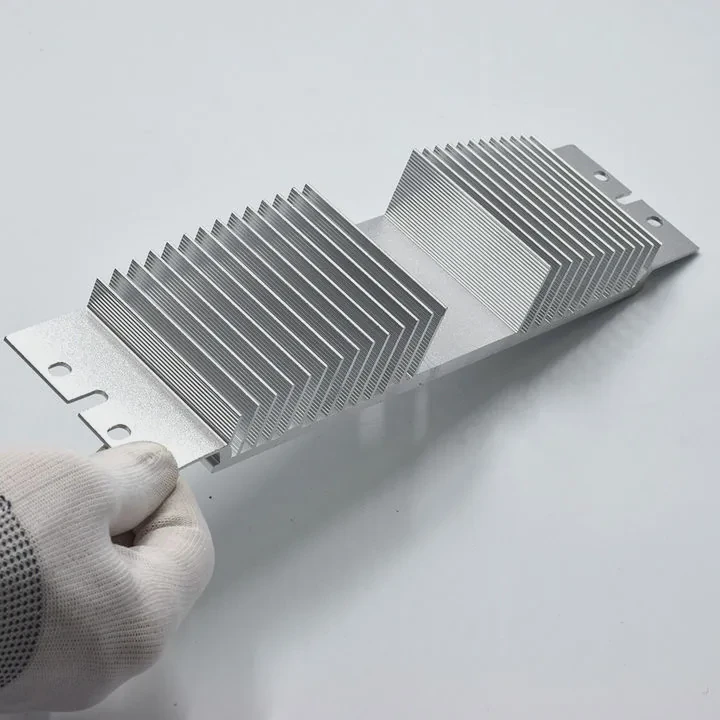
Motion Challenges for Vapor Chambers
| Motion Effect | Risk if Not Designed Properly |
|---|---|
| Orientation flipping | Wick may not return liquid efficiently |
| Repeated vibration | Fatigue at seams or wick layers |
| Acceleration/deceleration | Fluid pooling or sloshing |
| Shock impact | Denting or micro-cracking of shell |
These issues can lead to:
- Reduced heat transfer efficiency
- Formation of dry spots (evaporator runs out of liquid)
- Long-term leaks or failures at welds
Engineering Solutions
| Challenge | Design Adaptation |
|---|---|
| Orientation-sensitive fluid | Use sintered wick with 360° capillarity |
| High vibration | Thicker walls, internal supports |
| Shock or drops | Reinforced corners and edge welds |
| Constant motion | Use symmetric wick layout |
Many robotics-ready vapor chambers use sintered copper or composite wicks, which do not rely on gravity. These wick types allow any-angle operation — horizontal, vertical, even upside down.
Also, robots often undergo thermal cycling from room to 70–80°C. Vapor chambers must be tested for:
- Vibration (IEC 60068-2)
- Drop (impact resistance)
- Humidity/condensation cycles
So while motion introduces complexity, modern vapor chambers can be designed to reliably operate inside mobile or articulated robots.
What design adaptations make Vapor Chambers suitable for robotics?
Using a standard laptop vapor chamber in a robot is risky. The shape, mounting, and structure must be tailored to dynamic systems. How can chambers be adapted for robotics?
Robotics vapor chambers are designed with rugged shells, flexible geometries, multi-directional wicks, and mount-friendly features to survive motion, shock, and variable loads.
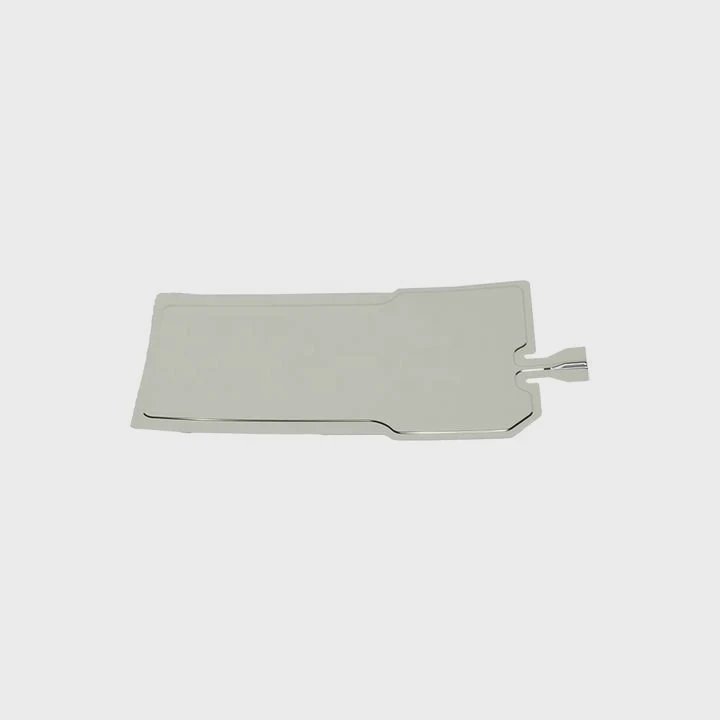
Design Adaptations for Robotics Integration
| Feature | Benefit in Robotic Systems |
|---|---|
| Thicker chamber wall (0.5 mm+) | Resists vibration and shock |
| Round/curved formats | Fits inside joint enclosures |
| Flexible mounting flanges | Bolt or snap-in fit to chassis |
| Nickel plating or coating | Moisture protection |
| Embedded temperature sensors | Real-time thermal monitoring |
| Custom cutouts or steps | Align with PCBs or structural ribs |
Robotics-grade vapor chambers must be co-designed with:
- Mounting brackets
- Shock-absorbing pads
- Thermal interface materials
- Electrical isolation layers if needed
Some chambers come with integrated aluminum bases or ceramic-coated top plates for dual thermal and structural function.
In swarm robotics, drones, or exoskeletons — where weight is also critical — vapor chambers offer thin, passive cooling that removes the need for bulky fans or radiators.
Finally, chambers can be qualified using:
- 3-axis vibration tests
- Functional thermal cycling under motion
- Leak and weld integrity tests (helium or dye)
Conclusion
Vapor chambers are well suited for robotics cooling — if designed for motion, shock, and compact integration. They offer quiet, efficient heat spreading in tight spots where airflow fails. With the right wick and mounting, they support modern robots’ speed, power, and precision.
TAGS
Latest Articles

Volume discount levels for heat sink orders?
Buyers often ask when heat sink prices start to drop with volume. Many worry they’re overpaying for small orders. This guide explains how B2B volume pricing works for thermal components. Heat sink
21 Dec,2025
Heat sink long-term supply contract options?
Many buyers want stable pricing and reliable delivery for heat sinks. But without a clear contract, risks grow over time. This article explores how to secure better long-term supply deals. Long-term
21 Dec,2025
Tooling cost for new heat sink profiles?
Many engineers struggle to understand why tooling for custom heat sinks costs so much. They worry about budgeting and production timelines. This article breaks down the cost drivers behind tooling.
21 Dec,2025
Heat sink custom sample process steps?
Sometimes, starting a custom heat sink project feels overwhelming—too many steps, too many unknowns, and too many risks. You want a sample, but not endless delays. The process for requesting and
20 Dec,2025
Standard B2B terms for heat sink payments?
When buyers and sellers in B2B heat sink markets talk about payment, many don’t fully understand what’s standard. This can lead to delayed orders, miscommunication, and even lost business
20 Dec,2025
Heat sink pricing factors for large orders?
Heat sinks are vital for many systems. When prices rise, projects stall and budgets break. This problem can hit teams hard without warning. Large order heat sink pricing depends on many factors. You
20 Dec,2025Related Articles
- Risk control for Vapor Chamber sourcing
- Vapor Chamber industry upcoming regulations?
- Does Vapor Chamber support mass customization?
- Vapor Chamber for underwater equipment?
- How to measure Vapor Chamber thermal resistance?
- Surface flatness importance for Vapor Chamber
- Can Vapor Chamber integration in electric motors?
- Best CAD format for Vapor Chamber drawings?
- Does Vapor Chamber require REACH testing?
- Vapor Chamber road transport limitations
- Vapor Chamber freight forwarder requirements
- Vapor Chamber carton palletizing guide
Author
Dr. Emily Chen
Chief AI Researcher
Leading expert in thermal dynamics and AI optimization with over 15 years of experience in data center efficiency research.
Categories
Latest Products






Recommend Categories
- Liquid cooling plate Manufacturer
- Industrial Heat Sink Manufacturer
- Standard Heat Sink Manufacturer
- Aluminum Heat Sink Manufacturer
- Copper Heat Sink Manufacturer
- Anodized Heatsink Manufacturer
- Stamping heat sink Manufacturer
- Die Casting Heatsink Manufacturer
- Soldering heat sink Manufacturer
- CNC Parts Manufacturer
Latest Products
- Wholesale Aluminum Radiator
- Water Cooling Plate Kit
- Water Cooling Heat Sink
- Water Cooling Heat Sink Kit
- Stainless Steel Water Distributor
- Server Water Cooling Plate Kit
- Server Liquid Cooling System
- Server Aluminum Cooling Kit
- S19 Full Cover Cooling Plate
- S19 Cooling Plate Kit
- S19 Aluminum Cooling Plate
Contact Expert
Have questions about this article? Reach out to our experts directly.