Vapor Chamber packaging moisture tests?
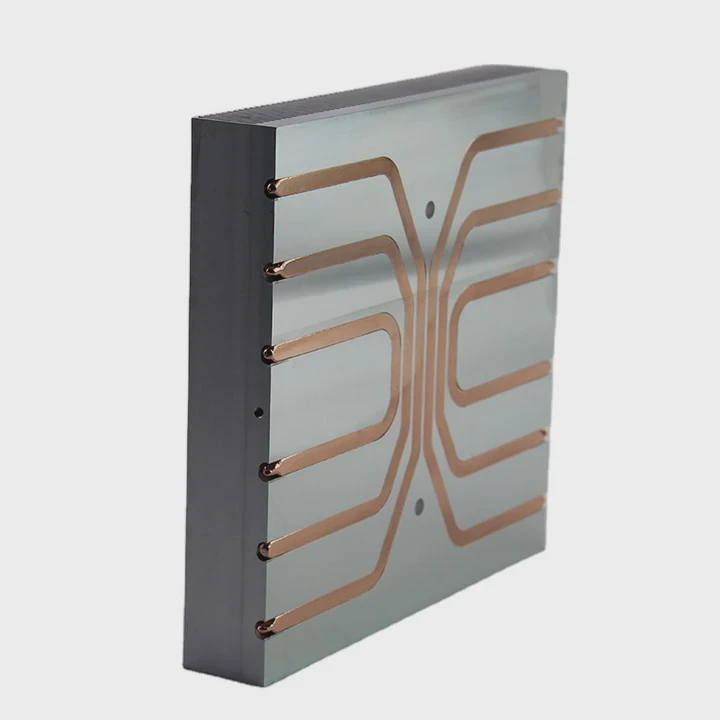
Vapor chambers are moisture-sensitive devices. If their packaging fails to block humidity, it can lead to corrosion, seal degradation, or internal pressure loss. That’s why moisture testing for packaging is essential in quality control and logistics planning.
Yes, vapor chamber packaging is tested for moisture resistance using humidity exposure, salt-spray, condensation, and barrier performance methods.
These tests simulate real-world shipping and storage conditions to ensure protection over time.
What moisture resistance tests apply to Vapor Chamber packaging?
Packaging for vapor chambers is subjected to multiple test standards borrowed from electronics and precision component handling.
Controlled humidity, condensation cycles, and water vapor transmission rate (WVTR) testing are commonly used to evaluate package durability.
Common Moisture Tests
| Test Method | Purpose |
|---|---|
| Constant Humidity (e.g. 85% RH, 60°C) | Simulates tropical or long-storage conditions |
| Humidity Cycling (HAST, 25–65°C) | Evaluates condensation effect and seal fatigue |
| WVTR Testing | Measures permeability of packaging films |
| Visual Corrosion Check | Detects oxidation or spotting after exposure |
| Seal Integrity Test | Verifies bag or barrier seams under humidity |
Testing ensures that vapor chamber packaging keeps internal moisture levels low enough to prevent long-term reliability risks.
How is humidity exposure simulated for Vapor Chamber shipments?
Humidity exposure is tested using environmental chambers that reproduce the extremes of warehouse, shipping, and cross-climate transport.
Simulated conditions include constant high humidity, temperature cycling, and condensation buildup.
These chambers can be set to:
- 85% RH at 60°C for 48–96 hours (common steady-state test)
- 40–90% RH cycling to mimic night-day moisture changes
- Rapid temperature swings (25°C to 60°C) to induce internal condensation
- Simulated maritime transport conditions for overseas shipments
Packages are inspected afterward for seal breaches, moisture ingress, or corrosion traces. Internal desiccants are weighed to assess how much water they absorbed.
Moisture stress tests ensure vapor chambers can survive months of storage or long-distance transport without compromise.
Do packaging tests include salt-spray or condensation cycles?
Yes, especially for parts intended for harsh or coastal environments.
Salt-spray and condensation-humidity tests are used to evaluate corrosion resistance and packaging barrier reliability.
Salt spray chambers emit a fine mist of saline solution (typically 5% NaCl) inside a heated enclosure. Samples are tested for 24–96 hours depending on requirements.
Condensation-humidity tests simulate the effect of moist air condensing on cold surfaces, then re-evaporating — this cycle stresses seals and coating layers.
These methods are especially important when vapor chambers are:
- Shipped by sea
- Stored in unregulated or coastal facilities
- Integrated into outdoor equipment
Packaging that passes both salt-fog and humidity cycling proves its barrier effectiveness against both water vapor and corrosive ions.
Are moisture indicators used inside packaging of Vapor Chambers?
Yes. Most high-value vapor chamber packaging includes moisture indicator cards and desiccant packs.
These indicators provide visual feedback about humidity exposure during shipping or storage.
Indicator cards change color at predefined humidity levels (e.g. 30%, 50%, 60% RH). If moisture exceeds safe limits, the color shifts, alerting handlers to inspect the product before use.
Desiccants (like silica gel or molecular sieves) actively absorb moisture inside sealed packaging. Their use is guided by industry standards such as:
- JEDEC J-STD-033 (for moisture-sensitive devices)
- MIL-STD-2073 (for military-grade packaging)
Together, these passive tools add a final layer of assurance that vapor chambers remain dry until installation.
Conclusion
Moisture testing is a critical part of vapor chamber packaging validation. Tests include constant humidity, WVTR, salt spray, and condensation cycles — all simulating real-world transit and storage stress. Most vapor chamber packages also include humidity indicators and desiccants to monitor conditions during shipping. By combining these methods, manufacturers ensure that vapor chambers arrive intact and ready for reliable operation.
TAGS
Latest Articles

Volume discount levels for heat sink orders?
Buyers often ask when heat sink prices start to drop with volume. Many worry they’re overpaying for small orders. This guide explains how B2B volume pricing works for thermal components. Heat sink
21 Dec,2025
Heat sink long-term supply contract options?
Many buyers want stable pricing and reliable delivery for heat sinks. But without a clear contract, risks grow over time. This article explores how to secure better long-term supply deals. Long-term
21 Dec,2025
Tooling cost for new heat sink profiles?
Many engineers struggle to understand why tooling for custom heat sinks costs so much. They worry about budgeting and production timelines. This article breaks down the cost drivers behind tooling.
21 Dec,2025
Heat sink custom sample process steps?
Sometimes, starting a custom heat sink project feels overwhelming—too many steps, too many unknowns, and too many risks. You want a sample, but not endless delays. The process for requesting and
20 Dec,2025
Standard B2B terms for heat sink payments?
When buyers and sellers in B2B heat sink markets talk about payment, many don’t fully understand what’s standard. This can lead to delayed orders, miscommunication, and even lost business
20 Dec,2025
Heat sink pricing factors for large orders?
Heat sinks are vital for many systems. When prices rise, projects stall and budgets break. This problem can hit teams hard without warning. Large order heat sink pricing depends on many factors. You
20 Dec,2025Related Articles
- Vapor Chamber carton palletizing guide
- Vapor Chamber freight forwarder requirements
- Vapor Chamber road transport limitations
- Does Vapor Chamber require REACH testing?
- Best CAD format for Vapor Chamber drawings?
- Can Vapor Chamber integration in electric motors?
- Import duty for Vapor Chamber in Germany?
- Vapor Chamber documentation required for customs
- Is Vapor Chamber suitable for mass production?
- How clean should Vapor Chamber surfaces be?
- Reliable bonding method for Vapor Chamber joints?
- Can Vapor Chamber be combined with heat sinks?
Author
Dr. Emily Chen
Chief AI Researcher
Leading expert in thermal dynamics and AI optimization with over 15 years of experience in data center efficiency research.
Categories
Latest Products






Recommend Categories
- Liquid cooling plate Manufacturer
- Industrial Heat Sink Manufacturer
- Standard Heat Sink Manufacturer
- Aluminum Heat Sink Manufacturer
- Copper Heat Sink Manufacturer
- Anodized Heatsink Manufacturer
- Stamping heat sink Manufacturer
- Die Casting Heatsink Manufacturer
- Soldering heat sink Manufacturer
- CNC Parts Manufacturer
Latest Products
- Wholesale Aluminum Radiator
- Water Cooling Plate Kit
- Water Cooling Heat Sink
- Water Cooling Heat Sink Kit
- Stainless Steel Water Distributor
- Server Water Cooling Plate Kit
- Server Liquid Cooling System
- Server Aluminum Cooling Kit
- S19 Full Cover Cooling Plate
- S19 Cooling Plate Kit
- S19 Aluminum Cooling Plate
Contact Expert
Have questions about this article? Reach out to our experts directly.