Vapor Chamber carton palletizing guide
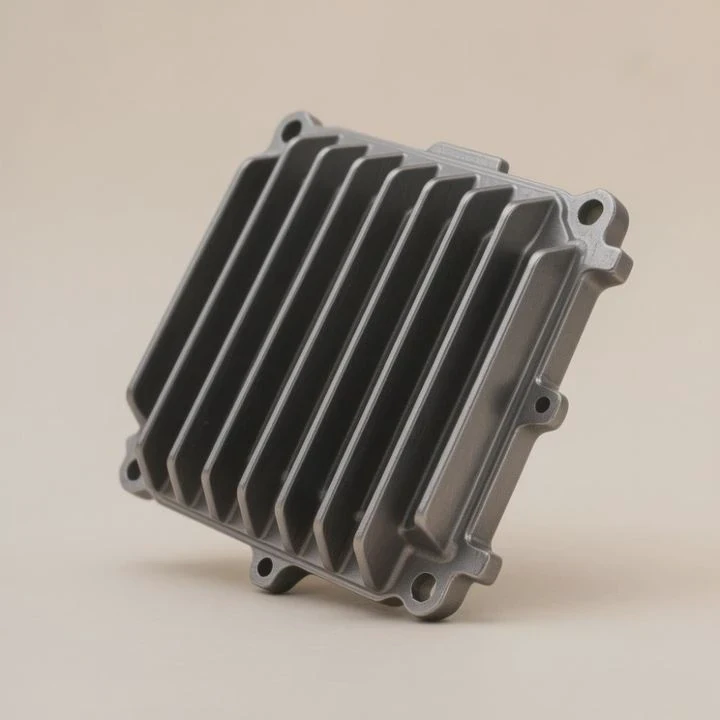
Shipping vapor chambers in bulk requires more than just sealing the boxes. If cartons aren’t palletized properly, they may shift, collapse, or get crushed in transit.
The correct way to palletize vapor chamber cartons involves careful stacking, strong pallets, protective wrapping, and secure strapping to prevent damage or shifting during transport.
Once properly palletized, your vapor chambers arrive safely and without deformation or internal leakage.
What is the proper method to palletize Vapor Chamber cartons?
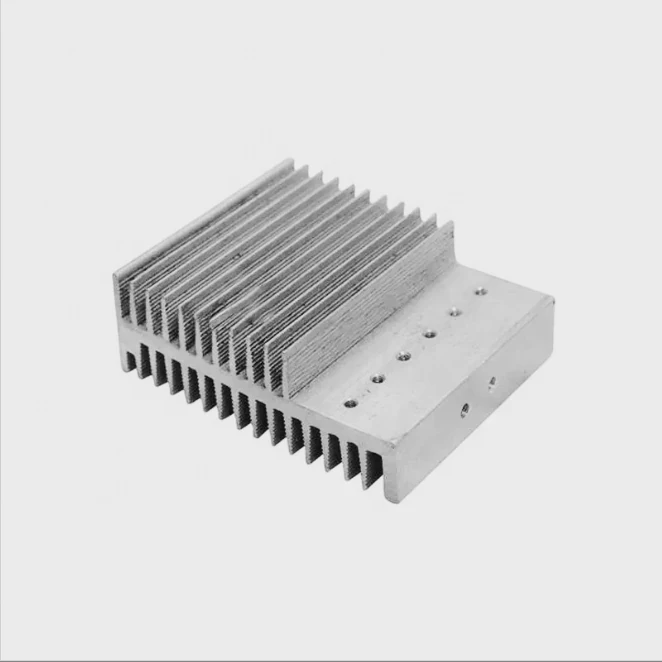
Vapor chamber cartons are sensitive to compression and vibration. Poor palletizing leads to deformation or internal damage. A step-by-step method ensures safety.
Stack cartons tightly in stable layers on a solid pallet, without overhang, and use interlocking patterns for balance.
Key Practices
- Align cartons to the pallet footprint with no overhang.
- Place heavier cartons at the bottom.
- Stack in a column or brick pattern, depending on carton rigidity.
- Avoid gaps between cartons to reduce movement.
- Add flat layer pads between each row for load stability.
Each layer must be balanced, with edges flush and weight evenly distributed. Improper placement or uneven loads cause crushing or tilting during handling.
How many cartons per pallet are recommended for Vapor Chambers?
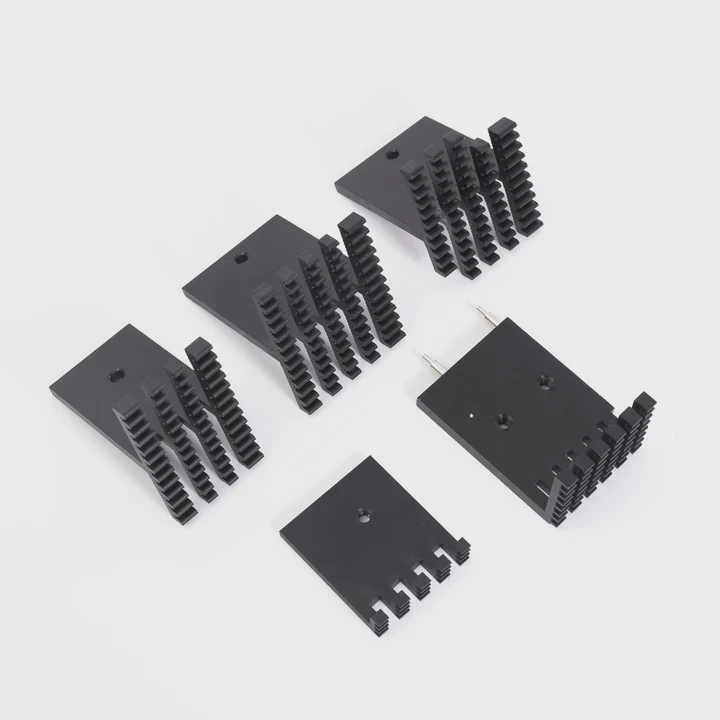
There is no one-size-fits-all number. It depends on carton size, pallet type, and safety limits for height and weight.
A typical pallet can hold 12–20 vapor chamber cartons, keeping height under 1.5 meters and total weight within 500–1000 kg.
Example Load Plan
| Carton Size (cm) | Stack per Layer | Total Layers | Total Cartons |
|---|---|---|---|
| 40 × 30 × 20 | 6 | 3–4 | 18–24 |
| 50 × 40 × 30 | 4 | 2–3 | 8–12 |
| 60 × 50 × 30 | 2–3 | 2 | 4–6 |
Always verify:
- Height stays below 1.6 m (pallet + cartons)
- Weight does not exceed pallet or forklift limits
- Compression on lower cartons stays within tolerance
Large cartons may require corner reinforcements or fewer layers to avoid damage.
What pallet types are suitable for Vapor Chamber cartons?
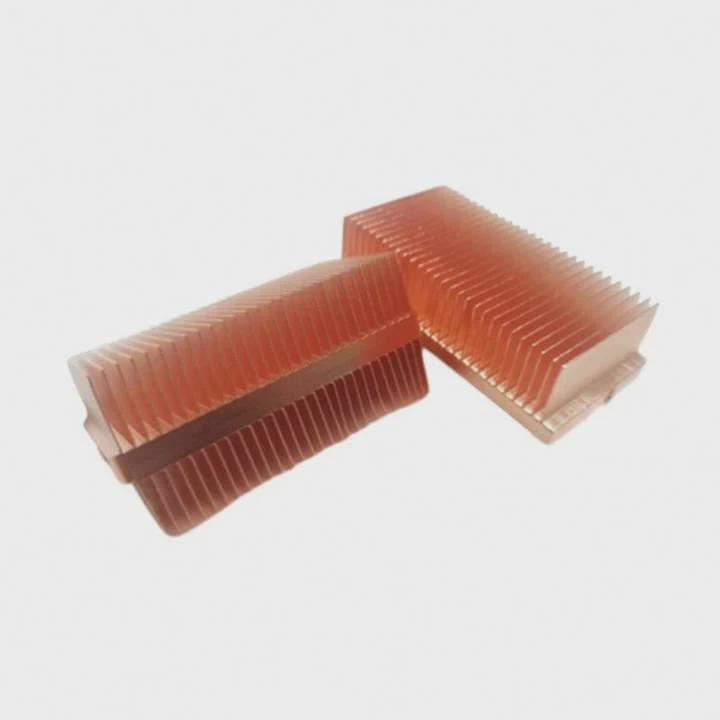
The right pallet ensures safety from the bottom up. A weak or cracked pallet ruins even perfect stacking.
Use solid wood or plastic pallets in standard sizes (like 120×100 cm or 48×40 in), free from cracks or loose boards.
Recommended Pallet Types
- Four-way entry wooden pallets — strong and compatible with forklifts
- Block pallets — ideal for heavier loads or automated handling
- Plastic pallets — reusable, lightweight, good for export if ISPM15 exempt
- Heat-treated or fumigated pallets — required for international shipping
Make sure pallet surface is flat and dry. Uneven or damaged pallets tilt stacks and weaken lower cartons.
Are strapping, shrink-wrap or other securing methods recommended?
Without tight securing, even a well-stacked pallet may collapse during movement. Wrapping and strapping are essential for safety.
Yes — strapping, stretch-wrapping, and edge protectors are highly recommended to keep vapor chamber cartons stable.
Standard Securing Process
- Use poly straps (or steel if heavy) around the whole stack.
- Apply stretch-wrap film from base to top, overlapping each round.
- Reinforce corners with edge guards to prevent strap cutting.
- Use top caps if stacking another pallet above.
Each pallet should pass a manual push test — if it shifts easily, it’s not ready to ship.
Conclusion
Palletizing vapor chamber cartons correctly prevents damage, protects carton shape, and ensures safety during transit. Stack cartons evenly, avoid overhang, and keep height and weight within safe limits. Use strong pallets and secure the load using straps and wrap. With these steps, your vapor chamber shipments remain protected from factory to destination.
TAGS
Latest Articles

Volume discount levels for heat sink orders?
Buyers often ask when heat sink prices start to drop with volume. Many worry they’re overpaying for small orders. This guide explains how B2B volume pricing works for thermal components. Heat sink
21 Dec,2025
Heat sink long-term supply contract options?
Many buyers want stable pricing and reliable delivery for heat sinks. But without a clear contract, risks grow over time. This article explores how to secure better long-term supply deals. Long-term
21 Dec,2025
Tooling cost for new heat sink profiles?
Many engineers struggle to understand why tooling for custom heat sinks costs so much. They worry about budgeting and production timelines. This article breaks down the cost drivers behind tooling.
21 Dec,2025
Heat sink custom sample process steps?
Sometimes, starting a custom heat sink project feels overwhelming—too many steps, too many unknowns, and too many risks. You want a sample, but not endless delays. The process for requesting and
20 Dec,2025
Standard B2B terms for heat sink payments?
When buyers and sellers in B2B heat sink markets talk about payment, many don’t fully understand what’s standard. This can lead to delayed orders, miscommunication, and even lost business
20 Dec,2025
Heat sink pricing factors for large orders?
Heat sinks are vital for many systems. When prices rise, projects stall and budgets break. This problem can hit teams hard without warning. Large order heat sink pricing depends on many factors. You
20 Dec,2025Related Articles
- Vapor Chamber freight forwarder requirements
- Vapor Chamber road transport limitations
- Does Vapor Chamber require REACH testing?
- Best CAD format for Vapor Chamber drawings?
- Can Vapor Chamber integration in electric motors?
- Vapor Chamber for robotics cooling modules?
- Vapor Chamber packaging moisture tests?
- Import duty for Vapor Chamber in Germany?
- Vapor Chamber documentation required for customs
- Is Vapor Chamber suitable for mass production?
- How clean should Vapor Chamber surfaces be?
- Reliable bonding method for Vapor Chamber joints?
Author
Dr. Emily Chen
Chief AI Researcher
Leading expert in thermal dynamics and AI optimization with over 15 years of experience in data center efficiency research.
Categories
Latest Products






Recommend Categories
- Liquid cooling plate Manufacturer
- Industrial Heat Sink Manufacturer
- Standard Heat Sink Manufacturer
- Aluminum Heat Sink Manufacturer
- Copper Heat Sink Manufacturer
- Anodized Heatsink Manufacturer
- Stamping heat sink Manufacturer
- Die Casting Heatsink Manufacturer
- Soldering heat sink Manufacturer
- CNC Parts Manufacturer
Latest Products
- Wholesale Aluminum Radiator
- Water Cooling Plate Kit
- Water Cooling Heat Sink
- Water Cooling Heat Sink Kit
- Stainless Steel Water Distributor
- Server Water Cooling Plate Kit
- Server Liquid Cooling System
- Server Aluminum Cooling Kit
- S19 Full Cover Cooling Plate
- S19 Cooling Plate Kit
- S19 Aluminum Cooling Plate
Contact Expert
Have questions about this article? Reach out to our experts directly.