Does Xbox Series X have liquid cooling?
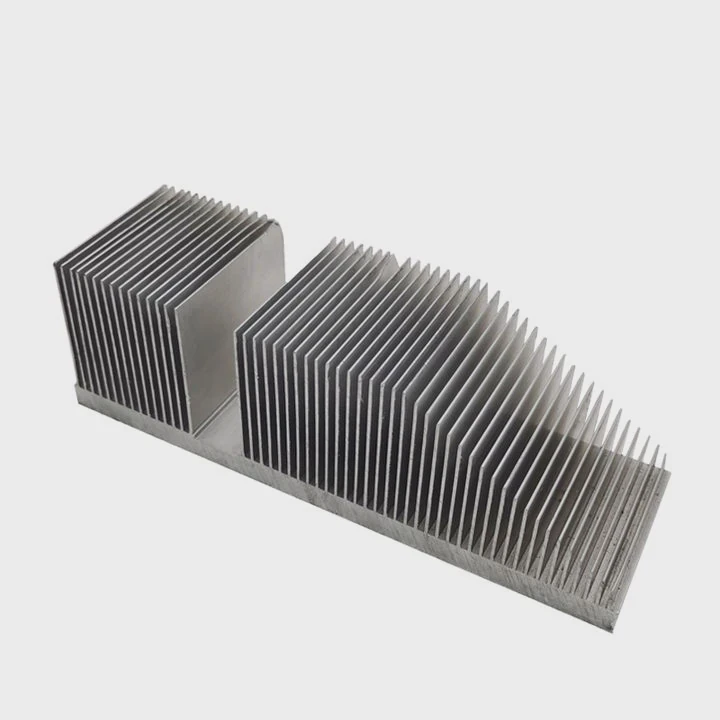
When I first opened an Xbox Series X for a teardown, I expected to find a tiny liquid loop or some hidden coolant channels. Instead, what I found was a masterclass in compact air-cooling design. The console manages high-end PC performance levels, yet stays nearly silent—even after hours of gaming.
The Xbox Series X does not use a traditional liquid cooling loop. It relies on a large vapor chamber, copper heat pipes, and a single 130 mm fan for efficient, near-silent air cooling.
This advanced design gives it the stability and quietness of liquid cooling without the complexity or risk of leaks.
What cooling system does Xbox Series X use?
The Xbox Series X cooling system is one of the most impressive ever made for a console. It combines engineering precision with minimalist design to handle the console’s high thermal output.
Xbox Series X uses a hybrid air-and-vapor cooling system featuring a vapor chamber, vertical airflow path, and a single top-mounted fan to maintain consistent thermal performance.
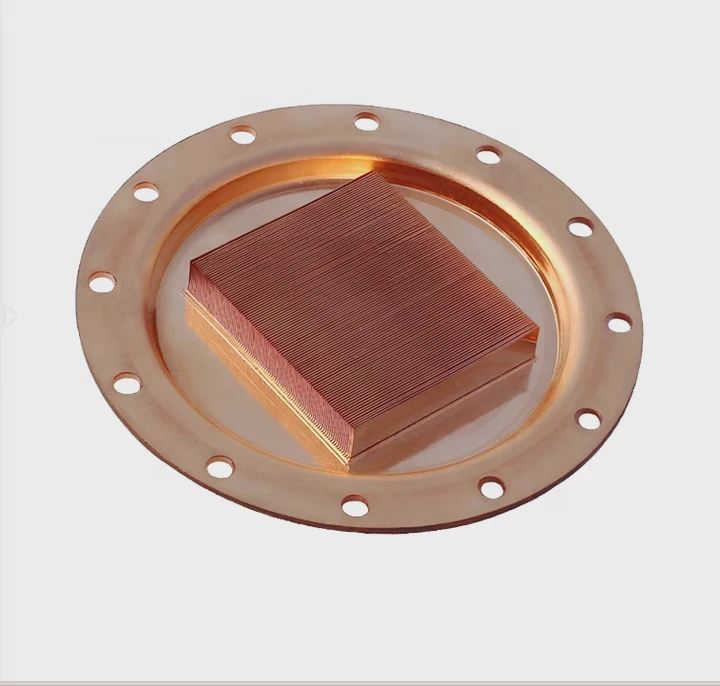
1. Vapor chamber design
At the core of the console is a vapor chamber attached to the CPU and GPU. It spreads heat evenly across the surface, turning liquid coolant inside the chamber into vapor, which then condenses back into liquid as it cools—a cycle that mimics miniature liquid cooling.
This allows the SoC (system-on-chip) to stay cool even under long gaming sessions.
2. Vertical airflow path
Air enters through the bottom vents, flows upward through the motherboard and heat sink, and exits from the top exhaust. This chimney-style layout improves natural convection and maximizes airflow efficiency.
3. Large axial fan
A quiet, 130 mm fan at the top moves air through the entire system. It uses custom blades tuned for low turbulence, producing minimal noise even when the fan ramps up.
| Component | Cooling Function | Material |
|---|---|---|
| Vapor Chamber | Spreads heat from SoC | Copper |
| Heat Pipes | Conduct heat to radiator fins | Nickel-plated copper |
| Fan | Draws air vertically through console | Plastic (PWM controlled) |
| Thermal Interface Material | Improves heat transfer | Graphite or liquid metal compound |
4. Compact efficiency
The internal layout is split into two vertical sections—one for the motherboard and one for the power supply. This isolates heat sources and ensures even cooling throughout the console.
5. The 2024 revision
Microsoft’s 2024 Series X revision switched from a vapor chamber to traditional copper heat pipes due to chip shrinkage to 6 nm. This reduced heat output, allowing a simpler, lighter, and more cost-efficient cooling assembly while maintaining similar performance.
What benefits could liquid cooling bring?
When people hear “liquid cooling,” they imagine glowing PC tubes and silent performance. Could adding that to the Xbox improve things? Technically yes—but not without trade-offs.
Liquid cooling could provide even lower temperatures, quieter performance, and longer component lifespan, but it would increase cost, size, and risk in a mass-market console.
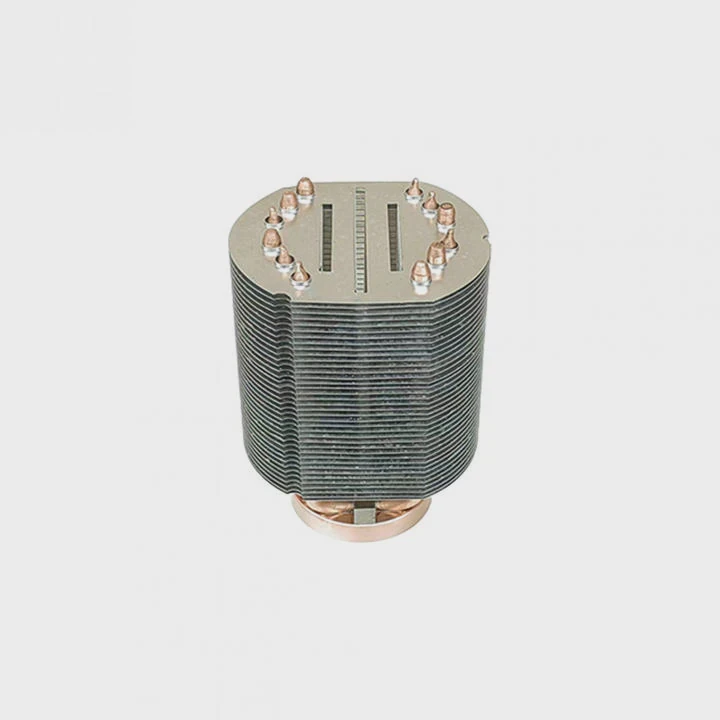
1. Potential advantages
- Lower operating temperatures: Liquid has higher thermal conductivity, helping maintain cooler chips and more stable performance.
- Quieter operation: Liquid cooling reduces the need for high-speed fans.
- Better thermal uniformity: Even heat distribution prevents hotspots around VRMs and memory.
- Improved overclocking potential: Though consoles are not overclocked, cooler operation can extend component life.
2. Why Microsoft didn’t choose liquid cooling
| Factor | Reason |
|---|---|
| Cost | Liquid systems are expensive to mass-produce |
| Reliability | Risk of leaks or pump failures in long-term use |
| Maintenance | Users can’t service sealed systems easily |
| Space | Console form factor limits internal volume |
| Durability | Air cooling lasts longer without maintenance |
Microsoft achieved most of liquid cooling’s benefits—low noise, consistent performance, compact layout—without the complexity of a liquid loop.
3. Real-world performance
Tests show that even under maximum load, the Series X rarely exceeds 60 °C on the SoC, and the fan remains nearly inaudible. Its vapor chamber and fan combination rival many mid-range PC cooling systems in efficiency.
How to compare its cooling to PCs?
As someone who builds PCs and tests consoles, I find the Xbox Series X fascinating because it achieves near-desktop cooling efficiency in a much smaller form factor.
Compared to PCs, the Xbox Series X cooling is a highly optimized air-based system that delivers consistent temperatures and low noise, though it lacks the scalability and raw cooling power of liquid-cooled desktop PCs.
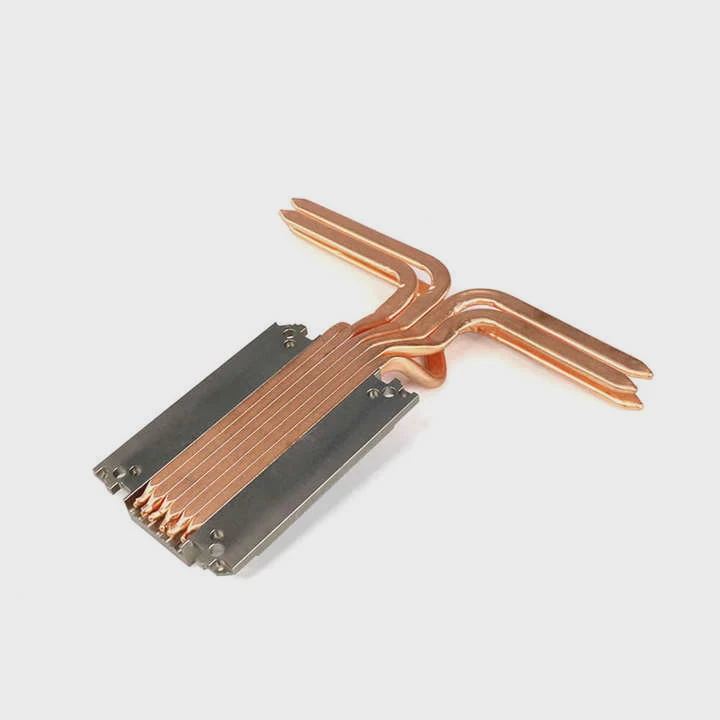
1. Form factor and power target
The Xbox Series X has a fixed power limit of around 315 W, while gaming PCs can exceed 600 W with high-end GPUs. Liquid cooling in PCs is designed to handle these larger thermal loads.
2. Cooling method comparison
| Feature | Xbox Series X | PC (Air Cooling) | PC (Liquid Cooling) |
|---|---|---|---|
| Cooling Type | Vapor chamber + fan | Heat sink + fan | Radiator + pump |
| Peak Power | 315 W | 400–600 W | 400–800 W |
| Noise Level | Very Low | Medium | Low |
| Maintenance | None | Dust cleaning | Periodic coolant refill |
| Form Factor | Compact vertical | Varies | Requires radiator space |
| Service Life | 7–10 years | 5–7 years | 5–6 years (with upkeep) |
3. Performance-to-noise ratio
The Series X cooling is tuned for silence and consistency, while PC cooling can prioritize extreme overclocking or flashy aesthetics. Liquid-cooled PCs may achieve lower temperatures but require ongoing maintenance.
4. User experience differences
- Console: Plug-and-play, sealed system, no maintenance.
- PC: Modular, customizable, serviceable but more complex.
For most gamers, the Xbox offers a perfect balance of performance and simplicity.
What are console cooling trends in 2025?
Cooling technology in consoles is evolving quickly. As chips become more powerful and efficient, manufacturers are rethinking how to manage heat in smaller enclosures.
In 2025, console cooling trends focus on hybrid cooling systems, improved vapor chambers, sustainable materials, AI-based thermal control, and quieter designs.
1. Smaller and cooler chips
With the Xbox Series X shifting to a 6 nm processor and PlayStation using similar advanced nodes, power efficiency is increasing. This reduces the need for bulky cooling systems, allowing slimmer designs.
2. Hybrid vapor + heat pipe systems
Manufacturers are merging vapor chambers with heat pipes to balance cost and performance. These hybrid systems distribute heat more evenly than single solutions.
3. Smart thermal control
AI-driven cooling algorithms can predict workload spikes and adjust fan speeds preemptively. This improves efficiency and maintains quieter operation under load.
4. Sustainable materials and energy efficiency
Cooling components now use recyclable aluminum, non-toxic thermal compounds, and lower-power fans. Reduced manufacturing waste aligns with broader sustainability goals.
5. Quieter acoustic engineering
Fan blade design and acoustic tuning continue to advance. In 2025, many consoles operate below 30 dB, even during intense gaming sessions.
| Trend | Description | Benefit |
|---|---|---|
| Smaller Chips | Advanced process nodes like 6 nm | Lower heat output |
| Hybrid Cooling | Vapor + Heat Pipes | Higher efficiency |
| AI Thermal Control | Predictive fan algorithms | Lower noise |
| Eco-Friendly Materials | Sustainable metals and fluids | Environmental impact reduction |
| Quieter Operation | Blade redesign and dampening | Better user experience |
6. Heat reuse and passive cooling
Some next-generation prototypes use residual heat for secondary purposes—like powering small components or aiding airflow dynamics. Passive heat sinks are also returning in smaller systems for noise-free operation.
7. Future possibility: modular cooling
A few patent filings suggest future consoles may include modular cooling units—swappable modules that allow easy upgrades or replacements. This could bring PC-style maintenance to consoles while retaining user simplicity.
8. Potential for partial liquid cooling
As power density increases with future SoCs, partial liquid systems (miniature sealed loops) could appear in “Pro” console editions, offering extra cooling headroom for performance modes.
9. Industry examples
- Microsoft: Continued refinement of vapor chambers and airflow optimization.
- Sony: Exploring larger heat pipes and phase-change cooling elements.
- Nintendo: Prioritizing silent passive cooling for handheld models.
10. The long-term vision
By 2030, we may see smart hybrid cooling ecosystems—consoles that use adaptive thermal mapping, zero-maintenance fluids, and AI control to balance performance and sustainability automatically.
Conclusion
The Xbox Series X doesn’t use traditional liquid cooling, but its vapor chamber and airflow system achieve comparable results. The design keeps the console cool, quiet, and reliable without the complexity of pumps or coolant. While liquid cooling could push temperatures even lower, Microsoft’s air-vapor hybrid solution is the ideal balance for cost, durability, and user convenience. As 2025 trends push consoles toward smarter, quieter, and greener cooling systems, the Series X remains a benchmark in engineering excellence.
TAGS
Latest Articles

Volume discount levels for heat sink orders?
Buyers often ask when heat sink prices start to drop with volume. Many worry they’re overpaying for small orders. This guide explains how B2B volume pricing works for thermal components. Heat sink
21 Dec,2025
Heat sink long-term supply contract options?
Many buyers want stable pricing and reliable delivery for heat sinks. But without a clear contract, risks grow over time. This article explores how to secure better long-term supply deals. Long-term
21 Dec,2025
Tooling cost for new heat sink profiles?
Many engineers struggle to understand why tooling for custom heat sinks costs so much. They worry about budgeting and production timelines. This article breaks down the cost drivers behind tooling.
21 Dec,2025
Heat sink custom sample process steps?
Sometimes, starting a custom heat sink project feels overwhelming—too many steps, too many unknowns, and too many risks. You want a sample, but not endless delays. The process for requesting and
20 Dec,2025
Standard B2B terms for heat sink payments?
When buyers and sellers in B2B heat sink markets talk about payment, many don’t fully understand what’s standard. This can lead to delayed orders, miscommunication, and even lost business
20 Dec,2025
Heat sink pricing factors for large orders?
Heat sinks are vital for many systems. When prices rise, projects stall and budgets break. This problem can hit teams hard without warning. Large order heat sink pricing depends on many factors. You
20 Dec,2025Related Articles
- What is the best liquid for water cooling?
- Is liquid cooling CPU worth it?
- Who makes liquid-cooled servers?
- How to refill a liquid cooler?
- Where to plug in a liquid cooling pump?
- How to install a CPU liquid cooler?
- Which is better, liquid cooling or fan?
- What happens when a liquid is cooled?
- How does liquid cooling work in data centers?
- Is glass a super-cooled liquid?
- Why has the liquid cooling system replaced the air types?
- How to cool liquid quickly?
Author
Dr. Emily Chen
Chief AI Researcher
Leading expert in thermal dynamics and AI optimization with over 15 years of experience in data center efficiency research.
Categories
Latest Products






Recommend Categories
- Liquid cooling plate Manufacturer
- Industrial Heat Sink Manufacturer
- Standard Heat Sink Manufacturer
- Aluminum Heat Sink Manufacturer
- Copper Heat Sink Manufacturer
- Anodized Heatsink Manufacturer
- Stamping heat sink Manufacturer
- Die Casting Heatsink Manufacturer
- Soldering heat sink Manufacturer
- CNC Parts Manufacturer
Latest Products
- Wholesale Aluminum Radiator
- Water Cooling Plate Kit
- Water Cooling Heat Sink
- Water Cooling Heat Sink Kit
- Stainless Steel Water Distributor
- Server Water Cooling Plate Kit
- Server Liquid Cooling System
- Server Aluminum Cooling Kit
- S19 Full Cover Cooling Plate
- S19 Cooling Plate Kit
- S19 Aluminum Cooling Plate
Contact Expert
Have questions about this article? Reach out to our experts directly.