What happens when a liquid is cooled?
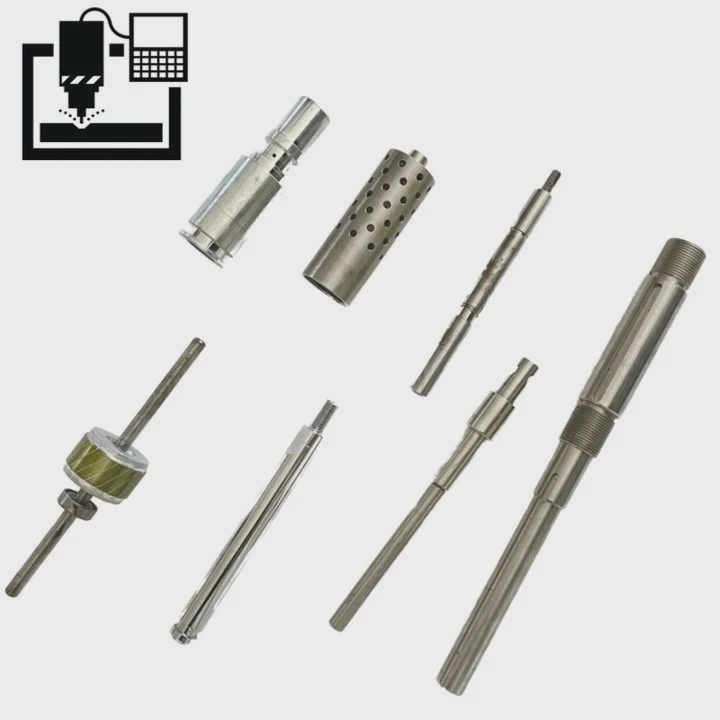
When a liquid cools down, something fascinating happens — its molecules slow down, move closer together, and start transforming into a more ordered structure.
When a liquid is cooled, its temperature decreases as molecular motion slows, density increases, and in some cases, the liquid solidifies into a solid phase.
As I work with various cooling systems, I’ve often seen how a small change in temperature can completely alter the behavior of a liquid. Let’s dive deeper to see how this process unfolds.
What is the physical process of cooling?
When heat leaves a liquid, its molecular energy drops, and everything becomes calmer inside that fluid.
Cooling is the physical process where heat energy is transferred from a liquid to its surroundings, reducing molecular kinetic energy and lowering its temperature.
When we cool a liquid, molecules lose kinetic energy. This makes them move slower and come closer together. For example, when water cools, its molecules start forming hydrogen bonds more tightly. At around 0°C, they lock into a solid pattern — ice.
How energy transfer happens
- Conduction – heat flows from the liquid to a colder surface.
- Convection – warm parts of the liquid rise while cooler parts sink, creating circulation.
- Radiation – some energy is released as infrared radiation.
| Type of Heat Transfer | Description | Common Example |
|---|---|---|
| Conduction | Direct contact energy transfer | A metal pot cooling water |
| Convection | Heat movement through fluid | Air conditioning systems |
| Radiation | Energy emission without contact | Infrared cooling in space |
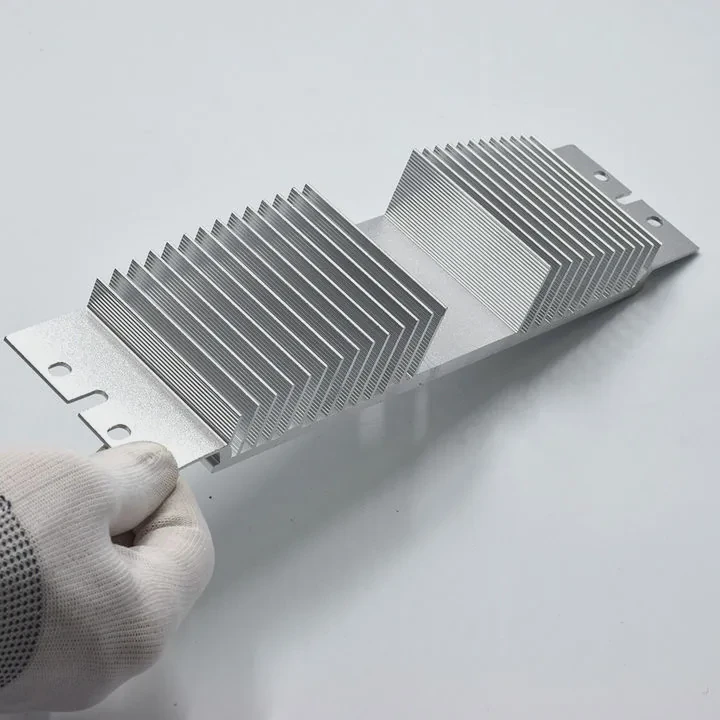
In industrial systems, like aluminum heat spreaders or liquid cooling plates, the same rules apply. Engineers manage how heat flows out of the liquid, often using metals or thermal interfaces that improve conduction efficiency.
When this process is controlled properly, cooling helps stabilize machinery, prevent overheating, and maintain reliability in electronic or energy systems.
What benefits occur during cooling?
Many people think cooling is only about lowering temperature, but it actually brings several technical and physical advantages.
The main benefits of cooling are energy stability, material preservation, improved efficiency, and prevention of overheating in mechanical and biological systems.
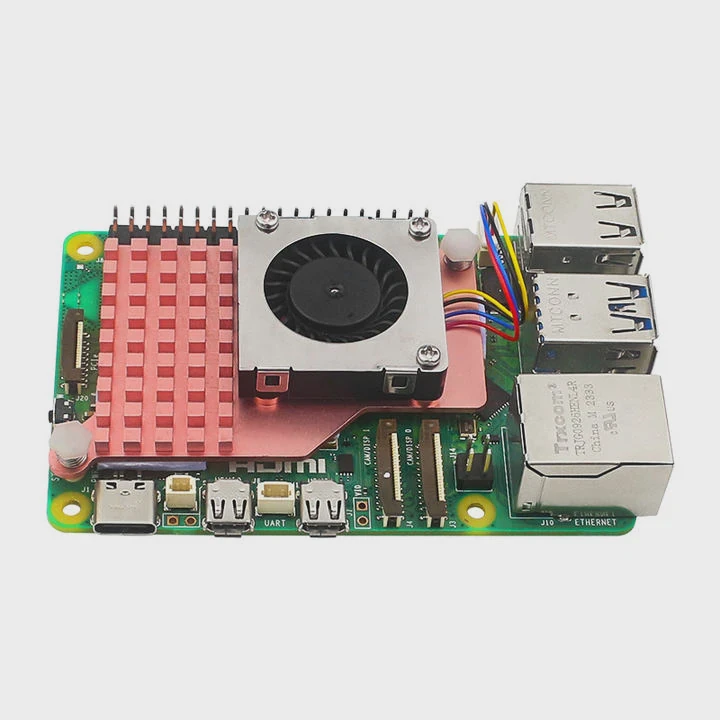
Cooling can make systems work longer and more safely. For example, when we cool a computer chip using a liquid cooling plate, we reduce thermal stress. This keeps the chip from degrading and helps it run faster. In biological systems, cooling slows down metabolism or decay, which is why it’s used in food preservation and medical storage.
Key advantages of cooling
- Improved Efficiency – Cooler components perform better because resistance is lower.
- Extended Lifespan – Less thermal fatigue means longer operational life.
- Energy Savings – Lower temperatures reduce unnecessary energy loss.
- Safety and Stability – Prevents damage caused by overheating.
| Application | Cooling Purpose | Example |
|---|---|---|
| Electronics | Prevent overheating | CPU liquid coolers |
| Aerospace | Control temperature swings | Thermal management panels |
| Medicine | Preserve samples | Cryogenic storage |
| Industry | Maintain system stability | Hydraulic system cooling |
When I design cooling systems, one of the most noticeable results is reliability. Clients often report that their machines not only last longer but also require fewer repairs, simply because we control the thermal behavior more precisely.
How to measure liquid temperature change?
It’s not enough to cool a liquid — we must understand how much it has cooled and how fast it happens.
We measure liquid temperature change using thermometers, thermocouples, or sensors that detect variations in thermal energy and record temperature difference over time.
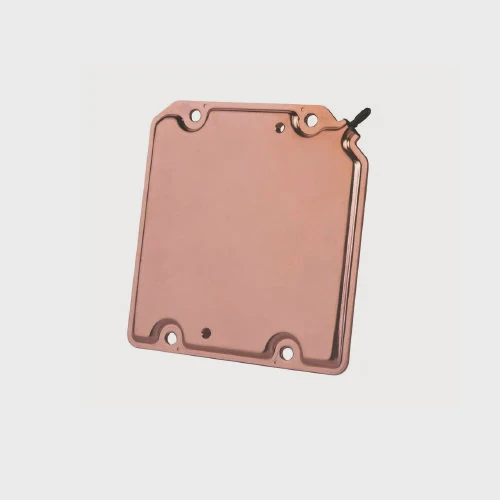
To measure cooling, we usually record the initial temperature (T₁) and the final temperature (T₂). The difference (ΔT = T₁ - T₂) tells us how much heat has been lost. Engineers also consider time and environment because cooling speed depends on air flow, surface area, and the material’s heat capacity.
Common methods
- Digital sensors for real-time monitoring in production lines.
- Infrared thermometers for non-contact readings.
- Thermocouples for high-precision lab tests.
- Data loggers to record temperature changes continuously.
For instance, when testing a new phase-change cooling module, I place sensors at different points to monitor how heat spreads and leaves the system. These readings reveal the module’s thermal resistance and efficiency.
Understanding these measurements allows engineers to adjust materials, flow rates, or surface design to improve thermal control. Without data, cooling becomes guesswork — and that’s not an option in professional systems.
What are the trends in thermal dynamics research?
In recent years, cooling technology has become a key innovation field. Scientists and engineers are constantly finding smarter ways to manage heat.
The main trends in thermal dynamics research include phase-change materials, nanofluid cooling, AI-driven thermal control, and energy-efficient heat recovery systems.

1. Phase-Change Cooling
Researchers use materials that absorb or release heat during phase transitions. These materials keep temperature constant for longer, which is ideal for electronics and aerospace systems.
2. Nanofluids
Fluids mixed with nanoparticles conduct heat faster than normal liquids. This allows for more efficient heat dissipation in small, high-power devices.
3. AI-Driven Control
Artificial intelligence now helps predict temperature changes and adjust cooling dynamically. For instance, smart liquid-cooling systems can increase or reduce flow rate depending on heat load.
4. Energy Recovery
Thermodynamic research also explores how to reuse waste heat. Some cooling systems now convert excess heat into electricity through thermoelectric generators.
Example comparison
| Research Trend | Key Benefit | Industry Impact |
|---|---|---|
| Phase-change materials | Constant temperature control | Aerospace, batteries |
| Nanofluids | Faster heat dissipation | Microelectronics |
| AI-driven cooling | Smart adaptive control | Data centers |
| Energy recovery | Reduced waste, efficiency | Renewable systems |
In my own experience, we are combining several of these ideas into real production. Using aluminum heat spreaders with phase-change cores, we can handle large thermal loads while keeping system design lightweight. The results are remarkable: consistent performance, lower energy use, and reduced maintenance needs.
Conclusion
Cooling changes everything about how a liquid behaves. It slows molecules, increases order, and supports system stability. Understanding cooling allows us to create efficient, reliable, and sustainable technologies that shape the future of energy and engineering.
TAGS
Latest Articles

Volume discount levels for heat sink orders?
Buyers often ask when heat sink prices start to drop with volume. Many worry they’re overpaying for small orders. This guide explains how B2B volume pricing works for thermal components. Heat sink
21 Dec,2025
Heat sink long-term supply contract options?
Many buyers want stable pricing and reliable delivery for heat sinks. But without a clear contract, risks grow over time. This article explores how to secure better long-term supply deals. Long-term
21 Dec,2025
Tooling cost for new heat sink profiles?
Many engineers struggle to understand why tooling for custom heat sinks costs so much. They worry about budgeting and production timelines. This article breaks down the cost drivers behind tooling.
21 Dec,2025
Heat sink custom sample process steps?
Sometimes, starting a custom heat sink project feels overwhelming—too many steps, too many unknowns, and too many risks. You want a sample, but not endless delays. The process for requesting and
20 Dec,2025
Standard B2B terms for heat sink payments?
When buyers and sellers in B2B heat sink markets talk about payment, many don’t fully understand what’s standard. This can lead to delayed orders, miscommunication, and even lost business
20 Dec,2025
Heat sink pricing factors for large orders?
Heat sinks are vital for many systems. When prices rise, projects stall and budgets break. This problem can hit teams hard without warning. Large order heat sink pricing depends on many factors. You
20 Dec,2025Related Articles
- Which is better, liquid cooling or fan?
- Does Xbox Series X have liquid cooling?
- What is the best liquid for water cooling?
- Is liquid cooling CPU worth it?
- Who makes liquid-cooled servers?
- How to refill a liquid cooler?
- How does liquid cooling work in data centers?
- Is glass a super-cooled liquid?
- Why has the liquid cooling system replaced the air types?
- How to cool liquid quickly?
- Why is liquid cooling better?
- Which CPU liquid cooler is best?
Author
Dr. Emily Chen
Chief AI Researcher
Leading expert in thermal dynamics and AI optimization with over 15 years of experience in data center efficiency research.
Categories
Latest Products






Recommend Categories
- Liquid cooling plate Manufacturer
- Industrial Heat Sink Manufacturer
- Standard Heat Sink Manufacturer
- Aluminum Heat Sink Manufacturer
- Copper Heat Sink Manufacturer
- Anodized Heatsink Manufacturer
- Stamping heat sink Manufacturer
- Die Casting Heatsink Manufacturer
- Soldering heat sink Manufacturer
- CNC Parts Manufacturer
Latest Products
- Wholesale Aluminum Radiator
- Water Cooling Plate Kit
- Water Cooling Heat Sink
- Water Cooling Heat Sink Kit
- Stainless Steel Water Distributor
- Server Water Cooling Plate Kit
- Server Liquid Cooling System
- Server Aluminum Cooling Kit
- S19 Full Cover Cooling Plate
- S19 Cooling Plate Kit
- S19 Aluminum Cooling Plate
Contact Expert
Have questions about this article? Reach out to our experts directly.