How to cool liquid quickly?
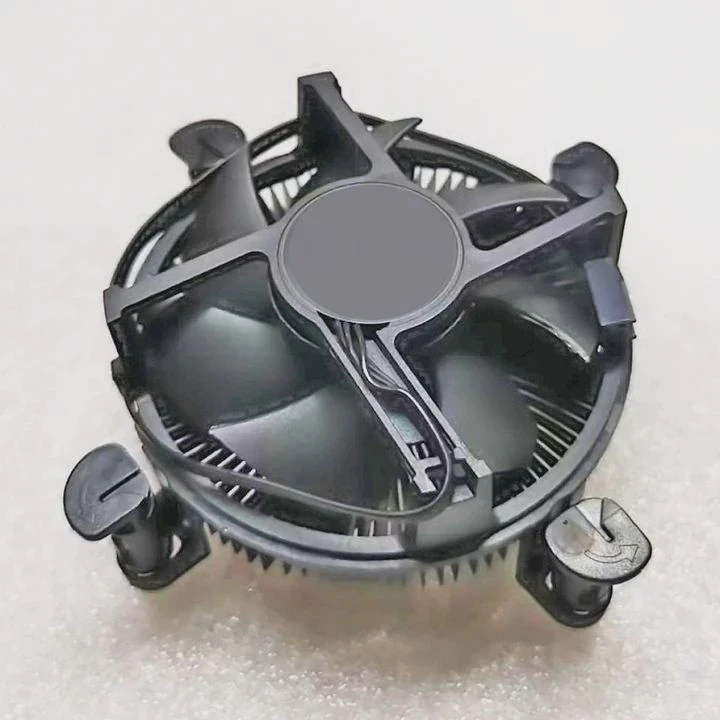
When I worked in a materials testing lab, I often needed to cool hot samples in seconds. Whether it was molten metal, polymer resin, or battery coolant, the goal was always the same—remove heat fast without causing cracks or contamination.
Cooling a liquid quickly means increasing heat transfer efficiency by maximizing temperature difference, surface area, and convection, while maintaining safety and material stability.
In this article, I’ll explain what affects cooling rate, why fast cooling matters, safe methods to speed it up, and the newest technologies that make rapid cooling smarter and cleaner.
What affects the cooling rate of a liquid?
Cooling a liquid might look simple—just expose it to something cold. But the process depends on many physical factors. I learned this the hard way while trying to quench metal alloys that refused to cool evenly.
The cooling rate of a liquid depends on temperature difference, thermal conductivity, surface area, convection strength, container material, and environmental conditions.
Key factors influencing cooling speed
| Factor | Description | Example |
|---|---|---|
| Temperature gradient (ΔT) | The bigger the difference between the liquid and its environment, the faster the heat leaves. | Ice bath cools faster than room air. |
| Surface area | Larger surface area allows more heat to escape. | Wide shallow trays cool faster than deep cups. |
| Convection | Moving the liquid or its surrounding medium accelerates heat exchange. | Stirring speeds up cooling. |
| Container conductivity | Metals transfer heat better than glass or plastic. | Aluminum flask cools faster than glass beaker. |
| Thermal capacity | Some liquids store more heat energy, slowing cooling. | Oils cool slower than water. |
| Ambient humidity and air flow | Dry, fast air boosts evaporation, cooling the surface. | A fan over warm water speeds cooling. |
How to think about cooling rate
You can visualize cooling using Newton’s law of cooling:
The rate of heat loss is proportional to the temperature difference between the liquid and its surroundings.
That means as the liquid approaches the ambient temperature, cooling slows down. So the fastest cooling happens at the beginning of the process.
Why is rapid cooling important?
When I designed a prototype for thermal testing, quick cooling wasn’t just for convenience—it affected performance, safety, and material structure. In industry, speed can mean success.
Rapid cooling is essential to preserve material properties, prevent thermal degradation, improve process efficiency, and ensure product safety.

1. Preserving chemical stability
Many chemical reactions or biological samples degrade if cooled slowly. For instance, enzymes, vaccines, and heat-sensitive fluids must be cooled quickly to maintain integrity.
2. Controlling microstructure
In metal processing or glass manufacturing, cooling rate defines final strength and texture. Quenching steel fast forms martensite; cooling slowly forms softer phases. The same logic applies to polymers and composites.
3. Improving efficiency and safety
In batteries and electronics, quick cooling prevents overheating, short circuits, and thermal runaway. It keeps systems safe during transient power loads.
4. Enhancing production speed
Industrial operations—from beverage filling to extrusion—rely on fast temperature control to shorten cycle time. Every second saved adds up to higher throughput.
| Application | Reason for Rapid Cooling | Benefit |
|---|---|---|
| Metallurgy | Microstructure control | Harder, stronger alloys |
| Food processing | Prevent bacterial growth | Longer shelf life |
| Medical storage | Preserve proteins and drugs | Safe and stable samples |
| Battery cooling | Prevent thermal runaway | Safety and reliability |
| Polymer casting | Control solidification rate | Better dimensional accuracy |
Fast cooling is not just technical—it’s economic and ecological too.
How to safely cool liquids faster?
Cooling too fast can be risky. I once shattered a glass vessel by dropping it into liquid nitrogen—an expensive reminder that safe rapid cooling is all about balance and control.
To cool liquids safely and quickly, use high-conductivity containers, forced convection, evaporative techniques, or indirect contact with cold surfaces while avoiding thermal shock or contamination.
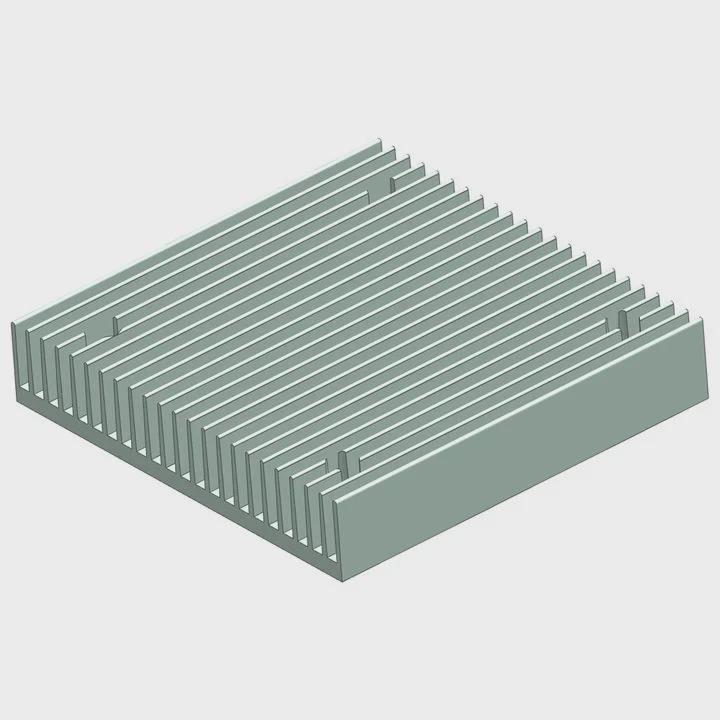
Step-by-step safe cooling techniques
1. Use metal containers
Metals like aluminum and copper conduct heat efficiently, pulling energy from the liquid faster than glass or plastic.
2. Stir or circulate
Continuous motion increases convection inside the liquid, preventing hot zones. In labs, magnetic stirrers are standard for even cooling.
3. Increase surface contact
Use shallow pans or coiled tubing to maximize contact area with the cooling medium.
4. Apply an ice–salt bath
Mixing salt with ice lowers the freezing point, creating a bath below 0°C. This is a classic trick for fast cooling water or solutions safely.
5. Employ evaporative cooling
Blowing dry air or nitrogen across the liquid surface enhances evaporation, pulling heat as the vapor escapes.
6. Use indirect cooling
In sensitive setups, run the liquid through a heat exchanger connected to a cold loop instead of direct immersion. This prevents contamination.
7. Control the cooling rate
For materials prone to cracking or phase stress, gradually step down the temperature using controlled cooling stages.
Example: Practical safe cooling setup
| Method | Cooling Medium | Approx. Temperature | Typical Use |
|---|---|---|---|
| Ice bath | Ice + water | 0 °C | General lab work |
| Ice-salt bath | Ice + NaCl | –10 to –20 °C | Chemical reactions |
| Dry ice–acetone bath | Solid CO₂ + acetone | –78 °C | Rapid quenching |
| Liquid nitrogen | N₂(l) | –196 °C | Ultra-fast cryogenic cooling |
Always wear insulated gloves, face shields, and protective clothing when handling sub-zero media. Safety first—thermal shock can destroy equipment or cause injury.
What are the innovations in rapid cooling methods?
In recent years, I’ve seen incredible advances in how we cool liquids—especially for high-tech industries. From smart materials to cryogenic jets, new ideas are reshaping cooling science.
Modern rapid cooling innovations include microchannel heat exchangers, two-phase systems, magnetic refrigeration, vortex tubes, and AI-optimized control for industrial and laboratory cooling.
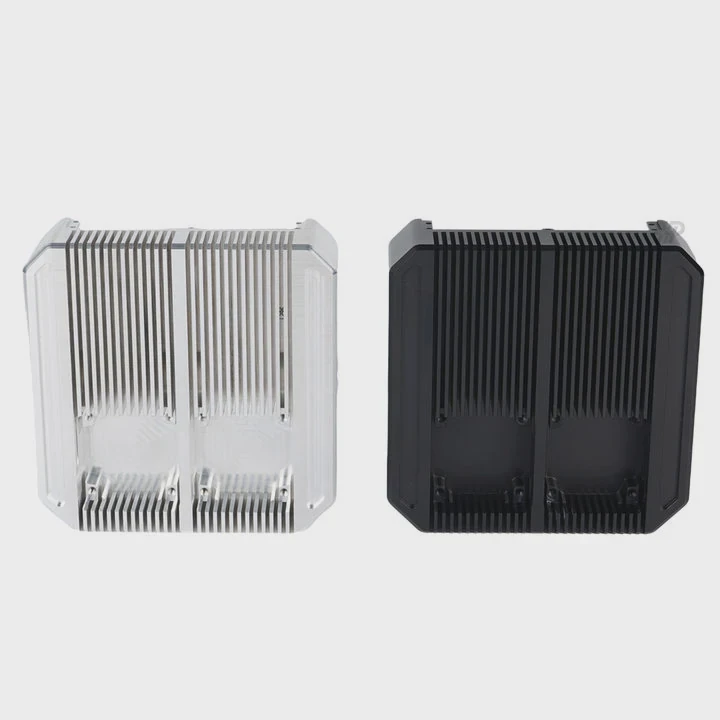
1. Microchannel and nano-enhanced heat exchangers
Microchannels—tiny fluid pathways inside metal plates—greatly increase surface area and turbulence. Nanofluids (coolants mixed with nanoparticles) improve thermal conductivity further, achieving up to 40% faster heat removal.
2. Two-phase cooling systems
These systems use boiling and condensation within sealed chambers to absorb latent heat efficiently. Vapor chambers and heat pipes are examples now common in electronics and aerospace.
3. Magnetic and electrocaloric cooling
These solid-state methods use magnetic or electric fields to absorb and release heat. They eliminate compressors and refrigerants, offering faster and cleaner operation.
4. Cryogenic spray cooling
Using ultra-cold sprays of liquid nitrogen or CO₂ directly on hot surfaces cools instantly without residue. This method is used in medical and semiconductor industries.
5. AI and smart control systems
Sensors now feed real-time data to AI controllers that adjust coolant flow, pump speed, and temperature based on load prediction. This ensures efficient, safe, and energy-saving operation.
6. Eco-friendly and closed-loop systems
Green cooling fluids with low global warming potential (GWP) and sealed circuits prevent environmental harm. Some systems recycle the cooling medium continuously for zero waste.
7. Hybrid thermal storage
Combining phase-change materials (PCM) with liquid loops allows excess heat to be stored temporarily and released later, enabling peak-load cooling on demand.
Outlook
In the near future, cooling will become adaptive and autonomous. Systems will analyze heat patterns, predict needs, and deploy the most efficient cooling strategy automatically—just like autopilot for temperature control.
Conclusion
Rapid liquid cooling is both a science and a craft. By understanding heat transfer fundamentals, using safe and smart methods, and adopting modern technologies, we can cool faster without damage, waste, or risk—achieving precision, safety, and efficiency in every drop.
TAGS
Latest Articles

Volume discount levels for heat sink orders?
Buyers often ask when heat sink prices start to drop with volume. Many worry they’re overpaying for small orders. This guide explains how B2B volume pricing works for thermal components. Heat sink
21 Dec,2025
Heat sink long-term supply contract options?
Many buyers want stable pricing and reliable delivery for heat sinks. But without a clear contract, risks grow over time. This article explores how to secure better long-term supply deals. Long-term
21 Dec,2025
Tooling cost for new heat sink profiles?
Many engineers struggle to understand why tooling for custom heat sinks costs so much. They worry about budgeting and production timelines. This article breaks down the cost drivers behind tooling.
21 Dec,2025
Heat sink custom sample process steps?
Sometimes, starting a custom heat sink project feels overwhelming—too many steps, too many unknowns, and too many risks. You want a sample, but not endless delays. The process for requesting and
20 Dec,2025
Standard B2B terms for heat sink payments?
When buyers and sellers in B2B heat sink markets talk about payment, many don’t fully understand what’s standard. This can lead to delayed orders, miscommunication, and even lost business
20 Dec,2025
Heat sink pricing factors for large orders?
Heat sinks are vital for many systems. When prices rise, projects stall and budgets break. This problem can hit teams hard without warning. Large order heat sink pricing depends on many factors. You
20 Dec,2025Related Articles
- Why has the liquid cooling system replaced the air types?
- Is glass a super-cooled liquid?
- How does liquid cooling work in data centers?
- What happens when a liquid is cooled?
- Which is better, liquid cooling or fan?
- Does Xbox Series X have liquid cooling?
- Why is liquid cooling better?
- Which CPU liquid cooler is best?
- What liquid is in liquid cooling?
- Is liquid cooling hard to maintain?
- How Do Liquid Cooling Systems Work?
- What Does Liquid Cooling Do in a Computer?
Author
Dr. Emily Chen
Chief AI Researcher
Leading expert in thermal dynamics and AI optimization with over 15 years of experience in data center efficiency research.
Categories
Latest Products






Recommend Categories
- Liquid cooling plate Manufacturer
- Industrial Heat Sink Manufacturer
- Standard Heat Sink Manufacturer
- Aluminum Heat Sink Manufacturer
- Copper Heat Sink Manufacturer
- Anodized Heatsink Manufacturer
- Stamping heat sink Manufacturer
- Die Casting Heatsink Manufacturer
- Soldering heat sink Manufacturer
- CNC Parts Manufacturer
Latest Products
- Wholesale Aluminum Radiator
- Water Cooling Plate Kit
- Water Cooling Heat Sink
- Water Cooling Heat Sink Kit
- Stainless Steel Water Distributor
- Server Water Cooling Plate Kit
- Server Liquid Cooling System
- Server Aluminum Cooling Kit
- S19 Full Cover Cooling Plate
- S19 Cooling Plate Kit
- S19 Aluminum Cooling Plate
Contact Expert
Have questions about this article? Reach out to our experts directly.