Is liquid cooling CPU worth it?
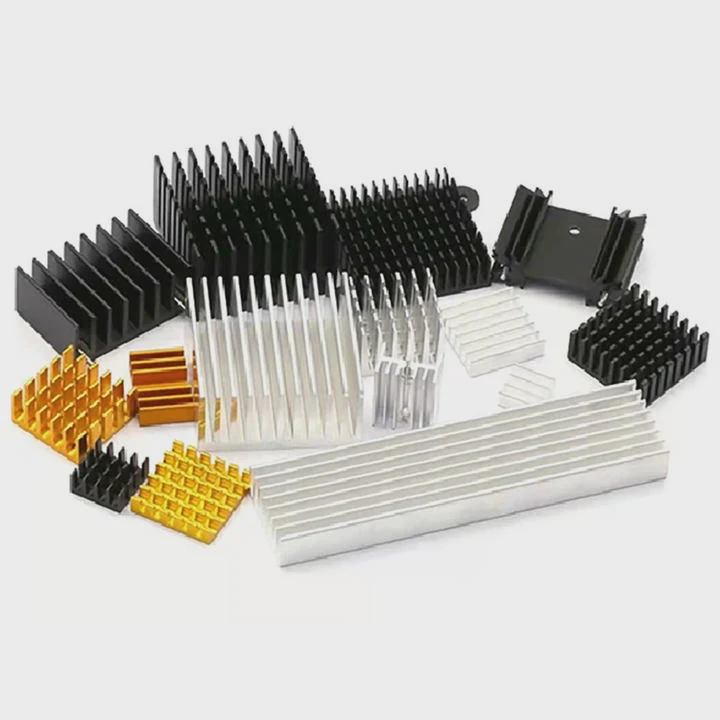
When I first built a performance PC, I stuck with an air cooler. It seemed simple and safe. But as I pushed my CPU harder, the fan noise grew louder, and my frame rates dropped from thermal throttling. That’s when I switched to liquid cooling—and I never looked back.
Liquid cooling a CPU is worth it if you need lower temperatures, quieter operation, and better performance under heavy workloads or overclocking.
For everyday users, air cooling may be enough. But for enthusiasts, gamers, and professionals, liquid cooling delivers a level of thermal control air simply can’t match.
What is CPU liquid cooling?
When most people hear “liquid cooling,” they imagine complicated systems full of tubes and coolant. In reality, modern liquid coolers are easy to install and maintain, even for beginners.
CPU liquid cooling uses circulating coolant to absorb heat from the processor and move it to a radiator, where it’s dissipated by fans more efficiently than air cooling.

How it works
Water block:
This metal plate sits on the CPU, transferring heat into the coolant inside.Pump:
The pump moves coolant through the loop, circulating it between the CPU block and the radiator.Radiator:
Fans blow air through the radiator fins, releasing heat from the coolant.Coolant loop:
Once cooled, the liquid flows back to the CPU block to repeat the process.
| Component | Function | Common Material |
|---|---|---|
| Water Block | Absorbs heat from CPU | Copper or Nickel |
| Pump | Circulates coolant | Ceramic or Magnetic Motor |
| Radiator | Dissipates heat | Aluminum or Copper |
| Tubing | Connects loop parts | Rubber or PETG |
| Fans | Moves air through radiator | PWM Plastic Blades |
Types of liquid cooling
- AIO (All-in-One): Pre-assembled, sealed systems. Simple and maintenance-free.
- Custom Loop: Fully customizable loops with separate pumps, tubes, and reservoirs for maximum cooling potential.
Both operate on the same principle but differ in flexibility, cost, and upkeep.
What are its performance benefits?
When I first installed a 240mm AIO cooler, my CPU temperature dropped from 88°C to 62°C under load, and my PC became almost silent. The difference was more than just numbers—it changed how my system performed.
Liquid cooling provides lower temperatures, quieter operation, longer component lifespan, and higher overclocking stability.
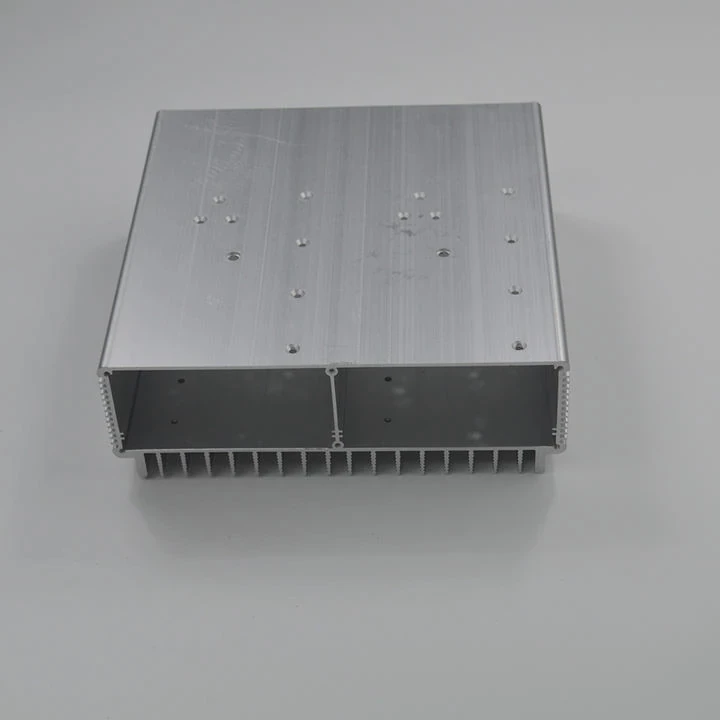
1. Superior thermal performance
Coolant absorbs and transfers heat faster than air, keeping your CPU much cooler, even under stress. This ensures stable performance and avoids throttling.
| Metric | Air Cooling | Liquid Cooling |
|---|---|---|
| Idle Temp | 40°C | 30°C |
| Load Temp | 85°C | 60°C |
| Noise Level | High | Low |
| Overclock Stability | Limited | Excellent |
2. Quieter operation
Radiator fans can spin slower while still maintaining low temperatures, resulting in quieter systems. For content creators or streamers, silence is a major advantage.
3. More stable performance
Air coolers often struggle with sudden temperature spikes. Liquid cooling keeps thermal levels consistent, improving reliability during gaming, rendering, or compiling code.
4. Better overclocking potential
Lower temperatures mean you can safely push your CPU to higher speeds without risk. Enthusiasts rely on liquid cooling to unlock maximum processor performance.
5. Longer hardware lifespan
Consistent low temperatures reduce heat stress on the CPU and nearby motherboard components, helping your system last longer.
6. Sleeker appearance
Modern liquid coolers with RGB lighting and clear tubing add a professional look to your setup while saving space around the CPU socket.
How to decide if it’s worth the cost?
Not everyone needs liquid cooling. It depends on how you use your system, how much you’re willing to maintain it, and your noise tolerance.
Liquid cooling is worth the investment for users who run demanding workloads, overclock their CPU, or value quiet, efficient performance.
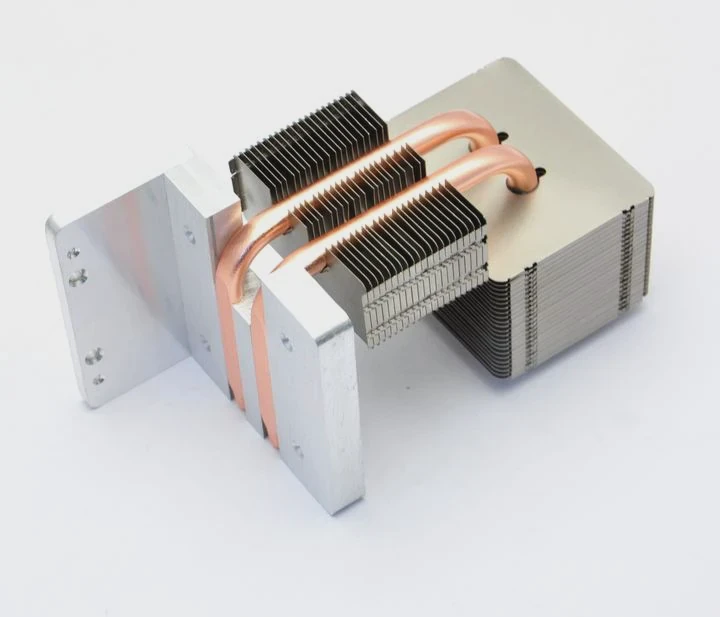
1. Evaluate your use case
Ask yourself these questions:
- Do you game or edit video for hours?
- Do you plan to overclock your CPU?
- Is low noise a priority for you?
- Does your PC case support radiator mounting?
If you answered yes to most of these, liquid cooling makes sense.
2. Compare cost and value
A quality AIO cooler costs between \(100–\)200, while a high-end air cooler ranges from \(70–\)120. If your CPU regularly hits high temperatures, the extra investment in liquid cooling can improve performance and prevent long-term damage.
| Cooling Type | Price Range | Maintenance | Lifespan |
|---|---|---|---|
| Air Cooler | \(50–\)120 | Low | 5–7 years |
| AIO Liquid | \(100–\)200 | Low | 5–6 years |
| Custom Loop | \(300–\)600+ | Medium | 5–10 years |
3. Consider noise and environment
If your PC runs in a quiet studio or warm room, liquid cooling keeps your system cool and nearly silent—ideal for creative professionals or streamers.
4. Maintenance expectations
AIO systems are nearly maintenance-free. Custom loops require periodic cleaning and refilling, but also offer more performance and aesthetic customization.
5. Space and compatibility
Ensure your case supports the radiator size (120mm, 240mm, or 360mm). Compact cases may limit options, but smaller AIOs still perform well for moderate CPUs.
6. Longevity and resale
High-quality liquid coolers retain value over time. They can often be reused across CPU generations with mounting kit upgrades.
Quick decision guide
| Question | Yes | No |
|---|---|---|
| Do you need quiet performance? | ✅ | ⛔ |
| Do you plan to overclock? | ✅ | ⛔ |
| Is your system often under full load? | ✅ | ⛔ |
| Do you have radiator space in your case? | ✅ | ⛔ |
| Do you want a cleaner aesthetic? | ✅ | ⛔ |
If most answers are “yes,” liquid cooling is a smart upgrade.
What are the trends in CPU cooling efficiency?
Over the past few years, CPU cooling technology has advanced rapidly. The latest systems are more intelligent, efficient, and environmentally conscious than ever.
Trends in CPU cooling include AI-driven fan control, hybrid air-liquid designs, direct-die cooling, eco-friendly fluids, and maintenance-free sealed systems.
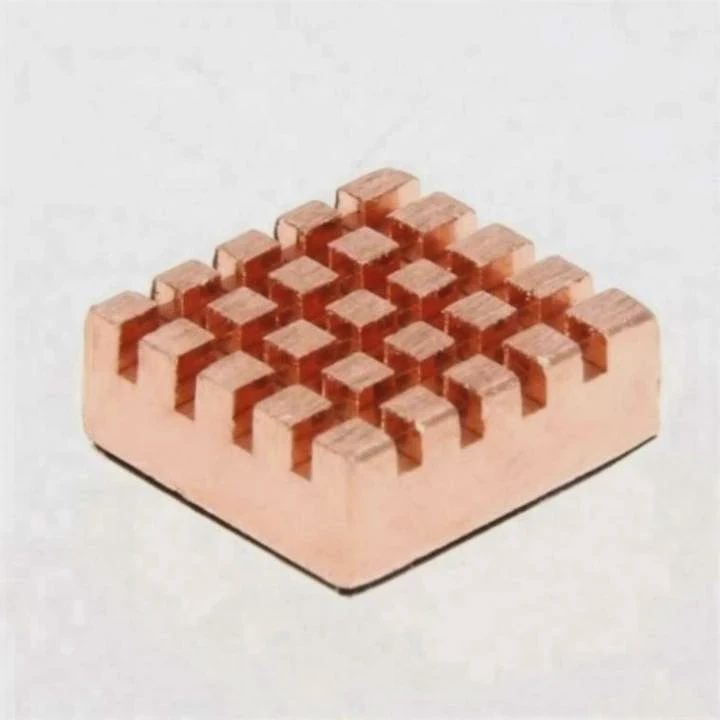
1. AI-assisted cooling
Modern coolers integrate sensors and software that automatically adjust fan and pump speeds based on CPU load, keeping noise and temperatures balanced in real time.
2. Hybrid cooling systems
Some brands combine vapor chamber technology with liquid cooling. This hybrid design spreads heat evenly before liquid carries it away, improving overall performance.
3. Direct-die cooling
Advanced enthusiasts now remove the CPU’s integrated heat spreader (IHS) to allow coolant to contact the silicon directly. This reduces thermal resistance and improves efficiency—but it requires precision and care.
4. Improved pump and radiator design
New pumps use magnetic levitation bearings for quieter, more durable operation. Radiators feature thinner fins and optimized airflow paths for faster heat transfer in smaller sizes.
5. Eco-friendly, long-life coolants
Manufacturers are developing biodegradable, non-toxic coolant formulas with high thermal stability. These fluids reduce maintenance needs and environmental impact.
| Trend | Description | Advantage |
|---|---|---|
| AI Fan Control | Predictive cooling using sensors | Quieter and smarter |
| Hybrid Cooling | Combines air and liquid principles | Efficient and compact |
| Direct-Die Design | Removes heat spreader | Maximum thermal transfer |
| MagLev Pumps | Frictionless bearing design | Longer lifespan |
| Eco Coolants | Biodegradable, safe fluids | Environmentally friendly |
6. Software integration
Cooling systems now sync with motherboard software like ASUS Armoury Crate or Corsair iCUE, giving users full control over performance, RGB lighting, and fan curves.
7. Maintenance-free AIO systems
Sealed-loop AIOs can now last up to seven years without coolant loss, making liquid cooling more reliable for mainstream users.
8. Compact designs for small cases
Manufacturers are creating thin radiators and short tubes for mini-ITX and micro-ATX builds, expanding liquid cooling’s reach into smaller form factors.
9. Energy-efficient operation
New DC pump motors consume less power while maintaining stable flow rates, aligning with global energy efficiency standards.
10. The future: autonomous cooling
The next generation of CPU coolers will likely be self-regulating ecosystems. AI will monitor heat, flow, and power consumption, adjusting cooling performance dynamically—no user input required.
Conclusion
Liquid cooling a CPU is worth it if you value performance, silence, and aesthetics. It offers better heat dissipation, longer hardware life, and more stable operation under load. For gamers, content creators, and professionals, it’s an investment that pays off. With AI optimization, eco-friendly coolants, and sealed maintenance-free systems leading the future, liquid cooling is becoming not just an upgrade—but the new standard for CPU efficiency.
TAGS
Latest Articles

Volume discount levels for heat sink orders?
Buyers often ask when heat sink prices start to drop with volume. Many worry they’re overpaying for small orders. This guide explains how B2B volume pricing works for thermal components. Heat sink
21 Dec,2025
Heat sink long-term supply contract options?
Many buyers want stable pricing and reliable delivery for heat sinks. But without a clear contract, risks grow over time. This article explores how to secure better long-term supply deals. Long-term
21 Dec,2025
Tooling cost for new heat sink profiles?
Many engineers struggle to understand why tooling for custom heat sinks costs so much. They worry about budgeting and production timelines. This article breaks down the cost drivers behind tooling.
21 Dec,2025
Heat sink custom sample process steps?
Sometimes, starting a custom heat sink project feels overwhelming—too many steps, too many unknowns, and too many risks. You want a sample, but not endless delays. The process for requesting and
20 Dec,2025
Standard B2B terms for heat sink payments?
When buyers and sellers in B2B heat sink markets talk about payment, many don’t fully understand what’s standard. This can lead to delayed orders, miscommunication, and even lost business
20 Dec,2025
Heat sink pricing factors for large orders?
Heat sinks are vital for many systems. When prices rise, projects stall and budgets break. This problem can hit teams hard without warning. Large order heat sink pricing depends on many factors. You
20 Dec,2025Related Articles
- Who makes liquid-cooled servers?
- How to refill a liquid cooler?
- Where to plug in a liquid cooling pump?
- How to install a CPU liquid cooler?
- How to liquid cool your computer?
- How does liquid nitrogen cooling work?
- What is the best liquid for water cooling?
- Does Xbox Series X have liquid cooling?
- Which is better, liquid cooling or fan?
- What happens when a liquid is cooled?
- How does liquid cooling work in data centers?
- Is glass a super-cooled liquid?
Author
Dr. Emily Chen
Chief AI Researcher
Leading expert in thermal dynamics and AI optimization with over 15 years of experience in data center efficiency research.
Categories
Latest Products






Recommend Categories
- Liquid cooling plate Manufacturer
- Industrial Heat Sink Manufacturer
- Standard Heat Sink Manufacturer
- Aluminum Heat Sink Manufacturer
- Copper Heat Sink Manufacturer
- Anodized Heatsink Manufacturer
- Stamping heat sink Manufacturer
- Die Casting Heatsink Manufacturer
- Soldering heat sink Manufacturer
- CNC Parts Manufacturer
Latest Products
- Wholesale Aluminum Radiator
- Water Cooling Plate Kit
- Water Cooling Heat Sink
- Water Cooling Heat Sink Kit
- Stainless Steel Water Distributor
- Server Water Cooling Plate Kit
- Server Liquid Cooling System
- Server Aluminum Cooling Kit
- S19 Full Cover Cooling Plate
- S19 Cooling Plate Kit
- S19 Aluminum Cooling Plate
Contact Expert
Have questions about this article? Reach out to our experts directly.