Bonding methods to improve heat sink transfer?
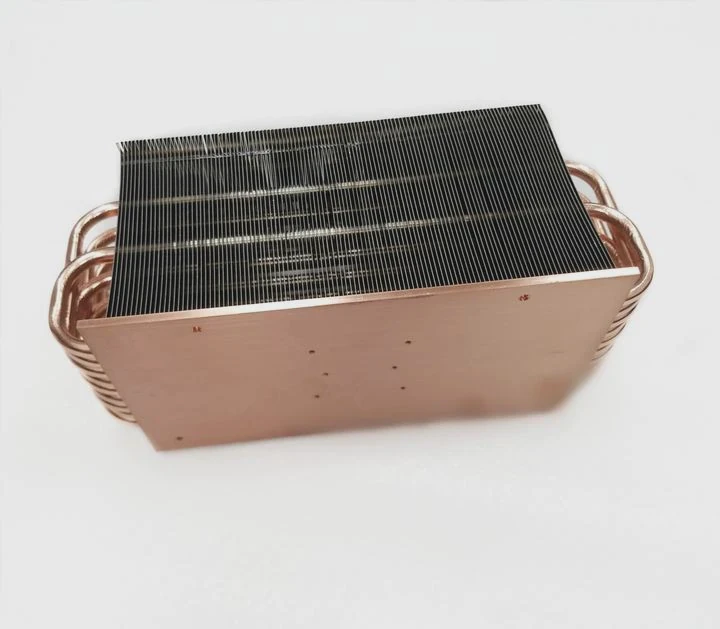
Heat sinks often fail to transfer heat well when the wrong bond is used. This leads to hotspots, shorter device life, and wasted power.
Good bonding methods boost heat flow from chip to heat sink. This reduces thermal resistance and stops overheating. The right choice makes cooling far more effective.
Choosing the best bonding method is hard for many engineers. This article walks through common options and shows which work best in real heat sink designs. I break down adhesives, soldering, phase-change materials, and testing methods to help you improve thermal transfer in your products.
Which adhesives enhance thermal conductivity?
Many engineers turn to adhesives when they need a simple bond between heat sink and component. But not all adhesives help heat flow. Some stick parts together well but block heat.
Thermally conductive adhesives fill gaps and help heat move from the chip to the heat sink. These include pastes, tapes, and gels with metal or ceramic fillers to boost conductivity.
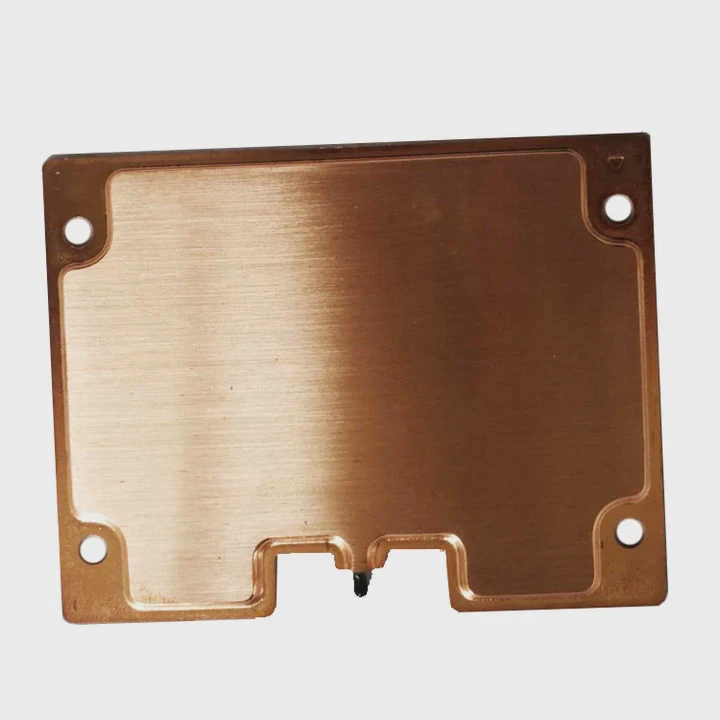
Adhesives are easy to use. They do not need high heat. They work on uneven surfaces. But choosing the best thermal adhesive means understanding the materials, fillers, and how they fit your design.
How adhesives work in heat sinking
Heat moves by conduction. Air gaps slow down this movement. Adhesives with high thermal conductivity replace those gaps with material that conducts heat better. Two main types are used:
Thermally conductive epoxies
These are liquid before curing. They can fill tiny surface scratches. Once cured, they form a strong bond.
- Epoxies with silver particles reach higher conductivity.
- Some include aluminum oxide or boron nitride for lower cost.
- Cure time varies with temperature and catalyst.
Thermally conductive tapes
These are solid sheets you apply like a sticker.
- They are easy to place.
- They have consistent thickness.
- They avoid messy liquid adhesives.
What properties matter
| Property | Why it matters |
|---|---|
| Thermal conductivity (W/m·K) | Higher value means faster heat flow |
| Electrical insulation | Prevents short circuits |
| Gap fill | Fills uneven surfaces |
| Cure time / process | Affects manufacturing speed |
For heat sink use, adhesives typically range from 1 to 10 W/m·K. This is far higher than plain glue but lower than solder. Still, in many designs it is good enough.
Pros and cons of thermal adhesives
| Advantage | Limitation |
|---|---|
| Easy to use | Lower conductivity than solder |
| Works at low temperature | May age or degrade over time |
| Flexible for different surfaces | Limited mechanical strength |
When to choose which adhesive
- Use epoxy when you need strong mechanical bond and good gap fill.
- Use tape when you need clean application and consistent thickness.
- For temporary or serviceable joints, some gels work well but may not be as durable.
In many electronic assemblies, adhesives support initial cooling until other thermal paths take over.
Adhesive selection is a balance between ease of use and thermal performance. I generally start with vendor data sheets and then test in real conditions to ensure the adhesive meets my needs.
How does soldering compare to thermal epoxy?
Soldering is a metal joining method. It melts a filler metal into joint surfaces. Thermal epoxy is a polymer binder filled with conductive particles. Both bond parts, but the way they conduct heat is very different.
Solder joints tend to have better thermal conduction than epoxy because the metal paths allow heat to travel more quickly from one surface to another.
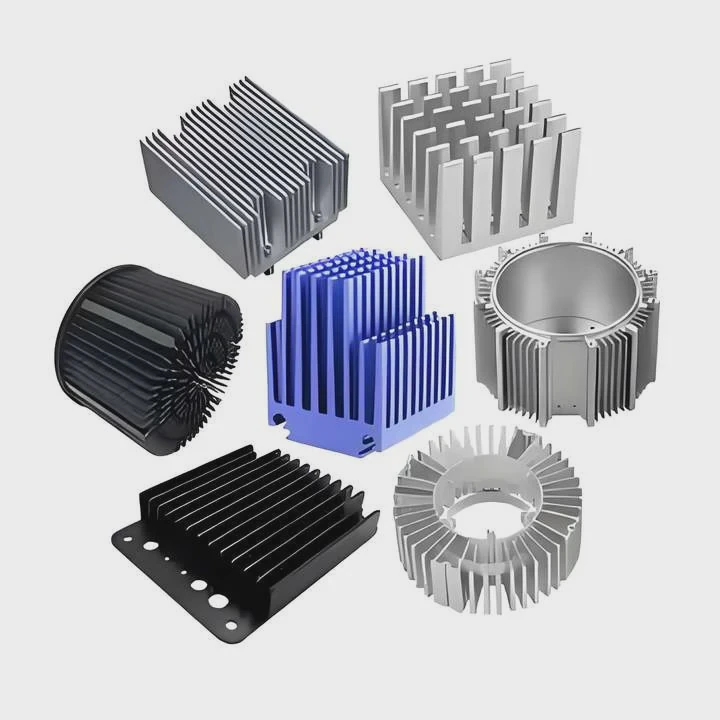
In heat sink transfer, solder creates a solid metal interface. Epoxy remains a composite of polymer and filler. Even good epoxies cannot match the heat flow of a well-made solder joint.
Why solder is more conductive
Metals like tin-silver or indium alloys used in solder have thermal conductivity far above polymer adhesives. Typical solder can exceed 50 W/m·K. Many epoxies stay below 10 W/m·K.
This makes solder excellent for applications where heat must move fast, like power devices and high-performance CPUs.
Solder vs epoxy: key differences
Thermal path
Solder forms a continuous metal path from part to heat sink. This lowers resistance.
Epoxy relies on filler particles touching each other. This path is not as direct. Heat has to hop from particle to particle.
Mechanical bond
Soldered joints are rigid. This works well if parts experience little movement.
Epoxy is slightly flexible. That can help absorb vibration. But too much flex can raise thermal resistance.
Manufacturing
Soldering usually needs higher temperature process equipment. This may affect component tolerances.
Epoxy cures at lower temperatures. It is often easier in low-temp assemblies.
When to use solder
- High power devices needing fast heat removal
- Metal heat spreaders bonded to aluminum or copper
- Assemblies that withstand soldering temperatures
When epoxy is preferable
- Parts that cannot tolerate high heat
- Irregular surfaces needing gap fill
- Quick prototypes or low-cost builds
Risks and mitigation
Soldering has risk of overheating sensitive parts. To avoid this:
- Use controlled reflow profiles
- Preheat parts to reduce stress
- Select low-melt alloys when necessary
Epoxy can degrade at high use temperatures. Pick epoxy with rated thermal stability above your expected range.
In many designs, solder yields higher thermal performance if you can handle the process. But epoxy still has a place where ease and flexibility matter more.
Can phase-change materials aid bonding efficiency?
Phase-change materials (PCMs) soften or melt at certain temperatures. In thermal bonding, they can improve contact between surfaces once the assembly heats up. This reduces air gaps that block heat.
PCMs become soft at designed temperatures, then fill micro voids between heat sink and device. This leads to better heat transfer once the device reaches operating temperature.
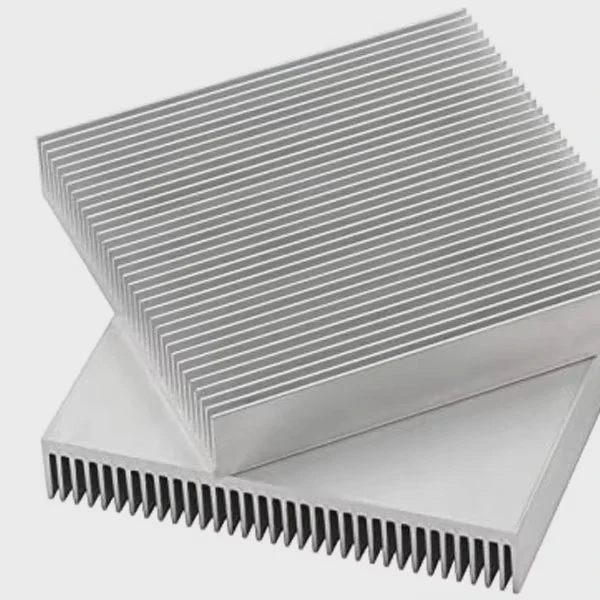
PCMs are often used in place of thermal grease or gap pads in high-performance cooling. They act like a solid at room temperature, easy to handle, but become softer at use temperature to improve contact.
How phase-change materials work
PCMs are engineered to change state near normal operating temperatures. For example:
- They may soften at 50–60°C.
- Above that, they flow into tiny surface roughness.
- At higher temperatures, they remain stable and conductive.
This behavior means assembly can be made at room temp with minimal mess. When the device heats up during use, PCM adapts to contact surfaces better.
Example use cases
CPU heat spreaders
PCMs replace grease to reduce assembly time and mess in large manufacturing.
CPU packages benefit from improved interface when heat rises during startup.
Power modules
PCMs help fill gaps between large power dies and heat sinks. They deliver repeatable thermal performance over many cycles.
Benefits of PCMs
- Reflow affects no parts during assembly
- Reduced thermal interface resistance at operating temp
- Cleaner than liquid greases
- Good for mass production
Limitations
PCMs still rely on base conductivity of their materials. While they fill gaps, the overall thermal conductivity may not exceed high-performance greases or solder.
They may also shift slightly over many temperature cycles if not mechanically constrained.
Comparing PCM to other interfaces
| Interface | Ease of use | Thermal performance | Stability |
|---|---|---|---|
| Thermal grease | Easy | High initial | Can pump out |
| PCM | Easy | Good at temp | Stable |
| Solder | Hard | Highest | Very stable |
| Epoxy | Easy | Moderate | Long-term |
When to use PCM
- High volume manufacturing
- Devices with stable operating temp
- Needs repeatable interface control
PCMs are not universal. But when used right, they bridge the gap between simple interfaces and high-performance bonds.
I have used PCM in designs where thermal greases caused assembly issues. The result was improved consistency across units, especially in high-volume runs.
What testing validates thermal bonding quality?
Once a bonding method is chosen, testing is needed. Poor bonds look fine but can hide high thermal resistance. Testing confirms whether the heat sink transfer meets design targets.
Thermal testing methods include thermal resistance measurement, transient thermal analysis, and infrared imaging to find hotspots and validate interface quality.
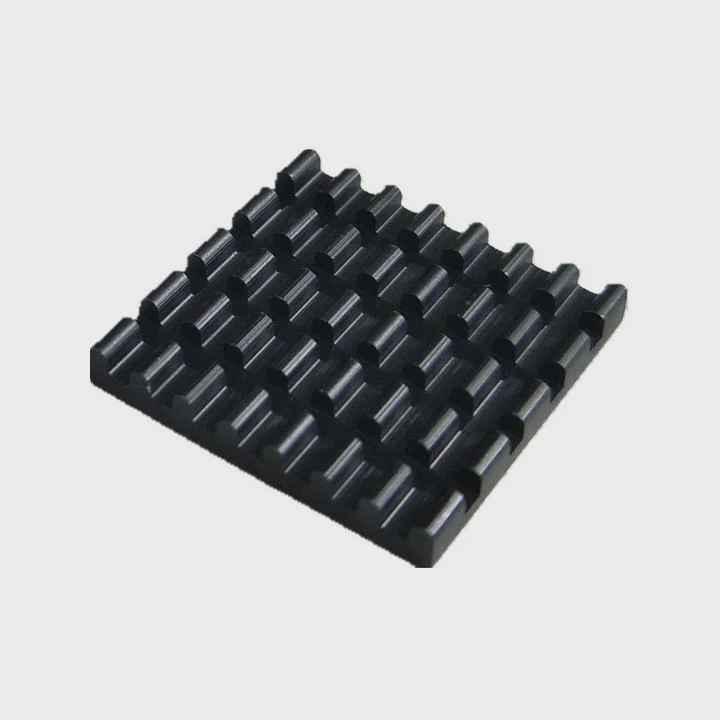
Testing ensures that the chosen bond does what it promises. It also catches errors in assembly, material defects, or process drift.
Common thermal tests
Steady-state thermal resistance
This is the measurement of temperature difference across the interface under known power. Lower resistance means better heat flow.
To do this:
- Apply known heat power to device
- Measure junction and sink temperatures
- Calculate thermal resistance as ΔT / Power
This test shows real-world performance under load.
Transient thermal response
This looks at how fast temperature changes over time. Short tests show interface quality before steady state.
Transient tests can reveal:
- Poor contact areas
- Voids in bond
- Variable material quality
Tools for thermal testing
- Thermocouples placed at junction and sink
- Infrared camera to view heat spread
- Thermal test boards designed for repeatability
Example test table
| Test Method | What it shows | Best use |
|---|---|---|
| Steady-state | Final temperature difference | Overall performance |
| Transient response | Heat path quality | Early defect detection |
| IR imaging | Hot/cold spots | Identify uneven bonding |
Interpreting test results
Good bonding shows:
- Smooth, predictable thermal curve
- Low hotspot temperatures
- Consistent results across multiple samples
Bad bonding might show:
- Large temperature drops at interface
- Hot spots that move under steady load
- Variations from unit to unit
It is important to control test variables like ambient temperature and fixture design. Without control, results can be misleading.
Improving bond quality based on tests
If tests show high thermal resistance:
- Improve surface flatness
- Increase bonding pressure
- Use cleaner surfaces
- Choose better interface material
Testing should happen early and often in a design cycle. This saves costly redesigns later.
Good data helps justify material choices to customers and internal teams.
Conclusion
Thermal bonding affects heat sink performance strongly. Choosing between adhesives, solder, or PCM depends on design needs. Testing confirms your choices work in real conditions.
TAGS
Latest Articles

Volume discount levels for heat sink orders?
Buyers often ask when heat sink prices start to drop with volume. Many worry they’re overpaying for small orders. This guide explains how B2B volume pricing works for thermal components. Heat sink
21 Dec,2025
Heat sink long-term supply contract options?
Many buyers want stable pricing and reliable delivery for heat sinks. But without a clear contract, risks grow over time. This article explores how to secure better long-term supply deals. Long-term
21 Dec,2025
Tooling cost for new heat sink profiles?
Many engineers struggle to understand why tooling for custom heat sinks costs so much. They worry about budgeting and production timelines. This article breaks down the cost drivers behind tooling.
21 Dec,2025
Heat sink custom sample process steps?
Sometimes, starting a custom heat sink project feels overwhelming—too many steps, too many unknowns, and too many risks. You want a sample, but not endless delays. The process for requesting and
20 Dec,2025
Standard B2B terms for heat sink payments?
When buyers and sellers in B2B heat sink markets talk about payment, many don’t fully understand what’s standard. This can lead to delayed orders, miscommunication, and even lost business
20 Dec,2025
Heat sink pricing factors for large orders?
Heat sinks are vital for many systems. When prices rise, projects stall and budgets break. This problem can hit teams hard without warning. Large order heat sink pricing depends on many factors. You
20 Dec,2025Related Articles
- Heat sink machining standards for precision parts?
- what is the best CNC plasma cutter?
- How heat sink extrusion is manufactured?
- Heat sink usable in coastal high-humidity areas?
- Heat sink usage in power distribution panels?
- Heat sink selection for aerospace electronics?
- Dimensional inspection methods for heat sink?
- Heat sink export packaging requirements?
- Requirements for custom heat sink extrusion dies?
- Heat sink coating durability testing methods?
- Mechanical strength standards for heat sink?
- Heat sink RoHS compliance details?
Author
Dr. Emily Chen
Chief AI Researcher
Leading expert in thermal dynamics and AI optimization with over 15 years of experience in data center efficiency research.
Categories
Latest Products






Recommend Categories
- Liquid cooling plate Manufacturer
- Industrial Heat Sink Manufacturer
- Standard Heat Sink Manufacturer
- Aluminum Heat Sink Manufacturer
- Copper Heat Sink Manufacturer
- Anodized Heatsink Manufacturer
- Stamping heat sink Manufacturer
- Die Casting Heatsink Manufacturer
- Soldering heat sink Manufacturer
- CNC Parts Manufacturer
Latest Products
- Wholesale Aluminum Radiator
- Water Cooling Plate Kit
- Water Cooling Heat Sink
- Water Cooling Heat Sink Kit
- Stainless Steel Water Distributor
- Server Water Cooling Plate Kit
- Server Liquid Cooling System
- Server Aluminum Cooling Kit
- S19 Full Cover Cooling Plate
- S19 Cooling Plate Kit
- S19 Aluminum Cooling Plate
Contact Expert
Have questions about this article? Reach out to our experts directly.