How does AIO liquid cooling work?
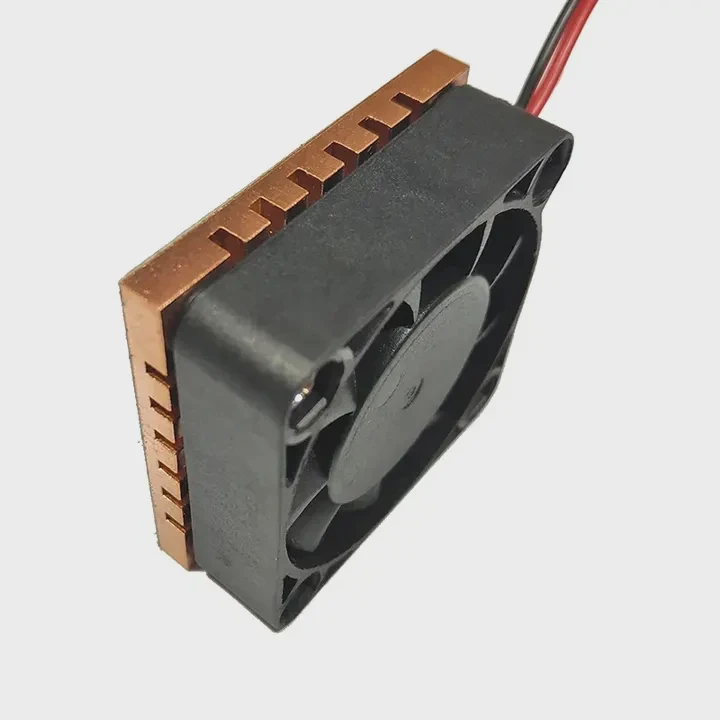
When performance meets heat, stability becomes a challenge. Many users now turn to AIO liquid coolers for an all-in-one solution.
An AIO liquid cooler combines a pump, radiator, and tubing into a single closed-loop system that removes heat efficiently from high-performance devices.
It’s built for simplicity — no need to build a custom loop, no messy refills. Just install it, power it, and let it handle the heat quietly and effectively.
What is an AIO liquid cooler?
Many systems today run hot under continuous load. Traditional air coolers often reach their limit quickly.
An AIO (All-In-One) liquid cooler is a preassembled cooling unit that uses liquid to transfer heat from the CPU or GPU to a radiator, where it is released into the air.
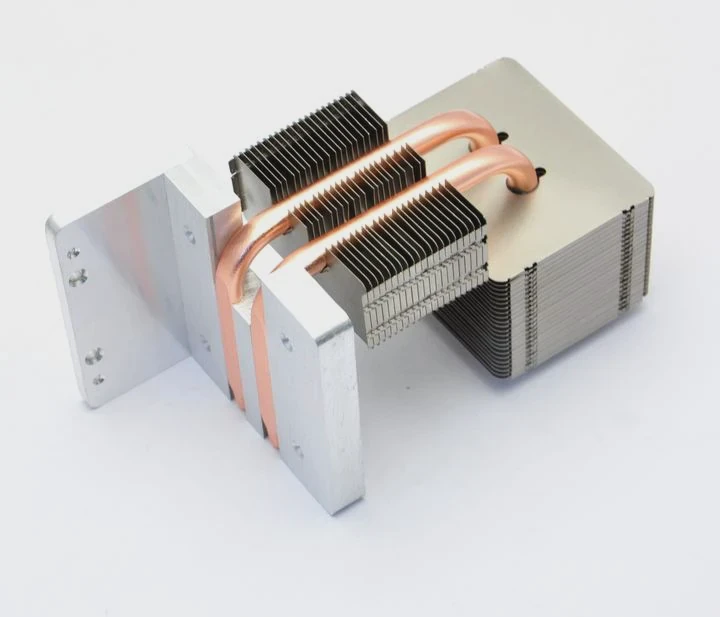
Components of an AIO cooler
An AIO cooler simplifies liquid cooling into a ready-to-use kit. It typically includes:
| Component | Description | Material |
|---|---|---|
| Pump/Block | Houses pump and cold plate, sits on CPU | Copper or nickel |
| Radiator | Releases heat into the air | Aluminum |
| Tubing | Carries coolant between parts | Rubber or nylon |
| Fans | Move air through radiator | Plastic/composite |
How it functions
The cold plate absorbs heat from the CPU. The liquid inside absorbs that heat and travels through flexible tubes to the radiator. Fans blow air across the radiator’s fins, releasing the heat into the surrounding air. The cooled liquid then returns to the block, completing the cycle.
This closed-loop design makes AIO systems easy to install, leak-resistant, and maintenance-free for years.
What are its main advantages?
When I first switched to an AIO cooler, I noticed my CPU ran cooler and quieter. Air coolers couldn’t handle high loads during long test runs.
The main advantages of an AIO cooler are higher heat transfer efficiency, low noise, compact design, and easy installation.

Key benefits
1. Excellent thermal performance
Liquid can carry more heat away from the CPU compared to air. That means better performance stability, especially for gaming or heavy computational workloads.
2. Quiet operation
Because AIO systems rely more on coolant flow than fan speed, they produce less noise, even under high load.
3. Compact and aesthetic
Without bulky heatsinks, the inside of the PC or device looks cleaner and allows for better internal airflow.
4. Easy setup
Unlike custom loops, AIOs come pre-filled and sealed, so users just mount it and plug in the pump power cable.
Quick comparison
| Feature | AIO Cooler | Air Cooler |
|---|---|---|
| Cooling Efficiency | High | Moderate |
| Noise Level | Low | High |
| Maintenance | Minimal | Minimal |
| Cost | Moderate | Low |
| Installation | Simple | Moderate |
For users who need both performance and quiet operation, AIO coolers strike a balance that’s hard to beat.
How does it circulate coolant effectively?
Poor coolant circulation can cause heat buildup. Understanding the flow mechanism helps ensure better thermal performance.
An AIO cooler circulates coolant using an integrated pump that continuously drives liquid between the cold plate and the radiator through sealed tubing.
Step-by-step circulation process
- Heat absorption: The copper base plate of the pump contacts the CPU. Heat moves into the liquid inside the cold plate chamber.
- Liquid transport: The heated liquid travels through one of the tubes toward the radiator.
- Heat dissipation: Fans blow air over the radiator fins, cooling the liquid inside.
- Return flow: The cooled liquid returns to the pump, ready to absorb more heat.
This loop runs continuously as long as the pump is powered.
Pump design and control
Modern AIO pumps use ceramic bearings or magnetic levitation designs for smooth, quiet operation. Many systems now let users adjust pump speed through BIOS or software to balance cooling and noise.
Example configuration
| Pump Type | Flow Rate | Noise Level | Lifespan |
|---|---|---|---|
| Ceramic Bearing | 80 L/h | <25 dBA | 70,000 hrs |
| Magnetic Levitation | 90 L/h | <22 dBA | 100,000 hrs |
Airflow and placement
For effective cooling:
- Place the radiator where it gets direct airflow — typically top or front of the case.
- Ensure the tubes form smooth curves, avoiding sharp bends.
- Use intake and exhaust fans to maintain a clean airflow path.
When installed correctly, the circulation stays stable, preventing hot spots and ensuring uniform temperature across the system.
What are the AIO technology trends?
Thermal management is evolving with faster processors and higher energy densities.
Modern AIO cooling trends include smarter pump control, advanced materials, and hybrid systems combining liquid, vapor, and AI-based monitoring.
Emerging trends in AIO systems
1. Smarter control algorithms
New AIOs come with sensors and software that automatically adjust pump and fan speeds based on real-time temperature data. This helps reduce noise and power use while keeping the system cool.
2. Improved materials
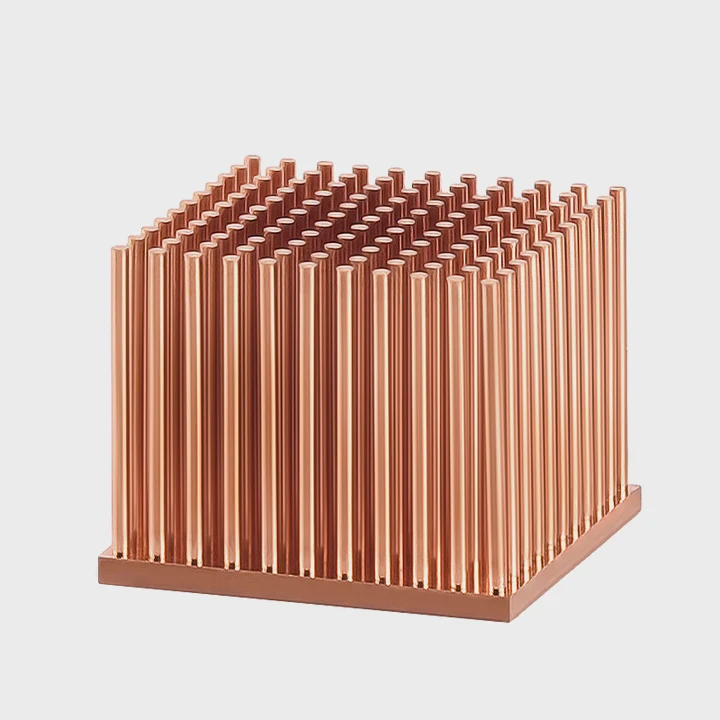
Manufacturers are now using high-density microfin copper bases, stronger nylon tubing, and better anti-evaporation seals. These materials increase durability and prevent coolant loss.
3. Integration with AI monitoring
Some advanced AIO systems now connect with system management software that predicts temperature behavior and adjusts cooling curves proactively.
4. Hybrid cooling systems
Recent designs combine vapor chamber plates with liquid loops for faster heat transfer. This hybrid approach is now seen in both consumer and industrial applications.
Future direction
In the near future, AIO systems may integrate with cloud-based diagnostic tools that monitor thermal patterns over time. For industrial or data center use, modular AIO blocks could provide both localized cooling and easy replacement.
Why it matters
Every improvement in AIO cooling extends hardware life, supports higher power density, and improves energy efficiency. As chips become smaller and more powerful, smarter and more adaptive cooling systems will become essential.
Conclusion
AIO liquid cooling combines efficiency, simplicity, and innovation in one sealed system. It keeps devices cool, quiet, and reliable without complex setup. As technology advances, smarter pumps and hybrid cooling materials will make AIO solutions even more effective for both performance enthusiasts and industrial applications.
TAGS
Latest Articles

Volume discount levels for heat sink orders?
Buyers often ask when heat sink prices start to drop with volume. Many worry they’re overpaying for small orders. This guide explains how B2B volume pricing works for thermal components. Heat sink
21 Dec,2025
Heat sink long-term supply contract options?
Many buyers want stable pricing and reliable delivery for heat sinks. But without a clear contract, risks grow over time. This article explores how to secure better long-term supply deals. Long-term
21 Dec,2025
Tooling cost for new heat sink profiles?
Many engineers struggle to understand why tooling for custom heat sinks costs so much. They worry about budgeting and production timelines. This article breaks down the cost drivers behind tooling.
21 Dec,2025
Heat sink custom sample process steps?
Sometimes, starting a custom heat sink project feels overwhelming—too many steps, too many unknowns, and too many risks. You want a sample, but not endless delays. The process for requesting and
20 Dec,2025
Standard B2B terms for heat sink payments?
When buyers and sellers in B2B heat sink markets talk about payment, many don’t fully understand what’s standard. This can lead to delayed orders, miscommunication, and even lost business
20 Dec,2025
Heat sink pricing factors for large orders?
Heat sinks are vital for many systems. When prices rise, projects stall and budgets break. This problem can hit teams hard without warning. Large order heat sink pricing depends on many factors. You
20 Dec,2025Related Articles
- How to know if your liquid cooler is working?
- What is a liquid-cooled generator?
- How to install Corsair liquid CPU cooler?
- Is BMW i3 battery liquid cooled?
- How is coolant circulated in a liquid-cooled eTorque system?
- How to know if your liquid cooling is working?
- Does i7 need liquid cooling?
- How to install NZXT liquid cooler?
- Why is glass considered a super-cooled liquid?
- What liquid is used for CPU cooling?
- How to mount a liquid cooler?
- What is better, liquid cooling or air cooling?
Author
Dr. Emily Chen
Chief AI Researcher
Leading expert in thermal dynamics and AI optimization with over 15 years of experience in data center efficiency research.
Categories
Latest Products






Recommend Categories
- Liquid cooling plate Manufacturer
- Industrial Heat Sink Manufacturer
- Standard Heat Sink Manufacturer
- Aluminum Heat Sink Manufacturer
- Copper Heat Sink Manufacturer
- Anodized Heatsink Manufacturer
- Stamping heat sink Manufacturer
- Die Casting Heatsink Manufacturer
- Soldering heat sink Manufacturer
- CNC Parts Manufacturer
Latest Products
- Wholesale Aluminum Radiator
- Water Cooling Plate Kit
- Water Cooling Heat Sink
- Water Cooling Heat Sink Kit
- Stainless Steel Water Distributor
- Server Water Cooling Plate Kit
- Server Liquid Cooling System
- Server Aluminum Cooling Kit
- S19 Full Cover Cooling Plate
- S19 Cooling Plate Kit
- S19 Aluminum Cooling Plate
Contact Expert
Have questions about this article? Reach out to our experts directly.