What liquid is used for CPU cooling?
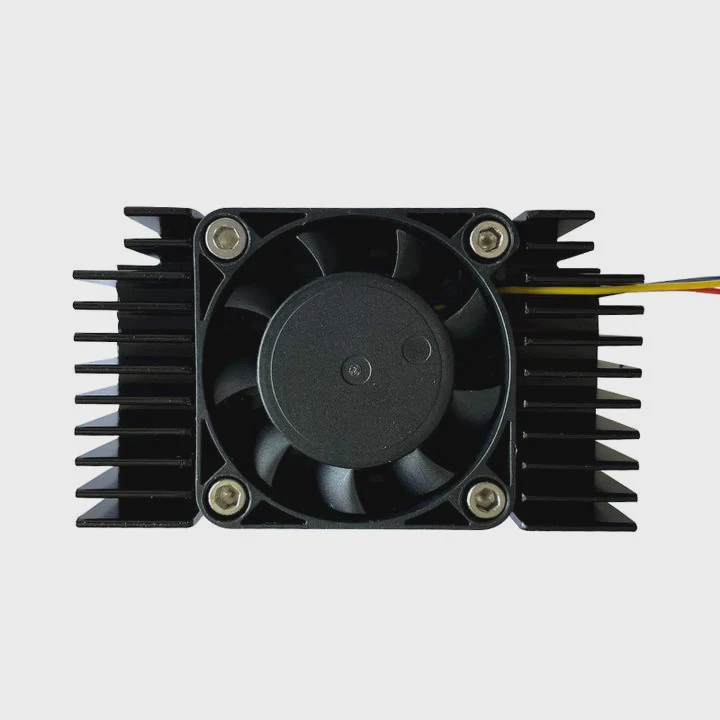
When your CPU heats up, its performance drops and stability suffers. A good cooling liquid is like the bloodstream of your computer — it moves heat away to keep everything running smoothly.
The most common liquids used for CPU cooling are distilled water, glycol-based coolants, and dielectric fluids. Each has different heat transfer and safety characteristics.
Choosing the right one depends on your cooling setup, performance goals, and maintenance habits. Let’s explore what’s inside your loop and how to pick the best liquid for your system.
What are the common types of cooling liquids?
Every liquid cooling system needs a medium that can transfer heat efficiently, remain stable over time, and avoid damaging components.
The most common CPU cooling liquids include distilled water, glycol mixtures, proprietary coolants, and dielectric fluids designed for full immersion systems.
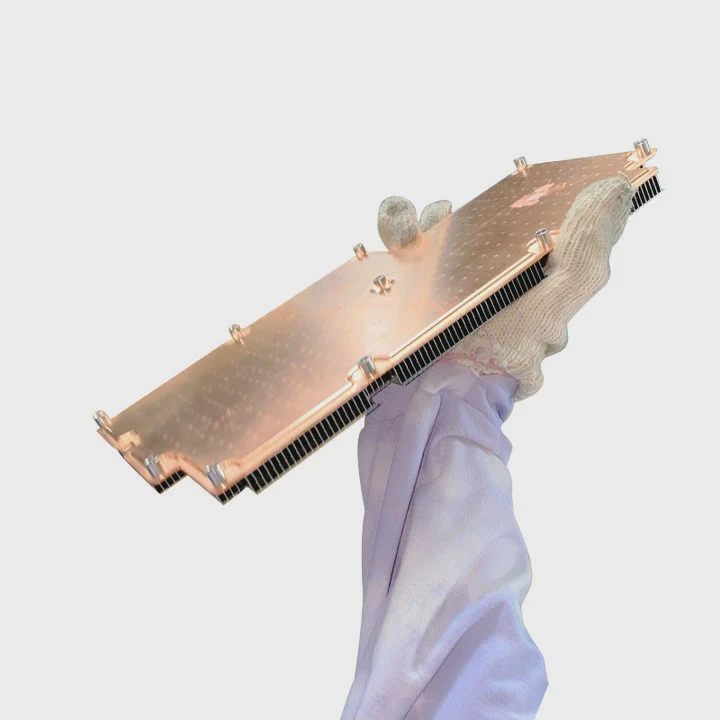
1. Distilled water
Distilled water is the simplest and most efficient cooling liquid. It has high thermal conductivity and low viscosity, allowing fast heat transfer and easy flow.
It’s cheap, effective, and widely used in custom cooling loops. However, it lacks corrosion inhibitors, so additives are needed to prevent algae growth or metal corrosion over time.
2. Glycol-based coolants
Glycol mixtures, often ethylene glycol or propylene glycol blended with water, offer better freeze and corrosion protection. They are commonly used in automotive and industrial systems but also adapted for CPUs.
They have slightly lower heat transfer efficiency than pure water, but last longer and require less maintenance.
3. Premixed coolants
Many users choose branded premixes from PC cooling manufacturers. These liquids already contain anti-corrosion, anti-foaming, and biocidal additives.
They are easy to use, come in various colors, and provide stable performance without the need for custom mixing. Examples include EK CryoFuel, Corsair HydroX, and Thermaltake C1000.
4. Dielectric fluids
Dielectric or non-conductive fluids are used in specialized setups like immersion cooling. They don’t conduct electricity, making them safe for submerging whole systems.
Although they have lower thermal conductivity compared to water, their complete electrical insulation allows extreme designs without leak risks.
| Cooling Liquid Type | Heat Transfer Efficiency | Electrical Conductivity | Maintenance Level | Common Use |
|---|---|---|---|---|
| Distilled Water | Excellent | High (needs additive) | Moderate | Custom loops |
| Glycol Mix | Good | Medium | Low | Long-term use |
| Premixed Coolant | Very Good | Low | Low | Consumer PC systems |
| Dielectric Fluid | Moderate | None | Low | Immersion cooling |
Each type has its role. Water leads in efficiency, while glycol and premixed coolants bring durability and safety.
What benefits do different liquids provide?
Choosing a cooling liquid is about balance — between performance, longevity, and protection.
Different cooling liquids offer unique benefits in heat transfer efficiency, corrosion prevention, electrical safety, and visual customization.
Thermal performance
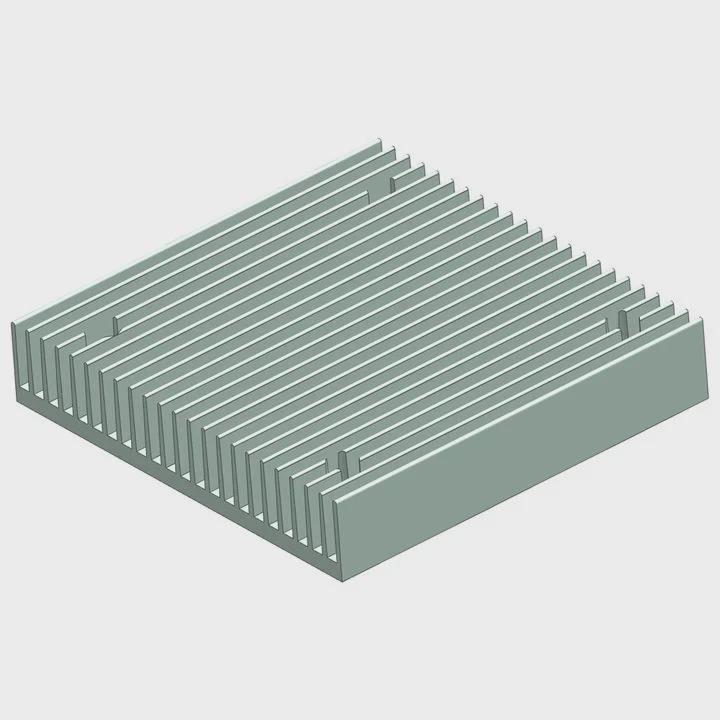
Distilled water offers the best heat conductivity, making it ideal for performance-focused systems. It absorbs and transfers heat quickly, ensuring low CPU temperatures even under stress.
However, if the system operates in variable climates or long periods without maintenance, glycol-based coolants perform better because they resist evaporation and freezing.
Corrosion and algae protection
Additives in premixed or glycol-based coolants protect metal parts inside the loop — especially aluminum or copper components.
They prevent galvanic corrosion, where two different metals react in the presence of water. Biocides stop biological growth, keeping the liquid clear and the channels unclogged.
Electrical safety
Dielectric fluids provide total electrical insulation. This feature allows designers to submerge entire computers or servers in coolant baths without risk of short circuits.
While less common for consumer PCs, immersion cooling is gaining popularity in data centers for its safety and low noise.
Aesthetic and longevity
Many modern coolants come with dyes or UV-reactive additives for visual effects. Though aesthetic, they can affect performance slightly if not maintained.
For long-term stability, clear or pastel coolants are safer choices, as they tend to leave fewer residues.
| Benefit | Distilled Water | Glycol Coolant | Premixed Coolant | Dielectric Fluid |
|---|---|---|---|---|
| Heat Transfer | ★★★★★ | ★★★★☆ | ★★★★☆ | ★★★☆☆ |
| Anti-Corrosion | ★★☆☆☆ | ★★★★☆ | ★★★★★ | ★★★☆☆ |
| Electrical Safety | ★☆☆☆☆ | ★★☆☆☆ | ★★★☆☆ | ★★★★★ |
| Maintenance | ★★★☆☆ | ★★★★☆ | ★★★★★ | ★★★★☆ |
| Longevity | ★★☆☆☆ | ★★★★☆ | ★★★★☆ | ★★★★★ |
Different users value different things — speed, safety, or simplicity. Knowing your priorities makes the decision clear.
How to choose the best one for your CPU?
Selecting the best coolant for your CPU depends on your system type, environment, and performance goals.
Choose distilled water for peak cooling performance, glycol or premix for reliability and maintenance ease, and dielectric fluids for specialized or immersion setups.
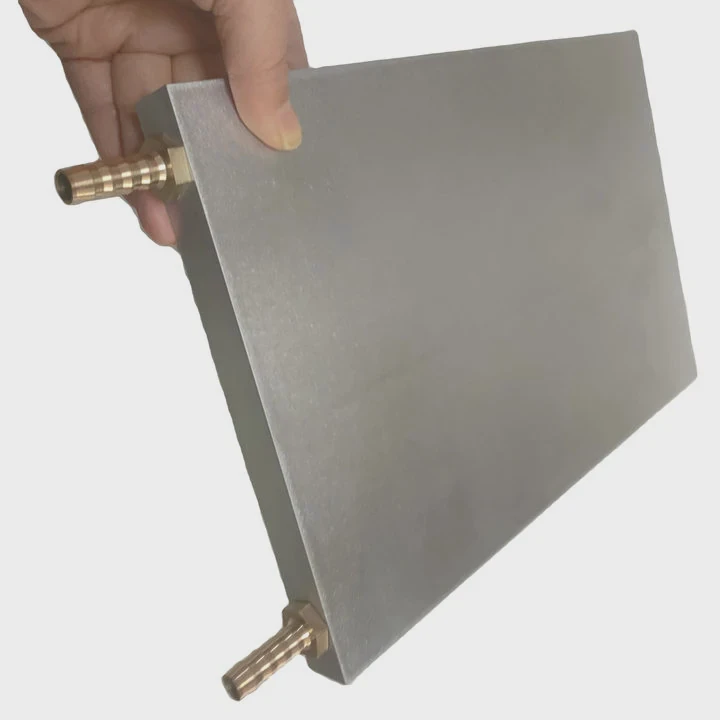
Step 1: Assess your cooling setup
If you’re building a custom loop with copper or aluminum components, distilled water with anti-corrosion additives offers top performance.
If your system runs 24⁄7 or in a hot room, a premixed or glycol-based coolant resists degradation and requires fewer refills.
Step 2: Check material compatibility
Mixing different metals like copper and aluminum can accelerate corrosion. Always match your coolant with the material in your blocks and radiators.
Manufacturers often list compatible liquids for their hardware. Using the wrong type may void warranties or cause internal buildup.
Step 3: Consider maintenance intervals
Distilled water loops need regular inspection and refills every 6–12 months. Premixed coolants can last 1–2 years depending on conditions.
If you prefer “set it and forget it,” go with a reliable premix or a sealed all-in-one (AIO) cooler that never needs refilling.
Step 4: Think about safety and environment
For home or office use, propylene glycol mixtures are safer and less toxic than ethylene glycol. They’re also more eco-friendly for disposal.
For industrial or extreme setups, non-conductive fluids prevent electrical damage even if leaks occur.
Step 5: Match aesthetics and performance
If your PC case has RGB lighting or a glass panel, you might prefer a colored coolant for appearance. Just remember — vibrant dyes may stain or leave residues over time. Clear fluids are easier to maintain.
Example: My experience choosing coolants
I once used pure distilled water in a high-load workstation. The temperature was excellent, but after six months, algae growth appeared inside the tubes.
Switching to a glycol-based premix solved it — temperatures rose only 1°C higher, but the system stayed clean for over a year. Small trade-offs often bring big convenience.
What are the trends in coolant innovation?
Cooling technology is evolving fast. Modern research combines chemistry, materials science, and sustainability goals to create smarter, safer liquids.
Trends in coolant innovation include eco-friendly formulas, nanofluid technology, smart additives, and phase-change materials for next-generation cooling systems.
Eco-friendly and biodegradable coolants
Traditional glycol mixtures are effective but harmful to the environment if spilled. The latest coolants use biodegradable, plant-based compounds that are safer and easier to dispose of.
These new formulations reduce toxicity while maintaining strong thermal performance.
Nanofluid technology
Nanofluids are liquids enhanced with microscopic particles — often metals or ceramics like aluminum oxide, copper, or graphene.
They increase thermal conductivity dramatically without raising viscosity too much.
In lab tests, nanofluids have shown up to 30% higher heat transfer efficiency than regular water-glycol mixtures, paving the way for high-density computing applications.
Smart additives and monitoring
Coolants are becoming “intelligent.” Additives now change color when contaminated or overheated, acting as visual indicators for maintenance.
Some include anti-foaming agents that adjust based on pressure or heat. Combined with sensors, these systems can self-report degradation or leaks in real time.
Phase-change and hybrid coolants
Phase-change liquids absorb large amounts of heat during vaporization, keeping temperatures stable under spikes.
Hybrid coolants mix phase-change materials with regular fluids, allowing both short-term thermal buffering and long-term heat transport.
These systems are currently being tested for next-generation CPUs and GPUs that operate at extreme power densities.
Integration with sustainable design
Manufacturers now focus on recyclable materials and closed-loop systems. Many AIO liquid coolers use sealed designs that prevent evaporation and minimize waste.
Even industrial systems are moving toward reuse of waste heat, where the coolant’s energy is repurposed for space heating or water preheating.
The future outlook
In the next decade, expect to see graphene-based fluids, self-healing additives, and AI-controlled pumps that regulate flow based on real-time CPU load.
These innovations will make cooling systems smarter, cleaner, and more efficient — moving closer to zero-maintenance thermal management.
Conclusion
The liquid you choose defines how your CPU performs and lasts. Water gives the best cooling; glycol and premix provide balance and safety; dielectric fluids bring innovation and risk-free operation.
With smarter, greener, and more advanced liquids emerging, the next generation of cooling will not only protect performance — it will help reshape how we manage heat itself.
TAGS
Latest Articles

Volume discount levels for heat sink orders?
Buyers often ask when heat sink prices start to drop with volume. Many worry they’re overpaying for small orders. This guide explains how B2B volume pricing works for thermal components. Heat sink
21 Dec,2025
Heat sink long-term supply contract options?
Many buyers want stable pricing and reliable delivery for heat sinks. But without a clear contract, risks grow over time. This article explores how to secure better long-term supply deals. Long-term
21 Dec,2025
Tooling cost for new heat sink profiles?
Many engineers struggle to understand why tooling for custom heat sinks costs so much. They worry about budgeting and production timelines. This article breaks down the cost drivers behind tooling.
21 Dec,2025
Heat sink custom sample process steps?
Sometimes, starting a custom heat sink project feels overwhelming—too many steps, too many unknowns, and too many risks. You want a sample, but not endless delays. The process for requesting and
20 Dec,2025
Standard B2B terms for heat sink payments?
When buyers and sellers in B2B heat sink markets talk about payment, many don’t fully understand what’s standard. This can lead to delayed orders, miscommunication, and even lost business
20 Dec,2025
Heat sink pricing factors for large orders?
Heat sinks are vital for many systems. When prices rise, projects stall and budgets break. This problem can hit teams hard without warning. Large order heat sink pricing depends on many factors. You
20 Dec,2025Related Articles
- Why is glass considered a super-cooled liquid?
- How to install NZXT liquid cooler?
- Does i7 need liquid cooling?
- How does AIO liquid cooling work?
- How to know if your liquid cooler is working?
- What is a liquid-cooled generator?
- How to mount a liquid cooler?
- What is better, liquid cooling or air cooling?
- What CPUs need liquid cooling?
- What does liquid cooling do?
- Is the Milwaukee 8 liquid cooled?
- What should my CPU temp be with liquid cooling?
Author
Dr. Emily Chen
Chief AI Researcher
Leading expert in thermal dynamics and AI optimization with over 15 years of experience in data center efficiency research.
Categories
Latest Products






Recommend Categories
- Liquid cooling plate Manufacturer
- Industrial Heat Sink Manufacturer
- Standard Heat Sink Manufacturer
- Aluminum Heat Sink Manufacturer
- Copper Heat Sink Manufacturer
- Anodized Heatsink Manufacturer
- Stamping heat sink Manufacturer
- Die Casting Heatsink Manufacturer
- Soldering heat sink Manufacturer
- CNC Parts Manufacturer
Latest Products
- Wholesale Aluminum Radiator
- Water Cooling Plate Kit
- Water Cooling Heat Sink
- Water Cooling Heat Sink Kit
- Stainless Steel Water Distributor
- Server Water Cooling Plate Kit
- Server Liquid Cooling System
- Server Aluminum Cooling Kit
- S19 Full Cover Cooling Plate
- S19 Cooling Plate Kit
- S19 Aluminum Cooling Plate
Contact Expert
Have questions about this article? Reach out to our experts directly.