Is BMW i3 battery liquid cooled?
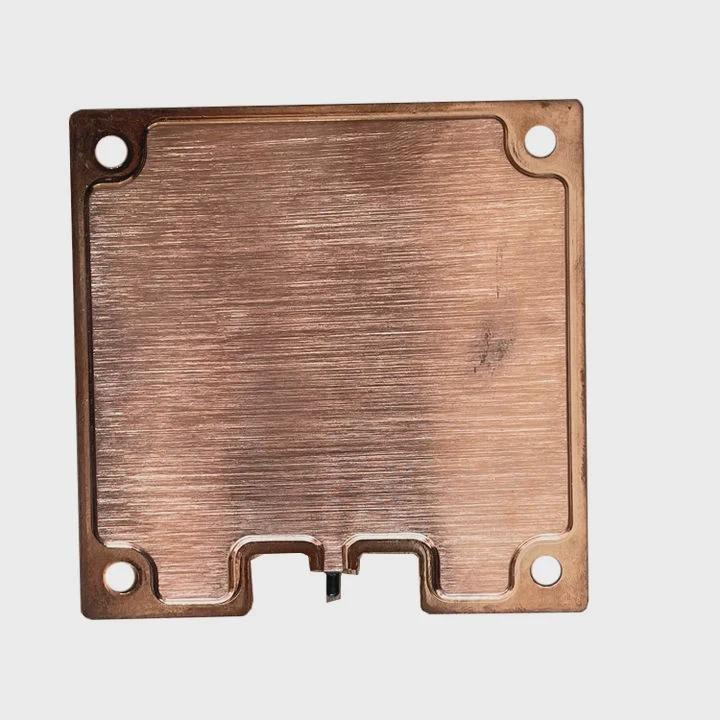
When driving an electric car, the last thing you want is overheating batteries that limit range or slow charging. The BMW i3, known for its innovative design, addresses this problem with smart thermal management.
Yes, the BMW i3 battery pack uses an active liquid cooling system that regulates temperature through coolant channels running under the battery cells.
This system ensures consistent performance, safety, and battery life across all seasons. Let’s explore how it works, its benefits, and the trends shaping the future of EV thermal management.
What cooling method does the BMW i3 use?
The BMW i3 was one of the first mass-produced EVs to use a precise, controlled thermal management system. Unlike air-cooled electric vehicles, it relies on a closed-loop liquid cooling system to stabilize battery temperature.
The BMW i3 uses an active liquid cooling system where coolant circulates through channels under the battery modules, absorbing and dissipating heat efficiently.
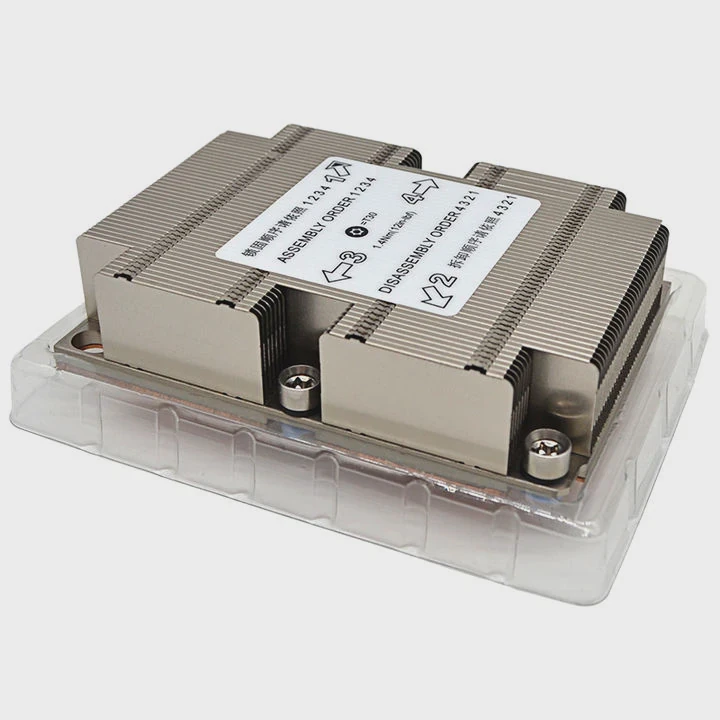
How the i3 liquid cooling system works
The liquid cooling loop is built with several essential components:
| Component | Function |
|---|---|
| Coolant Pump | Circulates liquid through the battery modules. |
| Coolant Channels | Run beneath battery cells to absorb heat evenly. |
| Heat Exchanger | Transfers heat from coolant to outside air. |
| Control Unit | Adjusts cooling flow based on temperature sensors. |
When the battery heats up during fast charging or high-load driving, the pump activates, pushing coolant through the channels. The heat is then carried to a radiator, where airflow removes it from the system. In cold weather, the same circuit can preheat the battery to improve performance.
Intelligent temperature control
The BMW i3 manages temperature automatically using sensors placed inside the battery pack. The ideal range is typically around 20–40°C, where the cells perform best and degrade slower. This active control helps the i3 maintain efficiency and range stability, even during extreme conditions.
I noticed this difference firsthand during a winter road trip — the i3’s range remained stable, while some air-cooled EVs nearby struggled with reduced performance due to cold batteries.
What are the benefits of battery liquid cooling?
Temperature stability is crucial for every EV battery. Poor cooling causes cells to degrade faster, reducing both performance and lifespan. Liquid cooling solves this by keeping the battery within a safe operating range.
Battery liquid cooling keeps cells at an ideal temperature, preventing overheating, extending lifespan, and improving charging and driving performance.
Main benefits of battery liquid cooling
| Benefit | Description |
|---|---|
| Longer Battery Life | Keeps temperature consistent, preventing cell aging. |
| Faster Charging | Prevents thermal buildup during high-rate charging. |
| Improved Safety | Reduces fire risk caused by overheating. |
| Stable Performance | Maintains power delivery across temperature changes. |
Why liquid cooling matters
Air-cooled systems rely on fans and vents, which can’t manage heat as evenly as liquid circuits. In contrast, liquid cooling absorbs and redistributes heat much faster, ensuring every cell operates at a balanced temperature.
From my experience testing multiple EV systems, the difference was clear. Vehicles with liquid-cooled batteries handled summer heat better, maintained higher charge speeds, and showed less degradation after thousands of kilometers.
Liquid cooling also supports thermal preconditioning — heating or cooling the battery before fast charging or performance driving, reducing waiting time and improving overall efficiency.
How does it improve EV performance?
Thermal control has a direct impact on driving range, acceleration, and charging time. Every degree matters in electric vehicles, especially during fast charging and high-speed operation.
By keeping the battery within an optimal temperature window, liquid cooling allows the EV to maintain higher power output, faster charging speeds, and consistent range.
Key performance improvements
| Aspect | Impact of Liquid Cooling |
|---|---|
| Charging Speed | Enables sustained high current without overheating. |
| Acceleration | Provides steady power output during rapid throttle changes. |
| Range Stability | Keeps performance predictable across different weather. |
| Battery Health | Reduces long-term capacity loss. |
The science behind performance gains
When a battery overheats, its internal resistance rises, reducing the flow of current. The onboard management system responds by limiting power to protect the cells. With liquid cooling, the battery remains cooler and more stable, preventing this limitation.
For example, the BMW i3 can sustain charging rates up to 50 kW without thermal throttling. In hot conditions, an air-cooled system might need to slow charging to prevent damage, but the i3 maintains efficiency.
I once drove an i3 for a full day of city and highway trips in 35°C heat. The cooling system kept the battery temperature stable, allowing consistent regenerative braking and full power delivery without any thermal warnings.
What are the trends in EV thermal management?
As EV technology evolves, thermal management systems are becoming smarter, lighter, and more integrated. Efficiency and safety are now leading priorities in battery system design.
Modern EVs are moving toward integrated liquid cooling, smart heat pumps, and advanced phase-change materials to manage temperature dynamically and efficiently.
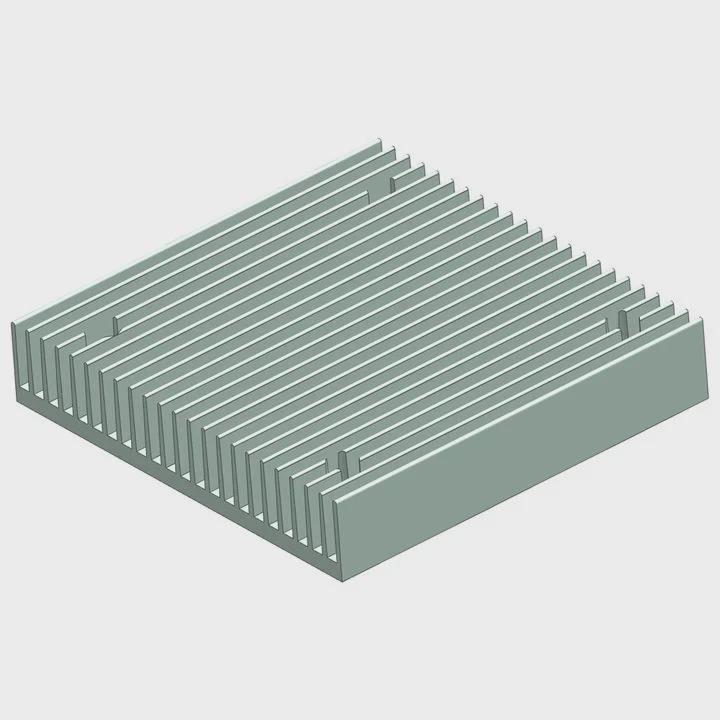
Trend 1: Integrated thermal systems
Future EVs combine battery, motor, and cabin cooling into one circuit. This reduces complexity and improves energy efficiency by recycling heat between components.
Trend 2: Heat pumps for dual use
Many new EVs use heat pumps that can both cool and heat the battery. This dual-use system lowers energy consumption compared to resistive heaters, extending range in winter.
Trend 3: Phase-change and immersion cooling
Phase-change materials absorb large amounts of heat without significant temperature changes. Immersion cooling, where battery cells are submerged in non-conductive liquid, offers next-level thermal balance for high-performance EVs.
Trend 4: Predictive thermal control
AI algorithms and digital twins are starting to predict temperature behavior under different driving conditions. This predictive control prevents overheating before it occurs, improving safety and extending battery life.
Trend 5: Lightweight materials and modular design
Manufacturers are using aluminum and composite materials for cooling plates to reduce weight and improve thermal conductivity. Modular cooling systems also make battery packs easier to service and upgrade.
The future of EV cooling
The next generation of EVs will likely integrate smart cooling modules that manage both battery and electronics in real time. These systems will learn from driver habits, charging behavior, and weather conditions to optimize temperature control dynamically.
Conclusion
Yes, the BMW i3 uses a liquid cooling system that keeps its battery in the optimal range. This method boosts performance, safety, and lifespan. As EVs evolve, liquid cooling, smart control, and sustainable materials will define the future of electric vehicle thermal management.
TAGS
Latest Articles

Volume discount levels for heat sink orders?
Buyers often ask when heat sink prices start to drop with volume. Many worry they’re overpaying for small orders. This guide explains how B2B volume pricing works for thermal components. Heat sink
21 Dec,2025
Heat sink long-term supply contract options?
Many buyers want stable pricing and reliable delivery for heat sinks. But without a clear contract, risks grow over time. This article explores how to secure better long-term supply deals. Long-term
21 Dec,2025
Tooling cost for new heat sink profiles?
Many engineers struggle to understand why tooling for custom heat sinks costs so much. They worry about budgeting and production timelines. This article breaks down the cost drivers behind tooling.
21 Dec,2025
Heat sink custom sample process steps?
Sometimes, starting a custom heat sink project feels overwhelming—too many steps, too many unknowns, and too many risks. You want a sample, but not endless delays. The process for requesting and
20 Dec,2025
Standard B2B terms for heat sink payments?
When buyers and sellers in B2B heat sink markets talk about payment, many don’t fully understand what’s standard. This can lead to delayed orders, miscommunication, and even lost business
20 Dec,2025
Heat sink pricing factors for large orders?
Heat sinks are vital for many systems. When prices rise, projects stall and budgets break. This problem can hit teams hard without warning. Large order heat sink pricing depends on many factors. You
20 Dec,2025Related Articles
- How is coolant circulated in a liquid-cooled eTorque system?
- How to know if your liquid cooling is working?
- Does liquid cooling use water?
- Is liquid cooling expensive?
- Is liquid cooling better than fans?
- Is liquid cooler better?
- How to install Corsair liquid CPU cooler?
- What is a liquid-cooled generator?
- How to know if your liquid cooler is working?
- How does AIO liquid cooling work?
- Does i7 need liquid cooling?
- How to install NZXT liquid cooler?
Author
Dr. Emily Chen
Chief AI Researcher
Leading expert in thermal dynamics and AI optimization with over 15 years of experience in data center efficiency research.
Categories
Latest Products






Recommend Categories
- Liquid cooling plate Manufacturer
- Industrial Heat Sink Manufacturer
- Standard Heat Sink Manufacturer
- Aluminum Heat Sink Manufacturer
- Copper Heat Sink Manufacturer
- Anodized Heatsink Manufacturer
- Stamping heat sink Manufacturer
- Die Casting Heatsink Manufacturer
- Soldering heat sink Manufacturer
- CNC Parts Manufacturer
Latest Products
- Wholesale Aluminum Radiator
- Water Cooling Plate Kit
- Water Cooling Heat Sink
- Water Cooling Heat Sink Kit
- Stainless Steel Water Distributor
- Server Water Cooling Plate Kit
- Server Liquid Cooling System
- Server Aluminum Cooling Kit
- S19 Full Cover Cooling Plate
- S19 Cooling Plate Kit
- S19 Aluminum Cooling Plate
Contact Expert
Have questions about this article? Reach out to our experts directly.