How does liquid metal cooling work?
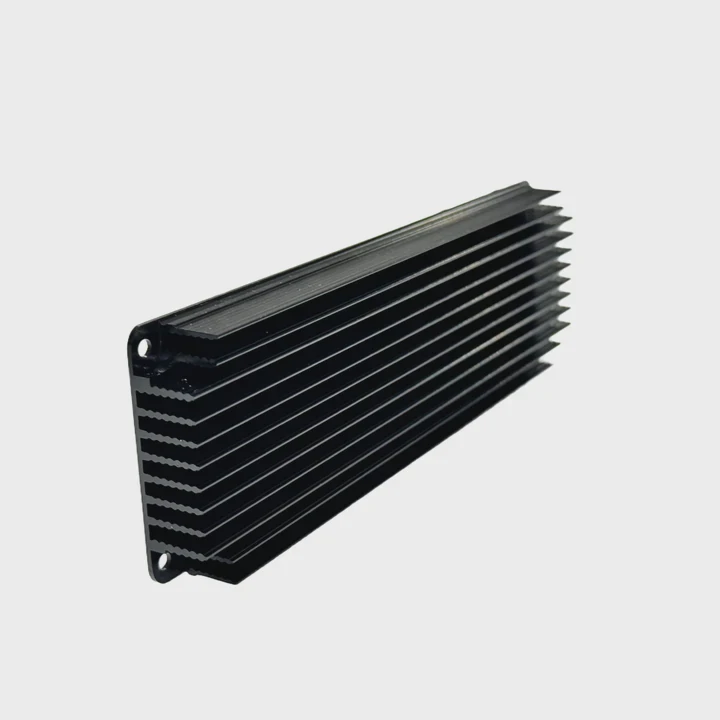
When heat becomes the main barrier to performance, liquid metal cooling rises as the most efficient thermal management method ever developed.
Liquid metal cooling works by using highly conductive metallic fluids to transfer heat faster than air, water, or oil. These metals absorb, move, and release heat rapidly, enabling compact and powerful devices to stay cool.
Understanding how this process works helps engineers design systems that balance performance, safety, and efficiency.
What is liquid metal cooling?
Excess heat limits the performance and lifespan of electronics. Traditional cooling methods like fans or water struggle to keep up with modern power densities.
Liquid metal cooling uses conductive alloys, such as gallium-based metals, that stay in a liquid state at low temperatures and can move heat far more efficiently than water.
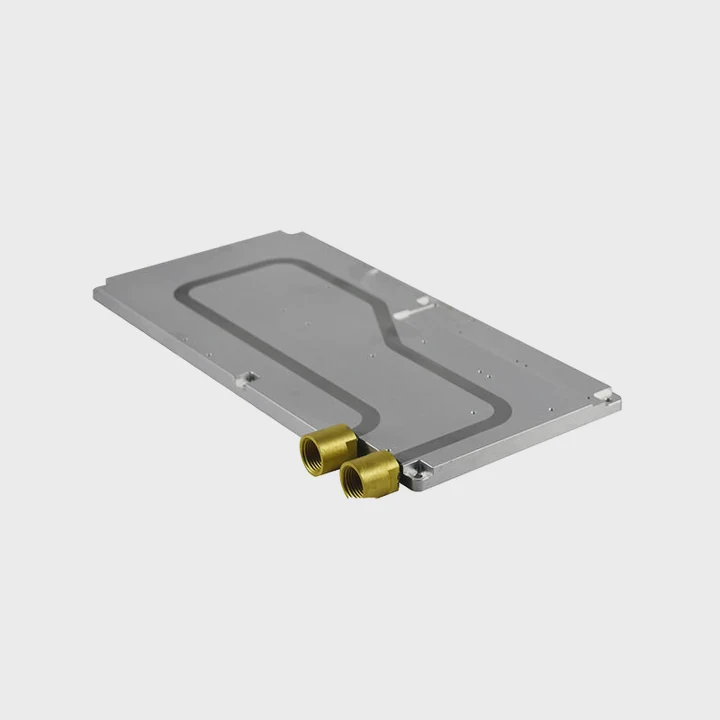
Liquid metal cooling relies on the physics of convection and conduction. When the liquid metal flows across a hot surface, it absorbs heat instantly due to its high thermal conductivity (over 20 times that of water). The heated fluid then circulates to a cooler region or a heat exchanger, where it releases the energy. This closed-loop process continues in real time.
Key properties of liquid metals
| Property | Description | Comparison |
|---|---|---|
| Thermal conductivity | Up to 40–70 W/m·K | ~25x higher than water |
| Electrical conductivity | High | Requires careful insulation |
| Density | Moderate | Heavier than water |
| Boiling point | Very high | Allows wide temperature range |
| Viscosity | Low | Enables fast flow and response |
This combination allows for minimal temperature gradients across the system. In high-performance CPUs, laser modules, or aerospace components, even small efficiency gains make a huge difference. By maintaining uniform temperatures, liquid metal reduces stress and prevents micro-cracks caused by thermal cycling.
What benefits does it offer?
Traditional cooling has physical limits. Air and water both struggle to dissipate large heat fluxes in confined areas.
Liquid metal cooling offers unmatched heat transfer efficiency, compact system design, and longer equipment lifespan across multiple industries.
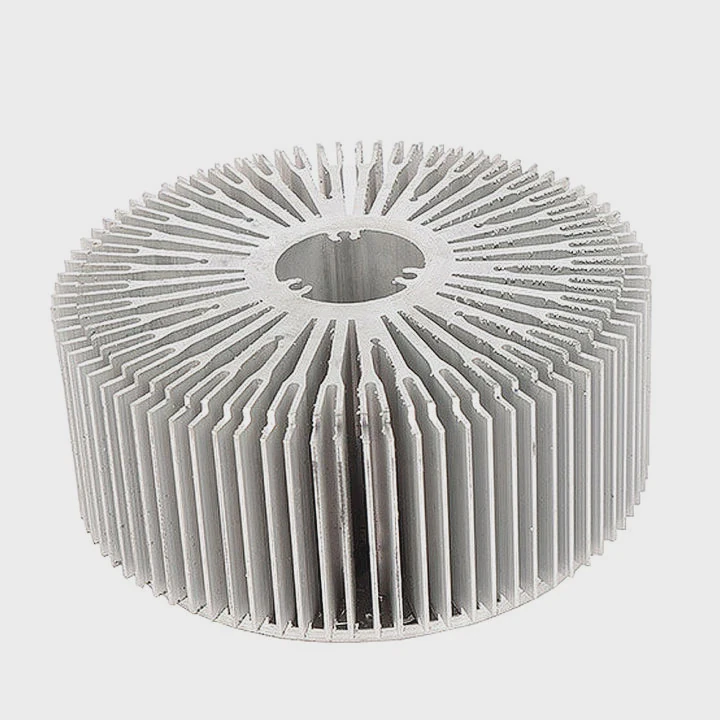
The advantages of liquid metal cooling come from both material science and system engineering. Here are some of the key benefits:
1. Extreme heat conductivity
Gallium and its alloys have thermal conductivities hundreds of times higher than typical coolants. This means faster heat removal and better stability even at high loads.
2. Compact design and weight reduction
Because liquid metal moves heat so efficiently, engineers can design smaller radiators, pumps, and channels. This helps reduce the size and weight of devices—critical for aerospace and EV applications.
3. No boiling or cavitation
Unlike water, liquid metal remains stable at very high temperatures. It does not evaporate or form bubbles, ensuring consistent performance even in extreme environments.
4. Longer lifespan and reliability
Consistent temperature control extends the life of components. It prevents thermal fatigue, solder cracking, and material degradation over time.
| Industry | Benefit | Example Application |
|---|---|---|
| Semiconductor | Stable chip temperature | CPU and GPU cooling |
| Aerospace | Lightweight systems | Avionics heat sinks |
| New energy | High reliability | EV battery modules |
| Medical | Precision control | Laser cooling systems |
These benefits make liquid metal an ideal choice for next-generation cooling systems, especially where performance, space, and durability all matter.
How to apply liquid metal safely?
Liquid metal’s power comes with responsibility. Its high conductivity and reactivity require careful handling.
To apply liquid metal safely, one must use protective coatings, non-reactive materials, and controlled environments to prevent corrosion or short circuits.
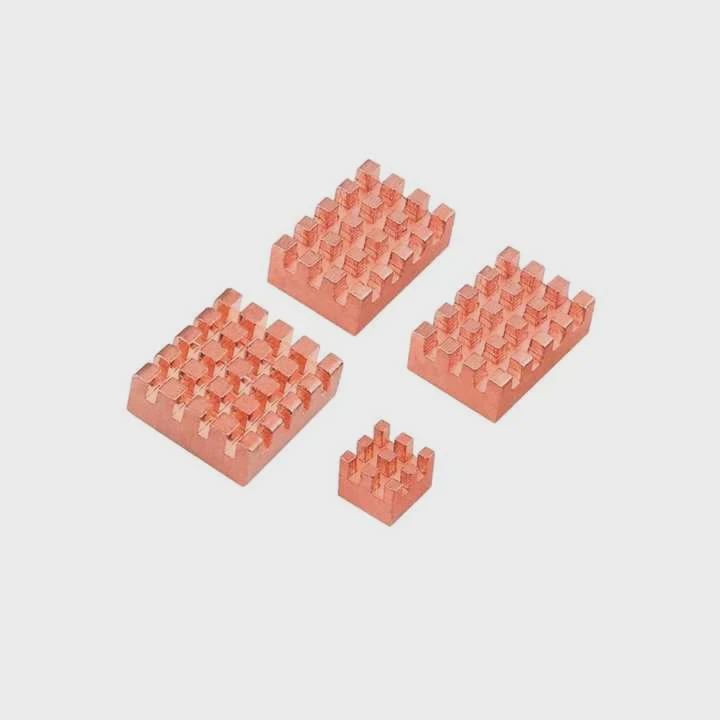
Liquid metals such as gallium can react with aluminum or copper, causing corrosion. Engineers must select materials like nickel, stainless steel, or coated surfaces for containment. In electronics, insulation layers are vital to prevent electrical contact between the coolant and circuit paths.
Safe application checklist
| Step | Action | Purpose |
|---|---|---|
| 1 | Use protective coatings | Prevent corrosion |
| 2 | Employ sealed systems | Avoid leaks and oxidation |
| 3 | Control temperature | Keep metal within safe liquid range |
| 4 | Isolate electrically | Prevent short circuits |
| 5 | Test under pressure | Ensure long-term reliability |
Common mistakes to avoid
- Mixing metals – Using aluminum or copper without protection leads to corrosion.
- Overfilling systems – Can cause pressure buildup when heated.
- Ignoring oxidation – Gallium oxidizes in air; sealing is necessary.
- Poor insulation – Leads to electrical failure or shorting.
When properly managed, liquid metal systems can operate safely for years. In industrial systems, automated monitoring and leak detection are used to maintain integrity. Applying the right engineering controls transforms liquid metal from a risk into a high-value solution.
What are the innovations in metal cooling technology?
As devices become smaller and hotter, new technologies are reshaping how liquid metal cooling is applied.
Innovations include micro-channel structures, hybrid phase-change designs, and AI-controlled thermal systems that use liquid metal to adapt in real time.
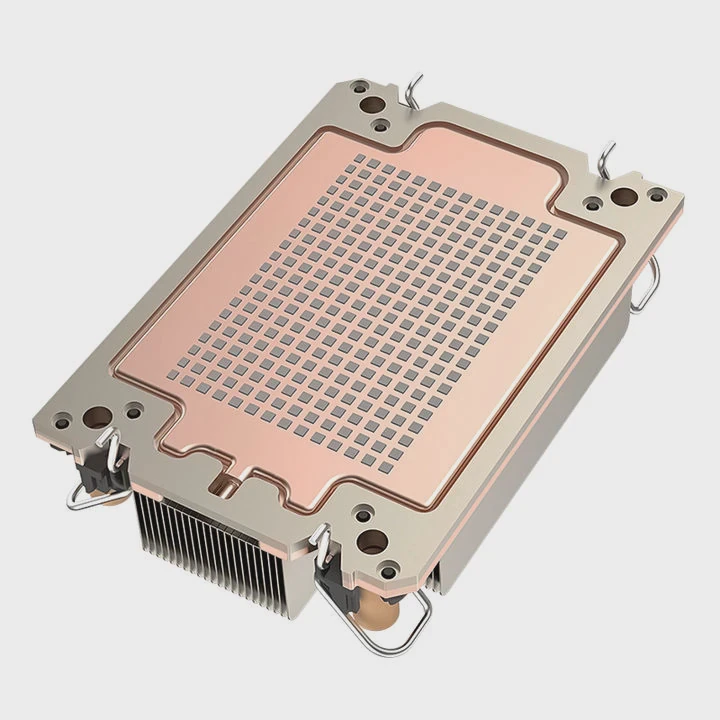
1. Micro-channel heat sinks
Micro-channel designs use ultra-thin channels etched into metal substrates. Liquid metal flows through these channels, spreading heat evenly at microscopic scales. This method is used in advanced chips and laser modules.
2. Hybrid systems
Researchers are combining liquid metal with phase change materials (PCM). The PCM absorbs peak heat loads while the liquid metal manages continuous transfer, balancing both stability and performance.
3. Additive manufacturing
3D printing allows engineers to create intricate cooling pathways directly into structural parts. This improves contact between heat sources and the liquid metal channels.
4. Smart control systems
AI-based thermal management software can monitor heat in real time and adjust flow rates or pump speeds. These systems help maintain precise temperature zones, reducing energy waste.
5. Environment-friendly alloys
Traditional gallium alloys can be expensive or reactive. New eco-friendly metal blends reduce corrosion, cost, and environmental impact without sacrificing conductivity.
Looking forward
Liquid metal cooling is moving beyond prototypes. In 2025, several aerospace and semiconductor companies have begun scaling this technology for mass production. With advances in safety coatings, 3D design, and digital control, the future of metal-based cooling looks practical and powerful.
Conclusion
Liquid metal cooling is transforming how we manage heat in the modern world. It offers speed, safety, and compactness unmatched by traditional systems, making it a cornerstone of future high-performance designs.
TAGS
Latest Articles

Volume discount levels for heat sink orders?
Buyers often ask when heat sink prices start to drop with volume. Many worry they’re overpaying for small orders. This guide explains how B2B volume pricing works for thermal components. Heat sink
21 Dec,2025
Heat sink long-term supply contract options?
Many buyers want stable pricing and reliable delivery for heat sinks. But without a clear contract, risks grow over time. This article explores how to secure better long-term supply deals. Long-term
21 Dec,2025
Tooling cost for new heat sink profiles?
Many engineers struggle to understand why tooling for custom heat sinks costs so much. They worry about budgeting and production timelines. This article breaks down the cost drivers behind tooling.
21 Dec,2025
Heat sink custom sample process steps?
Sometimes, starting a custom heat sink project feels overwhelming—too many steps, too many unknowns, and too many risks. You want a sample, but not endless delays. The process for requesting and
20 Dec,2025
Standard B2B terms for heat sink payments?
When buyers and sellers in B2B heat sink markets talk about payment, many don’t fully understand what’s standard. This can lead to delayed orders, miscommunication, and even lost business
20 Dec,2025
Heat sink pricing factors for large orders?
Heat sinks are vital for many systems. When prices rise, projects stall and budgets break. This problem can hit teams hard without warning. Large order heat sink pricing depends on many factors. You
20 Dec,2025Related Articles
- Which is better, air-cooled or liquid?
- Is liquid cooling better than fan cooling?
- How much is liquid cooling?
- What liquid does liquid cooling use?
- How Much Does a Liquid Cooling System Cost?
- Where to connect a liquid cooler pump?
- How does a CPU liquid cooler work?
- How to install liquid CPU cooling system?
- Is liquid cooling GPU worth it?
- Is liquid cooling better than air cooling Reddit?
- How to refill CPU liquid cooler?
- What is the best AIO liquid cooler?
Author
Dr. Emily Chen
Chief AI Researcher
Leading expert in thermal dynamics and AI optimization with over 15 years of experience in data center efficiency research.
Categories
Latest Products
Recommend Categories
- Liquid cooling plate Manufacturer
- Industrial Heat Sink Manufacturer
- Standard Heat Sink Manufacturer
- Aluminum Heat Sink Manufacturer
- Copper Heat Sink Manufacturer
- Anodized Heatsink Manufacturer
- Stamping heat sink Manufacturer
- Die Casting Heatsink Manufacturer
- Soldering heat sink Manufacturer
- CNC Parts Manufacturer
Latest Products
- Wholesale Aluminum Radiator
- Water Cooling Plate Kit
- Water Cooling Heat Sink
- Water Cooling Heat Sink Kit
- Stainless Steel Water Distributor
- Server Water Cooling Plate Kit
- Server Liquid Cooling System
- Server Aluminum Cooling Kit
- S19 Full Cover Cooling Plate
- S19 Cooling Plate Kit
- S19 Aluminum Cooling Plate
Contact Expert
Have questions about this article? Reach out to our experts directly.