What liquid does liquid cooling use?
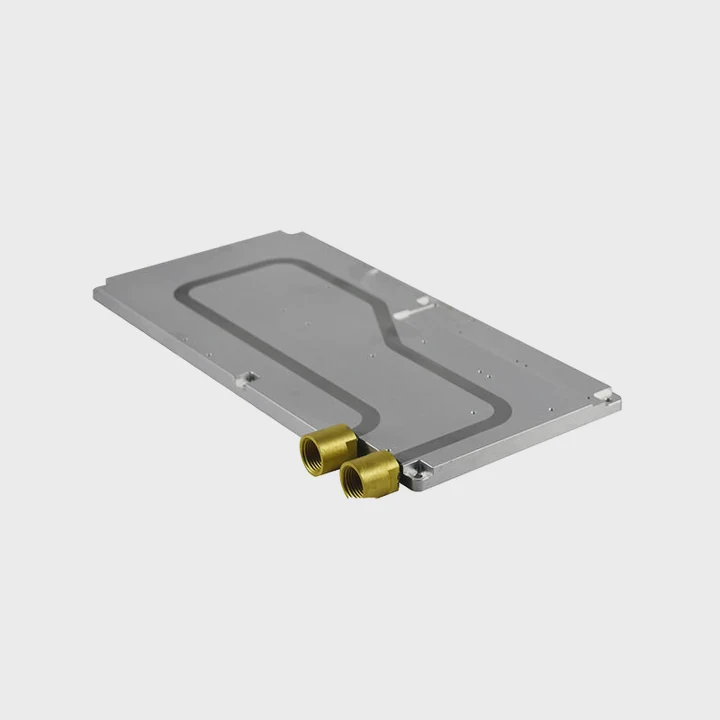
When we think about liquid cooling, most people imagine colored water flowing through tubes. But it’s more complex than that. The choice of coolant determines how well your system performs, how long it lasts, and how safe it runs.
Liquid cooling systems use specialized coolants, not pure water, to transfer heat efficiently and prevent corrosion, freezing, or microbial growth.
Coolants are engineered to provide optimal thermal conductivity while protecting metal components and seals from damage.
What types of coolants are available?
When I first started experimenting with cooling systems, I was surprised by the variety of liquids available. Each one had its own chemistry, purpose, and personality.
Common coolant types include distilled water, premixed coolants, glycol-based mixtures, dielectric fluids, and advanced nanofluids.
Overview of main coolant types
| Coolant Type | Key Ingredients | Best Use Case |
|---|---|---|
| Distilled Water | Pure water, minimal ions | Budget setups with short-term use |
| Premixed Coolant | Water, glycol, corrosion inhibitors | Standard and safe everyday use |
| Glycol-Based Coolant | Ethylene or propylene glycol blends | Systems exposed to cold environments |
| Dielectric Fluid | Synthetic non-conductive liquids | Electronics or immersion systems |
| Nanofluid | Water or glycol with nanoparticles | High-performance or industrial cooling |
Why multiple options exist
Each system runs in a unique environment. A PC or EV battery cooler faces different challenges from a high-power industrial engine. That’s why coolant choice depends not only on thermal conductivity but also on corrosion control, freezing protection, and maintenance lifespan.
What are the benefits of each liquid type?
Choosing the right coolant can feel confusing, but each has clear advantages depending on your system’s needs.
Different coolant types balance heat transfer, safety, corrosion control, and long-term reliability.
1. Distilled water – The simplest option
Distilled water is the foundation for most liquid cooling systems because it has excellent heat transfer capacity and low cost. However, it lacks corrosion inhibitors and can promote algae growth if left untreated.
Benefits:
- Best thermal conductivity (around 0.6 W/m·K)
- Cheap and widely available
- Easy to replace
Drawbacks:
- No corrosion protection
- Can cause biological buildup
- Not ideal for long-term closed systems
2. Premixed coolant – The balanced performer
Premixed coolant contains distilled water, glycol, corrosion inhibitors, and biocides. It’s the most common choice for both PC and automotive systems.
Benefits:
- Ready-to-use with balanced additives
- Long service life (1–3 years)
- Prevents rust, scale, and algae
- Available in many colors for aesthetic customization
Drawbacks:
- Slightly lower heat transfer efficiency
- May degrade if mixed with other fluids
3. Glycol-based coolant – The cold-weather protector
Glycol is ideal for systems exposed to freezing temperatures. It lowers the freezing point and raises the boiling point of the coolant mixture.
Benefits:
- Works in sub-zero environments
- Reduces boiling under high load
- Protects against corrosion and oxidation
Drawbacks:
- Lower heat transfer than pure water
- Toxic (ethylene glycol) or expensive (propylene glycol)
4. Dielectric fluid – The electronics guardian
Dielectric coolants are non-conductive liquids that can directly contact electronics without shorting them. These are used in immersion-cooled servers, EV batteries, and aerospace electronics.
Benefits:
- No electrical conductivity
- Direct immersion possible
- No corrosion or oxidation issues
Drawbacks:
- Expensive compared to glycol or water
- Lower specific heat capacity
- Harder to recycle
5. Nanofluid – The future performer
Nanofluids are experimental coolants that mix nanoparticles (like aluminum oxide or graphene) into a base liquid. They dramatically improve heat transfer while maintaining flow efficiency.
Benefits:
- Enhanced thermal conductivity (up to 40% higher)
- Stable temperature control
- Suitable for compact, high-performance systems
Drawbacks:
- Costly and harder to maintain
- Limited long-term testing data
Comparative performance chart
| Property | Distilled Water | Premixed Coolant | Glycol-Based | Dielectric Fluid | Nanofluid |
|---|---|---|---|---|---|
| Heat Transfer | Excellent | Very Good | Good | Fair | Excellent+ |
| Corrosion Protection | None | Strong | Strong | N/A | Moderate |
| Cost | Low | Medium | Medium | High | Very High |
| Maintenance | Frequent | Moderate | Low | Low | Unknown |
| Safety | High | High | Moderate | High | Experimental |
How to choose the best coolant for your system?
When I build or design a liquid-cooled setup, I always begin by asking two questions:
What is the environment? and What materials are in the system?
The best coolant depends on system temperature range, metal compatibility, maintenance cycle, and visual preferences.
Step 1: Identify temperature range
If your system operates in a controlled indoor environment (like a PC or lab test rig), distilled or premixed coolant works best.
For outdoor or automotive applications, glycol-based coolants are essential to avoid freezing and boiling risks.
| Environment | Recommended Coolant |
|---|---|
| Indoor / Stable Temperature | Distilled or Premixed Coolant |
| Outdoor / Cold Climate | Glycol-Based Coolant |
| High Power Density | Nanofluid or Performance Coolant |
| Electrical Systems | Dielectric Fluid |
Step 2: Match metal compatibility
Check what materials your components use.
- Copper + Brass Systems: Avoid aluminum-based coolants to prevent galvanic corrosion.
- Aluminum Systems: Use inhibitors with silicates or phosphates for protection.
- Mixed Metals: Always use corrosion inhibitors and avoid pure water.
Step 3: Decide visual style
If you care about aesthetics, premixed coolants with dyes and lighting effects are ideal. You can select colors that match your build—blue for cool tone, green for eco-style, or red for performance themes. For professional or industrial builds, clear coolant is often preferred for monitoring.
Step 4: Consider maintenance cycle
Coolants degrade over time due to chemical breakdown or contamination. Choose a fluid with a service interval that fits your maintenance schedule:
- Short-term (6–12 months): Distilled water or DIY mixtures
- Mid-term (1–2 years): Premixed coolants
- Long-term (3–5 years): Glycol-based or dielectric fluids
Step 5: Factor in safety and cost
If you operate near food, people, or sensitive areas, propylene glycol is safer than ethylene glycol due to its non-toxic formula.
For industrial setups, dielectric fluids reduce electrical risks even if leaks occur.
Practical example
When I designed a cooling system for a compact power converter, we used a 50⁄50 glycol-water mix with corrosion inhibitors. It ran reliably through both summer heat and winter cold without pressure fluctuation. For my personal PC, I prefer a transparent premixed coolant—it looks clean, performs well, and is easy to replace every year.
What are the latest trends in coolant chemistry?
Coolant development has advanced rapidly over the past few years. Modern research combines sustainability, nanotechnology, and smart monitoring.
The latest coolant trends include bio-based fluids, advanced inhibitors, phase-change additives, and smart self-monitoring compounds.
Trend 1: Eco-friendly formulations
Traditional coolants rely on glycols derived from petroleum. The new generation focuses on bio-based propylene glycol and glycerin alternatives. These offer similar performance while being biodegradable and less toxic to the environment.
Trend 2: Long-life hybrid inhibitors
New additives extend coolant life by forming microscopic protective layers on metal surfaces. Instead of relying on silicates or phosphates alone, hybrid formulas combine organic and inorganic compounds for better stability and reduced deposit buildup.
Trend 3: Nanoparticle enhancement
Nanoparticles like aluminum oxide (Al₂O₃), copper oxide (CuO), or carbon nanotubes are being tested to improve thermal conductivity by up to 30–50%.
They also enhance uniform temperature distribution in compact cooling channels, especially in EVs and data centers.
Trend 4: Phase-change microcapsules
This new idea embeds microcapsules of phase-change materials inside coolants. When the system temperature spikes, these capsules absorb heat by melting, then solidify again as it cools. This passive control stabilizes thermal peaks without extra hardware.
Trend 5: Self-healing additives
Some high-end coolants now contain self-healing compounds that react with exposed metal ions to reseal microscopic corrosion spots. This prevents gradual leakage and maintains efficiency over years of use.
Trend 6: Smart monitoring chemistry
Future coolant systems include sensors and dyes that change color or conductivity when chemical balance shifts. For example, a pH-sensitive dye might fade when corrosion inhibitors are depleted, alerting the user to replace the fluid.
Trend 7: Dielectric immersion expansion
In cloud computing and electric vehicle industries, dielectric fluids are becoming mainstream. They allow entire electronic assemblies to be submerged for direct heat transfer, eliminating fans and reducing noise. Companies are developing biodegradable dielectric fluids with low viscosity for easier circulation.
Comparison of modern coolant trends
| Innovation | Core Feature | Benefit |
|---|---|---|
| Bio-based Fluids | Renewable sources | Eco-friendly and safe |
| Hybrid Inhibitors | Mixed chemistry | Longer life and better metal protection |
| Nanofluids | Nanoparticle suspension | Improved heat transfer |
| Phase-Change Additives | Microcapsule absorption | Smooth temperature control |
| Self-Healing Chemistry | Reactive molecules | Prevents corrosion and leaks |
| Smart Indicators | Color or sensor-based feedback | Real-time maintenance alerts |
The road ahead
As engines, power electronics, and computing systems continue to shrink while power density rises, cooling fluids will play an even greater role. The next decade will likely see more adaptive, recyclable, and intelligent coolant systems capable of self-regulation and environmental compliance.
For anyone building or maintaining a liquid cooling system—whether it’s for an EV, a server, or a high-performance PC—the key is understanding that coolant is not just a liquid; it’s the lifeblood of your system.
Conclusion
Liquid cooling systems depend on engineered coolants that balance performance, safety, and longevity. Distilled water offers simplicity, glycol mixtures add protection, and modern nanofluids push performance limits. With advances in bio-based and smart coolant chemistry, the future of cooling is efficient, sustainable, and intelligent.
TAGS
Latest Articles

Volume discount levels for heat sink orders?
Buyers often ask when heat sink prices start to drop with volume. Many worry they’re overpaying for small orders. This guide explains how B2B volume pricing works for thermal components. Heat sink
21 Dec,2025
Heat sink long-term supply contract options?
Many buyers want stable pricing and reliable delivery for heat sinks. But without a clear contract, risks grow over time. This article explores how to secure better long-term supply deals. Long-term
21 Dec,2025
Tooling cost for new heat sink profiles?
Many engineers struggle to understand why tooling for custom heat sinks costs so much. They worry about budgeting and production timelines. This article breaks down the cost drivers behind tooling.
21 Dec,2025
Heat sink custom sample process steps?
Sometimes, starting a custom heat sink project feels overwhelming—too many steps, too many unknowns, and too many risks. You want a sample, but not endless delays. The process for requesting and
20 Dec,2025
Standard B2B terms for heat sink payments?
When buyers and sellers in B2B heat sink markets talk about payment, many don’t fully understand what’s standard. This can lead to delayed orders, miscommunication, and even lost business
20 Dec,2025
Heat sink pricing factors for large orders?
Heat sinks are vital for many systems. When prices rise, projects stall and budgets break. This problem can hit teams hard without warning. Large order heat sink pricing depends on many factors. You
20 Dec,2025Related Articles
- How Much Does a Liquid Cooling System Cost?
- Where to connect a liquid cooler pump?
- Is liquid cooling worth it Reddit?
- What does liquid cooling look like?
- How to Liquid Cool a Graphics Card?
- How to use a liquid CPU cooler?
- How much is liquid cooling?
- Is liquid cooling better than fan cooling?
- Which is better, air-cooled or liquid?
- How does liquid metal cooling work?
- How does a CPU liquid cooler work?
- How to install liquid CPU cooling system?
Author
Dr. Emily Chen
Chief AI Researcher
Leading expert in thermal dynamics and AI optimization with over 15 years of experience in data center efficiency research.
Categories
Latest Products






Recommend Categories
- Liquid cooling plate Manufacturer
- Industrial Heat Sink Manufacturer
- Standard Heat Sink Manufacturer
- Aluminum Heat Sink Manufacturer
- Copper Heat Sink Manufacturer
- Anodized Heatsink Manufacturer
- Stamping heat sink Manufacturer
- Die Casting Heatsink Manufacturer
- Soldering heat sink Manufacturer
- CNC Parts Manufacturer
Latest Products
- Wholesale Aluminum Radiator
- Water Cooling Plate Kit
- Water Cooling Heat Sink
- Water Cooling Heat Sink Kit
- Stainless Steel Water Distributor
- Server Water Cooling Plate Kit
- Server Liquid Cooling System
- Server Aluminum Cooling Kit
- S19 Full Cover Cooling Plate
- S19 Cooling Plate Kit
- S19 Aluminum Cooling Plate
Contact Expert
Have questions about this article? Reach out to our experts directly.