How much is liquid cooling?
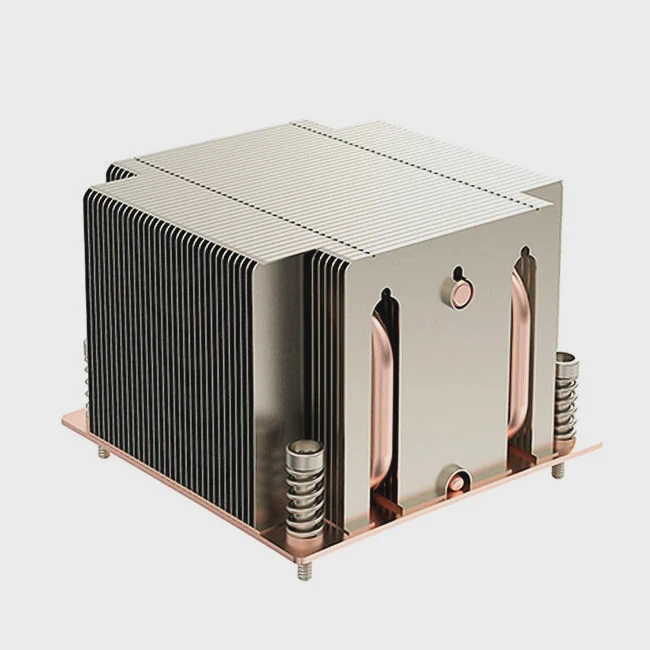
Liquid cooling can cost anywhere from \(100 to over \)1,000 depending on your system setup, components, and performance goals. The price varies widely between All-In-One (AIO) units and fully custom loops.
Liquid cooling systems typically range from \(100 for basic AIO coolers to \)800–$1,200 for custom loops designed for advanced gaming or workstation builds.
Understanding the total cost requires looking at both hardware and hidden expenses, like maintenance and coolant replacement.
What factors affect cooling cost?
The total cost of liquid cooling depends on system type, components, materials, and maintenance frequency.
Cooling costs are influenced by design type, hardware compatibility, performance goals, materials used, and installation complexity.

1. Type of cooling system
There are two main types:
- AIO (All-In-One): Pre-built, sealed systems with fixed components.
- Custom loop: Modular systems built from separate parts for maximum performance.
| Type | Average Cost | Maintenance | Use Case |
|---|---|---|---|
| AIO Cooler | \(100–\)250 | Low | Gaming PCs, compact builds |
| Custom Loop | \(500–\)1,200+ | Medium–High | Enthusiast builds, workstations |
2. Number of cooled components
Cooling both the CPU and GPU doubles the number of water blocks, fittings, and tubing needed, increasing total cost.
3. Material and brand
High-end materials like copper and nickel perform better but are more expensive. Brands like EKWB, Corsair, and Alphacool charge premium prices for performance and aesthetics.
4. System size
Larger radiators and reservoirs require more fittings and coolant, raising both material and maintenance costs.
5. Maintenance frequency
Coolant replacement, pump cleaning, and part upgrades add to long-term expenses, especially for custom systems.
Example breakdown
A typical custom loop setup might include:
| Component | Estimated Price |
|---|---|
| CPU water block | \(80–\)150 |
| GPU block | \(120–\)200 |
| Pump and reservoir | \(150–\)250 |
| Radiator and fans | \(100–\)200 |
| Tubing and fittings | \(80–\)150 |
| Coolant | \(20–\)50 |
The total can reach \(600–\)1,000, excluding tools or accessories.
What are the benefits of investing in liquid cooling?
While expensive, liquid cooling delivers powerful performance advantages that justify the cost for many users.
Investing in liquid cooling offers better temperature control, lower noise, higher efficiency, and longer component lifespan.
1. Superior cooling performance
Liquid transfers heat faster than air, keeping CPUs and GPUs cooler under heavy loads like gaming, video editing, or rendering.
2. Quieter operation
Fewer high-speed fans mean less noise. Pumps and large radiators work quietly even under stress.
3. Improved hardware lifespan
Stable temperatures reduce thermal cycling, which helps components last longer and perform consistently over time.
4. Overclocking potential
Liquid-cooled systems can safely push CPUs and GPUs beyond stock limits without overheating.
5. Aesthetic value
Custom loops add visual appeal to PCs with transparent tubing, RGB lighting, and neat layouts — a major factor in enthusiast communities.
| Benefit | Description | User Impact |
|---|---|---|
| Temperature control | Keeps system cooler | Boosts performance stability |
| Noise reduction | Operates quietly | Better work or gaming experience |
| Longevity | Reduces wear | Extends component lifespan |
| Overclocking | Enables higher speeds | Improves power efficiency |
| Visual appeal | Enhances look | Adds personalization |
Although costly, these advantages can outweigh the price if performance and reliability are priorities.
How to choose cost-effective cooling systems?
Choosing the right cooling system depends on budget, performance goals, and maintenance preferences.
To choose a cost-effective liquid cooling system, balance performance needs with ease of maintenance and total ownership cost.
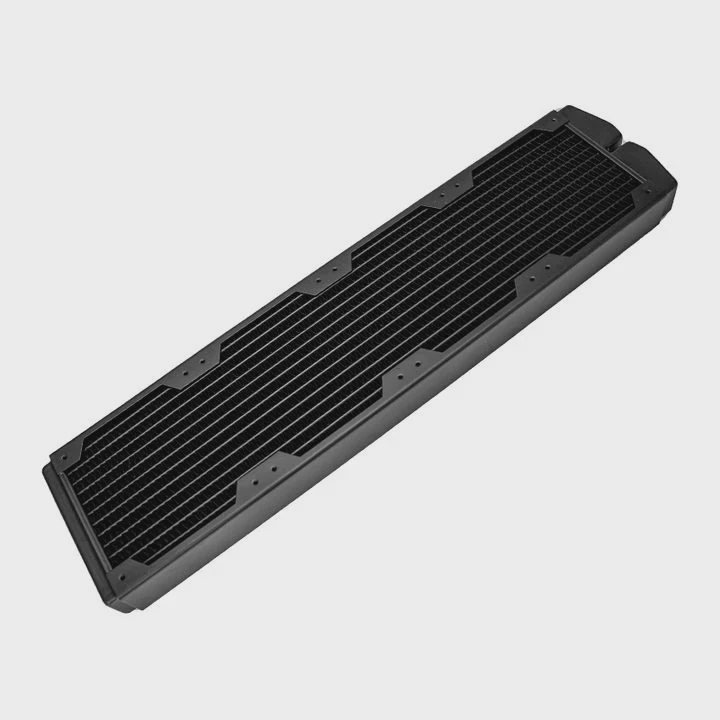
1. Define your needs
Ask yourself:
- Do you overclock your CPU or GPU?
- Do you prioritize silence or aesthetics?
- How often are you willing to maintain your system?
2. Start with AIO coolers
For most users, AIO coolers offer the best balance between performance and price. They’re easy to install, reliable, and require almost no upkeep.
3. Consider hybrid cooling
Hybrid systems combine air and liquid cooling. They use compact liquid loops for high-heat components while relying on air for the rest, keeping costs down.
4. Evaluate long-term costs
Cheap liquid coolers may have short lifespans or poor pump quality. A high-quality AIO often lasts longer and costs less to maintain.
5. Compare warranty and support
Good brands provide multi-year warranties and replacement parts. This can save hundreds in the long run.
| Cooler Type | Upfront Cost | Maintenance | Lifespan | Suitability |
|---|---|---|---|---|
| Air Cooler | Low | Very Low | 5+ years | General users |
| AIO Liquid Cooler | Medium | Low | 3–6 years | Gamers, creators |
| Custom Loop | High | High | 5–10 years | Enthusiasts |
Practical tip
If you are new to PC building, start with an AIO cooler. You can upgrade to a custom loop later as you gain experience and confidence.
What are the pricing trends in cooling technology?
The cost of liquid cooling is gradually becoming more affordable as technology advances and more brands enter the market.
Cooling technology is trending toward modular AIO designs, eco-friendly materials, and smarter control systems that reduce long-term costs.
1. Price stabilization
AIO coolers that once cost over \(200 are now available for \)100–$150 with similar performance, thanks to manufacturing efficiency and competition.
2. Better value from mid-range brands
Brands like DeepCool and Arctic now rival premium models in cooling efficiency at half the cost, reshaping price expectations.
3. Integration of smart control
New AIO systems use digital sensors and software for pump control, temperature tracking, and fan optimization — offering high-end performance at mid-range prices.
4. Material innovation
Manufacturers are developing corrosion-resistant aluminum and composite materials to reduce production costs without compromising efficiency.
5. Sustainable cooling fluids
Eco-friendly, biodegradable coolants are being introduced, cutting down long-term environmental and disposal costs.
Example: Market trend comparison
| Year | Average AIO Price | Average Custom Loop Cost | Key Development |
|---|---|---|---|
| 2015 | $200 | $900 | Limited brand options |
| 2020 | $150 | $750 | More modular designs |
| 2025 | $120 | $650 | Smart pumps, better materials |
Overall, users today get more performance for less money. Price reductions, longer lifespans, and smarter designs make liquid cooling more accessible than ever before.
Conclusion
Liquid cooling costs have dropped while efficiency and reliability have improved. With AIO systems offering great performance at lower prices, investing in liquid cooling is now more practical for gamers, creators, and professionals who want quiet, powerful thermal solutions.
TAGS
Latest Articles

Volume discount levels for heat sink orders?
Buyers often ask when heat sink prices start to drop with volume. Many worry they’re overpaying for small orders. This guide explains how B2B volume pricing works for thermal components. Heat sink
21 Dec,2025
Heat sink long-term supply contract options?
Many buyers want stable pricing and reliable delivery for heat sinks. But without a clear contract, risks grow over time. This article explores how to secure better long-term supply deals. Long-term
21 Dec,2025
Tooling cost for new heat sink profiles?
Many engineers struggle to understand why tooling for custom heat sinks costs so much. They worry about budgeting and production timelines. This article breaks down the cost drivers behind tooling.
21 Dec,2025
Heat sink custom sample process steps?
Sometimes, starting a custom heat sink project feels overwhelming—too many steps, too many unknowns, and too many risks. You want a sample, but not endless delays. The process for requesting and
20 Dec,2025
Standard B2B terms for heat sink payments?
When buyers and sellers in B2B heat sink markets talk about payment, many don’t fully understand what’s standard. This can lead to delayed orders, miscommunication, and even lost business
20 Dec,2025
Heat sink pricing factors for large orders?
Heat sinks are vital for many systems. When prices rise, projects stall and budgets break. This problem can hit teams hard without warning. Large order heat sink pricing depends on many factors. You
20 Dec,2025Related Articles
- What liquid does liquid cooling use?
- How Much Does a Liquid Cooling System Cost?
- Where to connect a liquid cooler pump?
- Is liquid cooling worth it Reddit?
- What does liquid cooling look like?
- How to Liquid Cool a Graphics Card?
- Is liquid cooling better than fan cooling?
- Which is better, air-cooled or liquid?
- How does liquid metal cooling work?
- How does a CPU liquid cooler work?
- How to install liquid CPU cooling system?
- Is liquid cooling GPU worth it?
Author
Dr. Emily Chen
Chief AI Researcher
Leading expert in thermal dynamics and AI optimization with over 15 years of experience in data center efficiency research.
Categories
Latest Products






Recommend Categories
- Liquid cooling plate Manufacturer
- Industrial Heat Sink Manufacturer
- Standard Heat Sink Manufacturer
- Aluminum Heat Sink Manufacturer
- Copper Heat Sink Manufacturer
- Anodized Heatsink Manufacturer
- Stamping heat sink Manufacturer
- Die Casting Heatsink Manufacturer
- Soldering heat sink Manufacturer
- CNC Parts Manufacturer
Latest Products
- Wholesale Aluminum Radiator
- Water Cooling Plate Kit
- Water Cooling Heat Sink
- Water Cooling Heat Sink Kit
- Stainless Steel Water Distributor
- Server Water Cooling Plate Kit
- Server Liquid Cooling System
- Server Aluminum Cooling Kit
- S19 Full Cover Cooling Plate
- S19 Cooling Plate Kit
- S19 Aluminum Cooling Plate
Contact Expert
Have questions about this article? Reach out to our experts directly.