How Much Does a Liquid Cooling System Cost?
Building or upgrading a PC often comes with one big question: how much should you spend on cooling? The answer depends on performance goals and personal preference.
A liquid cooling system can cost anywhere from \(80 for basic AIO coolers to over \)800 for high-end custom loops, depending on components, materials, and design complexity.
Understanding the full cost helps users plan smarter and avoid unnecessary expenses while achieving the right cooling efficiency for their system.
What Factors Affect Cooling System Cost?
Not all cooling setups are the same. The price can vary based on materials, design, and features. Knowing what drives cost differences helps make better purchasing decisions.
The main factors affecting cooling system cost are component type, build quality, radiator size, pump design, brand reputation, and additional aesthetic or control features.
Key Cost Factors Breakdown
| Factor | Description | Cost Impact |
|---|---|---|
| Type of System | AIO or custom loop | High |
| Radiator Size | Larger radiators cost more but offer better cooling | Medium |
| Pump Quality | Premium pumps improve reliability and flow rate | High |
| Material Used | Copper and nickel are pricier than aluminum | Medium |
| Aesthetics | RGB lighting and display screens add to price | Low |
| Brand Reputation | Well-known brands charge more for warranty and support | Medium |
AIO vs. Custom Loop Cost Comparison
AIO (All-in-One): \(80–\)300
Includes pump, radiator, tubing, and fans in a sealed unit.
Low maintenance, easy installation.Custom Loop: \(400–\)1,000+
Requires separate purchase of blocks, pumps, reservoirs, and radiators.
Offers maximum performance and flexibility but demands skill and upkeep.
For most users, a high-quality AIO cooler offers excellent value without needing the complexity of a custom setup.
What Are the Benefits of Higher-End Cooling Systems?
At first glance, premium cooling systems may seem too expensive. But the performance difference can justify the price, especially for professionals and overclockers.
Higher-end liquid cooling systems provide superior heat dissipation, quieter operation, longer lifespan, and more precise temperature control under extreme workloads.
Performance Advantages of Premium Systems
- Better Thermal Stability: Advanced pumps and large radiators keep temperature fluctuations minimal, even during peak loads.
- Reduced Noise: High-end systems use optimized fan curves and magnetic levitation fans for near-silent performance.
- Durability: Premium systems are built from corrosion-resistant metals and reinforced tubing for long-term reliability.
- Overclocking Capability: Efficient cooling allows CPUs and GPUs to run at higher voltages safely.
- Aesthetic Appeal: Custom RGB lighting and neat tubing designs enhance the visual quality of the build.
| Feature | Standard System | Premium System |
|---|---|---|
| Cooling Efficiency | Good | Excellent |
| Noise Level | Moderate | Very Low |
| Material Quality | Aluminum | Copper / Nickel |
| Expected Lifespan | 3–5 years | 6–10 years |
| Maintenance | Low | Moderate |
High-end cooling is an investment in performance and longevity. For power users, it ensures consistent results with less thermal stress over time.
How to Plan a Cooling Budget Effectively?
Planning a cooling budget requires balance. Spending too little can limit performance, while overspending can waste money on unnecessary features.
To plan a cooling budget effectively, set clear performance goals, match them to your CPU or GPU power level, and allocate 10–15% of your total PC budget for cooling.
Step-by-Step Budget Planning
Define Your Use Case:
- Gaming PC: Focus on quiet operation and aesthetic appeal.
- Workstation PC: Prioritize reliability and sustained performance.
- Gaming PC: Focus on quiet operation and aesthetic appeal.
Determine Thermal Demand:
Check TDP (Thermal Design Power) of CPU and GPU. Higher TDP requires more radiator surface area or dual loops.Choose Cooling Type Based on Budget:
- Entry-Level: AIO 120mm–240mm → \(80–\)150
- Mid-Range: AIO 280mm–360mm → \(150–\)300
- High-End Custom Loop: \(500–\)1,000+
- Entry-Level: AIO 120mm–240mm → \(80–\)150
Consider Future Upgrades:
Investing in a modular setup can save money when upgrading hardware later.Avoid Overbuying:
For non-overclocked CPUs, a mid-range AIO cooler performs nearly as well as some custom systems.
Example Budget Allocation
| PC Build Tier | Total Build Cost | Cooling Budget (10–15%) | Recommended Cooling Type |
|---|---|---|---|
| Entry | $800 | \(80–\)120 | 120mm–240mm AIO |
| Mid | $1,500 | \(150–\)225 | 280mm–360mm AIO |
| High-End | $3,000+ | \(300–\)600+ | Custom Loop |
Budgeting strategically ensures that cooling enhances performance rather than just adding cost.
What Are the Pricing Trends in PC Cooling?
PC cooling technology keeps evolving. With better materials and automation, prices have become more accessible, while premium products continue to offer advanced features.
The latest trends in PC cooling pricing show stable entry-level costs, moderate reductions in AIO prices, and rising demand for high-end modular custom systems.
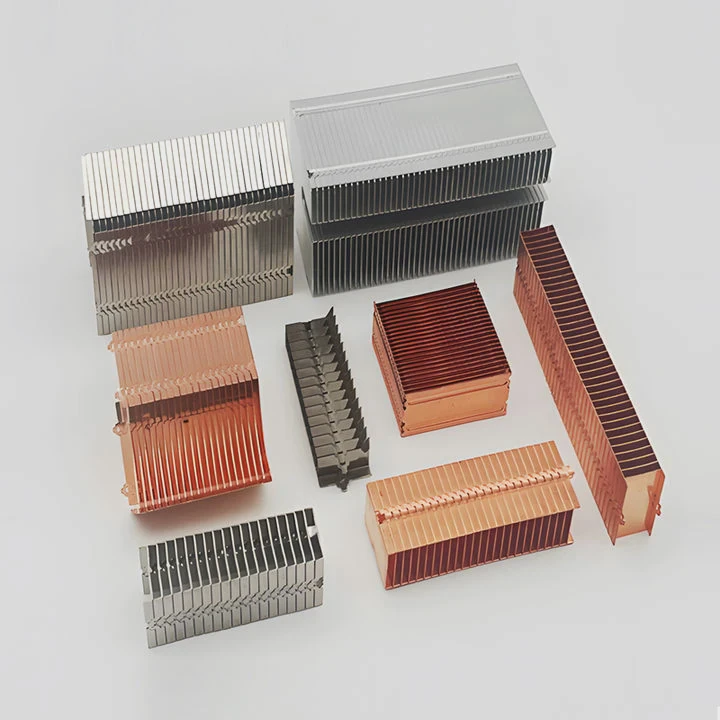
Key Market Trends
1. Affordable Entry-Level AIOs
Manufacturers are offering budget-friendly 240mm AIOs that deliver near-premium cooling for under $120. This makes liquid cooling more accessible to average users.
2. Decline in Custom Loop Component Prices
Advancements in CNC manufacturing and aluminum production have reduced costs for reservoirs and water blocks, though top-end copper and nickel versions remain expensive.
3. Rise of Hybrid Cooling
Hybrid systems combining air and liquid cooling are emerging for compact builds, offering high performance without custom-loop complexity.
4. Smart Cooling Integration
The newest AIOs now include AI-based controllers that adjust cooling profiles automatically. These smart systems slightly increase cost but improve long-term efficiency.
5. Shift Toward Eco-Friendly Coolants
Environmentally safe, non-conductive fluids are becoming standard, adding minor cost but increasing safety and sustainability.
The Market Outlook
The PC cooling market continues to expand as gaming, AI, and content creation demand higher processing power. Prices for entry-level solutions remain stable, but customization and innovation are driving growth in the premium segment.
Conclusion
Liquid cooling prices depend on your needs and expectations. From affordable AIOs to advanced custom systems, every option offers a balance of performance and cost. With smart budgeting and awareness of market trends, users can find the perfect cooling setup for their build.
TAGS
Latest Articles

Volume discount levels for heat sink orders?
Buyers often ask when heat sink prices start to drop with volume. Many worry they’re overpaying for small orders. This guide explains how B2B volume pricing works for thermal components. Heat sink
21 Dec,2025
Heat sink long-term supply contract options?
Many buyers want stable pricing and reliable delivery for heat sinks. But without a clear contract, risks grow over time. This article explores how to secure better long-term supply deals. Long-term
21 Dec,2025
Tooling cost for new heat sink profiles?
Many engineers struggle to understand why tooling for custom heat sinks costs so much. They worry about budgeting and production timelines. This article breaks down the cost drivers behind tooling.
21 Dec,2025
Heat sink custom sample process steps?
Sometimes, starting a custom heat sink project feels overwhelming—too many steps, too many unknowns, and too many risks. You want a sample, but not endless delays. The process for requesting and
20 Dec,2025
Standard B2B terms for heat sink payments?
When buyers and sellers in B2B heat sink markets talk about payment, many don’t fully understand what’s standard. This can lead to delayed orders, miscommunication, and even lost business
20 Dec,2025
Heat sink pricing factors for large orders?
Heat sinks are vital for many systems. When prices rise, projects stall and budgets break. This problem can hit teams hard without warning. Large order heat sink pricing depends on many factors. You
20 Dec,2025Related Articles
- Where to connect a liquid cooler pump?
- Is liquid cooling worth it Reddit?
- What does liquid cooling look like?
- How to Liquid Cool a Graphics Card?
- How to use a liquid CPU cooler?
- What liquid is used in immersion cooling?
- What liquid does liquid cooling use?
- How much is liquid cooling?
- Is liquid cooling better than fan cooling?
- Which is better, air-cooled or liquid?
- How does liquid metal cooling work?
- How does a CPU liquid cooler work?
Author
Dr. Emily Chen
Chief AI Researcher
Leading expert in thermal dynamics and AI optimization with over 15 years of experience in data center efficiency research.
Categories
Latest Products






Recommend Categories
- Liquid cooling plate Manufacturer
- Industrial Heat Sink Manufacturer
- Standard Heat Sink Manufacturer
- Aluminum Heat Sink Manufacturer
- Copper Heat Sink Manufacturer
- Anodized Heatsink Manufacturer
- Stamping heat sink Manufacturer
- Die Casting Heatsink Manufacturer
- Soldering heat sink Manufacturer
- CNC Parts Manufacturer
Latest Products
- Wholesale Aluminum Radiator
- Water Cooling Plate Kit
- Water Cooling Heat Sink
- Water Cooling Heat Sink Kit
- Stainless Steel Water Distributor
- Server Water Cooling Plate Kit
- Server Liquid Cooling System
- Server Aluminum Cooling Kit
- S19 Full Cover Cooling Plate
- S19 Cooling Plate Kit
- S19 Aluminum Cooling Plate
Contact Expert
Have questions about this article? Reach out to our experts directly.