Is 240mm liquid cooling enough?
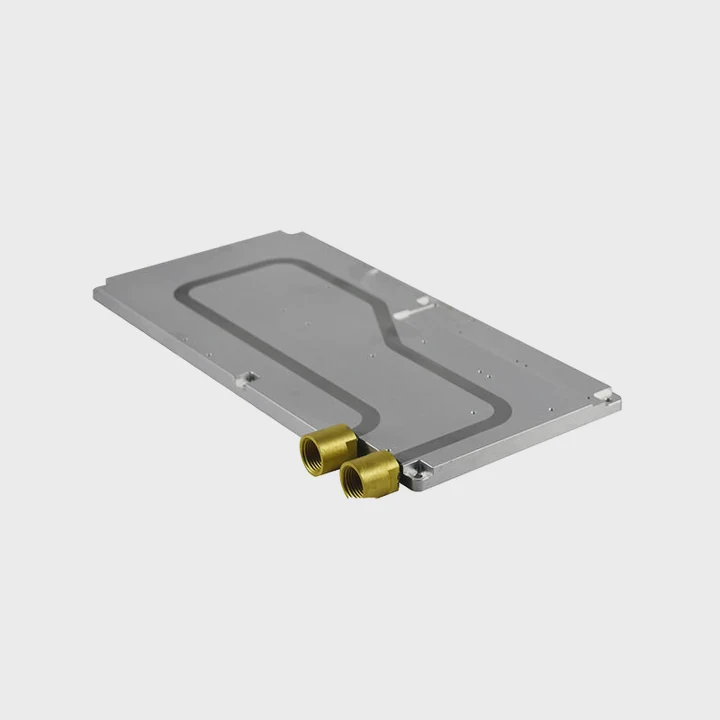
When choosing a CPU cooler, one of the most common questions is about size. Many users wonder if a 240mm liquid cooler can handle modern high-performance CPUs without overheating or throttling.
A 240mm liquid cooler is enough for most CPUs, offering a balance of cooling performance, noise reduction, and compatibility for mid-to-high-end systems.
In this article, I’ll explain what a 240mm cooling system is, its strengths and limits, how to know if it suits your processor, and what the latest trends in radiator sizes reveal about the future of cooling.
What is a 240mm cooling system?
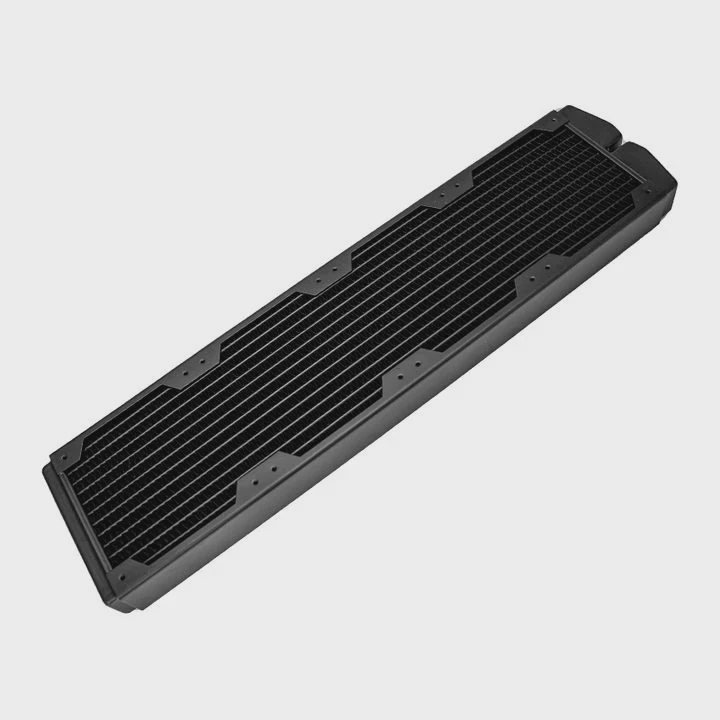
A 240mm liquid cooling system refers to an all-in-one (AIO) cooler with a radiator that measures 240mm in length, typically housing two 120mm fans side by side.
A 240mm liquid cooler uses a dual-fan radiator to dissipate CPU heat efficiently, offering strong cooling performance in a compact form factor.
1. Key components of a 240mm liquid cooler
| Component | Function | Typical Size |
|---|---|---|
| Radiator | Releases heat into the air | 240mm x 120mm |
| Fans | Move air across radiator fins | 120mm each |
| Water Block | Absorbs CPU heat | Copper base |
| Pump | Circulates coolant | Integrated in block |
| Tubes | Transfer coolant | Flexible rubber or nylon |
2. How it works
The system draws heat from the CPU via a copper block and transfers it to the coolant. The heated coolant flows through tubes to the radiator, where two fans push or pull air across metal fins. This releases heat efficiently before the coolant returns to the CPU block to repeat the cycle.
3. Common applications
240mm AIO coolers are widely used for:
- Gaming PCs
- Workstations
- Compact high-performance builds (ATX or mATX)
They strike a good balance between performance and ease of installation.
4. Compatibility
Most mid-tower and full-tower PC cases support 240mm radiators, usually mounted at the front or top of the case. Mini-ITX cases may require smaller 120mm or 140mm coolers due to space limits.
What are its benefits and limits?
A 240mm cooler provides strong cooling for most CPUs, but it’s not perfect. Understanding its strengths and limits helps you decide whether it’s the right fit for your build.
A 240mm liquid cooler offers excellent cooling efficiency, low noise, and wide compatibility, but struggles with extreme overclocking or top-tier CPUs under heavy loads.
Benefits
1. Strong cooling performance
A 240mm radiator has enough surface area to handle CPUs up to around 200W TDP. This includes most Intel Core i9 or AMD Ryzen 9 chips at stock or lightly overclocked settings.
2. Quiet operation
The dual 120mm fans can spin slower than smaller radiators, maintaining efficient cooling with less noise.
3. Compact design
Compared to 280mm or 360mm radiators, a 240mm cooler fits in most PC cases and doesn’t block major components.
4. Easy installation
It offers a simple plug-and-play setup for beginners. Most come pre-filled and require minimal maintenance.
5. Great value
240mm AIOs usually offer the best cost-to-performance ratio among all liquid cooler sizes.
| Benefit | Description | Result |
|---|---|---|
| Cooling Power | Handles 150–200W CPUs | Ideal for gaming/workstations |
| Noise Level | Large fans, slower RPM | Quiet operation |
| Compatibility | Fits most cases | Flexible mounting options |
| Value | Mid-range price | Best performance per dollar |
Limits
1. Limited headroom for extreme CPUs
High-end processors like Intel i9-13900K or Ryzen 9 7950X under full load or overclocking can generate over 250W heat, pushing 240mm coolers to their limits.
2. Heat saturation under long workloads
During extended rendering or encoding, the coolant may reach higher equilibrium temperatures, reducing efficiency over time.
3. Ambient temperature sensitivity
Since the radiator relies on surrounding air, hot room conditions reduce cooling performance.
4. Noise from high fan RPMs
To handle heavy workloads, the fans may ramp up to higher speeds, increasing noise slightly compared to larger radiators.
5. Limited future upgradability
If you plan future CPU upgrades with higher TDP, a 280mm or 360mm radiator provides more headroom.
Example comparison
| Radiator Size | Fan Count | Cooling Performance | Ideal For |
|---|---|---|---|
| 120mm | 1 | Basic cooling | Budget builds |
| 240mm | 2 | Strong balance | Gaming / creative work |
| 280mm | 2 (140mm fans) | High cooling | Overclockers |
| 360mm | 3 | Maximum cooling | Enthusiast builds |
How to know if it suits your CPU?
Choosing the right cooler depends on your CPU’s heat output, your case size, and your performance goals.
A 240mm cooler suits most CPUs with TDPs up to 200W, making it ideal for mid-to-high-end processors that are not heavily overclocked.
1. Check CPU TDP rating
Every CPU has a thermal design power (TDP) — the maximum heat it produces under typical conditions. Compare this to the rated cooling capacity of your cooler.
| CPU Model | TDP (Watts) | Cooling Recommendation |
|---|---|---|
| Intel i5 / Ryzen 5 | 65–105W | 120mm or 240mm |
| Intel i7 / Ryzen 7 | 105–125W | 240mm or 280mm |
| Intel i9 / Ryzen 9 | 125–170W | 240mm (stock) or 360mm (OC) |
If your CPU is above 200W or you plan to overclock, a 280mm or 360mm cooler provides more thermal headroom.
2. Case compatibility
Check your case’s radiator support. Most ATX and mid-tower cases support 240mm at the front or top, but some smaller cases may only allow 120mm radiators.
3. Workload type
- Gaming: 240mm is ideal.
- Video editing or rendering: 240mm is good but may get warm under sustained load.
- Overclocking: Consider 280mm or 360mm.
4. Ambient environment
If you live in a warm climate or your PC sits in a poorly ventilated room, larger radiators perform better.
5. Fan and pump quality
High-quality fans and pumps improve performance even on smaller radiators. Brands like Corsair, Arctic, NZXT, Cooler Master, and DeepCool produce efficient 240mm AIOs that rival larger ones.
6. Real-world test example
On an AMD Ryzen 9 5900X, a 240mm cooler keeps load temperatures around 65–70°C. For the same chip with a 360mm cooler, temps drop by only 3–5°C — proving 240mm is sufficient for most scenarios.
What are the trends in radiator sizes?
As CPUs get more powerful, cooler design is evolving to handle higher heat output while maintaining quiet operation and compact form.
Radiator size trends are shifting toward modular, high-density, and AI-optimized systems that balance cooling capacity with noise and case space.
1. High-density fin designs
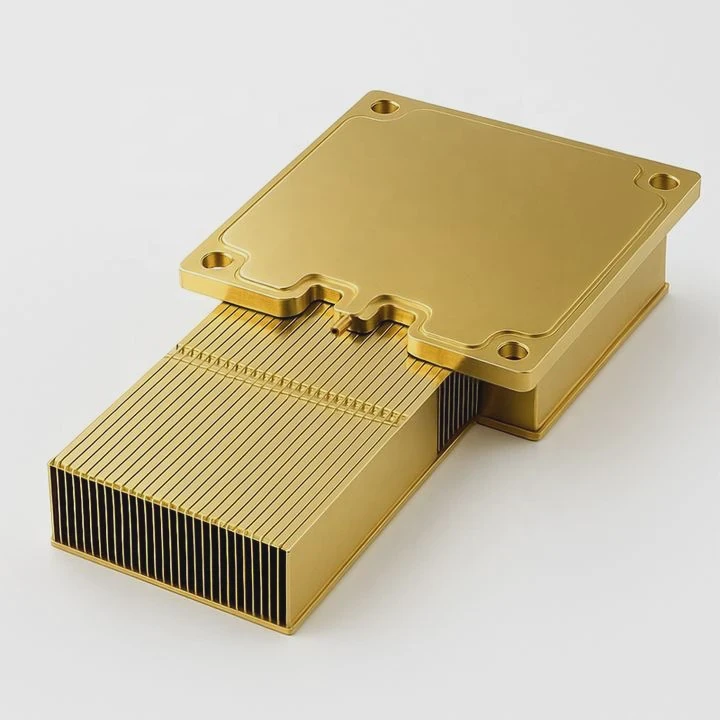
Modern radiators pack more fins per inch, increasing surface area without increasing size. A 240mm radiator with high fin density can outperform older 280mm designs.
2. Thicker radiators
Manufacturers are releasing 38mm or even 45mm-thick radiators. These offer more internal volume for coolant and higher thermal capacity, improving performance without needing a longer radiator.
3. Modular radiators
Upcoming coolers feature detachable or expandable radiators. Users can start with 240mm and later add an extra segment to upgrade cooling capacity.
4. Hybrid cooling
Some systems combine air and liquid cooling — for example, a 240mm AIO for the CPU and smaller air coolers for VRMs and GPUs. This trend ensures balanced heat management across components.
5. AI-driven cooling optimization
AI-powered software automatically adjusts pump and fan curves to keep noise low while maintaining efficient cooling. This makes even smaller radiators perform better under varied workloads.
| Trend | Description | Benefit |
|---|---|---|
| High-Fin Density | More fins per inch | Better heat dissipation |
| Thicker Radiators | Larger fluid volume | Lower temperatures |
| Modular Expansion | Add extra sections | Upgrade flexibility |
| AI Fan Curves | Smart speed control | Quieter cooling |
| Hybrid Systems | Air + liquid mix | Balanced thermal design |
6. Compact form factor innovation
Smaller PCs are driving demand for shorter radiators with equivalent cooling power. New materials like graphene-coated fins improve thermal conductivity while keeping designs slim.
7. Silent operation focus
Modern coolers prioritize acoustic comfort. Fans with magnetic levitation bearings, and vibration-dampened pumps, allow 240mm systems to run nearly silent under moderate loads.
8. Sustainability and durability
Manufacturers are using eco-friendly coolants and corrosion-resistant coatings. These advances increase reliability and reduce maintenance needs for long-term users.
9. The future of radiator sizes
In the near future, we may see “smart adaptive radiators” with dynamic fan zones that activate only where heat builds up. This will make mid-sized coolers like 240mm more efficient than ever.
Conclusion
A 240mm liquid cooler is enough for most CPUs, offering a solid balance between cooling efficiency, noise, and size. It suits gamers, creators, and professionals who need reliable performance without bulky hardware. With modern high-density radiators and AI-driven controls, 240mm systems continue to deliver impressive results in compact and powerful builds.
TAGS
Latest Articles

Volume discount levels for heat sink orders?
Buyers often ask when heat sink prices start to drop with volume. Many worry they’re overpaying for small orders. This guide explains how B2B volume pricing works for thermal components. Heat sink
21 Dec,2025
Heat sink long-term supply contract options?
Many buyers want stable pricing and reliable delivery for heat sinks. But without a clear contract, risks grow over time. This article explores how to secure better long-term supply deals. Long-term
21 Dec,2025
Tooling cost for new heat sink profiles?
Many engineers struggle to understand why tooling for custom heat sinks costs so much. They worry about budgeting and production timelines. This article breaks down the cost drivers behind tooling.
21 Dec,2025
Heat sink custom sample process steps?
Sometimes, starting a custom heat sink project feels overwhelming—too many steps, too many unknowns, and too many risks. You want a sample, but not endless delays. The process for requesting and
20 Dec,2025
Standard B2B terms for heat sink payments?
When buyers and sellers in B2B heat sink markets talk about payment, many don’t fully understand what’s standard. This can lead to delayed orders, miscommunication, and even lost business
20 Dec,2025
Heat sink pricing factors for large orders?
Heat sinks are vital for many systems. When prices rise, projects stall and budgets break. This problem can hit teams hard without warning. Large order heat sink pricing depends on many factors. You
20 Dec,2025Related Articles
- How to upgrade to liquid cooling?
- How does a liquid cooler work?
- Does 5800X need liquid cooling?
- Can Liquid Cooling Leak?
- How CPU liquid cooler works?
- What does liquid cooled engine mean?
- Does Liquid Cooling Require Maintenance?
- Is liquid cooling silent?
- How much is liquid cooling system?
- What liquid is in an AIO cooler?
- What is water cooling liquid?
- How to Install an AIO Liquid Cooler?
Author
Dr. Emily Chen
Chief AI Researcher
Leading expert in thermal dynamics and AI optimization with over 15 years of experience in data center efficiency research.
Categories
Latest Products






Recommend Categories
- Liquid cooling plate Manufacturer
- Industrial Heat Sink Manufacturer
- Standard Heat Sink Manufacturer
- Aluminum Heat Sink Manufacturer
- Copper Heat Sink Manufacturer
- Anodized Heatsink Manufacturer
- Stamping heat sink Manufacturer
- Die Casting Heatsink Manufacturer
- Soldering heat sink Manufacturer
- CNC Parts Manufacturer
Latest Products
- Wholesale Aluminum Radiator
- Water Cooling Plate Kit
- Water Cooling Heat Sink
- Water Cooling Heat Sink Kit
- Stainless Steel Water Distributor
- Server Water Cooling Plate Kit
- Server Liquid Cooling System
- Server Aluminum Cooling Kit
- S19 Full Cover Cooling Plate
- S19 Cooling Plate Kit
- S19 Aluminum Cooling Plate
Contact Expert
Have questions about this article? Reach out to our experts directly.