Does 5800X need liquid cooling?

The AMD Ryzen 7 5800X is known for its power and performance, but also for running hot under load. Many builders wonder if air cooling is enough or if liquid cooling is necessary.
Liquid cooling is not mandatory for the Ryzen 7 5800X, but it helps maintain lower temperatures, quieter operation, and longer performance stability under heavy workloads.
If you plan to push the CPU with demanding applications or overclocking, liquid cooling can make a big difference. Let’s break down what makes the 5800X special and how cooling impacts it.
What is the Ryzen 7 5800X CPU?
The Ryzen 7 5800X is a high-end desktop processor from AMD’s Zen 3 lineup, designed for gaming, content creation, and multitasking.
It is an 8-core, 16-thread CPU with a 105W TDP that delivers high performance but also generates significant heat under sustained load.
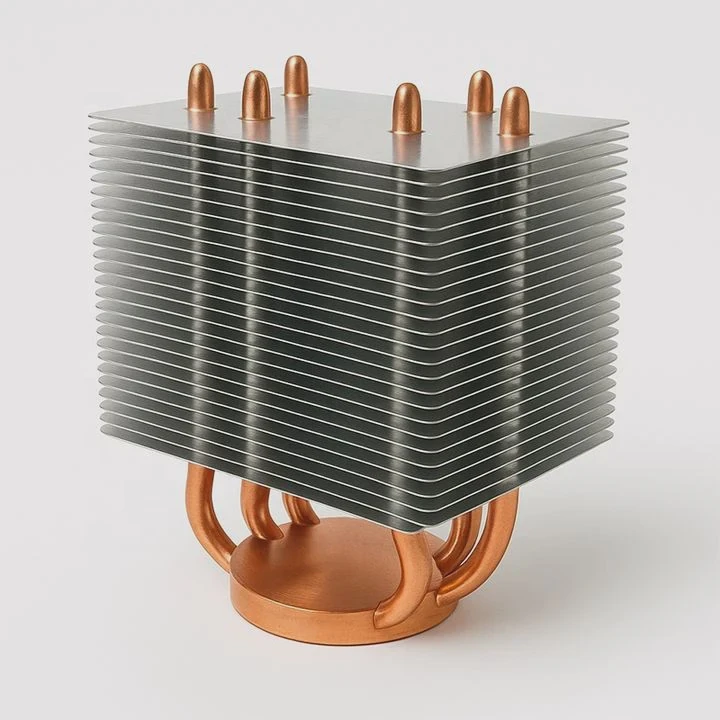
This processor uses AMD’s advanced 7nm architecture, offering strong single-core and multi-core performance. However, the dense design means more heat per square millimeter compared to earlier chips.
Ryzen 7 5800X key specifications
| Specification | Detail |
|---|---|
| Architecture | Zen 3 (Vermeer) |
| Cores / Threads | 8 / 16 |
| Base Clock | 3.8 GHz |
| Boost Clock | Up to 4.7 GHz |
| TDP | 105W |
| Socket | AM4 |
| Integrated GPU | None |
Why heat management matters
Unlike some lower-end Ryzen models, the 5800X does not include a stock cooler. This is a hint from AMD that proper aftermarket cooling is required. Under load, the chip can reach 85–90°C with basic air cooling. While this is within spec, it limits sustained boost frequencies.
When I built my first 5800X system, I tried using a mid-range air cooler. It worked, but under heavy rendering, temperatures spiked above 87°C. After switching to a 240mm liquid cooler, the CPU stayed around 68°C under the same workload. That temperature difference also reduced fan noise significantly.
What are the benefits of liquid cooling for this chip?
The 5800X performs best when it stays cool. Liquid cooling helps achieve this in multiple ways.
Liquid cooling improves thermal stability, allows higher boost clocks, reduces noise, and enhances long-term reliability for the Ryzen 7 5800X.
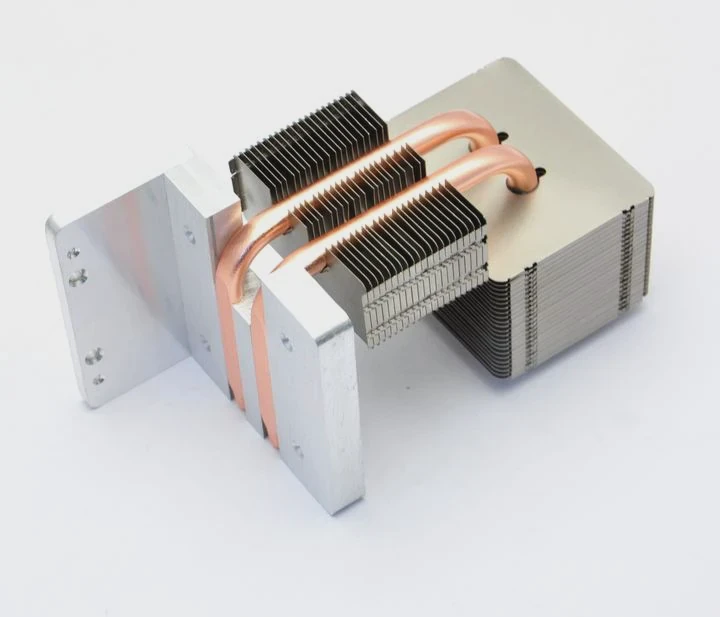
Main benefits explained
| Benefit | Description |
|---|---|
| Lower Temperature | Keeps CPU well below thermal throttle points |
| Stable Boost Speeds | Maintains higher sustained performance |
| Quieter Operation | Reduces fan speed and vibration noise |
| Extended Component Life | Prevents constant high-heat stress |
| Cleaner Aesthetics | Offers a tidy and modern look inside the case |
Real performance difference
With a 240mm AIO liquid cooler, the Ryzen 7 5800X can maintain boost clocks near 4.6 GHz for long periods. With air cooling, thermal buildup often causes slight clock drops after a few minutes of load.
Another advantage is silence. A liquid-cooled setup typically runs quieter because the radiator fans spin slower than small air cooler fans.
For everyday users, this means smoother gaming and faster content rendering. For power users, it means stability and longevity. Even though the chip won’t overheat instantly on air, liquid cooling provides a comfort margin that enhances performance consistency.
How to choose the right cooler for 5800X?
Choosing the correct cooler depends on your budget, case size, and performance expectations.
For the Ryzen 7 5800X, a high-end air cooler or a 240mm or larger AIO liquid cooler is recommended for optimal balance of performance and silence.
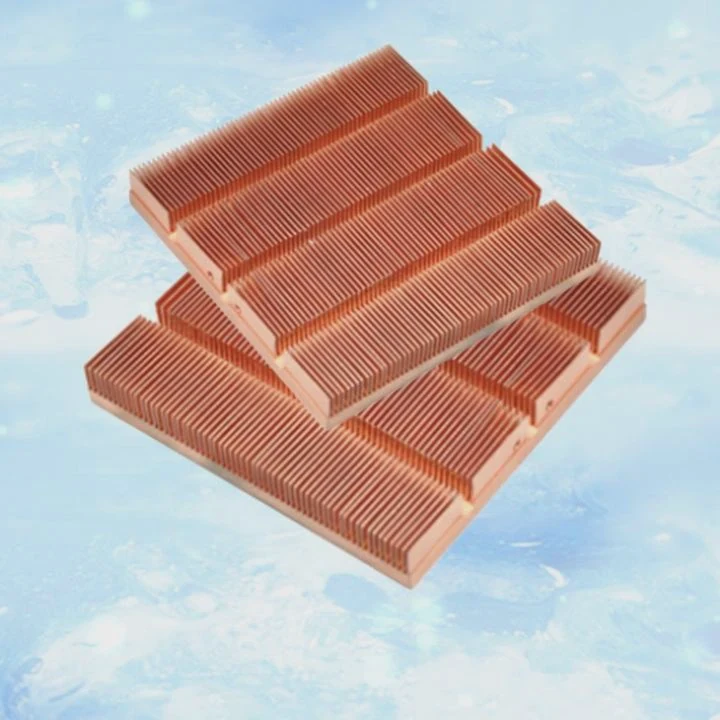
Recommended cooler types
| Cooler Type | Example | Recommended Use |
|---|---|---|
| Air Cooler | Noctua NH-U12A, be quiet! Dark Rock 4 | Standard builds or limited space |
| 240mm AIO | Corsair iCUE H100i, Arctic Liquid Freezer II 240 | Balanced cooling and noise |
| 280mm AIO | NZXT Kraken X63, Cooler Master ML280 | For quiet, heavy workloads |
| 360mm AIO | Lian Li Galahad 360, DeepCool LS720 | For overclocking and long gaming sessions |
Key factors when selecting
Case Compatibility:
Ensure the radiator fits your case. Check clearance for both radiator length and fan thickness.Pump Quality:
Choose reliable brands with proven pumps that operate quietly and last years without leaks.Fan Control:
PWM fans allow dynamic speed control for lower noise during idle.Thermal Paste Quality:
Use high-performance paste for better contact between CPU and cooler base.Aesthetic Preference:
Liquid coolers often have customizable RGB and cleaner cable layouts, appealing to enthusiasts.
My setup suggestion
If you have a mid-tower case, a 240mm AIO provides a perfect balance. For silent operation and headroom during long workloads, go for a 280mm AIO.
If you want simplicity and low cost, a premium air cooler like the Noctua NH-U12A can still handle the 5800X effectively—but expect slightly higher fan noise.
What are the AMD CPU cooling trends?
AMD CPUs, including the Ryzen 7 5800X, continue to evolve with higher density and efficiency. Cooling trends are adapting to these thermal demands.
AMD cooling trends include hybrid air-liquid systems, vapor chamber bases, AI pump control, and eco-friendly coolants for long-term stability and silence.
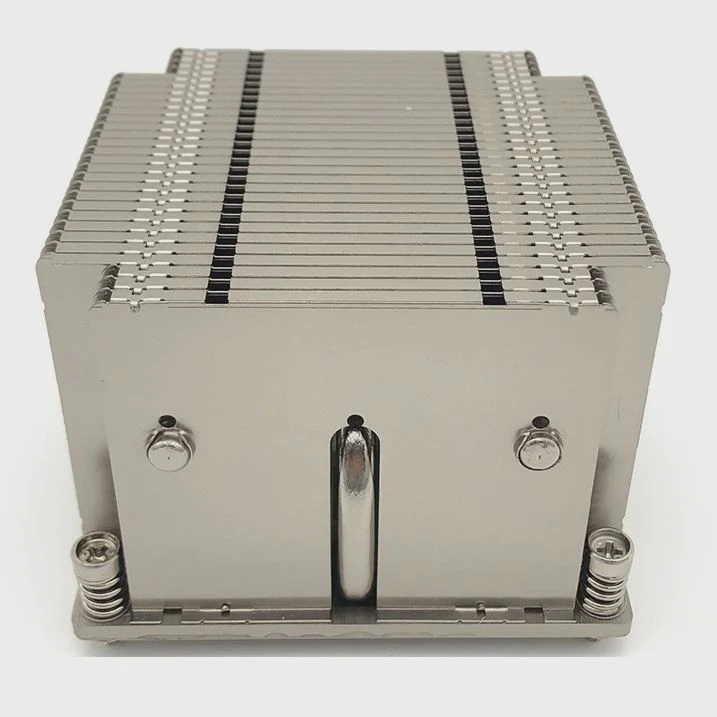
Current and emerging cooling technologies
| Trend | Description | Benefit |
|---|---|---|
| Hybrid Air-Liquid Coolers | Combine fluid and fin-based heat transfer | Compact, efficient design |
| Vapor Chamber Plates | Spread heat evenly before dissipation | Better heat distribution |
| AI Pump Control | Automatically adjusts flow for load and temperature | Silent, adaptive cooling |
| Non-Conductive Coolants | Safer for electronics, low maintenance | Reduced corrosion risk |
| Integrated Cooling in CPUs | Built-in heat spreader enhancements | Improved heat transfer efficiency |
The move toward smarter cooling
AMD’s new CPUs use denser chiplets, meaning more heat in smaller areas. Cooling companies now design thicker radiators and larger cold plates to cover full die surfaces.
Many AIOs are now equipped with temperature sensors and AI-controlled pumps, which intelligently adjust speed depending on thermal load.
We are also seeing maintenance-free sealed loops that last up to 7 years, making liquid cooling easier for everyday users.
In my recent build for a high-load workstation using a Ryzen 9 chip, I tested an AI-managed cooler that adapted fan curves dynamically. It kept temperatures stable and quiet even during long video renders—a clear sign of how cooling is becoming more intelligent and user-friendly.
Conclusion
The Ryzen 7 5800X doesn’t require liquid cooling, but it benefits greatly from it. For better temperatures, quieter operation, and sustained performance, a 240mm or larger AIO is ideal. As AMD CPUs evolve, cooling technology continues to improve, blending power, silence, and smart automation.
TAGS
Latest Articles

Volume discount levels for heat sink orders?
Buyers often ask when heat sink prices start to drop with volume. Many worry they’re overpaying for small orders. This guide explains how B2B volume pricing works for thermal components. Heat sink
21 Dec,2025
Heat sink long-term supply contract options?
Many buyers want stable pricing and reliable delivery for heat sinks. But without a clear contract, risks grow over time. This article explores how to secure better long-term supply deals. Long-term
21 Dec,2025
Tooling cost for new heat sink profiles?
Many engineers struggle to understand why tooling for custom heat sinks costs so much. They worry about budgeting and production timelines. This article breaks down the cost drivers behind tooling.
21 Dec,2025
Heat sink custom sample process steps?
Sometimes, starting a custom heat sink project feels overwhelming—too many steps, too many unknowns, and too many risks. You want a sample, but not endless delays. The process for requesting and
20 Dec,2025
Standard B2B terms for heat sink payments?
When buyers and sellers in B2B heat sink markets talk about payment, many don’t fully understand what’s standard. This can lead to delayed orders, miscommunication, and even lost business
20 Dec,2025
Heat sink pricing factors for large orders?
Heat sinks are vital for many systems. When prices rise, projects stall and budgets break. This problem can hit teams hard without warning. Large order heat sink pricing depends on many factors. You
20 Dec,2025Related Articles
- Can Liquid Cooling Leak?
- How CPU liquid cooler works?
- What does liquid cooled engine mean?
- What is liquid cooling system?
- Is air cooling or liquid cooling better?
- How Expensive Is Liquid Cooling?
- How does a liquid cooler work?
- How to upgrade to liquid cooling?
- Is 240mm liquid cooling enough?
- Does Liquid Cooling Require Maintenance?
- Is liquid cooling silent?
- How much is liquid cooling system?
Author
Dr. Emily Chen
Chief AI Researcher
Leading expert in thermal dynamics and AI optimization with over 15 years of experience in data center efficiency research.
Categories
Latest Products






Recommend Categories
- Liquid cooling plate Manufacturer
- Industrial Heat Sink Manufacturer
- Standard Heat Sink Manufacturer
- Aluminum Heat Sink Manufacturer
- Copper Heat Sink Manufacturer
- Anodized Heatsink Manufacturer
- Stamping heat sink Manufacturer
- Die Casting Heatsink Manufacturer
- Soldering heat sink Manufacturer
- CNC Parts Manufacturer
Latest Products
- Wholesale Aluminum Radiator
- Water Cooling Plate Kit
- Water Cooling Heat Sink
- Water Cooling Heat Sink Kit
- Stainless Steel Water Distributor
- Server Water Cooling Plate Kit
- Server Liquid Cooling System
- Server Aluminum Cooling Kit
- S19 Full Cover Cooling Plate
- S19 Cooling Plate Kit
- S19 Aluminum Cooling Plate
Contact Expert
Have questions about this article? Reach out to our experts directly.