How does a liquid cooler work?
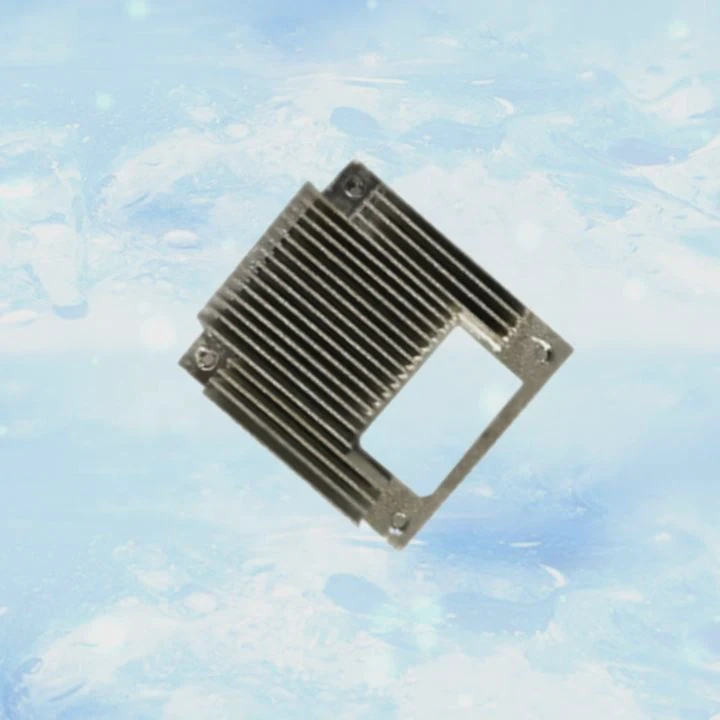
Computers and electronics generate heat when running at full power. As heat builds up, performance can drop or even stop completely. That’s why efficient cooling is vital for modern devices.
A liquid cooler works by circulating coolant through a closed loop that absorbs heat from components and releases it through a radiator and fans. It removes heat faster than air cooling and keeps systems running smoothly.
Liquid coolers are now common in gaming PCs, workstations, and even industrial machines. They combine performance, quiet operation, and modern design in one solution.
What is a liquid cooler?
A liquid cooler is a system that uses fluid to move heat away from key parts such as the CPU or GPU. It is an advanced alternative to air cooling, designed for better heat transfer and lower noise.
Liquid coolers use a pump, tubes, and radiator to move coolant that carries heat away from the processor. The fluid cycle repeats continuously to keep temperatures steady.
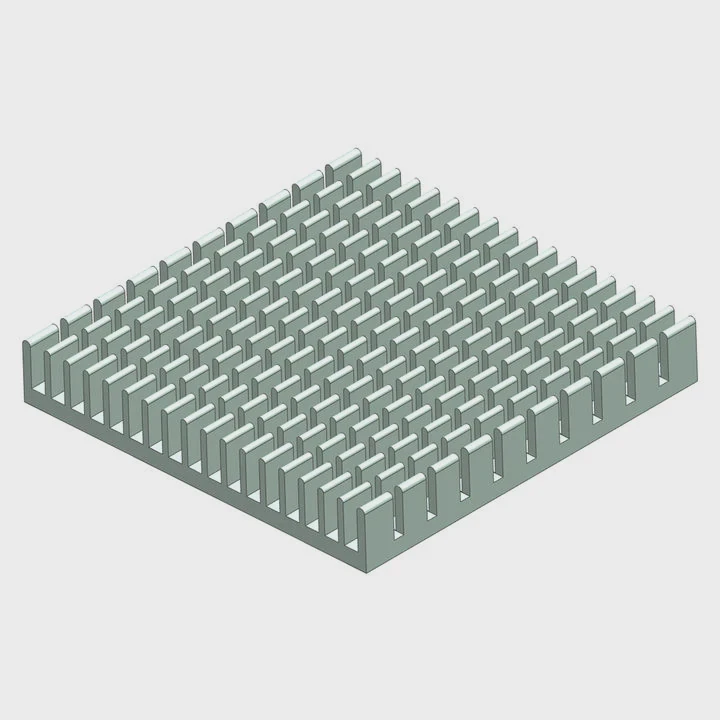
Core components and their roles
| Component | Purpose |
|---|---|
| Water Block | Contacts the CPU or GPU and absorbs heat |
| Pump | Moves coolant through the system |
| Tubes | Carry the heated and cooled liquid |
| Radiator | Releases heat into the air |
| Fans | Push air through the radiator fins |
| Coolant | Transfers heat throughout the loop |
How it functions
The process starts when the water block absorbs heat from the processor. The pump then pushes the warmed coolant through tubes toward the radiator. At the radiator, fans blow air through metal fins to release the heat. The cooled liquid then returns to the block to repeat the cycle.
This system works continuously while your PC is on, keeping components within safe temperature limits. Because liquids conduct heat better than air, they can move more heat with less effort, which leads to higher performance and lower fan noise.
What are its advantages over air cooling?
Both air and liquid cooling aim to prevent overheating, but they do it differently. Air coolers use fans and metal fins, while liquid coolers use fluid circulation. The difference affects temperature, sound, and design flexibility.
Liquid coolers offer higher heat efficiency, lower noise, and better support for high-performance or overclocked systems compared to air cooling.
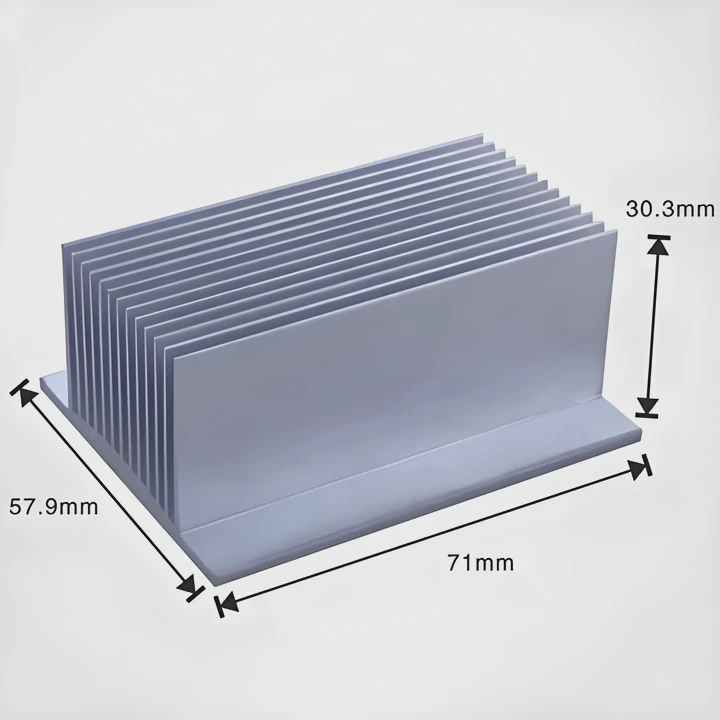
Key advantages of liquid cooling
| Advantage | Description |
|---|---|
| Higher cooling performance | Transfers heat faster and more evenly |
| Lower noise levels | Fans run slower, reducing sound |
| Better overclocking support | Maintains stable temperatures at high loads |
| Sleeker design | Compact water blocks free up space in the case |
| Extended hardware life | Keeps temperatures lower for longer component lifespan |
Why liquid cooling makes a difference
When CPUs or GPUs run at full load, air coolers can hit their limit. Fans spin faster, making noise and still struggling to control heat. Liquid coolers solve this with a more efficient heat transfer path.
They can maintain lower average temperatures, preventing performance throttling. For gamers or creators who push their hardware, that stability means smoother operation and higher frame rates.
Aesthetic design also plays a role — modern liquid coolers feature RGB lighting and clear tubes, combining performance and style in one compact unit.
How to maintain it for best performance?
A liquid cooler requires occasional maintenance to ensure it runs efficiently. Proper care extends its lifespan and prevents leaks or reduced cooling capacity.
To maintain a liquid cooler, keep the radiator clean, check for air bubbles, and replace coolant periodically if it’s a custom loop.
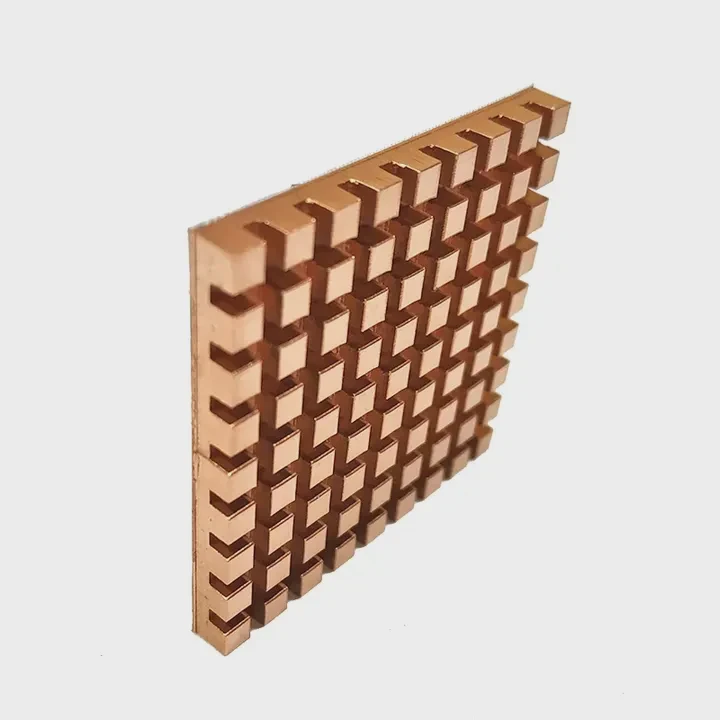
Maintenance checklist
| Task | Frequency | Description |
|---|---|---|
| Clean radiator and fans | Every 3–6 months | Remove dust to improve airflow |
| Check coolant level | Every 6–12 months | Top up custom loops if low |
| Inspect fittings and tubes | Every 6 months | Look for cracks or leaks |
| Replace coolant | Every 12–18 months | Prevents corrosion and buildup |
| Monitor pump noise | Continuous | Listen for air bubbles or wear signs |
Simple maintenance tips
- For AIO coolers, you don’t need to refill coolant — just clean dust and ensure fans are spinning properly.
- For custom loops, use distilled water or approved coolants to avoid corrosion.
- Avoid placing the radiator below the pump level; it can trap air bubbles that affect performance.
- Keep your PC in a dust-free environment and use filters to prevent buildup inside the case.
With minimal care, a liquid cooler can last many years, offering stable performance and quiet operation throughout its lifetime.
What are the trends in cooling system design?
Cooling technology keeps evolving as processors and GPUs become faster and more power-hungry. Designers are focusing on smarter, quieter, and more sustainable solutions.
New trends in cooling systems include AI control, modular design, eco-friendly materials, and integration into compact hardware.
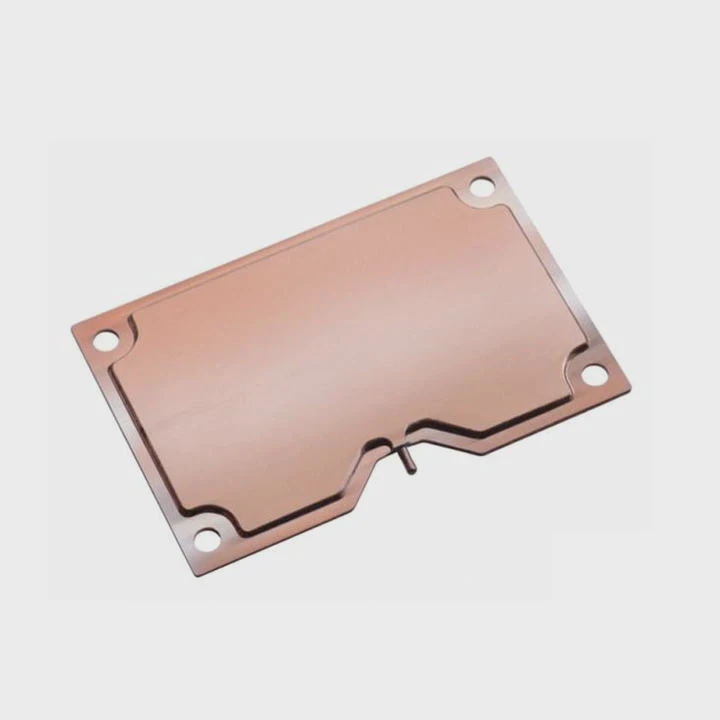
Latest cooling design innovations
| Trend | Description |
|---|---|
| AI-controlled cooling | Adjusts fan and pump speed automatically |
| Dual-loop systems | Separate loops for CPU and GPU for better heat balance |
| Smart monitoring software | Tracks temperature and performance in real time |
| Eco-friendly coolants | Reduces environmental impact with low-GWP fluids |
| Compact modular designs | Fits advanced cooling into smaller cases |
The road ahead
Manufacturers are now developing smart cooling systems that use machine learning to predict and prevent overheating. These systems adjust pump speed and fan RPM in real time based on temperature patterns.
At the same time, the industry is turning toward sustainability — using recyclable materials and energy-efficient pumps to reduce waste and power use.
Some companies are even exploring liquid immersion and phase-change cooling, which can handle massive thermal loads silently. As these technologies mature, they could redefine how we cool computers, electric vehicles, and high-density servers.
The future of cooling is not just about temperature control. It’s about combining performance, intelligence, and environmental responsibility in one integrated design.
Conclusion
A liquid cooler works by using coolant circulation to remove heat more efficiently than air. It delivers quiet operation, stable performance, and longer hardware life. With AI automation and eco-friendly designs on the horizon, the next generation of coolers will be smarter and greener than ever.
TAGS
Latest Articles

Volume discount levels for heat sink orders?
Buyers often ask when heat sink prices start to drop with volume. Many worry they’re overpaying for small orders. This guide explains how B2B volume pricing works for thermal components. Heat sink
21 Dec,2025
Heat sink long-term supply contract options?
Many buyers want stable pricing and reliable delivery for heat sinks. But without a clear contract, risks grow over time. This article explores how to secure better long-term supply deals. Long-term
21 Dec,2025
Tooling cost for new heat sink profiles?
Many engineers struggle to understand why tooling for custom heat sinks costs so much. They worry about budgeting and production timelines. This article breaks down the cost drivers behind tooling.
21 Dec,2025
Heat sink custom sample process steps?
Sometimes, starting a custom heat sink project feels overwhelming—too many steps, too many unknowns, and too many risks. You want a sample, but not endless delays. The process for requesting and
20 Dec,2025
Standard B2B terms for heat sink payments?
When buyers and sellers in B2B heat sink markets talk about payment, many don’t fully understand what’s standard. This can lead to delayed orders, miscommunication, and even lost business
20 Dec,2025
Heat sink pricing factors for large orders?
Heat sinks are vital for many systems. When prices rise, projects stall and budgets break. This problem can hit teams hard without warning. Large order heat sink pricing depends on many factors. You
20 Dec,2025Related Articles
- Does 5800X need liquid cooling?
- Can Liquid Cooling Leak?
- How CPU liquid cooler works?
- What does liquid cooled engine mean?
- What is liquid cooling system?
- Is air cooling or liquid cooling better?
- How to upgrade to liquid cooling?
- Is 240mm liquid cooling enough?
- Does Liquid Cooling Require Maintenance?
- Is liquid cooling silent?
- How much is liquid cooling system?
- What liquid is in an AIO cooler?
Author
Dr. Emily Chen
Chief AI Researcher
Leading expert in thermal dynamics and AI optimization with over 15 years of experience in data center efficiency research.
Categories
Latest Products






Recommend Categories
- Liquid cooling plate Manufacturer
- Industrial Heat Sink Manufacturer
- Standard Heat Sink Manufacturer
- Aluminum Heat Sink Manufacturer
- Copper Heat Sink Manufacturer
- Anodized Heatsink Manufacturer
- Stamping heat sink Manufacturer
- Die Casting Heatsink Manufacturer
- Soldering heat sink Manufacturer
- CNC Parts Manufacturer
Latest Products
- Wholesale Aluminum Radiator
- Water Cooling Plate Kit
- Water Cooling Heat Sink
- Water Cooling Heat Sink Kit
- Stainless Steel Water Distributor
- Server Water Cooling Plate Kit
- Server Liquid Cooling System
- Server Aluminum Cooling Kit
- S19 Full Cover Cooling Plate
- S19 Cooling Plate Kit
- S19 Aluminum Cooling Plate
Contact Expert
Have questions about this article? Reach out to our experts directly.