how does a vapor chamber heatsink work?
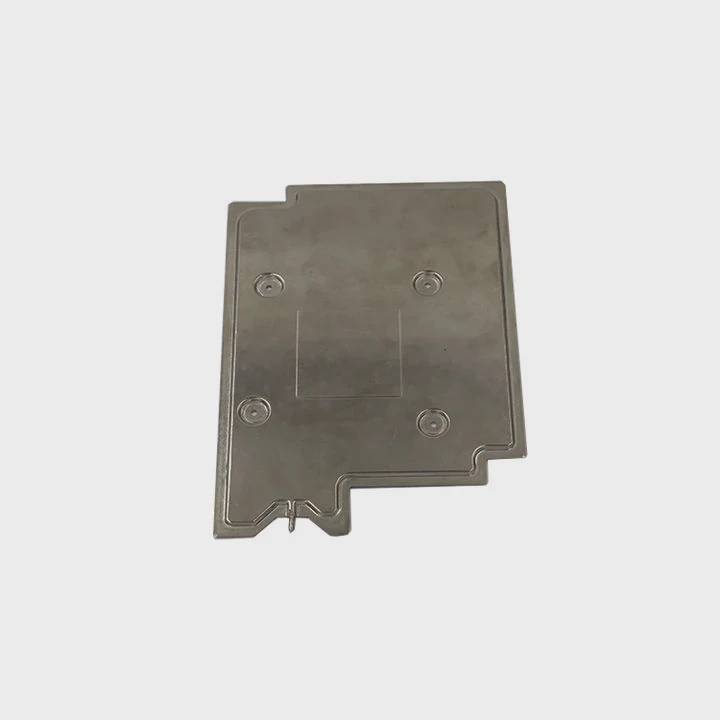
I remember the first time I tested a high-power processor on a cramped prototype board. The heat climbed so fast that the metal plate under the chip felt like a tiny stove. That moment pushed me to explore advanced cooling tools, and the vapor chamber heatsink was one of the first technologies that changed the way I approached thermal design.
A vapor chamber heatsink works by using phase-change cooling to spread heat fast across a flat chamber and then pushing that heat into a fin structure where airflow removes it. This makes the heatsink respond quickly and handle hotspots well.
I want to break down the entire process so you can see why this simple, passive system is so effective.
What processes enable vapor chamber cooling?
Many people assume a vapor chamber is only a metal plate with a hollow center. I used to think the same before I studied one up close and realized how much work happens inside that thin space.
A vapor chamber uses evaporation, vapor flow, condensation, and capillary return to move heat. Liquid absorbs heat at the hot zone, turns into vapor, spreads across the chamber, condenses on cooler walls, and travels back through the wick to repeat the cycle.
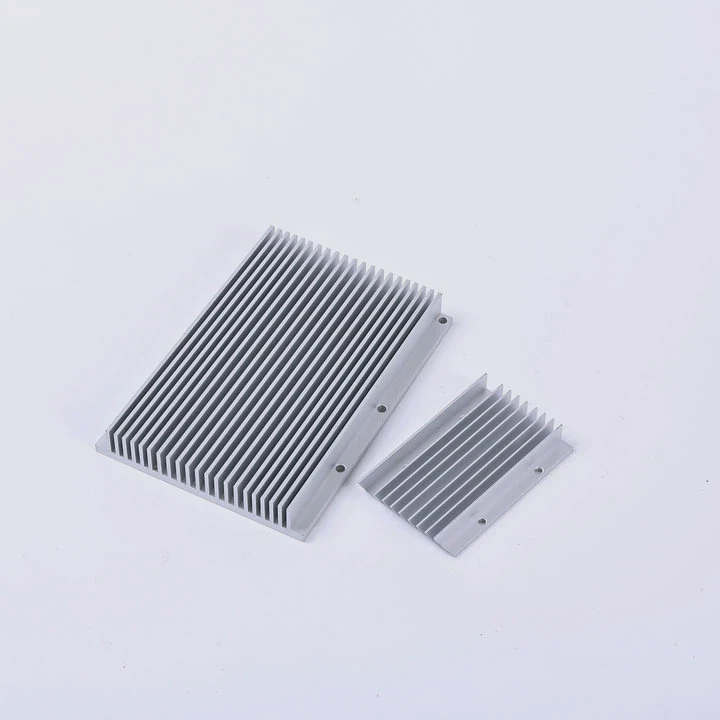
When I opened my first sample chamber, I saw how carefully the wick pattern was made. That detail allows the whole process to run smoothly without pumps or moving parts.
The Four Core Processes
| Process | Simple Explanation |
|---|---|
| Evaporation | Liquid absorbs heat and becomes vapor |
| Vapor flow | Vapor moves freely through the inner cavity |
| Condensation | Vapor becomes liquid when it reaches cooler areas |
| Capillary return | Wick pulls liquid back to the heat source |
How Each Process Happens Inside
Evaporation starts at the heat source
When the CPU or LED module warms the base, the liquid near the heat zone absorbs that energy. The liquid becomes vapor, and the pressure rises.
Vapor travels across the chamber
The vapor spreads out quickly. It does not stay in one area. This movement sends the heat away from the hotspot.
Condensation releases heat
When the vapor touches cooler parts of the chamber, it becomes liquid again. This step releases heat into the metal walls.
The wick brings liquid home
The wick acts like a sponge. It holds the liquid and carries it back to the hotter area.
This loop repeats constantly. The process is very fast. The chamber reacts to sudden heat changes almost instantly. I rely on this speed when working with electronics that jump between idle and full power in a second.
How does heat spread inside the chamber?
I often meet engineers who wonder why heat spreads more evenly inside a vapor chamber than inside a solid copper plate. I asked this same question when comparing thermal images from early tests.
Heat spreads inside a vapor chamber because vapor moves in all directions at very low resistance. The vapor carries heat to cooler surfaces, and the wick spreads the returned liquid across the thin chamber, keeping the entire base temperature balanced.
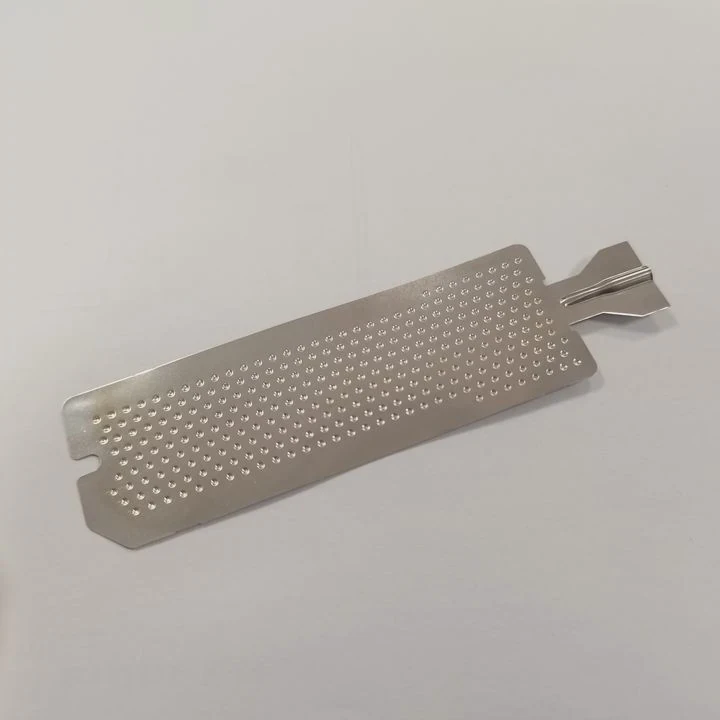
Inside the chamber, the heat does not travel by slow conduction alone. It moves through a controlled phase-change cycle. That cycle lets the heat move faster and farther.
How Heat Spreading Actually Works
1. Vapor distributes heat
The vapor takes heat away from the hotspot fast. This action spreads heat over the entire chamber.
2. Condensation evens out temperature
When vapor becomes liquid again, the chamber walls share the heat evenly.
3. The wick stabilizes the return path
The wick carries liquid back and spreads it across the inner surface. This step gives the vapor a balanced starting point.
4. Thin geometry helps
A vapor chamber is very thin. The distance between the hot and cool areas is small. This makes spreading fast and steady.
Internal Layout Overview
| Component | Function in Heat Spreading |
|---|---|
| Vapor core | Gives space for vapor to move and share heat |
| Wick layer | Controls liquid movement and ensures balance |
| Top and bottom plates | Act as the heat-spreading and heat-releasing surfaces |
Deeper Look at Heat Movement
I once ran a thermal test on two plates: a pure copper plate and a vapor chamber. Under the same load, the copper plate developed a large hotspot. The vapor chamber stayed much more uniform. I traced that advantage to the vapor flow. The vapor moved heat faster than conduction could. This gave the chamber a smooth temperature map.
Extra Notes in Engineering Use
Balanced heat makes fins more effective
When the heat spreads evenly at the base, the fins above it receive stable thermal energy. This improves cooling.
Large heat zones become possible
One chamber can handle multiple hotspots. This helps in high-density layouts.
Thermal resistance drops
Since heat spreads fast, the system does not hold the energy near the hotspot.
All these points show why spreading inside the chamber is one of the main strengths of this technology.
Why do heatsinks use vapor chambers?
A heatsink may look simple, but the way heat moves inside it decides whether a device runs cool or overheats. I learned this when I upgraded a normal heatsink to a vapor chamber version and saw a clear difference in stability.
Heatsinks use vapor chambers because they spread heat fast, control hotspots, improve fin performance, and support high-power or uneven heat loads better than solid metal bases.
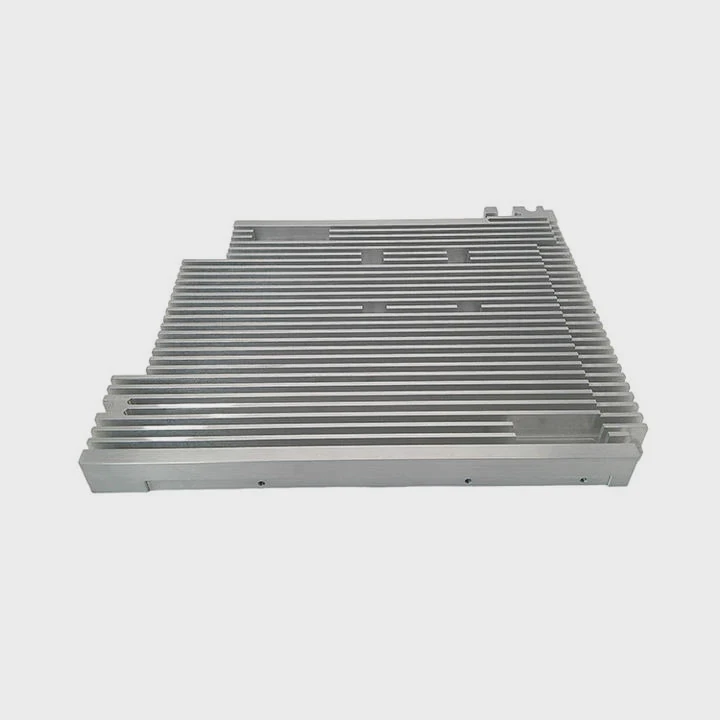
A vapor chamber changes the behavior of the entire heatsink. It does more than move heat. It stabilizes the whole thermal path.
Key Reasons Heatsinks Use Vapor Chambers
1. Hotspot control
Modern processors create small but intense hotspots. A vapor chamber spreads them fast.
2. Strong heat spreading
The chamber moves heat to a larger base area. This helps the fins remove heat more effectively.
3. Higher cooling efficiency
Fin stacks work better when heat enters evenly. The vapor chamber helps achieve this.
4. Support for compact systems
Many small devices cannot use large heat pipes. A vapor chamber is flat and easy to place.
5. Passive and reliable
The chamber has no pumps or moving parts. It stays stable for long periods.
Table: Why Engineers Pick Vapor Chambers
| Reason | Benefit |
|---|---|
| Spread heat across base | Better fin performance |
| React fast to load changes | More stable CPU or GPU temps |
| Handle tight space | Fits modern compact designs |
| Reduce base temperature | Improve overall cooling |
Real Use Case From My Work
I once worked with a module that had uneven heat zones. A normal plate did not spread the heat well and the fins became overloaded in one corner. After switching to a vapor chamber base, the temperature evened out. The final design passed thermal tests easily.
Visual Breakdown of Role
Before
- Heat stays near the hotspot
- Fins lose efficiency
- Parts overheat
After
- Heat spreads across wide area
- Fins work at full potential
- Hotspot risk decreases
This is why vapor chambers are now standard in laptops, servers, gaming consoles, camera modules, and many high-power devices.
Can vapor chambers outperform heat pipes?
This question comes up often in design meetings. Many people want to know which one is stronger. I learned that the answer depends on the shape, the heat level, and the direction of heat flow.
Yes, vapor chambers can outperform heat pipes in spreading heat, controlling hotspots, and supporting large base areas. But heat pipes can still outperform vapor chambers when heat must travel long distances or when cooling requires multiple parallel paths.
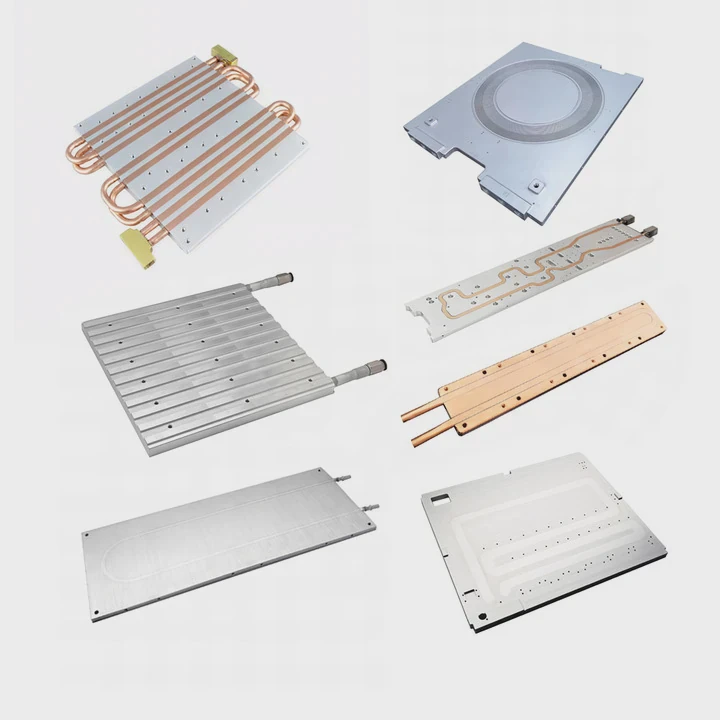
Both tools use phase-change cooling. The difference is geometry and use case.
When Vapor Chambers Are Better
1. Wide heat sources
Chips with large contact areas work best with vapor chambers.
2. Strong hotspot reduction
The flat geometry spreads heat evenly.
3. Low vertical space
Vapor chambers are thin and easy to integrate.
4. Fast response
The chamber reacts quickly to rapid power changes.
When Heat Pipes Are Better
1. Long distance heat transport
Heat pipes can move heat far from the source.
2. Multi-tower heatsinks
Pipes are easy to bend and route.
3. Higher load paths
Heat pipes can carry large heat in each pipe.
Table: Quick Comparison
| Feature | Vapor Chamber | Heat Pipe |
|---|---|---|
| Heat spreading | Very strong | Medium |
| Long distance transport | Medium | Very strong |
| Geometry | Flat, wide | Round, flexible |
| Hotspot control | Excellent | Good |
| Coolers with many fins | Strong | Very strong |
Story From My Testing Bench
I once compared a heatsink with only heat pipes to a version that used a vapor chamber at the base plus heat pipes. The chamber version ran cooler during boosts. The reason was simple: the base stayed even. The heat pipes then worked at full efficiency.
Extra Insight
Both systems work well together. Many strong heatsinks use a vapor chamber at the base and heat pipes above it. This mix gives the best results in tight systems.
Conclusion
A vapor chamber heatsink works by spreading heat fast through phase-change cooling and sending that heat into fins where airflow removes it. Vapor chambers help control hotspots, support stable temperatures, and often beat standard metal bases or heat pipes in spreading heat across wide areas.
TAGS
Latest Articles

Volume discount levels for heat sink orders?
Buyers often ask when heat sink prices start to drop with volume. Many worry they’re overpaying for small orders. This guide explains how B2B volume pricing works for thermal components. Heat sink
21 Dec,2025
Heat sink long-term supply contract options?
Many buyers want stable pricing and reliable delivery for heat sinks. But without a clear contract, risks grow over time. This article explores how to secure better long-term supply deals. Long-term
21 Dec,2025
Tooling cost for new heat sink profiles?
Many engineers struggle to understand why tooling for custom heat sinks costs so much. They worry about budgeting and production timelines. This article breaks down the cost drivers behind tooling.
21 Dec,2025
Heat sink custom sample process steps?
Sometimes, starting a custom heat sink project feels overwhelming—too many steps, too many unknowns, and too many risks. You want a sample, but not endless delays. The process for requesting and
20 Dec,2025
Standard B2B terms for heat sink payments?
When buyers and sellers in B2B heat sink markets talk about payment, many don’t fully understand what’s standard. This can lead to delayed orders, miscommunication, and even lost business
20 Dec,2025
Heat sink pricing factors for large orders?
Heat sinks are vital for many systems. When prices rise, projects stall and budgets break. This problem can hit teams hard without warning. Large order heat sink pricing depends on many factors. You
20 Dec,2025Related Articles
- how coolermaster v8 gts vapor chamber works?
- what is vapor chamber cooling system?
- what is vapor chamber cooling iphone?
- does iphone have vapor chamber cooling?
- does iPhone 16 pro have vapor chamber?
- does iPhone 15 have vapor chamber?
- how does vapor chamber cooling work on laptop?
- how does vapor chamber cpu coolers work?
- how does xbox one x vapor chamber cooling work?
- How does Xbox One X vapor chamber work?
- how to calculate capillary limit in vapor chamber?
- how to clean a breathing vaporizer chamber?
Author
Dr. Emily Chen
Chief AI Researcher
Leading expert in thermal dynamics and AI optimization with over 15 years of experience in data center efficiency research.
Categories
Latest Products






Recommend Categories
- Liquid cooling plate Manufacturer
- Industrial Heat Sink Manufacturer
- Standard Heat Sink Manufacturer
- Aluminum Heat Sink Manufacturer
- Copper Heat Sink Manufacturer
- Anodized Heatsink Manufacturer
- Stamping heat sink Manufacturer
- Die Casting Heatsink Manufacturer
- Soldering heat sink Manufacturer
- CNC Parts Manufacturer
Latest Products
- Wholesale Aluminum Radiator
- Water Cooling Plate Kit
- Water Cooling Heat Sink
- Water Cooling Heat Sink Kit
- Stainless Steel Water Distributor
- Server Water Cooling Plate Kit
- Server Liquid Cooling System
- Server Aluminum Cooling Kit
- S19 Full Cover Cooling Plate
- S19 Cooling Plate Kit
- S19 Aluminum Cooling Plate
Contact Expert
Have questions about this article? Reach out to our experts directly.