How to convert air-cooled engine to liquid-cooled engine?
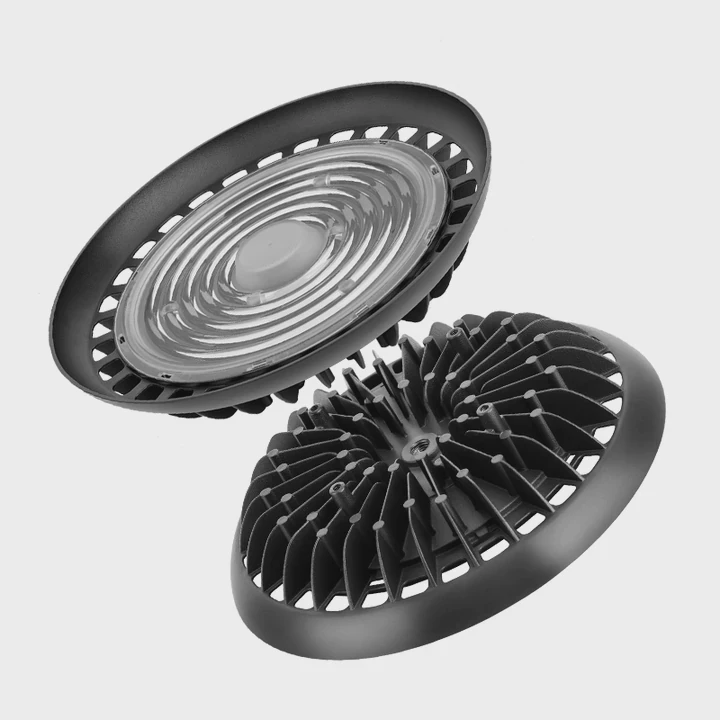
When your air-cooled engine starts to overheat in demanding environments, it’s frustrating. Power drops, noise increases, and reliability fades.
Converting an air-cooled engine to liquid cooling can greatly improve temperature control, performance, and durability, especially under heavy loads.
This transformation needs careful planning and understanding of how the two systems differ and interact.
What is the difference between air and liquid cooling in engines?
Air and liquid cooling may aim for the same goal, but their working principles are completely different.
Air cooling removes heat directly from engine surfaces, while liquid cooling transfers heat through coolant circulation to a radiator for efficient dissipation.
How they work
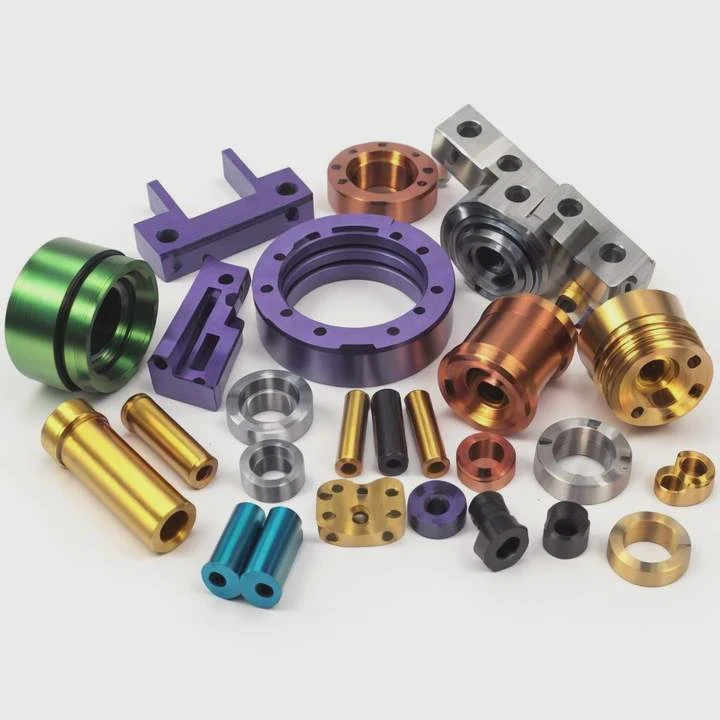
Air-cooled engines rely on fins, airflow, and fans. The aluminum fins increase surface area, allowing heat to escape directly into the air.
Liquid-cooled systems, however, circulate coolant through jackets around the cylinders and head. The coolant then passes through a radiator, where air helps remove heat before it returns to the engine.
Performance and durability comparison
| Feature | Air-Cooled Engine | Liquid-Cooled Engine |
|---|---|---|
| Cooling Method | Direct air over fins | Coolant circulation through radiator |
| Temperature Stability | Low under mild use | High under all conditions |
| Noise Level | Louder due to open fins | Quieter due to enclosed system |
| Maintenance | Simple but frequent | More complex but stable |
| Lifespan | Moderate | Longer with proper care |
Why it matters for conversion
The main issue with air cooling is uneven temperature control. When the load rises, hotspots form around the cylinder heads. This limits tuning potential and overall lifespan.
Liquid cooling offers uniform heat distribution, ideal for engines that must maintain consistent performance under heavy or variable workloads.
What are the benefits of conversion?
When I first explored converting an air-cooled motorbike engine to liquid cooling, the change was dramatic.
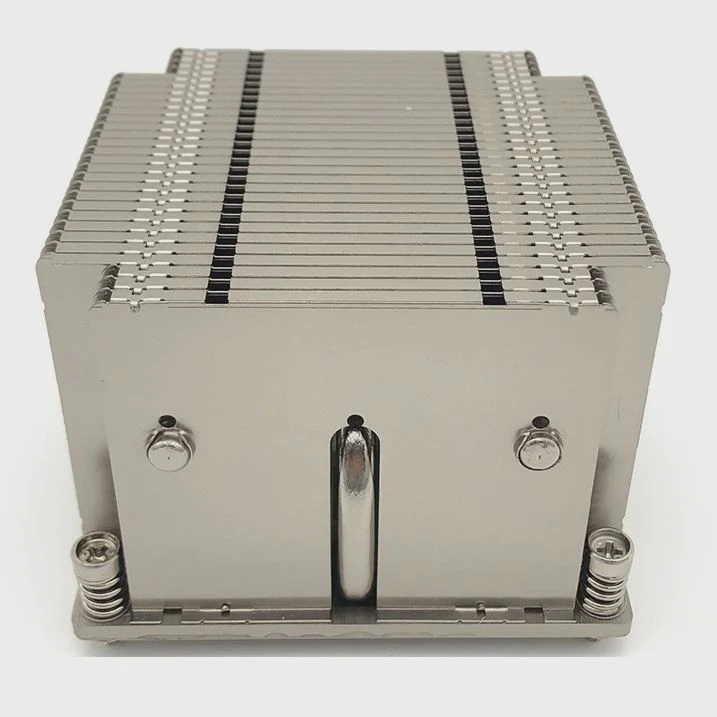
The conversion offers better thermal efficiency, reduced wear, higher power output, and quieter operation.
Key performance improvements
| Benefit | Description |
|---|---|
| Thermal Stability | Maintains consistent engine temperature even under extreme conditions |
| Efficiency | Reduces power loss due to overheating |
| Longevity | Prevents thermal fatigue and component deformation |
| Quieter Operation | Eliminates the fan noise typical in air-cooled designs |
| Upgrade Potential | Allows higher compression ratios and better tuning capability |
Real-world impact
After conversion, I noticed the engine reached optimal operating temperature faster and stayed stable. Long rides felt smoother, and the cylinder head no longer overheated under load. This also made tuning more precise because the temperature remained predictable.
Extended applications
In industrial and automotive contexts, liquid cooling extends beyond performance—it protects the system from failure. This is crucial for EV motors, generators, and high-performance combustion engines that run under sustained stress.
How to safely convert to liquid cooling?
This process is not just about adding a radiator. It involves redesigning parts, ensuring flow paths, and maintaining pressure balance across the system.
To safely convert an air-cooled engine, you need to design a coolant jacket, install a pump and radiator, and ensure proper sealing and pressure regulation.
Step-by-step conversion overview
Step 1: Assess engine structure
Check the engine block and head design. Some older engines have enough metal thickness to machine coolant jackets. Others may need external coolant plates welded or bolted on. Aluminum blocks are ideal because they conduct heat well and can be modified more easily.
Step 2: Design the coolant jacket
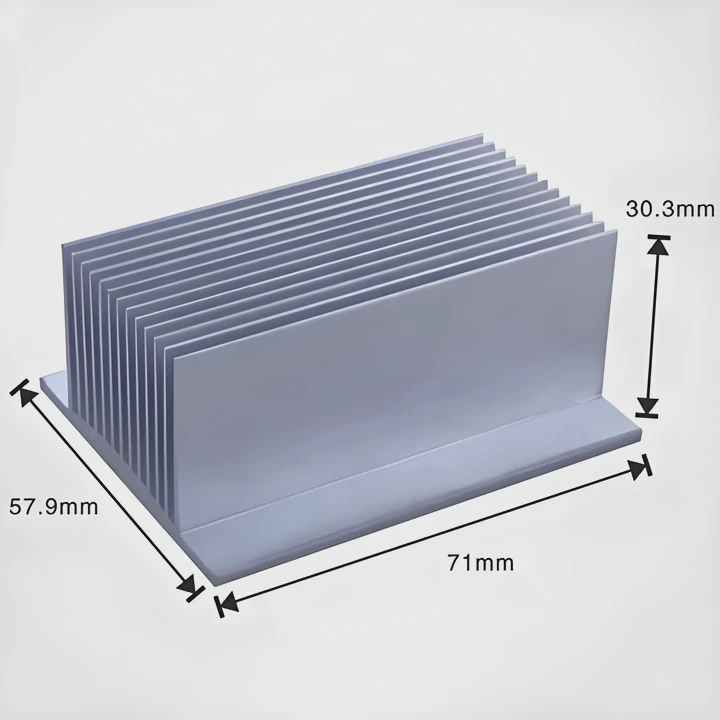
You must ensure coolant covers high-heat zones—mainly cylinder heads and valve seats. For engines without built-in passages, you can fabricate an external water jacket made of welded aluminum plates.
Step 3: Add pump and radiator system
Install a water pump to circulate coolant. For small engines, an electric pump works well. Connect hoses to a compact radiator, ideally mounted where airflow is consistent. Integrate a thermostat to regulate flow and prevent overcooling during startup.
Step 4: Add reservoir and pressure cap
A coolant reservoir helps maintain volume and pressure balance. The system should include a pressure cap (typically 0.9–1.2 bar) to prevent boiling and coolant loss.
Step 5: Test and tune
Before full operation, fill the system, bleed air pockets, and monitor temperature during idle and load tests. Check for leaks, flow consistency, and even temperature across all zones.
Key safety checklist
| Safety Aspect | Recommended Practice |
|---|---|
| Sealing | Use high-temp O-rings and sealant around coolant channels |
| Pressure | Always include a relief valve or cap |
| Electrical Isolation | For electric pumps, ensure grounding and waterproof connectors |
| Corrosion Prevention | Use aluminum-safe coolant with inhibitors |
Important note
If the modification is for a vehicle that must meet emissions or safety standards, the cooling system change may require recertification. Always confirm local regulations before performing major conversions.
What are the automotive cooling trends?
Cooling technology is changing fast, driven by electric vehicles, hybrid systems, and compact engine designs.
Modern automotive cooling is shifting toward integrated liquid systems with advanced heat exchangers, phase-change materials, and smart electronic control.
EV and hybrid cooling integration
Electric vehicles rely on cooling not only for motors but also for batteries, inverters, and charging modules. Manufacturers are integrating multi-loop liquid systems that share heat between components for better efficiency. For example, battery waste heat can pre-warm the cabin or improve motor startup in cold weather.
Example of modern system architecture:
| Subsystem | Cooling Method | Function |
|---|---|---|
| Battery | Liquid-cooled plate | Maintains 20–40°C temperature window |
| Motor & Inverter | Liquid-cooled loop | Prevents thermal overload |
| Cabin Heater | Heat pump integration | Uses recovered waste heat |
Smart thermal management
Modern systems use sensors, thermostats, and electronic valves to dynamically adjust coolant flow. This helps balance heat between components, reducing energy waste.
New materials and phase-change technology
Manufacturers now use phase-change materials (PCM) and vapor chambers to store and redistribute heat efficiently. These materials temporarily absorb excess heat, then release it when the load decreases. The same concept appears in high-performance computing and aerospace cooling systems.
Miniaturization and efficiency
Lightweight aluminum heat exchangers, micro-channel cold plates, and laser-welded modules allow for compact yet powerful cooling systems. This trend supports smaller, more efficient powertrains, ideal for modern EVs and hybrid setups.
Sustainability and recyclability
Liquid cooling systems increasingly use eco-friendly coolants and modular aluminum components that can be recycled. This supports the global push toward low-carbon manufacturing and environmental responsibility.
Why it matters for you
If you plan to upgrade your engine or design a new system, following these trends helps ensure future compatibility and efficiency. Many suppliers now provide customizable liquid cooling solutions that integrate with both traditional combustion and electric power units.
Conclusion
Converting an air-cooled engine to liquid cooling brings stability, performance, and longer life. The process requires careful design and testing, but the outcome is a quieter, cooler, and more efficient engine ready for future demands.
TAGS
Latest Articles

Volume discount levels for heat sink orders?
Buyers often ask when heat sink prices start to drop with volume. Many worry they’re overpaying for small orders. This guide explains how B2B volume pricing works for thermal components. Heat sink
21 Dec,2025
Heat sink long-term supply contract options?
Many buyers want stable pricing and reliable delivery for heat sinks. But without a clear contract, risks grow over time. This article explores how to secure better long-term supply deals. Long-term
21 Dec,2025
Tooling cost for new heat sink profiles?
Many engineers struggle to understand why tooling for custom heat sinks costs so much. They worry about budgeting and production timelines. This article breaks down the cost drivers behind tooling.
21 Dec,2025
Heat sink custom sample process steps?
Sometimes, starting a custom heat sink project feels overwhelming—too many steps, too many unknowns, and too many risks. You want a sample, but not endless delays. The process for requesting and
20 Dec,2025
Standard B2B terms for heat sink payments?
When buyers and sellers in B2B heat sink markets talk about payment, many don’t fully understand what’s standard. This can lead to delayed orders, miscommunication, and even lost business
20 Dec,2025
Heat sink pricing factors for large orders?
Heat sinks are vital for many systems. When prices rise, projects stall and budgets break. This problem can hit teams hard without warning. Large order heat sink pricing depends on many factors. You
20 Dec,2025Related Articles
- What Does Liquid Cooling Do in a Computer?
- How Do Liquid Cooling Systems Work?
- Is liquid cooling hard to maintain?
- What liquid is in liquid cooling?
- Which CPU liquid cooler is best?
- Why is liquid cooling better?
- What liquid is used in immersion cooling?
- How to use a liquid CPU cooler?
- How to Liquid Cool a Graphics Card?
- What does liquid cooling look like?
- Is liquid cooling worth it Reddit?
- Where to connect a liquid cooler pump?
Author
Dr. Emily Chen
Chief AI Researcher
Leading expert in thermal dynamics and AI optimization with over 15 years of experience in data center efficiency research.
Categories
Latest Products






Recommend Categories
- Liquid cooling plate Manufacturer
- Industrial Heat Sink Manufacturer
- Standard Heat Sink Manufacturer
- Aluminum Heat Sink Manufacturer
- Copper Heat Sink Manufacturer
- Anodized Heatsink Manufacturer
- Stamping heat sink Manufacturer
- Die Casting Heatsink Manufacturer
- Soldering heat sink Manufacturer
- CNC Parts Manufacturer
Latest Products
- Wholesale Aluminum Radiator
- Water Cooling Plate Kit
- Water Cooling Heat Sink
- Water Cooling Heat Sink Kit
- Stainless Steel Water Distributor
- Server Water Cooling Plate Kit
- Server Liquid Cooling System
- Server Aluminum Cooling Kit
- S19 Full Cover Cooling Plate
- S19 Cooling Plate Kit
- S19 Aluminum Cooling Plate
Contact Expert
Have questions about this article? Reach out to our experts directly.