Is liquid cooling hard to maintain?
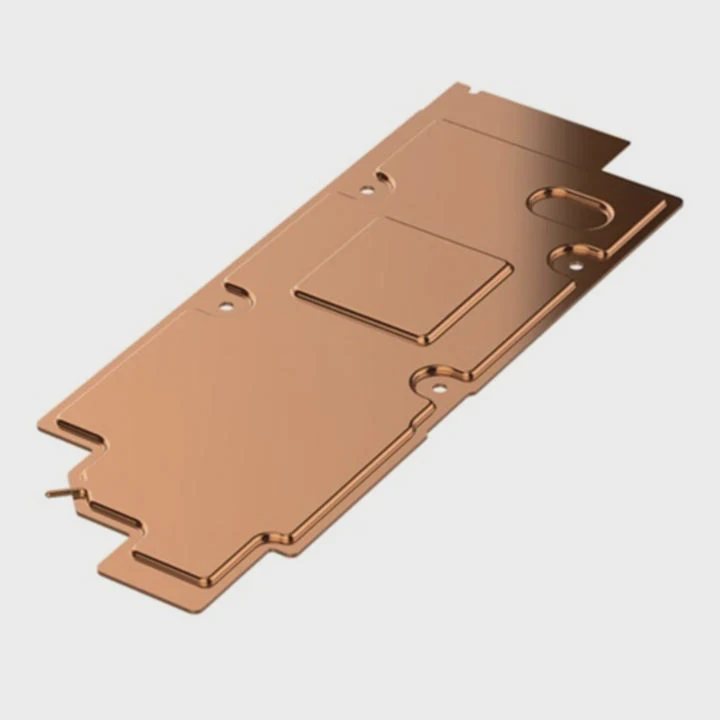
When I first installed my own liquid cooling setup, I expected endless cleaning and fluid changes. But after a few years of hands-on work with industrial and PC systems, I realized the truth: liquid cooling maintenance isn’t hard—it’s about routine and prevention.
Liquid cooling is not difficult to maintain if properly designed. With quality components and scheduled inspections, most systems run reliably for years with minimal upkeep.
Let’s explore what maintenance it actually requires, why it’s worth doing, how to simplify it, and what trends are making cooling systems even easier to manage.
What maintenance does liquid cooling require?
Liquid cooling systems are closed loops, but “closed” doesn’t mean “maintenance-free.” Over time, coolant properties, seals, and pumps naturally age. I treat maintenance as insurance—it prevents small issues from becoming big ones.
Liquid cooling requires periodic inspection, coolant replacement, leak checks, and cleaning of radiators, pumps, and tubing to ensure stable performance and safety.
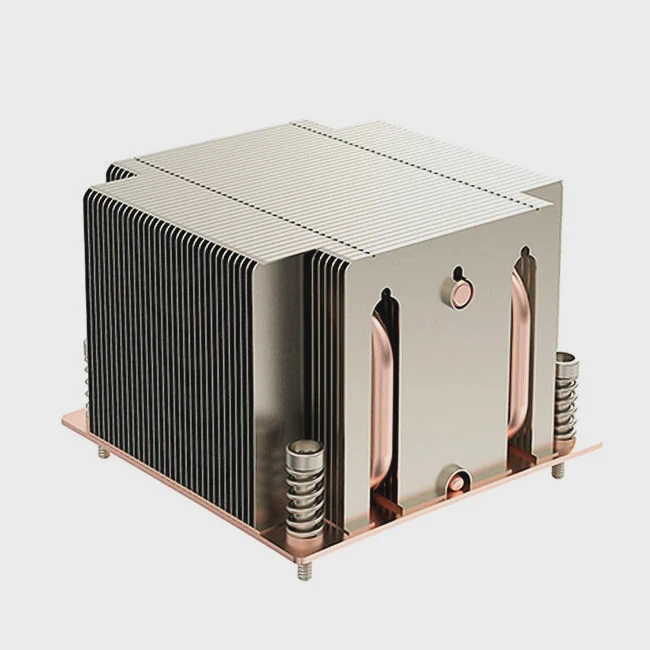
Typical maintenance tasks
| Task | Frequency | Purpose |
|---|---|---|
| Visual inspection | Every 1–2 months | Check for leaks, discoloration, or clouding |
| Coolant top-up | Every 6 months | Compensate for evaporation |
| Full coolant flush & refill | Every 12–24 months | Remove residue and refresh additives |
| Pump and fan test | Every 6 months | Ensure flow and airflow stability |
| Dust removal from radiator | Every 3 months | Prevent clogging and heat buildup |
| Seal and tubing check | Annually | Detect cracks or loose fittings |
Key maintenance areas
- Coolant condition – Replace coolant when color changes, particles appear, or pH drifts from neutral.
- Pump performance – Listen for noise or vibration; these signal wear or air bubbles.
- Radiator airflow – Keep fins dust-free for consistent heat dissipation.
- Tubing transparency – Cloudy tubing often signals biofilm or chemical residue.
- Fittings and joints – Check tightness, especially after moving or shipping the system.
Most maintenance is simple, visual, and mechanical—no special tools needed.
What are the benefits of regular maintenance?
Maintenance may seem tedious, but the payoff is huge. Every well-kept system I’ve managed has outlived its expected lifespan—and stayed quiet and efficient the whole time.
Regular maintenance improves cooling efficiency, prevents leaks and corrosion, extends system life, and keeps performance consistent under high load.
1. Better thermal efficiency
Old or contaminated coolant transfers heat poorly. Fresh coolant restores proper thermal conductivity and keeps CPU or GPU temps stable.
2. Leak prevention
Loose fittings and worn seals are easier to fix early than after a leak damages hardware.
3. Longer lifespan
Clean pumps and radiators last years longer when free from debris or corrosion. In industrial loops, proper care can double equipment life.
4. Lower noise levels
A clean loop reduces strain on the pump and fans, keeping noise low and operation smooth.
5. Stable visual appearance
If you use colored or clear coolant, maintenance keeps the fluid transparent and prevents staining or buildup.
| Benefit | Description | Typical Gain |
|---|---|---|
| Improved cooling | Restores flow and conductivity | 10–15% temp reduction |
| Leak protection | Stops early-stage seal failure | Prevents system loss |
| Pump longevity | Reduces mechanical stress | +3–5 years lifespan |
| Stable aesthetics | Keeps clear fluid and tubing clean | Better visuals |
| Energy efficiency | Maintains low resistance in flow | Lower pump power use |
Good maintenance doesn’t just save money—it saves time, downtime, and frustration.
How to maintain liquid cooling easily?
Over time, I’ve developed a few habits that make cooling system upkeep almost effortless. The trick is to design for maintenance—build with accessibility and monitoring in mind.
To maintain liquid cooling easily, use quick-release fittings, high-quality coolants, integrated sensors, and a clear maintenance schedule.
Step-by-step guide for easy maintenance
Step 1: Plan the loop for access
Place the pump, reservoir, and fill port where you can reach them easily. This makes topping up and bleeding air much faster.
Step 2: Use pre-mixed coolant
Pre-mixed fluids include anti-corrosion and anti-algae additives. They save time and reduce contamination risk from mixing your own formula.
Step 3: Add a drain valve
Install a drain port at the loop’s lowest point. This allows quick fluid replacement without disassembly.
Step 4: Monitor flow and temperature
Integrate sensors for temperature and flow rate. If readings change suddenly, you can detect blockages or pump wear early.
Step 5: Clean radiators regularly
Use compressed air or a soft brush to remove dust every few months. Even a thin layer of dust can cut cooling performance significantly.
Step 6: Schedule annual service
Once a year, drain, flush, and refill the system. A simple rinse with distilled water keeps tubes clear and performance high.
Maintenance checklist
| Task | Tool Needed | Difficulty | Time |
|---|---|---|---|
| Visual check | Flashlight | Easy | 5 min |
| Dust removal | Soft brush or air blower | Easy | 10 min |
| Coolant refill | Funnel & bottle | Moderate | 30 min |
| Full flush | Drain valve & container | Moderate | 45 min |
| Leak test | Pressure tester or pump | Easy | 15 min |
Following this simple routine ensures reliable operation without stress or mess.
What are the trends in low-maintenance cooling?
As cooling systems become smarter, maintenance is becoming simpler and less frequent. Many new solutions almost take care of themselves.
Trends in low-maintenance cooling include self-sealing loops, smart sensors, advanced coolants, and sealed all-in-one (AIO) systems with 5–10 year lifespans.
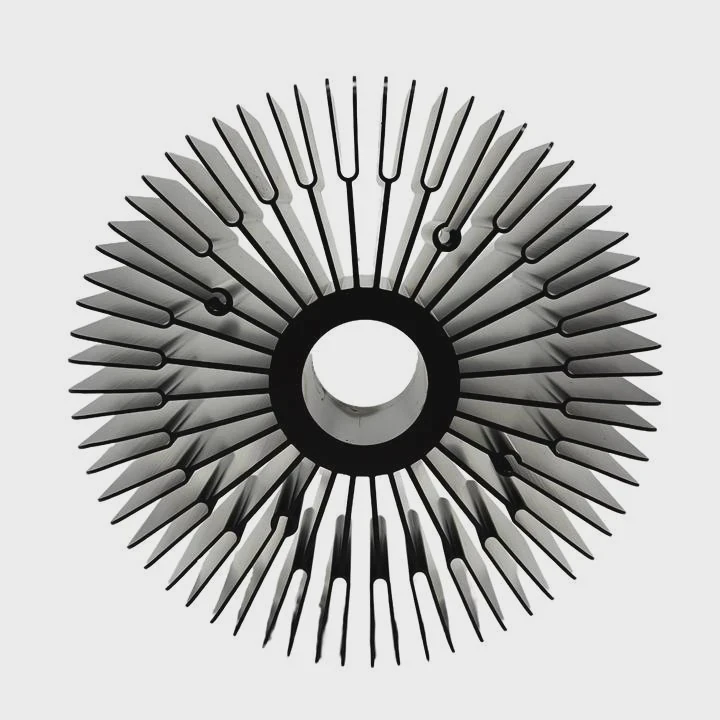
1. Sealed all-in-one (AIO) coolers
Modern AIO units come pre-filled and sealed, requiring no refills for 5–10 years. Brands like Arctic, Corsair, and NZXT now use leak-resistant tubing and magnetic drive pumps.
2. Smart pump control
Pumps can now self-adjust flow rate based on temperature and viscosity. This reduces mechanical stress and extends maintenance intervals.
3. Self-healing coolant additives
Next-gen coolants include self-repairing anti-corrosion films that automatically react to pH changes or oxidation, keeping the loop stable for years.
4. Sensor-based maintenance prediction
Integrated sensors track temperature, pressure, and flow. AI algorithms predict when cleaning or refilling will be needed, long before failure occurs.
5. Non-permeable tubing materials
New polymer blends resist coolant evaporation, oxygen ingress, and staining—reducing the need for top-ups or replacements.
6. Quick-connect modular design
Quick-release fittings and modular radiators make upgrades and servicing tool-free, turning maintenance into a five-minute task.
7. Long-life coolants
Advanced glycol and nanofluid formulations can last 5–7 years without replacement, even under high heat and load.
| Innovation | Effect | Result |
|---|---|---|
| Sealed AIO design | Prevents leaks, no refill | 5–10 years lifespan |
| Smart pump control | Adaptive operation | Longer motor life |
| Self-healing additives | Automatic corrosion repair | Stable chemistry |
| AI diagnostics | Predictive alerts | Zero downtime |
| Improved tubing | No evaporation or staining | Clean, durable loop |
Future direction
By 2030, liquid cooling will become virtually maintenance-free. Smart, self-monitoring systems will handle leaks, flow control, and coolant health autonomously—freeing users from routine upkeep altogether.
Conclusion
Liquid cooling maintenance is simple when done regularly and intelligently. With the right tools, fluids, and design, even complex systems can run for years with only minimal attention. The future of cooling is moving toward automation, making reliability easier—and maintenance almost optional.
TAGS
Latest Articles

Volume discount levels for heat sink orders?
Buyers often ask when heat sink prices start to drop with volume. Many worry they’re overpaying for small orders. This guide explains how B2B volume pricing works for thermal components. Heat sink
21 Dec,2025
Heat sink long-term supply contract options?
Many buyers want stable pricing and reliable delivery for heat sinks. But without a clear contract, risks grow over time. This article explores how to secure better long-term supply deals. Long-term
21 Dec,2025
Tooling cost for new heat sink profiles?
Many engineers struggle to understand why tooling for custom heat sinks costs so much. They worry about budgeting and production timelines. This article breaks down the cost drivers behind tooling.
21 Dec,2025
Heat sink custom sample process steps?
Sometimes, starting a custom heat sink project feels overwhelming—too many steps, too many unknowns, and too many risks. You want a sample, but not endless delays. The process for requesting and
20 Dec,2025
Standard B2B terms for heat sink payments?
When buyers and sellers in B2B heat sink markets talk about payment, many don’t fully understand what’s standard. This can lead to delayed orders, miscommunication, and even lost business
20 Dec,2025
Heat sink pricing factors for large orders?
Heat sinks are vital for many systems. When prices rise, projects stall and budgets break. This problem can hit teams hard without warning. Large order heat sink pricing depends on many factors. You
20 Dec,2025Related Articles
- What liquid is in liquid cooling?
- Which CPU liquid cooler is best?
- Why is liquid cooling better?
- How to cool liquid quickly?
- Why has the liquid cooling system replaced the air types?
- Is glass a super-cooled liquid?
- How Do Liquid Cooling Systems Work?
- What Does Liquid Cooling Do in a Computer?
- How to convert air-cooled engine to liquid-cooled engine?
- What liquid is used in immersion cooling?
- How to use a liquid CPU cooler?
- How to Liquid Cool a Graphics Card?
Author
Dr. Emily Chen
Chief AI Researcher
Leading expert in thermal dynamics and AI optimization with over 15 years of experience in data center efficiency research.
Categories
Latest Products






Recommend Categories
- Liquid cooling plate Manufacturer
- Industrial Heat Sink Manufacturer
- Standard Heat Sink Manufacturer
- Aluminum Heat Sink Manufacturer
- Copper Heat Sink Manufacturer
- Anodized Heatsink Manufacturer
- Stamping heat sink Manufacturer
- Die Casting Heatsink Manufacturer
- Soldering heat sink Manufacturer
- CNC Parts Manufacturer
Latest Products
- Wholesale Aluminum Radiator
- Water Cooling Plate Kit
- Water Cooling Heat Sink
- Water Cooling Heat Sink Kit
- Stainless Steel Water Distributor
- Server Water Cooling Plate Kit
- Server Liquid Cooling System
- Server Aluminum Cooling Kit
- S19 Full Cover Cooling Plate
- S19 Cooling Plate Kit
- S19 Aluminum Cooling Plate
Contact Expert
Have questions about this article? Reach out to our experts directly.