What does liquid cooling look like?
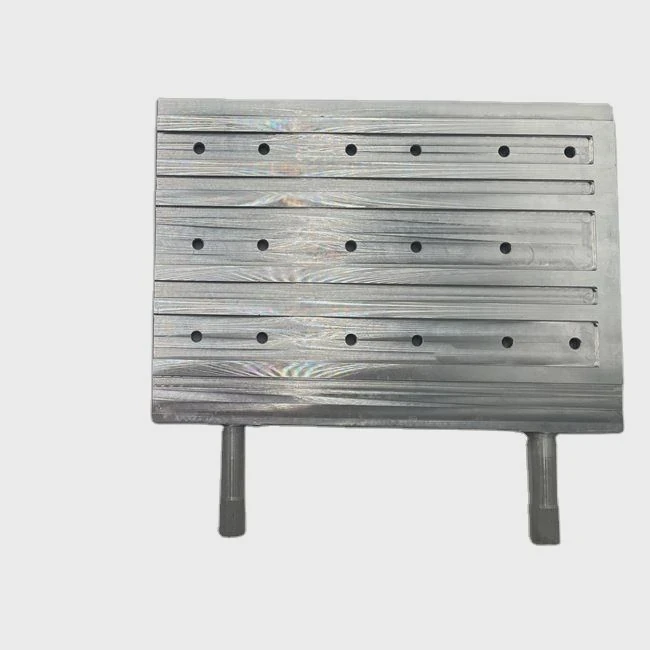
When you first see a liquid cooling system, it instantly feels different—sleek, modern, and engineered for precision.
Liquid cooling systems feature transparent tubes, glowing coolant, radiators, pumps, and neatly arranged blocks that bring both performance and beauty together.
They not only control temperature efficiently but also transform the engine bay or PC case into a piece of functional art.
What components are visible in a liquid cooling setup?
When I look at a well-built liquid cooling system, it’s like watching a network of living veins—coolant moving smoothly, lights reflecting off metal, every part working in sync.
Visible parts include the radiator, pump, reservoir, cooling blocks, and transparent tubing that circulate the coolant.
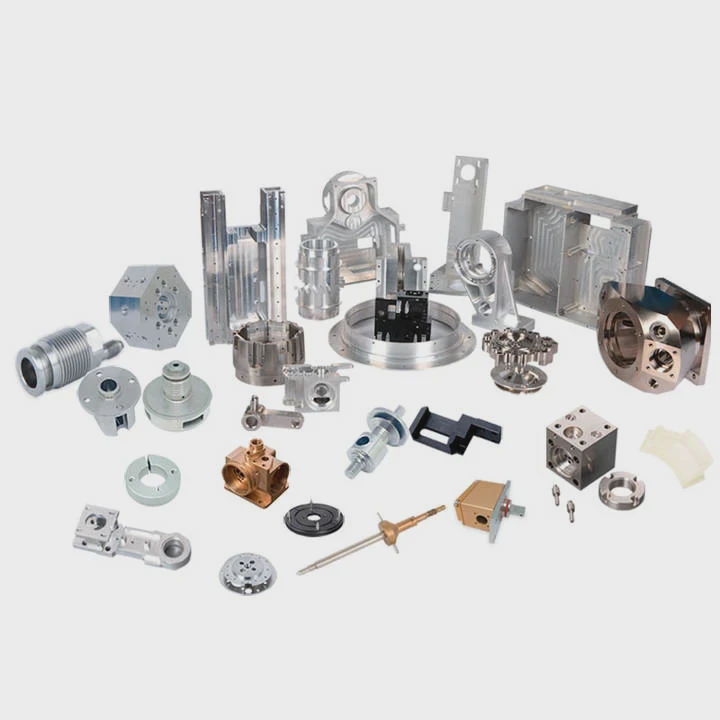
Main visible components
| Component | Function | Appearance |
|---|---|---|
| Radiator | Transfers heat to air | Usually rectangular, with metal fins and fans |
| Pump | Moves coolant through system | Cylindrical or cube-like, often visible near reservoir |
| Reservoir | Stores and equalizes coolant | Clear container, sometimes illuminated |
| Cooling Blocks | Absorb heat from CPU, GPU, or engine | Metallic blocks with transparent tops |
| Tubing | Connects all components | Clear or colored, flexible or rigid |
| Coolant | Fluid medium for heat transfer | Colored or transparent, may glow with additives |
Optional accessories
Many builds include LED lighting strips, RGB fittings, flow indicators, and pressure sensors. These additions help monitor performance while adding a stylish look. For automotive systems, the visual focus often sits around the radiator or transparent reservoir mounted in accessible locations.
Material choices
Liquid cooling systems often use a mix of aluminum, copper, and acrylic.
Aluminum offers lightweight strength; copper improves heat transfer; acrylic or PETG tubing adds clear visibility for coolant flow.
In custom builds, people use braided hoses or anodized fittings to enhance the look while keeping durability.
What are the aesthetic benefits?
A clean liquid cooling setup doesn’t just cool efficiently—it looks purposeful and high-end.
Aesthetic benefits include cleaner visuals, customizable colors, lighting effects, and a professional-grade appearance.
Why it looks impressive
Liquid cooling replaces bulky air fans with slim tubes and organized layouts.
The transparent coolant lines add visual flow, giving a sense of movement even when the system is still. LED lighting enhances contrast, while metal fittings and blocks give a strong, mechanical style.
Common aesthetic advantages
| Aesthetic Feature | Description |
|---|---|
| Clean layout | Organized tubes create symmetry and order |
| Lighting control | RGB LEDs add ambient glow and highlight flow paths |
| Color customization | Coolant colors define personality—blue for cool tone, red for performance |
| Transparency | Exposes the engineering inside the system |
| Material finish | Brushed metal and clear acrylic combine industrial and luxury styles |
The emotional effect
When people see a glowing, liquid-cooled engine or PC, they often pause. It gives the impression of power under control. Every tube and fitting looks deliberate. For automotive enthusiasts, it’s similar to watching polished metal and high-flow components working in harmony. It communicates craftsmanship and technical confidence.
How to design an appealing liquid cooling build?
Designing a beautiful liquid cooling setup is both art and engineering. You must plan the visual path of coolant, lighting tone, and color coordination.
To design an appealing build, focus on layout symmetry, color consistency, lighting balance, and cable management.
Step 1: Plan your layout
Before buying components, sketch the path of your cooling loop.
In a PC, this might go from CPU → GPU → Radiator → Reservoir → Pump → back to CPU.
In automotive setups, it could be from engine block → radiator → reservoir → pump → return line.
The goal is to make coolant movement visible and logical, with minimal hose crossings.
Step 2: Choose your colors
Pick one or two main colors to keep the look balanced. For example:
- Blue coolant with silver fittings feels cool and technical.
- Red coolant with black fittings adds aggression.
- Clear coolant with white lighting gives a clean industrial vibe.
Step 3: Use consistent materials
Mixing too many materials (like plastic, steel, and brass) can create visual noise. Choose a dominant finish—such as brushed aluminum or transparent acrylic—and repeat it across blocks and fittings.
Step 4: Manage cables and hoses
Even the most advanced cooling system can look messy if cables are tangled.
Route cables along straight lines or hide them behind panels. For transparent tubes, plan gentle curves instead of sharp bends. Use 45° or 90° fittings to make smooth transitions.
Step 5: Balance lighting
Lighting can make or break the design. Use soft diffused light instead of harsh direct LEDs. Match the brightness of all zones and avoid color clashes.
A single-tone glow along coolant lines can emphasize flow direction and highlight craftsmanship.
Example layout guideline
| Design Element | Best Practice |
|---|---|
| Coolant Flow Direction | Visible, clean path without overlap |
| Lighting | Single color theme with even brightness |
| Tubing Material | PETG or acrylic for clarity |
| Fittings | Uniform design, matching color tone |
| Pump and Reservoir | Mounted visibly but balanced with layout |
Personal experience
When I built my first visible cooling setup, I realized that small details mattered the most. Aligning fittings, matching screw colors, and hiding wires turned an ordinary engine bay into something people wanted to photograph. It showed performance, but also discipline and taste.
What are the visual design trends in cooling systems?
In recent years, the line between performance engineering and design has blurred. Cooling systems are now part of a visual identity.
The latest visual trends focus on minimalism, symmetry, lighting integration, and sustainability-driven materials.
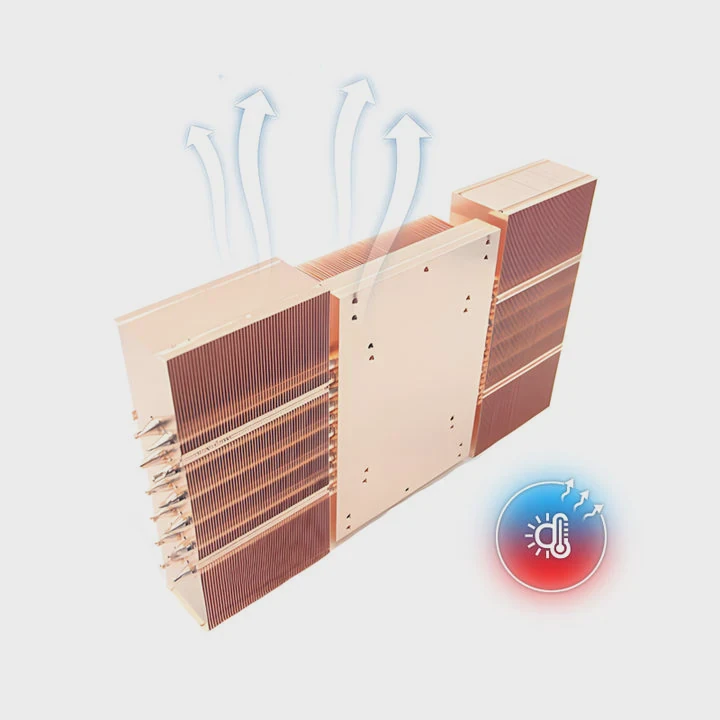
Trend 1: Transparent and minimal design
Clear coolant tubes and see-through reservoirs let you watch the coolant move. This creates a “living system” aesthetic. Many builders prefer straight lines and geometric layouts, reducing clutter for a calm, futuristic look.
Trend 2: Integrated lighting
LED and RGB systems are now embedded directly into pumps, radiators, and blocks. Instead of external light strips, glow effects come from the coolant itself.
Smart controllers adjust lighting based on temperature, creating an interactive display—cooler temps show blue, higher temps shift to red or purple.
Trend 3: Hybrid material combinations
Manufacturers combine metal with glass or acrylic for modern contrast. Polished aluminum frames with transparent covers highlight both structure and function.
This hybrid style is common in both PC builds and high-end automotive prototypes.
Trend 4: Compact modular systems
People want compactness without losing style. Modular radiators, pump-reservoir combos, and quick-connect fittings simplify design and make systems more accessible.
This trend allows engineers to display the entire cooling circuit while keeping it serviceable and neat.
Trend 5: Eco-friendly and recyclable materials
With sustainability in focus, modern liquid cooling setups use recyclable aluminum, non-toxic coolants, and reduced plastic fittings.
Coolants now come with biodegradable additives and UV-stable dyes that maintain color without chemical degradation.
Trend 6: Industrial inspiration
A growing aesthetic direction borrows from aerospace and manufacturing. Builders expose fittings, rivets, and weld seams intentionally. The goal is to show authenticity and precision rather than hiding it.
Laser-welded edges and brushed finishes make the setup look like professional equipment, not a decorative piece.
Trend 7: Smart monitoring aesthetics
Modern cooling systems now display real-time data through small LCD panels or digital indicators integrated into the reservoir or block.
These screens show temperature, flow rate, and pressure, blending functionality with futuristic style.
Example of visual trend adoption
| Trend | Visual Effect | Benefit |
|---|---|---|
| Transparent Loop | Fluid visibility | Dynamic movement effect |
| Embedded Lighting | Soft glow | Mood and temperature feedback |
| Modular Layout | Compact and clean | Easy maintenance |
| Recyclable Materials | Matte finish | Eco-friendly and durable |
Final thoughts on visual design
Whether it’s in an electric vehicle cooling module or a custom PC build, the visual trend leans toward clarity and intention. Every visible part now carries both a purpose and a message: control, precision, and sustainability.
For me, designing a liquid cooling system isn’t only about function—it’s about expressing engineering through art. Watching coolant flow through clear lines under soft light always reminds me that beauty often lives in motion.
Conclusion
Liquid cooling systems combine engineering performance with artistic design. Visible parts like radiators, pumps, and coolant loops turn mechanical function into visual rhythm. Modern trends favor transparency, symmetry, and eco-friendly materials, proving that cooling can be both efficient and beautiful.
TAGS
Latest Articles

Volume discount levels for heat sink orders?
Buyers often ask when heat sink prices start to drop with volume. Many worry they’re overpaying for small orders. This guide explains how B2B volume pricing works for thermal components. Heat sink
21 Dec,2025
Heat sink long-term supply contract options?
Many buyers want stable pricing and reliable delivery for heat sinks. But without a clear contract, risks grow over time. This article explores how to secure better long-term supply deals. Long-term
21 Dec,2025
Tooling cost for new heat sink profiles?
Many engineers struggle to understand why tooling for custom heat sinks costs so much. They worry about budgeting and production timelines. This article breaks down the cost drivers behind tooling.
21 Dec,2025
Heat sink custom sample process steps?
Sometimes, starting a custom heat sink project feels overwhelming—too many steps, too many unknowns, and too many risks. You want a sample, but not endless delays. The process for requesting and
20 Dec,2025
Standard B2B terms for heat sink payments?
When buyers and sellers in B2B heat sink markets talk about payment, many don’t fully understand what’s standard. This can lead to delayed orders, miscommunication, and even lost business
20 Dec,2025
Heat sink pricing factors for large orders?
Heat sinks are vital for many systems. When prices rise, projects stall and budgets break. This problem can hit teams hard without warning. Large order heat sink pricing depends on many factors. You
20 Dec,2025Related Articles
- How to Liquid Cool a Graphics Card?
- How to use a liquid CPU cooler?
- What liquid is used in immersion cooling?
- How to convert air-cooled engine to liquid-cooled engine?
- What Does Liquid Cooling Do in a Computer?
- How Do Liquid Cooling Systems Work?
- Is liquid cooling worth it Reddit?
- Where to connect a liquid cooler pump?
- How Much Does a Liquid Cooling System Cost?
- What liquid does liquid cooling use?
- How much is liquid cooling?
- Is liquid cooling better than fan cooling?
Author
Dr. Emily Chen
Chief AI Researcher
Leading expert in thermal dynamics and AI optimization with over 15 years of experience in data center efficiency research.
Categories
Latest Products






Recommend Categories
- Liquid cooling plate Manufacturer
- Industrial Heat Sink Manufacturer
- Standard Heat Sink Manufacturer
- Aluminum Heat Sink Manufacturer
- Copper Heat Sink Manufacturer
- Anodized Heatsink Manufacturer
- Stamping heat sink Manufacturer
- Die Casting Heatsink Manufacturer
- Soldering heat sink Manufacturer
- CNC Parts Manufacturer
Latest Products
- Wholesale Aluminum Radiator
- Water Cooling Plate Kit
- Water Cooling Heat Sink
- Water Cooling Heat Sink Kit
- Stainless Steel Water Distributor
- Server Water Cooling Plate Kit
- Server Liquid Cooling System
- Server Aluminum Cooling Kit
- S19 Full Cover Cooling Plate
- S19 Cooling Plate Kit
- S19 Aluminum Cooling Plate
Contact Expert
Have questions about this article? Reach out to our experts directly.