What liquid is used in immersion cooling?
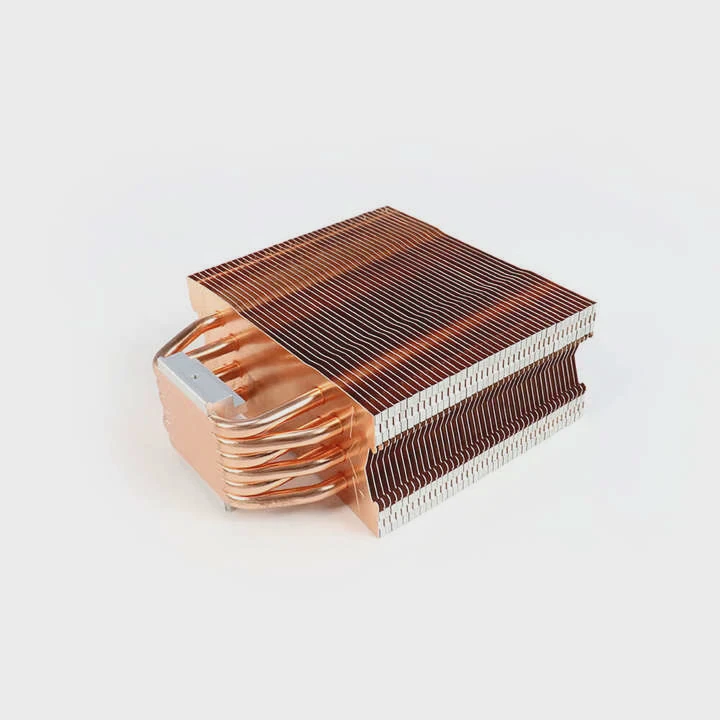
Immersion cooling uses special dielectric liquids to cool high-performance electronics. These liquids are safe, non-conductive, and have excellent heat transfer capabilities.
Immersion cooling liquids are dielectric fluids designed to absorb and transfer heat efficiently without causing short circuits or corrosion in electronic components.
These liquids have become the heart of next-generation thermal management systems, especially for data centers, EV batteries, and power electronics.
What is immersion cooling?
Immersion cooling is a process where electronic components are fully submerged in a thermally conductive but electrically non-conductive liquid. The liquid absorbs heat directly from the components and transfers it to a cooling unit.
Immersion cooling is a technique where devices are immersed in a dielectric liquid to remove heat efficiently, reducing the need for traditional air cooling systems.
Understanding the mechanism
When devices like GPUs or power converters generate heat, the dielectric liquid absorbs it instantly. The liquid then flows to a heat exchanger where the heat is removed, and the cooled liquid returns to the system.
There are two main types:
- Single-phase immersion cooling – The liquid remains in the same phase and is continuously circulated.
- Two-phase immersion cooling – The liquid boils and changes phase, absorbing large amounts of heat before condensing back.
| Cooling Type | Mechanism | Application |
|---|---|---|
| Single-phase | Liquid remains stable and circulates | Data centers, power modules |
| Two-phase | Liquid evaporates and condenses | High-density servers, GPUs |
Immersion cooling eliminates fans and airflow restrictions, making it quieter and more energy-efficient than air or liquid cold plate systems.
What liquid is used in immersion cooling?
The type of liquid used in immersion cooling determines both performance and safety. It must not conduct electricity and should have excellent thermal properties.
Most immersion cooling systems use synthetic dielectric fluids, such as mineral oils, fluorocarbon-based fluids, or engineered hydrocarbon fluids.
Common immersion liquids
- Mineral oil – Cost-effective and widely available, but heavier and less efficient in long-term use.
- Fluorocarbon fluids (like 3M™ Novec™) – Chemically stable, non-flammable, and low viscosity, ideal for two-phase systems.
- Synthetic hydrocarbons (PAO or esters) – Eco-friendly and customizable thermal properties.
- Silicone oils – Stable at high temperatures and suitable for sensitive electronics.
| Type | Conductivity | Stability | Common Use |
|---|---|---|---|
| Mineral oil | Non-conductive | Moderate | Low-cost data centers |
| Fluorocarbon fluid | Non-conductive | Very high | High-performance servers |
| Synthetic hydrocarbon | Non-conductive | High | EV battery cooling |
| Silicone oil | Non-conductive | High | Aerospace systems |
Each liquid has different boiling points, viscosity, and environmental effects. Choosing the right one depends on heat load, maintenance requirements, and sustainability goals.
What are the benefits of immersion liquids?
Immersion liquids bring several advantages compared to air or cold plate cooling. They not only enhance heat transfer but also improve reliability and system life.
Immersion liquids reduce energy consumption, protect components from dust and corrosion, and allow higher power density operation with stable temperature control.
Key advantages explained
1. Better thermal performance
Liquids have higher heat capacity and thermal conductivity than air. This means they absorb heat faster and maintain stable operating temperatures.
2. Noise and vibration reduction
Immersion cooling removes the need for fans, reducing mechanical stress and noise pollution.
3. Extended component life
Electronic components under stable thermal conditions age slower. Less heat cycling means fewer failures.
4. Energy savings
By eliminating fans and chillers, immersion systems can reduce energy use by 30%–50%, depending on system design.
5. Environmental protection
Modern dielectric fluids are non-toxic and can be recycled or reused, lowering carbon footprint.
Example: Immersion cooling in data centers
In data centers, immersion cooling allows servers to run at high power density without air conditioning. The liquid directly contacts the heat sources, improving performance and efficiency.
How to choose the best immersion liquid?
Selecting the right liquid is crucial for performance, safety, and cost-efficiency.
The best immersion liquid depends on thermal conductivity, dielectric strength, stability, environmental impact, and system compatibility.
Factors to consider
1. Thermal performance
The liquid should have high heat capacity and low viscosity to ensure smooth circulation and efficient cooling.
2. Dielectric properties
It must not conduct electricity or cause corrosion. Dielectric strength should remain consistent over time.
3. Chemical stability
Long-term stability is important, especially for systems that run 24⁄7. Some oils may degrade or absorb moisture.
4. Environmental impact
Choose low-GWP (Global Warming Potential) and non-toxic fluids. Some older fluorocarbon fluids have high environmental costs.
5. Cost and availability
While synthetic or engineered fluids offer high performance, their cost can be several times higher than mineral oil.
Comparison of selection criteria
| Criteria | Importance | Description |
|---|---|---|
| Thermal conductivity | ★★★★★ | Determines cooling efficiency |
| Dielectric strength | ★★★★★ | Prevents electrical faults |
| Chemical stability | ★★★★☆ | Impacts long-term use |
| Environmental safety | ★★★★☆ | Affects sustainability |
| Cost efficiency | ★★★☆☆ | Depends on budget and scale |
Selecting a liquid is about balance — matching technical needs with long-term sustainability goals. For large-scale data centers, engineered fluorocarbons may justify higher costs with better reliability and energy savings.
What are the trends in immersion cooling technology?
Immersion cooling continues to evolve as demand for high-performance, sustainable solutions grows across industries.
New immersion cooling trends focus on eco-friendly fluids, advanced materials, integrated sensors, and hybrid cooling architectures.
Emerging trends
1. Eco-friendly dielectric fluids
Manufacturers are developing biodegradable and low-GWP fluids that perform like fluorocarbons but with less environmental impact. Hydrocarbon-based and ester-based fluids are gaining popularity.
2. Modular cooling designs
Future systems are becoming modular and scalable, making installation and maintenance easier for data centers and industrial applications.
3. Integration with AI and IoT
Sensors and AI algorithms monitor temperature, viscosity, and flow rate, predicting maintenance needs and optimizing performance in real time.
4. Hybrid thermal systems
Some manufacturers combine immersion cooling with cold plate or heat pipe systems for localized cooling of hot spots.
5. Adoption in new sectors
Beyond data centers, immersion cooling is entering EV batteries, aerospace systems, and renewable energy inverters where space and temperature control are critical.
Example: Smart immersion cooling system
Recent developments include smart fluids that adjust viscosity with temperature and integrated micro-bubble control for consistent cooling. These innovations help maintain performance while reducing energy consumption.
Conclusion
Immersion cooling liquids are transforming how we manage heat in modern electronics. The right liquid not only ensures stable performance but also drives sustainability and energy efficiency. As technology advances, eco-friendly and intelligent immersion systems will become the new standard.
TAGS
Latest Articles

Volume discount levels for heat sink orders?
Buyers often ask when heat sink prices start to drop with volume. Many worry they’re overpaying for small orders. This guide explains how B2B volume pricing works for thermal components. Heat sink
21 Dec,2025
Heat sink long-term supply contract options?
Many buyers want stable pricing and reliable delivery for heat sinks. But without a clear contract, risks grow over time. This article explores how to secure better long-term supply deals. Long-term
21 Dec,2025
Tooling cost for new heat sink profiles?
Many engineers struggle to understand why tooling for custom heat sinks costs so much. They worry about budgeting and production timelines. This article breaks down the cost drivers behind tooling.
21 Dec,2025
Heat sink custom sample process steps?
Sometimes, starting a custom heat sink project feels overwhelming—too many steps, too many unknowns, and too many risks. You want a sample, but not endless delays. The process for requesting and
20 Dec,2025
Standard B2B terms for heat sink payments?
When buyers and sellers in B2B heat sink markets talk about payment, many don’t fully understand what’s standard. This can lead to delayed orders, miscommunication, and even lost business
20 Dec,2025
Heat sink pricing factors for large orders?
Heat sinks are vital for many systems. When prices rise, projects stall and budgets break. This problem can hit teams hard without warning. Large order heat sink pricing depends on many factors. You
20 Dec,2025Related Articles
- How to convert air-cooled engine to liquid-cooled engine?
- What Does Liquid Cooling Do in a Computer?
- How Do Liquid Cooling Systems Work?
- Is liquid cooling hard to maintain?
- What liquid is in liquid cooling?
- Which CPU liquid cooler is best?
- How to use a liquid CPU cooler?
- How to Liquid Cool a Graphics Card?
- What does liquid cooling look like?
- Is liquid cooling worth it Reddit?
- Where to connect a liquid cooler pump?
- How Much Does a Liquid Cooling System Cost?
Author
Dr. Emily Chen
Chief AI Researcher
Leading expert in thermal dynamics and AI optimization with over 15 years of experience in data center efficiency research.
Categories
Latest Products






Recommend Categories
- Liquid cooling plate Manufacturer
- Industrial Heat Sink Manufacturer
- Standard Heat Sink Manufacturer
- Aluminum Heat Sink Manufacturer
- Copper Heat Sink Manufacturer
- Anodized Heatsink Manufacturer
- Stamping heat sink Manufacturer
- Die Casting Heatsink Manufacturer
- Soldering heat sink Manufacturer
- CNC Parts Manufacturer
Latest Products
- Wholesale Aluminum Radiator
- Water Cooling Plate Kit
- Water Cooling Heat Sink
- Water Cooling Heat Sink Kit
- Stainless Steel Water Distributor
- Server Water Cooling Plate Kit
- Server Liquid Cooling System
- Server Aluminum Cooling Kit
- S19 Full Cover Cooling Plate
- S19 Cooling Plate Kit
- S19 Aluminum Cooling Plate
Contact Expert
Have questions about this article? Reach out to our experts directly.