Which CPU liquid cooler is best?
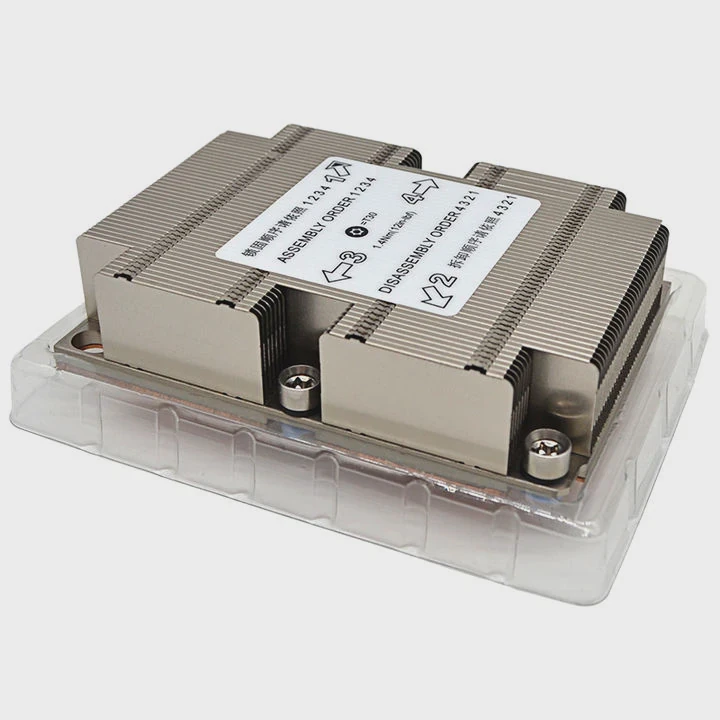
When I built my first workstation, I underestimated how much heat a modern CPU could produce. Air coolers started to sound like jet engines under load. Switching to liquid cooling changed everything—it was quieter, cooler, and more stable.
The best CPU liquid cooler is one that matches your CPU’s power, fits your case, runs quietly, and maintains low temperatures efficiently. Top models today combine strong pumps, dense radiators, and smart control systems.
Let’s explore what defines a great cooler, why premium ones stand out, how to choose correctly, and what trends shape cooler performance today.
What defines a good CPU liquid cooler?
Every cooler promises performance, but not all deliver it consistently. From my experience in thermal design, great coolers share the same core qualities.
A good CPU liquid cooler balances high cooling efficiency, low noise, durable materials, and compatibility with your CPU and case.
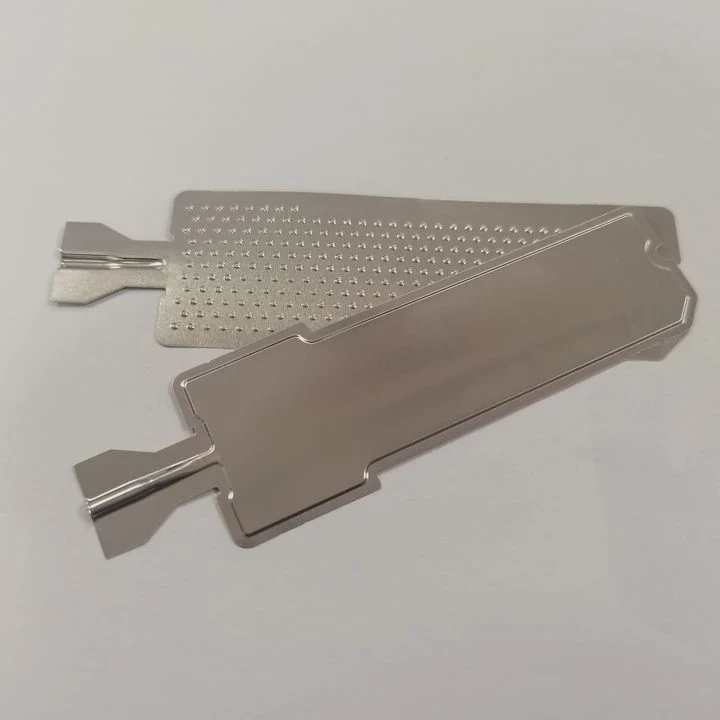
Key factors that define quality
| Factor | Description | Ideal Range |
|---|---|---|
| Cooling performance | Ability to maintain low CPU temps under load | <70 °C under full load |
| Radiator size | Larger radiators improve heat dissipation | 240–360 mm for high-end CPUs |
| Pump efficiency | Controls coolant flow and noise | Ceramic bearing, low vibration |
| Fan quality | Determines airflow and noise levels | PWM fans with noise < 35 dBA |
| Coolant durability | Prevents corrosion and evaporation | Pre-mixed glycol or dielectric |
| Mounting & compatibility | Fits Intel LGA 1700⁄1851 and AMD AM5/AM4 | Universal mounting kit |
A well-designed liquid cooler not only cools efficiently but also maintains consistent performance over years of operation.
What are the advantages of top-rated models?
When you invest in a high-quality liquid cooler, the benefits go beyond numbers on a graph. You feel it—in quieter operation, steady performance, and peace of mind.
Top-rated coolers deliver lower temperatures, less noise, higher overclocking stability, longer component lifespan, and improved aesthetics.
Major benefits
- Superior thermal control – Liquid coolers handle high heat loads better than air, keeping temperatures 10–20 °C lower.
- Quieter operation – Pumps are quieter than high-RPM fans, reducing overall system noise.
- Improved CPU performance – Cooler CPUs maintain higher boost clocks, improving gaming and rendering speeds.
- Longer component life – Stable temperatures reduce thermal cycling and extend CPU and VRM lifespan.
- Aesthetic design – Premium coolers include RGB lighting and LCD displays for system monitoring.
| Advantage | Description | Example |
|---|---|---|
| High heat capacity | Handles >250 W TDP CPUs | i9-14900K / Ryzen 9 7950X |
| Quiet cooling | <35 dBA at full load | Arctic Liquid Freezer III Pro |
| Durability | 5–10 years of operation | Corsair iCUE Link TITAN 360 |
| Smart features | LCD displays, RGB control | NZXT Kraken Elite 360 |
| Compact design | Fits standard mid-tower cases | Phanteks Glacier One 360 G2 |
Premium coolers perform better not only in benchmarks but also in long-term reliability and noise balance.
How to choose the best cooler for your CPU?
I always tell my clients: choosing a cooler is like choosing a pair of shoes—it must fit perfectly. Size, socket, and workload define your best match.
To choose the best CPU cooler, consider your CPU’s heat output, case size, radiator compatibility, and budget, then match these to the cooler’s capacity and features.
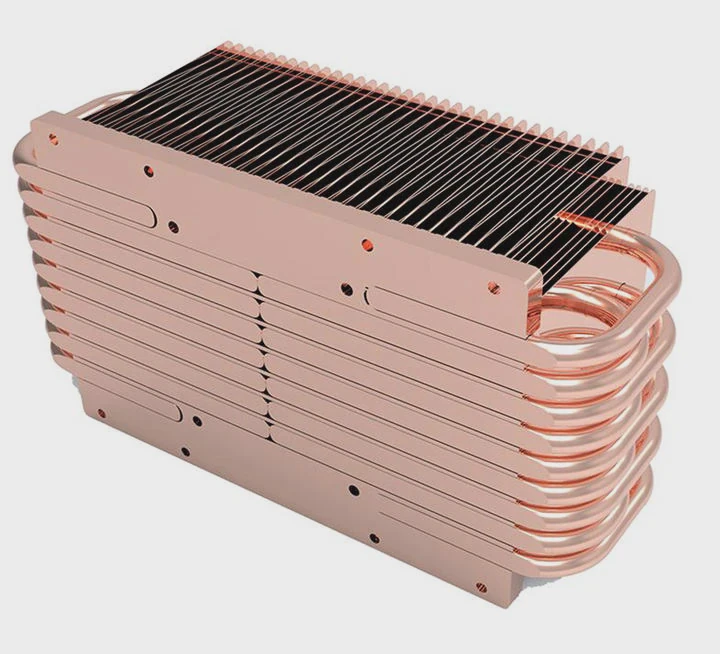
Step-by-step guide
1. Know your CPU’s TDP
Check your processor’s thermal design power (TDP).
- Mid-range CPUs (≤ 150 W): 240 mm cooler is fine.
- High-end CPUs (≥ 200 W): 280–360 mm cooler recommended.
2. Check case clearance
Measure radiator mounting space (top, front, or side). Ensure fan and tubing fit without touching RAM or GPU.
3. Confirm socket compatibility
Modern coolers support Intel LGA 1700⁄1851 and AMD AM4/AM5. Always check the mounting kit before buying.
4. Balance noise and performance
Choose models with PWM-controlled fans and low-vibration pumps for quiet environments.
5. Match your aesthetic preference
If you care about visuals, go for RGB or LCD pump versions like NZXT Kraken Elite 360. If you prefer simplicity, Arctic Liquid Freezer III Pro offers high performance without flashy lights.
6. Compare cost versus value
High-end coolers often cost over \(200, but strong performers like **Arctic Liquid Freezer III Pro 360 A-RGB** or **Phanteks Glacier One G2** offer 95% of that performance for under \)100.
Recommended models (2025)
| Model | Radiator | Rating | Key Feature |
|---|---|---|---|
| Arctic Liquid Freezer III Pro 360 A-RGB | 360 mm | ★★★★★ | Best overall performance/value |
| Corsair iCUE Link TITAN 360 RX LCD | 360 mm | ★★★★★ | Premium build with LCD screen |
| NZXT Kraken Elite 360 RGB | 360 mm | ★★★★☆ | Great thermals and design |
| Phanteks Glacier One 360M25 G2 | 360 mm | ★★★★☆ | Affordable high-efficiency cooler |
| EK AIO 360 D-RGB | 360 mm | ★★★★☆ | Reliable, clean design |
| NZXT Kraken Plus 240 RGB | 240 mm | ★★★★☆ | Compact and quiet solution |
If you want the best balance between cost, cooling, and noise—Arctic Liquid Freezer III Pro 360 is the current all-round champion.
What are the trends in cooler performance?
The cooling market evolves fast. Over the last few years, I’ve seen massive improvements in efficiency, automation, and sustainability.
Trends in CPU cooler performance include smarter pump control, two-phase cooling, microchannel cold plates, AI-based monitoring, and eco-friendly fluid technology.
1. Microchannel cold plates
New microchannel designs increase surface area for heat exchange, achieving faster heat transfer in smaller spaces.
2. AI and smart pump control
Modern coolers automatically adjust fan and pump speeds based on CPU load and temperature data, optimizing performance and noise dynamically.
3. Two-phase and vapor-chamber cooling
High-end coolers now integrate phase-change systems that use evaporation and condensation for ultra-fast heat removal—common in servers and workstations.
4. Eco-friendly coolants
Manufacturers are replacing glycol-based fluids with biodegradable, non-toxic coolants that maintain performance while reducing environmental impact.
5. Modular and serviceable design
Brands like Corsair and EK offer modular loops with replaceable pumps or fans—making upgrades or maintenance easier without full replacements.
6. Aesthetic and monitoring integration
Pump heads now feature high-refresh LCD displays showing CPU temp, load, or custom animations. RGB synchronization remains a user favorite.
| Trend | Description | Benefit |
|---|---|---|
| Smart control | AI-regulated pump/fan speed | Lower noise, higher efficiency |
| Microchannel design | Finer heat transfer paths | Better cooling at lower flow rates |
| Eco-coolant | Low-impact formulations | Sustainable operation |
| Modular loops | Replaceable components | Longer lifespan |
| LCD integration | Real-time data on pump head | Easy monitoring |
Looking forward
By 2030, liquid coolers will likely be self-learning thermal systems that predict heat spikes before they happen and adjust cooling instantly—combining performance, silence, and sustainability in one package.
Conclusion
The best CPU liquid cooler is one that fits your system, balances power with silence, and keeps your CPU running at its best for years. With modern smart pumps, eco-friendly coolants, and modular radiators, liquid cooling has become the new standard for both enthusiasts and professionals.
TAGS
Latest Articles

Volume discount levels for heat sink orders?
Buyers often ask when heat sink prices start to drop with volume. Many worry they’re overpaying for small orders. This guide explains how B2B volume pricing works for thermal components. Heat sink
21 Dec,2025
Heat sink long-term supply contract options?
Many buyers want stable pricing and reliable delivery for heat sinks. But without a clear contract, risks grow over time. This article explores how to secure better long-term supply deals. Long-term
21 Dec,2025
Tooling cost for new heat sink profiles?
Many engineers struggle to understand why tooling for custom heat sinks costs so much. They worry about budgeting and production timelines. This article breaks down the cost drivers behind tooling.
21 Dec,2025
Heat sink custom sample process steps?
Sometimes, starting a custom heat sink project feels overwhelming—too many steps, too many unknowns, and too many risks. You want a sample, but not endless delays. The process for requesting and
20 Dec,2025
Standard B2B terms for heat sink payments?
When buyers and sellers in B2B heat sink markets talk about payment, many don’t fully understand what’s standard. This can lead to delayed orders, miscommunication, and even lost business
20 Dec,2025
Heat sink pricing factors for large orders?
Heat sinks are vital for many systems. When prices rise, projects stall and budgets break. This problem can hit teams hard without warning. Large order heat sink pricing depends on many factors. You
20 Dec,2025Related Articles
- Why is liquid cooling better?
- How to cool liquid quickly?
- Why has the liquid cooling system replaced the air types?
- Is glass a super-cooled liquid?
- How does liquid cooling work in data centers?
- What happens when a liquid is cooled?
- What liquid is in liquid cooling?
- Is liquid cooling hard to maintain?
- How Do Liquid Cooling Systems Work?
- What Does Liquid Cooling Do in a Computer?
- How to convert air-cooled engine to liquid-cooled engine?
- What liquid is used in immersion cooling?
Author
Dr. Emily Chen
Chief AI Researcher
Leading expert in thermal dynamics and AI optimization with over 15 years of experience in data center efficiency research.
Categories
Latest Products






Recommend Categories
- Liquid cooling plate Manufacturer
- Industrial Heat Sink Manufacturer
- Standard Heat Sink Manufacturer
- Aluminum Heat Sink Manufacturer
- Copper Heat Sink Manufacturer
- Anodized Heatsink Manufacturer
- Stamping heat sink Manufacturer
- Die Casting Heatsink Manufacturer
- Soldering heat sink Manufacturer
- CNC Parts Manufacturer
Latest Products
- Wholesale Aluminum Radiator
- Water Cooling Plate Kit
- Water Cooling Heat Sink
- Water Cooling Heat Sink Kit
- Stainless Steel Water Distributor
- Server Water Cooling Plate Kit
- Server Liquid Cooling System
- Server Aluminum Cooling Kit
- S19 Full Cover Cooling Plate
- S19 Cooling Plate Kit
- S19 Aluminum Cooling Plate
Contact Expert
Have questions about this article? Reach out to our experts directly.