How to install Vapor Chamber correctly?
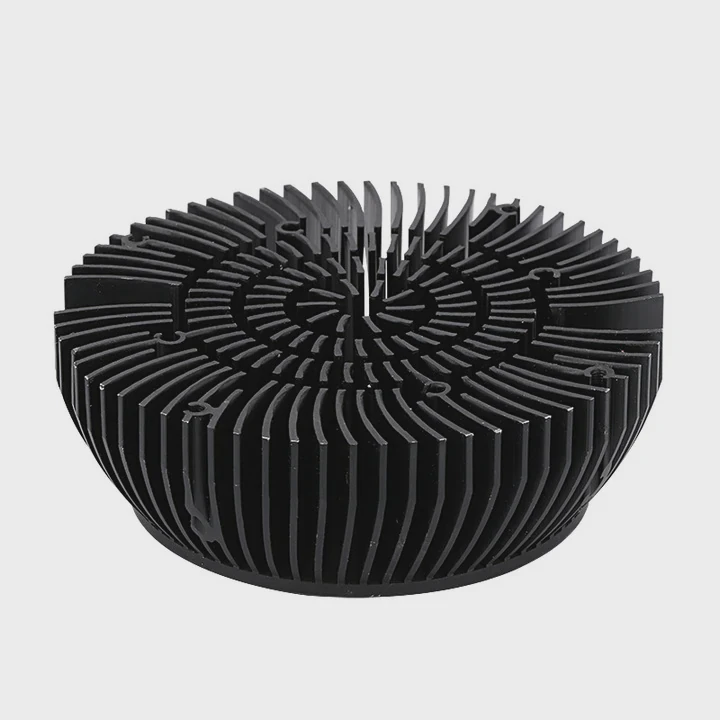
Installing a vapor chamber demands precision and care—or your thermal solution may underperform.
Correct installation of a vapor chamber ensures optimal heat spreading, minimal thermal resistance and long‑term reliability.
Grab a cup of coffee and let’s dive into exactly what you need to know, step by step.
What are the key steps to properly install a Vapor Chamber?
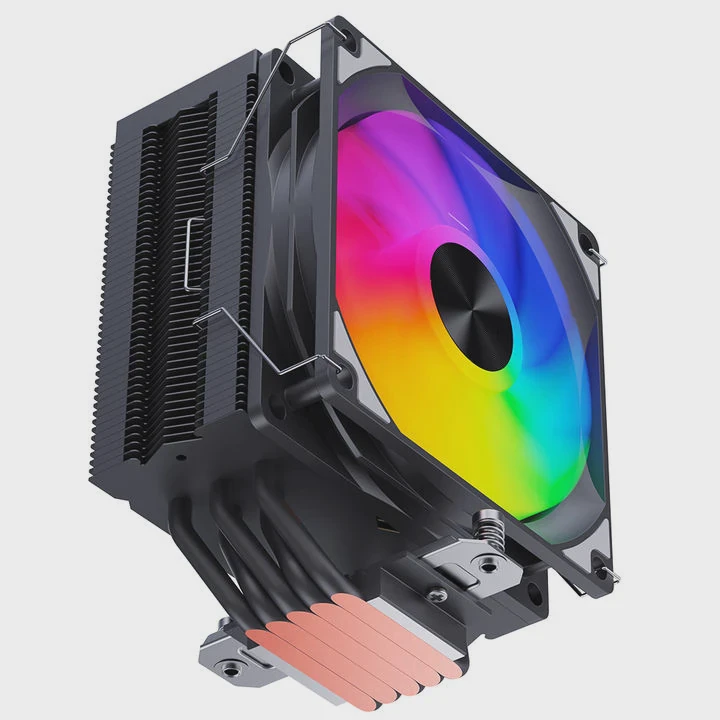
First, prepare both the vapor chamber and the mating surface. Clean off any dust, oil, or particles from both surfaces. Flatness and surface finish are crucial, as even microscopic gaps can reduce thermal performance. Once clean, align the vapor chamber directly over the heat source with even contact. Apply thermal interface material if required, then secure the vapor chamber using mechanical fasteners like clamps or screws. Pressure should be evenly distributed to avoid damage and ensure consistent contact. Finally, check airflow and orientation if airflow-assisted cooling is part of the design.
Step‑by‑step table
| Step | Description | Purpose |
|---|---|---|
| Clean surfaces | Remove dust, grease, or debris | Prevents thermal gaps |
| Align chamber | Center on heat source | Ensures full contact |
| Apply TIM | Use proper thermal material | Fills air voids |
| Fix mechanically | Clamp or screw | Maintains pressure |
| Verify position | Confirm orientation and airflow | Ensures thermal path works |
Maintaining surface contact pressure is essential. Too little pressure and the thermal gap increases. Too much pressure can deform the chamber, damage internal wicks, or warp the base. Avoid twisting or tilting the vapor chamber during installation. Flatness must be maintained. Use of a load-spreading plate is recommended in some assemblies.
Is thermal interface material required during installation?
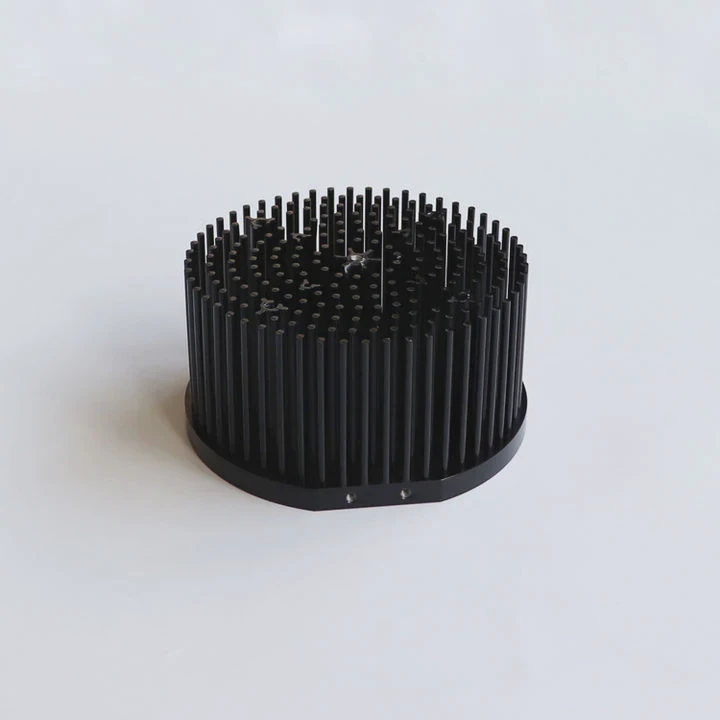
Yes — thermal interface material (TIM) is almost always necessary unless the vapor chamber is soldered or directly bonded. TIM helps fill the micro-gaps between surfaces, especially since even precision-machined parts are not perfectly flat.
TIM improves thermal conductivity between the vapor chamber and the heat source or heatsink. Without it, trapped air reduces heat transfer efficiency. Choose the TIM type based on the application: paste, pad, gel, or phase-change. Each has different thickness, thermal conductivity, and assembly process requirements.
TIM checklist
- Type: Use paste or pad based on mounting process
- Thickness: Keep as thin as possible for minimum resistance
- Coverage: Apply a full, even layer
- Compatibility: Ensure it suits the temperature and materials
- Pressure: Confirm it’s optimized for TIM compression range
Avoid excessive TIM application. It should not squeeze out under pressure. For critical applications, measure bond line thickness and verify thermal resistance after assembly. When TIM is applied correctly, it enhances vapor chamber efficiency by improving interface contact and reducing total thermal resistance.
Can misalignment affect Vapor Chamber performance?
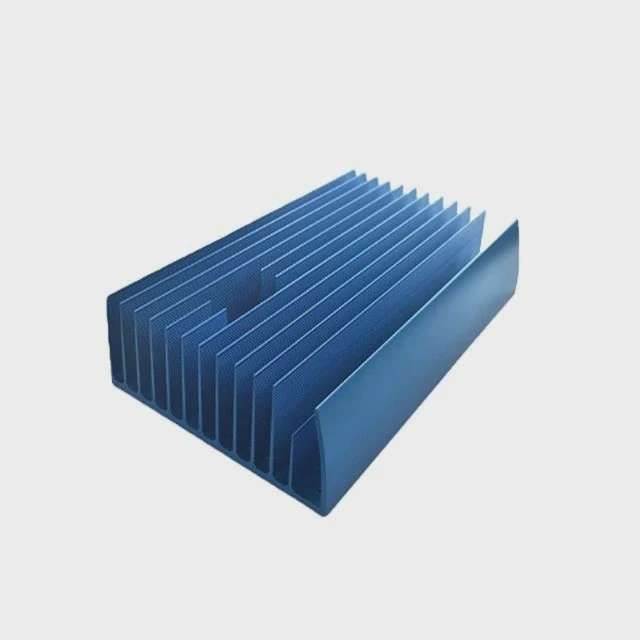
Absolutely. Misalignment creates partial contact, increases thermal resistance, and can lead to hotspots. Vapor chambers rely on full, flat contact with the heat source. Misalignment reduces efficiency and might stress the vapor chamber mechanically.
Poor alignment may also disrupt the internal working fluid flow or capillary action, especially if the chamber is tilted or twisted. Mechanical strain during mounting can distort the flatness of the base, damaging internal structures. Even slight angle errors can cause thermal performance loss.
Misalignment issues
| Problem | Effect | How to Prevent |
|---|---|---|
| Offset contact | Uneven heat spreading | Use fixtures or guides |
| Surface tilt | Air gaps and poor contact | Flatness check, pressure spreaders |
| Warp or flex | Structural damage | Limit clamp force, verify surfaces |
| Orientation error | Impaired capillary flow | Match design orientation |
Use jigs or alignment features if possible. After assembly, always inspect visually for tilt or contact area. If high-precision applications are involved, use feeler gauges or pressure mapping to confirm proper contact.
Should Vapor Chambers be clamped or glued in place?
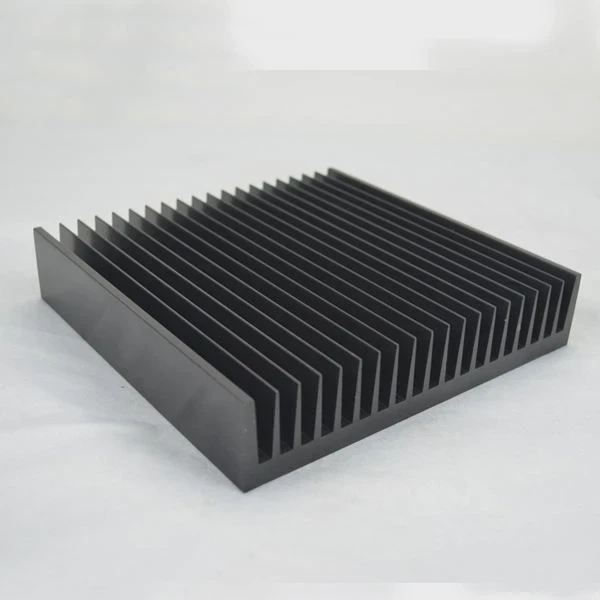
This depends on the application. Clamping is generally preferred for flexibility and maintenance. Bonding is used when low-profile integration or shock resistance is critical. Each method has pros and cons.
Mounting method comparison
| Method | Pros | Cons |
|---|---|---|
| Clamping | Easy to replace or rework, adjustable pressure | Requires fasteners and torque control |
| Gluing | Low profile, no fasteners | Permanent, difficult to inspect or repair |
For clamping, use even pressure with a flat load plate. Avoid single-point clamping that may bend the chamber. Use torque-limited screws if necessary. For adhesive bonding, select thermally conductive adhesive. Apply evenly and cure according to manufacturer guidelines.
If your system involves vibration or thermal cycling, clamping with spring-loaded pressure may perform better over time. For sealed or compact systems, bonding may be acceptable if validated through testing.
Always follow the vapor chamber supplier’s recommendations on mounting method. Improper fixing may void warranties or reduce lifespan.
Conclusion
Proper vapor chamber installation requires care at every step. Surface prep, TIM selection, alignment, and mounting method all influence thermal performance and reliability. Use the right materials, apply the correct pressure, and always verify contact quality. That’s how to ensure your vapor chamber works exactly as designed.
TAGS
Latest Articles

Volume discount levels for heat sink orders?
Buyers often ask when heat sink prices start to drop with volume. Many worry they’re overpaying for small orders. This guide explains how B2B volume pricing works for thermal components. Heat sink
21 Dec,2025
Heat sink long-term supply contract options?
Many buyers want stable pricing and reliable delivery for heat sinks. But without a clear contract, risks grow over time. This article explores how to secure better long-term supply deals. Long-term
21 Dec,2025
Tooling cost for new heat sink profiles?
Many engineers struggle to understand why tooling for custom heat sinks costs so much. They worry about budgeting and production timelines. This article breaks down the cost drivers behind tooling.
21 Dec,2025
Heat sink custom sample process steps?
Sometimes, starting a custom heat sink project feels overwhelming—too many steps, too many unknowns, and too many risks. You want a sample, but not endless delays. The process for requesting and
20 Dec,2025
Standard B2B terms for heat sink payments?
When buyers and sellers in B2B heat sink markets talk about payment, many don’t fully understand what’s standard. This can lead to delayed orders, miscommunication, and even lost business
20 Dec,2025
Heat sink pricing factors for large orders?
Heat sinks are vital for many systems. When prices rise, projects stall and budgets break. This problem can hit teams hard without warning. Large order heat sink pricing depends on many factors. You
20 Dec,2025Related Articles
- Vapor Chamber storage temperature guidelines?
- Typical warranty period for Vapor Chamber?
- Vapor Chamber bulk order logistics solution?
- How to reduce Vapor Chamber shipping cost?
- Vapor Chamber HS code for customs?
- Vapor Chamber Global Shipping Lead Time?
- Vapor Chamber cleaning recommendations?
- How to repair damaged Vapor Chamber?
- Vapor Chamber servicing instructions?
- OEM or ODM options for Vapor Chamber?
- Vapor Chamber technology upgrade trends?
- Vapor Chamber role in energy saving systems?
Author
Dr. Emily Chen
Chief AI Researcher
Leading expert in thermal dynamics and AI optimization with over 15 years of experience in data center efficiency research.
Categories
Latest Products






Recommend Categories
- Liquid cooling plate Manufacturer
- Industrial Heat Sink Manufacturer
- Standard Heat Sink Manufacturer
- Aluminum Heat Sink Manufacturer
- Copper Heat Sink Manufacturer
- Anodized Heatsink Manufacturer
- Stamping heat sink Manufacturer
- Die Casting Heatsink Manufacturer
- Soldering heat sink Manufacturer
- CNC Parts Manufacturer
Latest Products
- Wholesale Aluminum Radiator
- Water Cooling Plate Kit
- Water Cooling Heat Sink
- Water Cooling Heat Sink Kit
- Stainless Steel Water Distributor
- Server Water Cooling Plate Kit
- Server Liquid Cooling System
- Server Aluminum Cooling Kit
- S19 Full Cover Cooling Plate
- S19 Cooling Plate Kit
- S19 Aluminum Cooling Plate
Contact Expert
Have questions about this article? Reach out to our experts directly.