Vapor Chamber bulk order logistics solution?
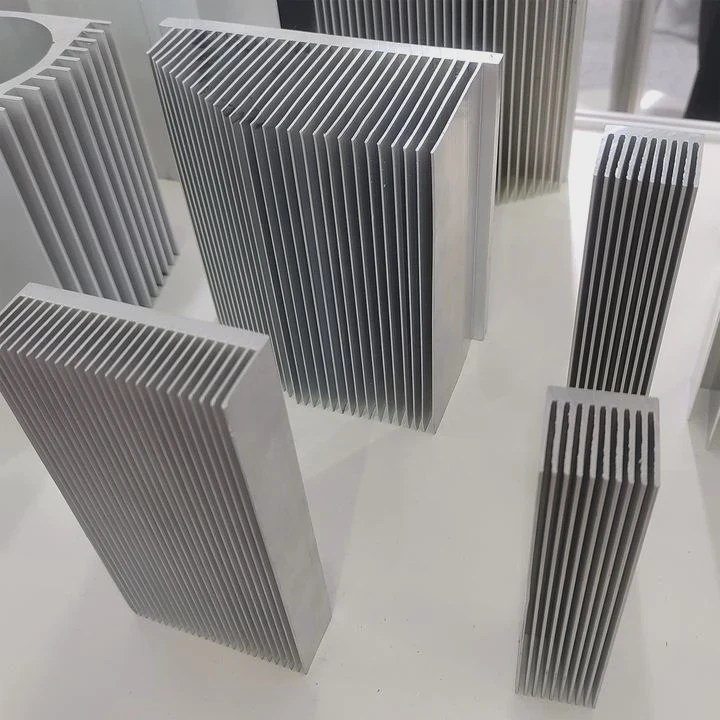
Facing delays, damage or mis-handling in large shipments of vapor chambers can cost time and money—let’s fix that.
In bulk orders of vapor chambers, selecting the right logistics strategy ensures safe, timely and cost-effective delivery while protecting high-value thermal management modules from transit risks.
Let’s now walk through key questions you should ask and how to answer them when organising logistics for bulk shipments of vapor chamber systems.
What logistics solutions are best for Vapor Chamber bulk orders?
When you move large volumes of vapor chambers, the logistics method can make or break the delivery success.
The best logistics solutions combine full-container load (FCL) shipments, reliable freight forwarders experienced with electronics, and clear end-to-end tracking.
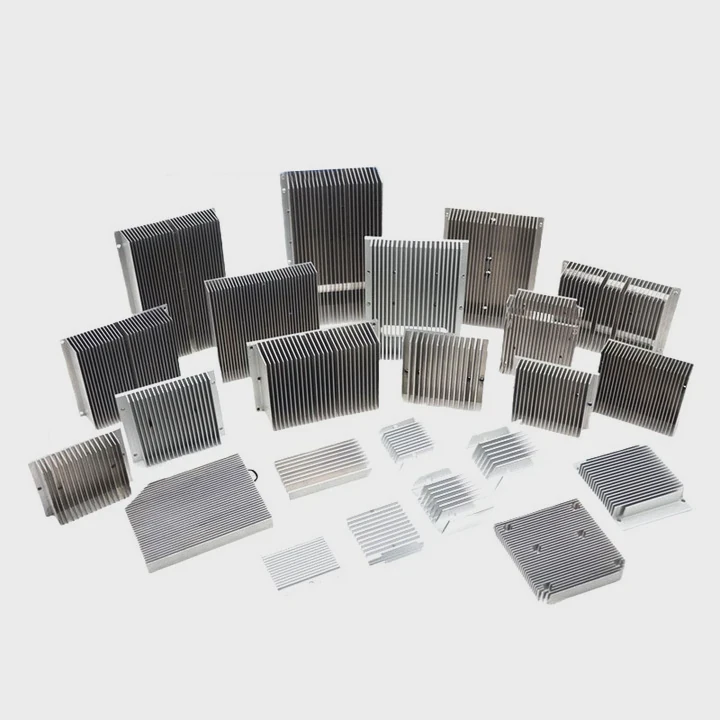
When shipping a high-volume product like vapor chambers—particularly those used in heat-management, aerospace, telecom or semiconductor equipment—the logistics chain needs design for scale, protection, and consistency. First, volume: bulk orders mean you’ll likely use ocean freight (FCL) for cost-efficiency, perhaps intermodal trucking for inland delivery. While LCL (less than container load) may seem cheaper, the risk of multiple handling and exposure is higher.
Second, partner selection: you want a freight forwarder or logistics firm with documented experience in high-value electronics, custom crating and export/import compliance.
Third, packaging & handling integration: logistics isn’t just transport—it includes how the items are packed, handled, labeled, and travel from origin to destination. Vapor chambers are precision thermal modules often with high-performance aluminum or copper construction and delicate surfaces.
Finally, risk management: consider insurance, define Incoterms clearly, track shipments end-to-end, and plan for customs clearance.
| Logistics mode | Advantages | Disadvantages |
|---|---|---|
| FCL Ocean + Truck | Cost per unit low at high volume; fewer handlings | Time longer; port handling risk |
| Air Freight | Fast transit | High cost; size/weight constraints |
| LCL Ocean | Lower upfront cost | More handlings; higher risk of damage |
| Dedicated Car / Rail | Direct route, less handling | May cost more; need high volume |
How do you ensure safe transit of large Vapor Chamber shipments?
When large batches of high-value heat management modules move across countries, every link in the transport chain poses a risk.
Ensuring safe transit means controlling moisture, vibration, stacking loads, correct packing orientation and robust labeling at every stage.
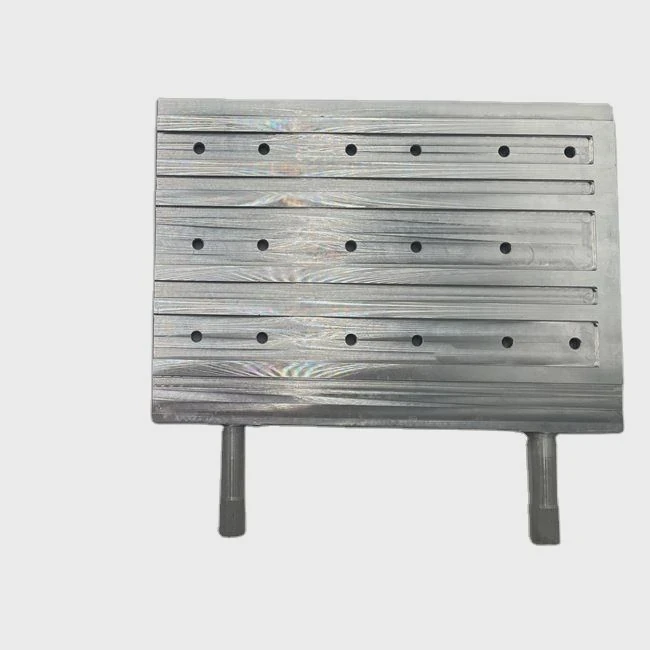
Safe transit of bulk shipments of vapor chambers requires attention to multiple dimensions: environmental control, mechanical protection, loading/unloading handling, transport sequence and packaging integrity.
Environmental control
Vapor chambers may corrode or warp due to humidity and salt air during ocean transit. Use silica gel packs, vacuum-seal bags, or vapor-barrier packaging. Include container ventilation or dry-packs. Foil bags offer excellent moisture protection.
Mechanical protection
Use foam inserts or molded trays, export-grade double-wall cartons, and secure pallets or crates. Crates should include shock-absorbing foam. Test packaging using drop tests and vibration standards when possible.
Loading/unloading sequence
Avoid over-stacking, place heavier items at the bottom, and leave space around cargo inside the container. Use FCL shipments to reduce handling points. Choose carriers offering tracking and condition monitoring.
Labeling and documentation
Use labels like “Fragile”, “This Side Up”, and “ESD Sensitive”. Include packing lists and customs forms. Accurate paperwork helps avoid customs delays and mishandling.
Insurance and contingency
Use marine insurance for ocean shipping and clarify Incoterms (like EXW or CIF) in contracts. Plan for potential delays or damage.
Summary checklist
- Vapor-barrier packaging + desiccant
- Foam inserts, rigid cartons/crates
- Strapping, pallet load protection
- FCL preferred for lower handling
- Clear labeling and correct documents
- Insure and define responsibilities
Are pallets or crates preferred for bulk Vapor Chamber shipping?
When sending dozens or hundreds of vapor chambers, the choice between pallets and crates impacts cost, protection and handling.
Crates offer higher protection for sensitive assemblies, while pallets give cost-efficiency and flexibility; choose based on value, fragility and transport mode.
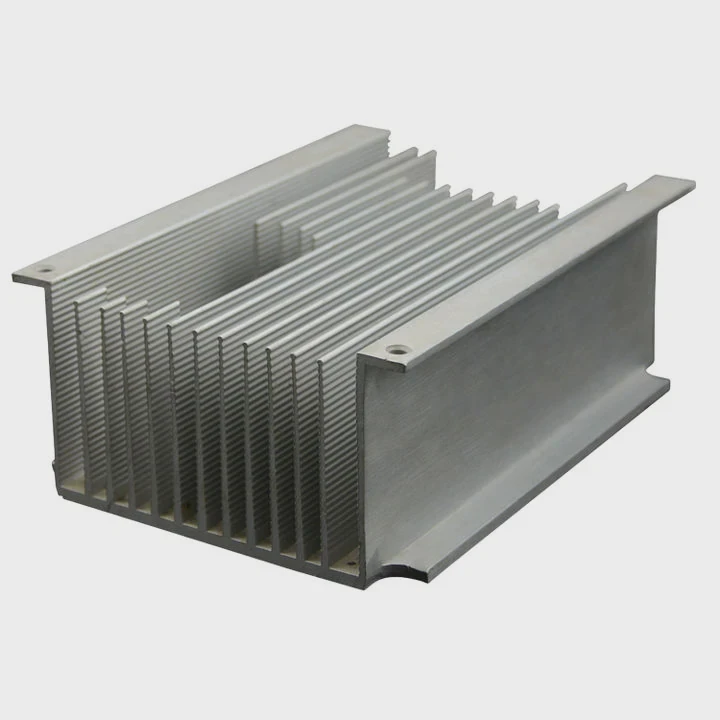
The decision between pallets and crates for bulk shipments of vapor chambers involves weighing protection level vs cost vs ease of handling.
Definitions
- Pallet: A flat platform for stacking and strapping goods.
- Crate: An enclosed box offering structural support and internal cushioning.
| Option | Advantages | Disadvantages |
|---|---|---|
| Pallet | Lower cost; faster packing/unpacking; common handling equipment | Less rigidity; less protection from stacking, shock, environment |
| Crate | Higher protection; custom internal fit; better for fragile/valuable units | Higher cost; more space footprint; additional packing time |
Application to vapor chambers
If units are robust and packaged securely, pallets are acceptable. Use strapping, shrink-wrap, corner protectors, and top boards. But for fragile, high-value units or long international shipments, crates provide better protection.
Hybrid solutions
Many use crates that sit on pallets: offering protection plus forklift compatibility. Add foam supports, labels, and vapor barriers.
Handling tips
- Label each load with handling icons and weight
- Avoid stacking above specified limit
- Secure each module inside the crate or on the pallet
- Use ISPM 15-certified wood for export crates
In most cases, crates are the safer choice for high-end vapor chamber systems, especially for international and intermodal shipping.
What is the recommended packaging method for high-volume Vapor Chambers?
Packing high-volume vapor chambers demands a disciplined, structured method that balances protection, cost and logistics efficiency.
Recommended packaging for high-volume vapor chambers uses nested protective layers (anti-static or vapor-barrier bag + foam tray + export box/crate), palletised or crated, and labelled for international transit.
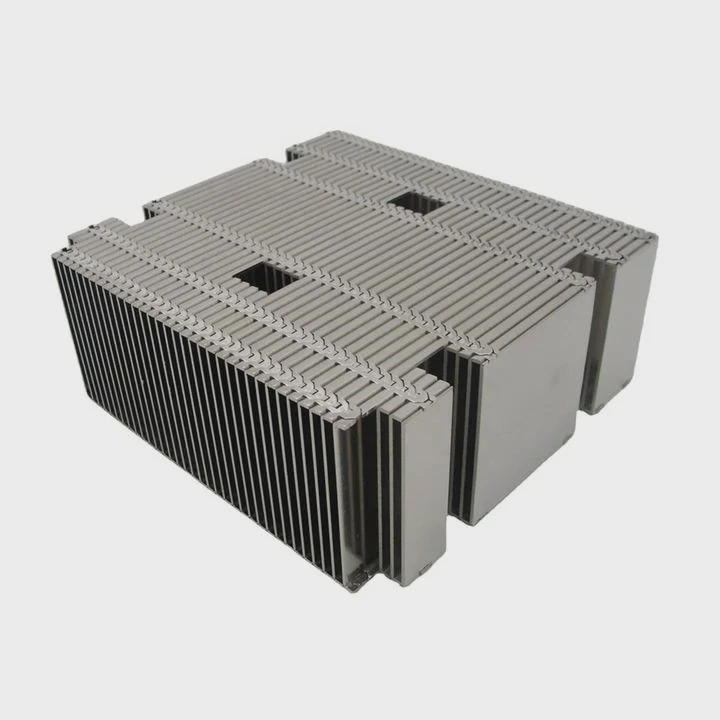
When packaging many vapor chamber units, use a consistent layered method that provides impact protection, moisture resistance and easy identification.
Multi-layer packaging structure
Primary packaging
- Anti-static or vapor-barrier bags
- Custom foam inserts or trays
- Optional vacuum-sealing for long storage or humid environments
- Anti-static or vapor-barrier bags
Secondary packaging
- Export-rated corrugated boxes (double or triple-wall)
- Cushioning between units
- Desiccant bags and humidity indicators
- Edge protection and straps
- Export-rated corrugated boxes (double or triple-wall)
Tertiary packaging
- Pallets or wooden crates
- Load-securing straps
- Labels and tilt/shock indicators
- Forklift-compatible base
- Pallets or wooden crates
Container loading
- Use FCL to avoid extra handling
- Leave space from container walls
- Use blocking/bracing materials
- Load heavier items on bottom
- Use FCL to avoid extra handling
Labeling and documents
- Include packing list, invoice, and destination info
- “Fragile” and “This Side Up” marks
- Batch and serial numbers for traceability
- Include packing list, invoice, and destination info
Testing and reliability
- Drop and vibration test key packaging units
- Pre-shipment visual and environmental inspection
- Ensure batch traceability for each carton
- Drop and vibration test key packaging units
| Packaging Layer | Purpose | Example Material |
|---|---|---|
| Inner Protection | Prevent shock, static, moisture | Foam trays, anti-static bag |
| Box Level | Consolidate units for handling | Double-wall corrugated boxes |
| Outer Load | Secure multiple boxes for transport | Pallet, shrink wrap, crate |
Packaging choices impact both logistics costs and damage rates. More robust packaging has a higher upfront cost but protects product quality, reduces warranty claims, and ensures customer satisfaction. Choose the structure based on your risk level, destination and customer expectations.
Conclusion
In bulk shipments of vapor chambers you must align logistics, packaging and handling as a unified system. Use robust packaging methods, choose pallets or crates based on value and risk, protect against moisture and shock, and work with logistics partners experienced in high-value electronic shipments. Delivering safely on time safeguards both product and reputation.
TAGS
Latest Articles

Volume discount levels for heat sink orders?
Buyers often ask when heat sink prices start to drop with volume. Many worry they’re overpaying for small orders. This guide explains how B2B volume pricing works for thermal components. Heat sink
21 Dec,2025
Heat sink long-term supply contract options?
Many buyers want stable pricing and reliable delivery for heat sinks. But without a clear contract, risks grow over time. This article explores how to secure better long-term supply deals. Long-term
21 Dec,2025
Tooling cost for new heat sink profiles?
Many engineers struggle to understand why tooling for custom heat sinks costs so much. They worry about budgeting and production timelines. This article breaks down the cost drivers behind tooling.
21 Dec,2025
Heat sink custom sample process steps?
Sometimes, starting a custom heat sink project feels overwhelming—too many steps, too many unknowns, and too many risks. You want a sample, but not endless delays. The process for requesting and
20 Dec,2025
Standard B2B terms for heat sink payments?
When buyers and sellers in B2B heat sink markets talk about payment, many don’t fully understand what’s standard. This can lead to delayed orders, miscommunication, and even lost business
20 Dec,2025
Heat sink pricing factors for large orders?
Heat sinks are vital for many systems. When prices rise, projects stall and budgets break. This problem can hit teams hard without warning. Large order heat sink pricing depends on many factors. You
20 Dec,2025Related Articles
- How to reduce Vapor Chamber shipping cost?
- Vapor Chamber HS code for customs?
- Vapor Chamber Global Shipping Lead Time?
- Best shipping method for Vapor Chamber?
- Customs documents needed for Vapor Chamber import?
- Vapor Chamber packaging for export to USA?
- Typical warranty period for Vapor Chamber?
- Vapor Chamber storage temperature guidelines?
- How to install Vapor Chamber correctly?
- Vapor Chamber cleaning recommendations?
- How to repair damaged Vapor Chamber?
- Vapor Chamber servicing instructions?
Author
Dr. Emily Chen
Chief AI Researcher
Leading expert in thermal dynamics and AI optimization with over 15 years of experience in data center efficiency research.
Categories
Latest Products






Recommend Categories
- Liquid cooling plate Manufacturer
- Industrial Heat Sink Manufacturer
- Standard Heat Sink Manufacturer
- Aluminum Heat Sink Manufacturer
- Copper Heat Sink Manufacturer
- Anodized Heatsink Manufacturer
- Stamping heat sink Manufacturer
- Die Casting Heatsink Manufacturer
- Soldering heat sink Manufacturer
- CNC Parts Manufacturer
Latest Products
- Wholesale Aluminum Radiator
- Water Cooling Plate Kit
- Water Cooling Heat Sink
- Water Cooling Heat Sink Kit
- Stainless Steel Water Distributor
- Server Water Cooling Plate Kit
- Server Liquid Cooling System
- Server Aluminum Cooling Kit
- S19 Full Cover Cooling Plate
- S19 Cooling Plate Kit
- S19 Aluminum Cooling Plate
Contact Expert
Have questions about this article? Reach out to our experts directly.